Is Costa Rica Worth Visiting in July & August 2026? Here’s What No One Tells You
By Silicon Valley Times Travel Desk | Last Updated: April 2026
Costa Rica’s July and August season presents a unique opportunity for savvy travelers seeking authentic experiences without peak season crowds. As someone who has explored this Central American gem during these months, I can attest that the “green season” offers unparalleled value and distinctive adventures that many visitors miss.
Understanding Costa Rica’s Weather Patterns in July and August
July and August fall within Costa Rica’s rainy season, but don’t let that discourage you. These months feature a fascinating meteorological phenomenon called “veranillo” or “little summer” – a temporary break in rainfall that typically occurs from late June through mid-July.
The Veranillo Advantage
During veranillo, the northern Pacific coast experiences significantly reduced rainfall, creating ideal conditions for outdoor activities. This natural weather pattern means you can enjoy sunny mornings and early afternoons, with brief rain showers typically arriving in late afternoon or evening. The rainfall actually enhances your experience by keeping the landscape lush and vibrant while cooling down the tropical heat.
Regional Weather Variations
Different regions of Costa Rica experience distinct weather patterns during these months:
Guanacaste (Northern Pacific): The driest region during July and August, with morning sunshine and occasional afternoon showers lasting about an hour. Temperature ranges from 27-32°C (80-90°F).
Caribbean Coast: July brings heavier precipitation, but August transitions toward the area’s drier season, making it an excellent choice for the latter month.
Monteverde Cloud Forest: Expect consistent moisture and cooler temperatures around 16-24°C (60-75°F), perfect for cloud forest exploration.
Southern Pacific (Osa Peninsula): More rainfall compared to the north, but the dramatic landscapes and wildlife viewing opportunities make it worthwhile for adventure seekers.
Top Destinations and Activities for July and August
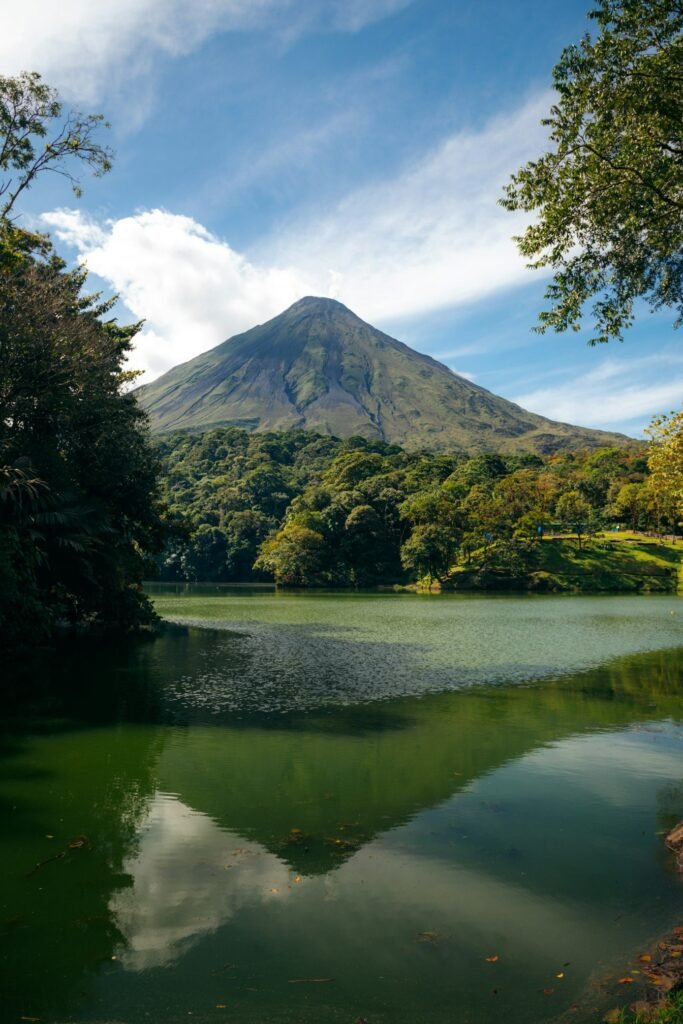
1. Arenal Volcano National Park – Adventure Central
Arenal remains one of Costa Rica’s crown jewels, and July-August offers distinct advantages for visitors. The iconic cone-shaped volcano provides a stunning backdrop for numerous activities.
Must-Do Experiences:
Hot Springs Therapy: After morning adventures, indulge in the geothermal hot springs scattered around La Fortuna. Tabacón Grand Spa and Baldi Hot Springs offer luxurious experiences with multiple pools at varying temperatures. The afternoon rain actually enhances this experience, creating a magical atmosphere as warm mineral water mingles with cool raindrops.
Hanging Bridges: The Místico Arenal Hanging Bridges Park features 16 bridges spanning 3.1 kilometers through pristine rainforest. Early morning guided tours (7:00-9:00 AM) maximize wildlife sightings including spider monkeys, howler monkeys, sloths, and exotic birds. The lush vegetation from rainy season provides optimal conditions for wildlife viewing.
La Fortuna Waterfall: This 70-meter cascade requires descending approximately 500 steps, but the reward is a spectacular swimming hole. Visit in the morning before the afternoon rain increases water flow and visibility decreases.
Kayaking on Arenal Lake: Paddle across Central America’s largest lake with the volcano as your backdrop. Morning sessions offer the calmest water and clearest views.
Expert Tip: Book accommodations with volcano views on the western side of La Fortuna for spectacular sunset vistas when clouds clear.
2. Monteverde Cloud Forest Reserve – Biodiversity Paradise
Monteverde’s mystical cloud forest thrives during the green season, offering exceptional wildlife viewing and unique ecosystems. The cooler temperatures provide welcome relief from coastal heat.
Essential Activities:
Guided Wildlife Walks: Professional naturalist guides significantly enhance your experience, spotting camouflaged creatures invisible to untrained eyes. The resplendent quetzal – one of the world’s most beautiful birds – actively nests during these months, making sightings more likely.
Canopy Adventures: Monteverde pioneered canopy tours in Costa Rica. Zip-lining through the cloud forest offers an adrenaline rush while traversing one of the world’s most biodiverse ecosystems. Multiple companies offer various difficulty levels suitable for all ages.
Night Tours: The cloud forest transforms after dark. Guided night walks reveal nocturnal species including glass frogs, tarantulas, armadillos, and the elusive kinkajou. The enhanced activity during rainy season makes these tours particularly rewarding.
Coffee and Chocolate Tours: Monteverde’s agricultural heritage shines through interactive plantation tours. Learn the complete coffee production process from bean to cup, and discover how Costa Rica became synonymous with premium coffee. These indoor-outdoor experiences work perfectly regardless of weather.
Practical Advice: Pack layers - Monteverde can be chilly and damp. Waterproof jackets and sturdy hiking boots are essential.
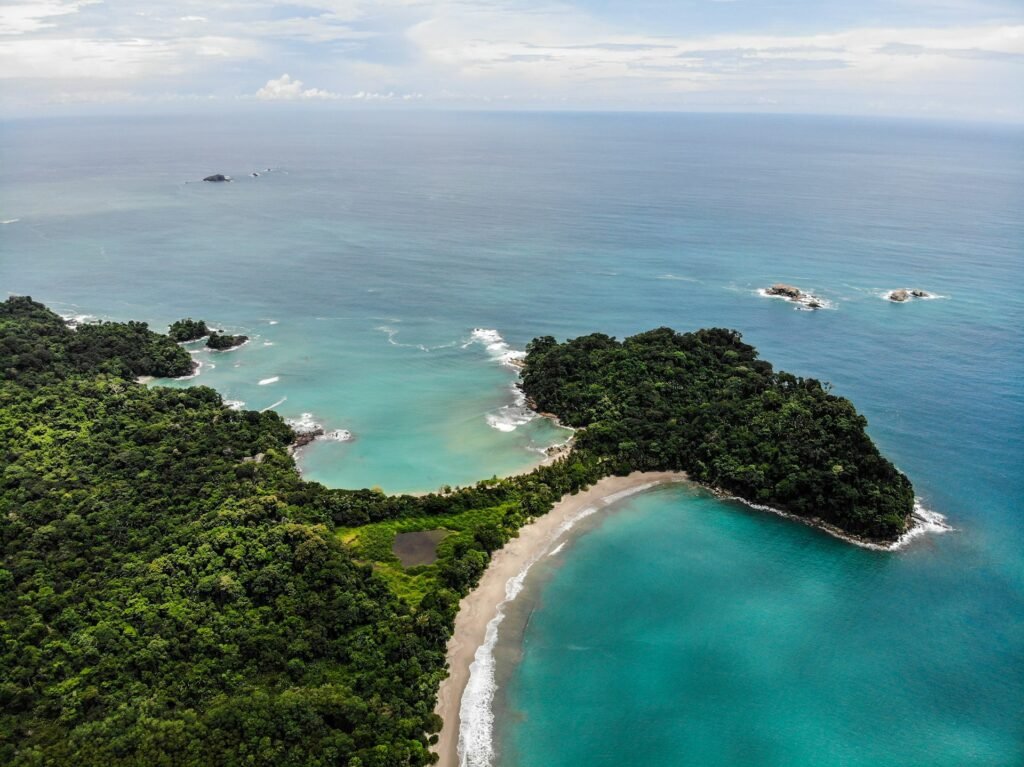
3. Manuel Antonio National Park – Beaches Meet Rainforest
Costa Rica’s smallest national park packs incredible biodiversity into a compact area, combining pristine beaches with primary rainforest. July and August bring lush vegetation and active wildlife.
Signature Experiences:
Guided Park Tours: With new daily visitor limits capped at 1,200 people, booking advance reservations is crucial. Professional guides excel at locating white-faced capuchin monkeys, three-toed sloths, iguanas, and over 350 bird species. The park’s four beaches offer perfect post-hike relaxation.
Catamaran Cruises: Sunset sailing tours combine snorkeling, dolphin watching, and coastal exploration. August marks peak season for humpback whale migration from Antarctica, making these cruises particularly spectacular.
Mangrove Kayaking: Paddle through Isla Damas mangrove channels, an ecosystem teeming with birds, crabs, and occasional crocodiles. Morning tours offer the best wildlife activity and cooler temperatures.
Beach Hopping: Beyond the national park, Playa Espadilla provides excellent surfing opportunities for beginners and intermediate surfers. The consistent waves during green season create ideal learning conditions.
Insider Knowledge: Arrive at the park entrance by 7:00 AM to avoid crowds and experience optimal wildlife activity. The morning hours before rain provide the best conditions.
4. Tortuguero National Park – Sea Turtle Nesting
July and August represent prime sea turtle nesting season on Costa Rica’s Caribbean coast, making Tortuguero an unforgettable destination for nature enthusiasts.
Unique Opportunities:
Green Sea Turtle Nesting: July marks the beginning of nesting season for endangered green sea turtles. Guided night tours allow respectful observation of these ancient mariners laying eggs on moonlit beaches. Witnessing this prehistoric ritual creates profound appreciation for conservation efforts.
Canoe Tours: Navigate Tortuguero’s intricate canal system by canoe or boat, spotting howler monkeys, caimans, river otters, and over 300 bird species. The rain ensures high water levels and easy canal navigation.
Beach Walks: The 22-mile Caribbean beach offers solitude and natural beauty. Morning walks reveal turtle tracks from overnight nesting activities.
Important Note: Tortuguero is accessible only by boat or plane - part of its charm and conservation success. Plan accordingly and embrace this unique travel adventure.
5. Guanacaste Beaches – Pacific Coast Paradise
Guanacaste Province benefits most from July’s veranillo, offering excellent beach weather and fewer tourists than peak season.
Top Beach Destinations:
Tamarindo: This vibrant beach town balances surfing culture with resort amenities. Consistent waves make it perfect for surf lessons, while the town’s restaurants and nightlife provide evening entertainment.
Playa Conchal: Named for its unique crushed shell beach, this area offers excellent snorkeling and pristine white sand. The calmer waters during green season create ideal swimming conditions.
Papagayo Peninsula: Luxury resorts dot this stunning coastline, offering all-inclusive experiences with access to multiple beaches. The protected bays remain calm even during afternoon showers.
Playa Flamingo: Known for exceptional sportfishing, particularly during July and August when marlin, sailfish, and dorado are abundant.
Beach Strategy: Maximize beach time during morning hours (6:00 AM - 2:00 PM) when sunshine is most reliable, then transition to cultural activities or relaxation during afternoon rain.
6. Osa Peninsula and Corcovado National Park – Ultimate Wilderness
For serious nature enthusiasts, the Osa Peninsula delivers one of Earth’s most biodiverse regions. While wetter during July-August, the rainforest thrives and wildlife viewing reaches peak intensity.
Premier Adventures:
Corcovado National Park: National Geographic calls this “the most biologically intense place on Earth.” Multi-day hiking expeditions through primary rainforest reveal scarlet macaws, tapirs, jaguars (rarely), pumas, and all four Costa Rican monkey species. Professional guides are mandatory and transform the experience.
Drake Bay: This remote paradise serves as the gateway to Corcovado. Snorkeling at Caño Island Biological Reserve competes with any Caribbean location, featuring sea turtles, reef sharks, and vibrant coral formations.
Whale Watching: Southern hemisphere humpback whales visit these waters July through October, with August providing peak viewing. Multiple tour operators offer responsible wildlife encounters.
Expedition Planning: Osa Peninsula experiences heavier rainfall, so pack accordingly with waterproof bags and quick-dry clothing. The reward justifies the preparation.
Adventure Activities Perfect for July-August
White Water Rafting
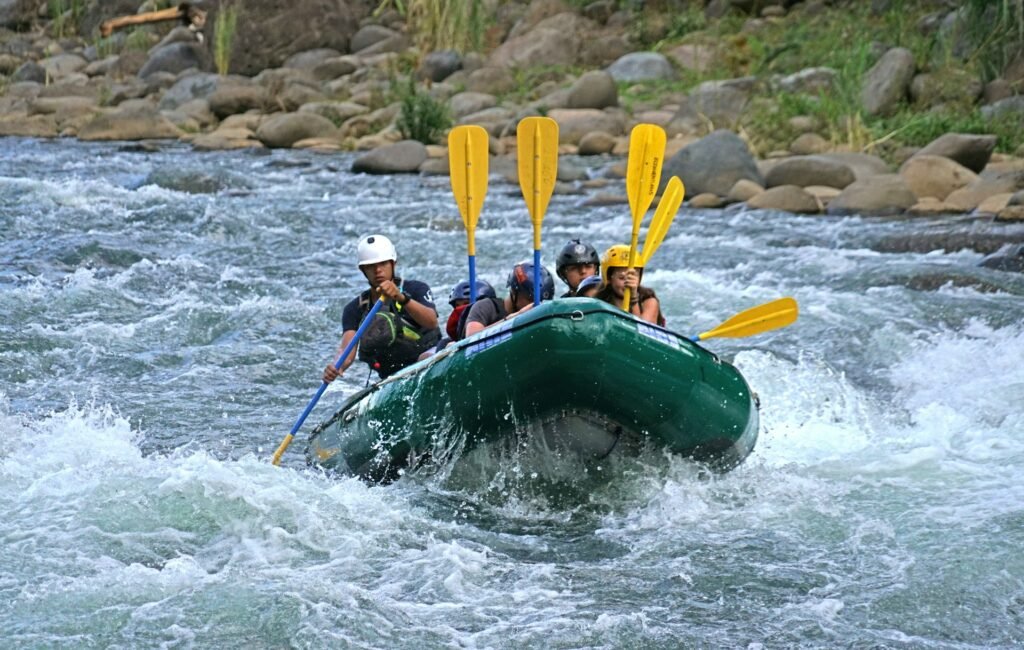
Costa Rica’s rivers swell during green season, creating exciting rafting conditions. The Pacuare and Reventazón rivers offer Class III-IV rapids through stunning jungle canyons. Morning departures avoid afternoon rain and provide optimal conditions.
Zip-Lining and Canopy Tours
Multiple locations offer world-class zip-lining experiences. Monteverde, Arenal, and Manuel Antonio all feature extensive canopy tour systems. The lush vegetation during green season enhances the visual experience, and operators continue tours even during light rain using proper safety equipment.
Canyoning and Waterfall Rappelling
Descending waterfalls by rope combines adventure sports with natural beauty. Pure Trek Canyoning in Arenal offers exceptional experiences suitable for first-timers. The increased water flow during July-August makes descents more dramatic.
Sportfishing
Pacific coast fishing peaks during these months. Offshore species including marlin, sailfish, dorado, and tuna provide world-class angling opportunities.
Cultural Experiences and Festivals
Guanacaste Day (July 25)
This national holiday celebrates Guanacaste Province’s peaceful annexation from Nicaragua in 1824. Festivities include traditional bullfights (without harming bulls), cattle shows, folk dancing, and regional cuisine. Liberia and beach towns throughout Guanacaste host the largest celebrations.
Virgin of Los Angeles Day (August 2)
Costa Rica’s patron saint festival centers in Cartago, the former capital. Thousands of pilgrims walk to Cartago’s basilica, creating a solemn yet festive atmosphere. While primarily religious, the cultural significance offers insight into Costa Rican traditions.
Coffee Plantation Tours
Central Valley coffee plantations offer fascinating agricultural tourism. Learn how volcanic soil, elevation, and processing methods create world-renowned coffee. Doka Estate and Café Britt provide comprehensive tours with tastings. Success in business often requires understanding quality from source to consumer – coffee plantations exemplify this principle.
Wildlife Viewing Highlights
July and August offer exceptional wildlife viewing opportunities across Costa Rica:
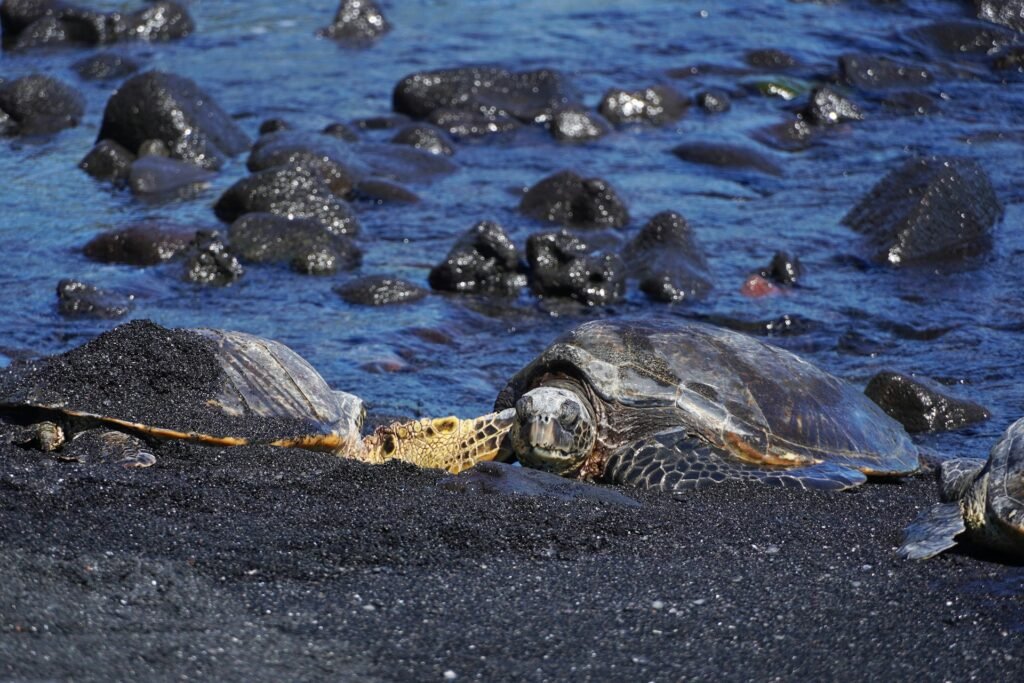
Sea Turtles: Green, leatherback, and olive ridley turtles nest on both coasts. Tortuguero (Caribbean) and Ostional (Pacific) provide the best viewing experiences.
Humpback Whales: Southern hemisphere whales migrate to Costa Rica’s Pacific coast, with August offering peak sightings near Uvita, Drake Bay, and Manuel Antonio.
Resplendent Quetzal: Monteverde Cloud Forest and San Gerardo de Dota offer excellent opportunities to observe this stunning bird during nesting season.
Monkeys: All four Costa Rican monkey species (howler, white-faced capuchin, spider, and squirrel) remain highly active throughout these months.
Sloths: Both two-toed and three-toed sloths are easily spotted, particularly in Manuel Antonio and the Caribbean lowlands.
Bird Species: Over 900 bird species inhabit Costa Rica, with green season bringing migrants and active breeding behavior.
Practical Planning Tips
Booking Strategy
While July-August represents shoulder season, increased popularity means advance bookings remain important:
Accommodations: Book 2-3 months ahead for popular areas like Arenal and Manuel Antonio. Guanacaste beach hotels offer more flexibility.
Activities: Reserve guided tours and limited-access parks (Manuel Antonio, Corcovado) at least one month in advance.
Transportation: Car rentals in high demand – book early for best rates and availability. 4×4 vehicles recommended for remote areas.
What to Pack
Essential Items:
- Lightweight rain jacket or poncho
- Quick-dry clothing in light colors
- Sturdy hiking sandals (Teva, Chaco) and closed-toe hiking shoes
- Waterproof phone case and dry bags for electronics
- Reef-safe sunscreen (chemical sunscreens harm coral reefs)
- Insect repellent with DEET or picaridin
- Reusable water bottle (tap water is safe throughout Costa Rica)
- Headlamp for night tours and early morning activities
- Binoculars for wildlife viewing
- Microfiber towel for quick drying
Clothing Layers: Monteverde and highland areas require warm layers, while coastal regions need only light clothing. Pack for diverse microclimates.
Budget Considerations
Green season offers significant savings compared to peak season (December-April):
Accommodations: 20-40% lower rates at many hotels and resorts
Tours and Activities: Some operators offer rainy season discounts
Rental Cars: More negotiating room and occasional promotions
Flights: International flights typically 15-30% cheaper than peak season
Budget-conscious travelers can experience Costa Rica during July-August for considerably less than peak season while enjoying superior value.
Transportation Options
Rental Car: Provides maximum flexibility for exploring. International driver’s license not required for US, Canadian, and EU citizens. Insurance is mandatory – verify coverage before arrival.
Shared Shuttles: Affordable option connecting major tourist destinations. Book through hotels or online platforms.
Private Transfers: Comfortable but more expensive. Ideal for families or groups splitting costs.
Domestic Flights: Sansa and Aerobell operate short flights between San José and coastal destinations, saving driving time.
Safety and Health
Water Safety: Tap water is safe throughout Costa Rica – one of few Central American countries with this advantage.
Health Precautions: No required vaccinations, but Hepatitis A, Typhoid, and updated routine vaccines are recommended. Mosquito-borne illnesses (dengue, Zika) exist in lowland areas – use repellent consistently.
Flash Floods: Avoid swimming in rivers during or after heavy rain. Water levels can rise rapidly in mountainous areas.
Travel Insurance: Essential for adventure activities and medical coverage. This mirrors advice any experienced traveler would provide.
Money-Saving Strategies
Sodas vs. Restaurants: Local “sodas” (family-run eateries) serve authentic Costa Rican cuisine at fraction of tourist restaurant prices. A typical casado (rice, beans, protein, salad, plantains) costs $5-8 versus $15-25 at tourist restaurants.
Park Entrance Fees: Purchase tickets directly from park offices rather than through tour operators when possible.
Grocery Shopping: Stock up on snacks, breakfast items, and water at supermarkets rather than hotel mini-marts.
Free Activities: Many beaches, hiking trails, and viewpoints are free. Research options before paying for similar experiences.
Sustainable Travel Practices
Costa Rica pioneered ecotourism – respect this commitment by traveling responsibly:
Wildlife Interactions: Maintain safe distances. Never touch, feed, or disturb animals for photos.
Plastic Reduction: Bring reusable bags, bottles, and containers. Single-use plastics are increasingly banned.
Support Local: Choose locally-owned accommodations, restaurants, and tour operators when possible.
Reef Protection: Use only reef-safe sunscreen and avoid touching coral while snorkeling.
Trail Etiquette: Stay on marked paths, pack out all trash, and avoid loud noises that disturb wildlife.
Sample 10-Day Itinerary
Day 1-2: San José and Central Valley
Arrive in San José, explore the city’s museums and markets, visit Poás Volcano National Park
Day 3-5: Arenal Volcano Region
Transfer to La Fortuna, hot springs experience, hanging bridges tour, La Fortuna waterfall, optional zip-lining or rafting
Day 6-7: Monteverde Cloud Forest
Scenic transfer via Arenal Lake, guided cloud forest walk, canopy tour, night tour, coffee plantation visit
Day 8-10: Manuel Antonio
Transfer to Pacific Coast, national park guided tour, beach relaxation, catamaran sunset cruise, mangrove kayaking, departure from San José
This itinerary balances adventure, wildlife, beaches, and cultural experiences while accounting for typical afternoon rain patterns.
Why July-August Deserves Consideration
After multiple visits to Costa Rica across different seasons, I’ve developed strong appreciation for the green season’s unique advantages:
Value Proposition: Significantly lower costs combined with high-quality experiences create exceptional value. Budget-conscious travelers can afford upgrades to better hotels and additional activities.
Authentic Experience: Fewer crowds mean more intimate encounters with nature and culture. National parks feel less congested, beaches more private, and interactions with locals more genuine.
Enhanced Landscapes: The lush, vibrant scenery during green season surpasses the sometimes-arid dry season appearance. Waterfalls flow powerfully, vegetation gleams with life, and wildlife thrives.
Wildlife Activity: Sea turtle nesting, whale migration, bird breeding, and general animal activity peak during these months. Nature enthusiasts experience Costa Rica at its most dynamic.
Comfortable Crowds: Unlike May-June or September-October when tourism drops significantly, July-August maintain enough visitors to ensure all services operate fully while avoiding peak season congestion.
Addressing Common Concerns
“Won’t Rain Ruin My Trip?”
This represents the most common hesitation about green season travel. Reality differs dramatically from perception. Afternoon rain showers typically last 1-2 hours, clearing by evening. Morning activities proceed unaffected, and strategic planning maximizes dry time. The rain creates dramatic cloud formations, stunning rainbows, and cooler temperatures – many travelers prefer this pattern to relentless dry season heat.
“Will Everything Be Closed?”
Absolutely not. July-August is busy enough that all hotels, restaurants, tour operators, and services operate normally. This contrasts with September-October when some businesses reduce hours or close temporarily. July-August combines shoulder-season pricing with peak-season service availability.
“Is It Too Hot and Humid?”
Coastal areas are warm (27-32°C), but afternoon rain provides natural air conditioning. Highland areas like Monteverde remain pleasantly cool. The humidity is higher than dry season, but most visitors adapt quickly. Staying hydrated and choosing accommodations with good ventilation or air conditioning ensures comfort.
Final Recommendations
Costa Rica during July and August rewards flexible, adventurous travelers who appreciate natural beauty and authentic experiences over guaranteed perfect weather. The combination of reduced costs, lush landscapes, active wildlife, and manageable crowds creates an ideal scenario for many visitors.
Ideal For:
- Budget-conscious travelers seeking maximum value
- Nature and wildlife enthusiasts
- Photographers interested in dramatic landscapes and rainbows
- Families with summer vacation schedules
- Adventure seekers who don’t mind occasional rain
- Travelers who prefer avoiding massive crowds
Perhaps Not Ideal For:
- Those requiring guaranteed sunshine every day
- Beach-focused trips with no backup activities
- Travelers unwilling to adapt plans based on weather
- Anyone seeking the driest possible conditions
Costa Rica’s biodiversity, adventure opportunities, and “pura vida” culture shine through regardless of season. July and August simply offer a different lens through which to experience this remarkable country – one that many travelers find even more rewarding than the crowded peak season alternative.
Beyond Costa Rica: Expanding Your Travel Horizons
If you’re passionate about budget-friendly travel experiences, consider exploring volunteer tourism opportunities that allow cultural immersion while minimizing costs. The skills and perspectives gained from travel often prove invaluable in both personal growth and professional development.
For those balancing demanding careers with travel ambitions, Costa Rica’s compact size and excellent infrastructure make it perfect for short escapes. Many Silicon Valley entrepreneurs and professionals choose Costa Rica precisely because meaningful experiences don’t require extensive time commitments.
Conclusion
July and August in Costa Rica offer a compelling proposition: experience one of the world’s most biodiverse countries during its lushest season, enjoy significant cost savings, encounter abundant wildlife, and avoid overwhelming crowds. The afternoon rain showers, rather than hindering travel, enhance the landscape and create comfortable conditions for exploring.
Strategic planning around morning activities, appropriate packing, and realistic expectations transform potential concerns into non-issues. Whether witnessing sea turtles nest under moonlight, zip-lining through cloud forests, soaking in volcanic hot springs, or spotting humpback whales, Costa Rica delivers unforgettable experiences year-round.
For travelers willing to embrace occasional rain and flexible itineraries, July and August reveal Costa Rica at its most authentic and rewarding. The memories created during green season often surpass those from drier months, precisely because fewer crowds and lush landscapes create more intimate connections with this extraordinary country.
Pack your rain jacket, embrace the “pura vida” philosophy, and discover why seasoned travelers increasingly choose Costa Rica’s green season for their tropical adventures.
About the Author: This comprehensive guide combines firsthand travel experiences with extensive research into Costa Rica’s ecology, tourism infrastructure, and seasonal patterns. The Silicon Valley Times travel desk prioritizes accurate, practical information that empowers readers to make informed travel decisions.
For more travel insights and tips, visit Silicon Valley Times and explore our travel section for destination guides, budget travel strategies, and adventure inspiration.

We create powerful, insightful content that fuels the minds of entrepreneurs and business owners, inspiring them to innovate, grow, and succeed.