PH Indicators How They Work and Common Examples
Introduction to pH Indicators
pH indicators are crucial tools in the field of chemistry, utilized to determine the acidity or basicity of a solution. These substances change color in response to variations in pH levels, providing a visual representation of how acidic or basic a solution is. The importance of pH indicators cannot be overstated, as they are instrumental in both laboratory and industrial settings for monitoring chemical reactions and maintaining optimal conditions.
The principle behind pH indicators lies in their ability to undergo a chemical change upon contact with hydrogen ions (H+) in the solution. This reaction results in a color shift that corresponds with the pH scale, which ranges from 0 to 14, with values below 7 indicating acidity, a value of 7 defined as neutral, and values above 7 indicating basicity. By providing a simple and effective means of assessing pH, these indicators facilitate various applications, including titration processes, environmental testing, and quality control in food and beverage industries.
Common examples of pH indicators include litmus paper, phenolphthalein, and bromothymol blue. Litmus paper, perhaps the most recognized, turns red in acidic environments and blue in basic conditions, thus serving as a quick testing method. Phenolphthalein, on the other hand, is colorless in acidic solutions and turns pink when pH levels rise above 8.2. Each indicator has its specific range and color response, making them suitable for different scenarios and types of solutions. Understanding how these pH indicators function and their respective properties is fundamental for both educational and practical applications in chemistry. By utilizing the right pH indicator, chemists can gain insights into the nature of their solutions, enhancing their research and experimentation effectiveness.
The Chemistry Behind pH Indicators
pH indicators are essential tools in chemistry, utilized primarily to determine the acidity or basicity of a solution. The fundamental aspect of pH indicators lies in their chemical nature, which often comprises weak acids or weak bases. These substances undergo dissociation and are capable of changing their coloration in response to varying pH levels in a solution.
To understand how a pH indicator functions, it is important to consider its interaction with protons, or hydrogen ions (H+). When a pH indicator is added to a solution, it competes with hydrogen ions for protons. This competition leads to a change in the chemical structure of the indicator, which can result in a distinct color change depending on the pH of the environment. For example, phenolphthalein, a common pH indicator, appears colorless in acidic solutions and turns pink when the pH exceeds 8.2, reflecting its nature as a weak acid that loses protons in more basic conditions.
The reaction of pH indicators is closely tied to the hydrogen ion concentration in the solution. In acidic environments, higher concentrations of H+ ions activate the acidic form of the indicator, whereas, in basic conditions, the lower H+ concentration promotes the formation of its conjugate base, triggering the visible color change. As a result, the use of pH indicators provides a visually intuitive method for determining pH levels.
It is noteworthy that the specific range of pH over which an indicator is effective varies based on its chemical structure. Thus, selecting the appropriate pH indicator for specific applications is crucial. Transition ranges generally fall between acidic and alkaline levels, providing a means to identify the approximate pH without sophisticated equipment.
The Mechanism of Color Change
pH indicators are fascinating substances that exhibit a visible color shift when exposed to different pH environments. This phenomenon occurs due to changes in the molecular structure of the indicator as it reacts with hydrogen ions in the solution. When a pH indicator is added to a solution, its molecules undergo protonation or deprotonation depending on the acidity or alkalinity of the solution.
In an acidic environment, characterized by a high concentration of hydrogen ions (H+), the pH indicator molecules tend to gain protons. This process causes alterations in the electronic structure of the indicator, leading to changes in light absorption properties. As a result, certain wavelengths of light are absorbed while others are reflected, causing a distinct color to develop. For instance, phenolphthalein transitions from colorless in acidic conditions to pink as it becomes more basic.
Conversely, in a basic environment where there is a low concentration of hydrogen ions, the pH indicator molecules may lose protons. This deprotonation similarly impacts their electronic configurations, shifting the wavelengths of light the substance reacts to. This shift in color is crucial for identifying the pH level of a solution. For example, litmus paper turns blue in basic conditions, indicating a higher pH. Importantly, each pH indicator has a specific pH range in which it operates effectively, and this range is determined by its molecular structure.
Understanding the mechanism of color change involving pH indicators is vital for a variety of applications, including laboratory tests and educational demonstrations. The visual representation of acidity or alkalinity through color change provides immediate feedback regarding the pH environment. Thus, pH indicators serve not only as analytical tools but also as essential resources in scientific education.
Common Types of pH Indicators
pH indicators are essential tools used in various scientific fields to determine the acidity or alkalinity of a solution. There are several types of pH indicators, each with unique properties and applications. Understanding these indicators can enhance both educational and practical laboratory experiences.
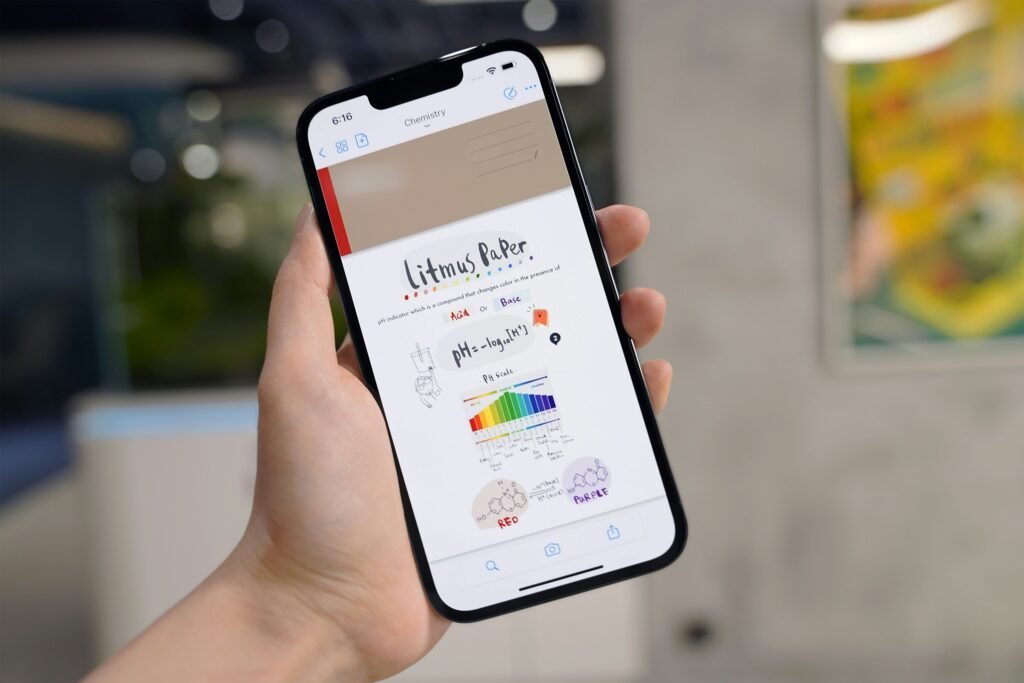
One of the most commonly used pH indicators is litmus paper. This indicator is available in two colors: red and blue. Litmus paper turns red in acidic solutions and blue in alkaline solutions, making it a straightforward method for identifying whether a solution is acidic or basic. However, litmus does not provide detailed information about the pH value; it merely indicates the presence of acidic or basic properties.
Another popular pH indicator is phenolphthalein. This indicator is typically colorless in acidic solutions but turns pink as the pH reaches around 8.2 and above, indicating a shift towards alkalinity. Phenolphthalein is frequently used in titration processes to identify the endpoint when the acid and base neutralize each other. Its clarity and ability to provide a stark visual change make it an ideal choice for many laboratory settings.
Universal indicators are another type of pH indicator, used to determine the pH over a wide range. These indicators contain a blend of different dyes that produce various colors depending on the pH level of the solution being tested. Universal indicators are particularly valuable in educational laboratories and experiments because they offer a color guide that correlates specifically with pH values, thus allowing for a more precise determination.
In addition to these, other types of indicators like methyl orange and bromothymol blue serve specific purposes in various chemical reactions. Each type of pH indicator suitable for specific contexts highlights the diversity of choices available, enabling accurate monitoring of acid-base reactions across different applications.
Litmus Paper: A Classic Indicator
Litmus paper, a well-known pH indicator, has been a staple in laboratories and educational settings for decades. It is traditionally made from natural dyes derived from lichens, which exhibit specific color changes in response to the acidic or basic nature of a solution. The primary function of litmus paper is to determine the acidity or alkalinity of a substance, making it a vital tool in both scientific research and practical applications.
The color changing property of litmus paper is one of its most significant characteristics. When exposed to acidic solutions, typically with a pH below 7, litmus paper turns red. Conversely, in basic solutions, with a pH above 7, it shifts to a blue hue. This immediate visual representation allows users to gauge the pH level of liquids quickly and effectively. It’s noteworthy that litmus paper does not provide a precise numerical pH value; instead, it categorizes solutions into acidic or basic, which can be sufficient for many common tasks.
Among its various uses, litmus paper is prominently utilized in educational laboratories to demonstrate the concept of acidity and alkalinity. Students can observe the color change firsthand when testing various household substances, such as vinegar or baking soda, reinforcing their understanding of chemical properties. Additionally, litmus paper finds utility in the field of agriculture, as farmers use it to monitor soil pH levels to optimize plant growth. Furthermore, in the food industry, litmus paper serves as a quick check for food products’ acidity levels, ensuring quality control during production.
In summary, litmus paper remains a classic pH indicator due to its straightforward design and reliability in determining the acidity or basicity of solutions. Its enduring presence in multiple fields underlines its effectiveness and the significance of understanding pH levels in diverse applications.
Pphenolphthalein: Features and Uses
Pheonolphthalein serves as a quintessential pH indicator widely recognized for its unique properties and versatility in various applications. In aqueous solutions, phenolphthalein is colorless in both acidic and neutral environments. This characteristic makes it particularly useful for distinguishing between acidic conditions and neutral or basic conditions. Its transition from a colorless solution to a vibrant pink hue is one of the most employed features in titration experiments, especially when determining the endpoint of acid-base reactions.
When the pH of a solution exceeds approximately 8.2, phenolphthalein begins to exhibit a noticeable color change, evolving into a pink solution. This shift is a result of the ionization of the phenolphthalein molecule, which occurs in basic environments. The striking change in coloration not only serves as a clear visual indicator but also allows scientists and researchers to accurately ascertain the pH level of a solution through qualitative analysis.
Phenolphthalein is commonly utilized in laboratory settings, particularly in titration procedures involving strong acids and strong bases. Its effectiveness is most pronounced in analyzing solutions where precise pH levels need to be monitored. In addition to laboratories, phenolphthalein finds applications in various educational environments, helping students understand the concept of pH indicators and the principles of acid-base chemistry.
Moreover, beyond educational and laboratory use, phenolphthalein is also frequently involved in various industrial processes, such as water treatment, where maintaining a specific pH range is crucial. Its reliability as a pH indicator makes it a favored choice among professionals aiming to ensure optimal chemical environments across numerous fields.
Universal Indicator: The Spectrum of pH
A universal indicator is a critical tool used in chemistry to determine the pH level of various solutions. It is a mixture of several different pH indicators that exhibit a spectrum of colors depending on the acidity or alkalinity of the solution being tested. The range of colors produced by a universal indicator allows for a visual representation of pH levels, which can vary greatly, typically from 0 to 14. This feature makes universal indicators quite valuable in various scientific and industrial applications.
The functionality of a universal indicator is based on the principles of acid-base chemistry. When introduced to an aqueous solution, the compounds within the indicator undergo ionization, which causes a change in the color of the solution. For instance, in acidic conditions (low pH), the indicator might exhibit a bright red color, while in neutral conditions (around pH 7), it may transform to yellow or green, and in basic conditions (high pH), it can shift towards blue or even violet. This diverse range of colors enables researchers and practitioners to gauge pH levels rapidly and accurately.
The significance of using a universal indicator lies in its ability to measure the entire pH scale. This comprehensive capability is particularly important in educational settings, environmental monitoring, agriculture, and various scientific experiments. By understanding the precise pH level of a solution, chemists and biologists can deduce crucial information about chemical processes, biological functions, and the overall health of ecosystems. A ph indicator, especially in its universal form, provides insights that might be elusive without such a tool.
In conclusion, the universal indicator serves as a vital resource for understanding pH levels across a broad spectrum, ensuring that accurate measurements can be made to facilitate numerous scientific endeavors and practical applications.
DIY pH Indicator: Red Cabbage Juice
Creating a natural pH indicator using red cabbage juice is a straightforward process that can be both educational and practical. Red cabbage contains a pigment called anthocyanin, which changes color when it comes into contact with acids or bases, making it an excellent natural pH indicator.
To begin, gather the necessary materials. You will need a head of red cabbage, water, a knife, and a pot. First, chop the red cabbage into small pieces to increase the surface area, allowing for better extraction of the pigment. Place the chopped cabbage in a pot and add enough water to cover it completely. Bring the mixture to a boil, then reduce the heat and let it simmer for about 30 minutes. During this time, the water will extract the anthocyanins from the cabbage leaves, resulting in a vibrant purple liquid.
After simmering, strain the liquid into a clean container and allow it to cool. This cold liquid is your red cabbage juice pH indicator. Its initial color is purple, which serves as a neutral indicator at a pH level around 7. When you introduce various solutions to this natural indicator, you will observe distinct color changes. For example, when the red cabbage juice is added to an acidic solution, such as vinegar (with a pH less than 7), it transitions to a pink or red color. Conversely, when it encounters a basic solution like baking soda, the color shifts to green or even yellow, depending on the pH level.
Utilizing a red cabbage juice pH indicator provides an eco-friendly alternative for testing pH in various substances. This method not only demonstrates basic chemistry principles but also encourages sustainable practices by using a readily available natural resource. By understanding how this natural pH indicator works, anyone can perform simple experiments to explore acidity and alkalinity safely and sustainably.
Conclusion: The Importance of pH Indicators
pH indicators play a crucial role in scientific inquiry and education, serving as essential tools for measuring the acidity or alkalinity of solutions. Their significance extends beyond the confines of laboratory settings, impacting various fields such as chemistry, biology, and environmental science. In chemistry, pH indicators are vital for titrations and other experiments, allowing scientists to determine the endpoint of a reaction based on the color change associated with different pH levels.
In biological research, understanding the pH of solutions is fundamental to studying various physiological processes. For instance, many biochemical reactions are highly pH-sensitive, and deviations from optimal ranges can affect enzyme activity and overall cellular function. Utilizing pH indicators aids in ensuring that biological experiments and processes occur under the correct conditions, thus enhancing the accuracy and reliability of experimental outcomes.
Furthermore, pH indicators have significant applications in environmental science. Monitoring the pH of soil and water is essential for assessing ecosystem health and identifying pollution sources. For example, the pH of aquatic environments can influence nutrient availability and the toxicity of certain substances, impacting aquatic life. By employing pH indicators, environmental scientists can gather data that informs conservation efforts and enables effective management of natural resources.
Overall, the importance of pH indicators extends into practical applications that benefit scientific research, education, and environmental management. As we continue to understand and explore the intricacies of various biological and chemical systems, the role of pH indicators remains indispensable for ensuring precise measurements and interpretations. Their ability to convey critical information about acidity and alkalinity makes them essential tools for scientists and educators alike, bridging theory with practical application in a multitude of settings.

We create powerful, insightful content that fuels the minds of entrepreneurs and business owners, inspiring them to innovate, grow, and succeed.