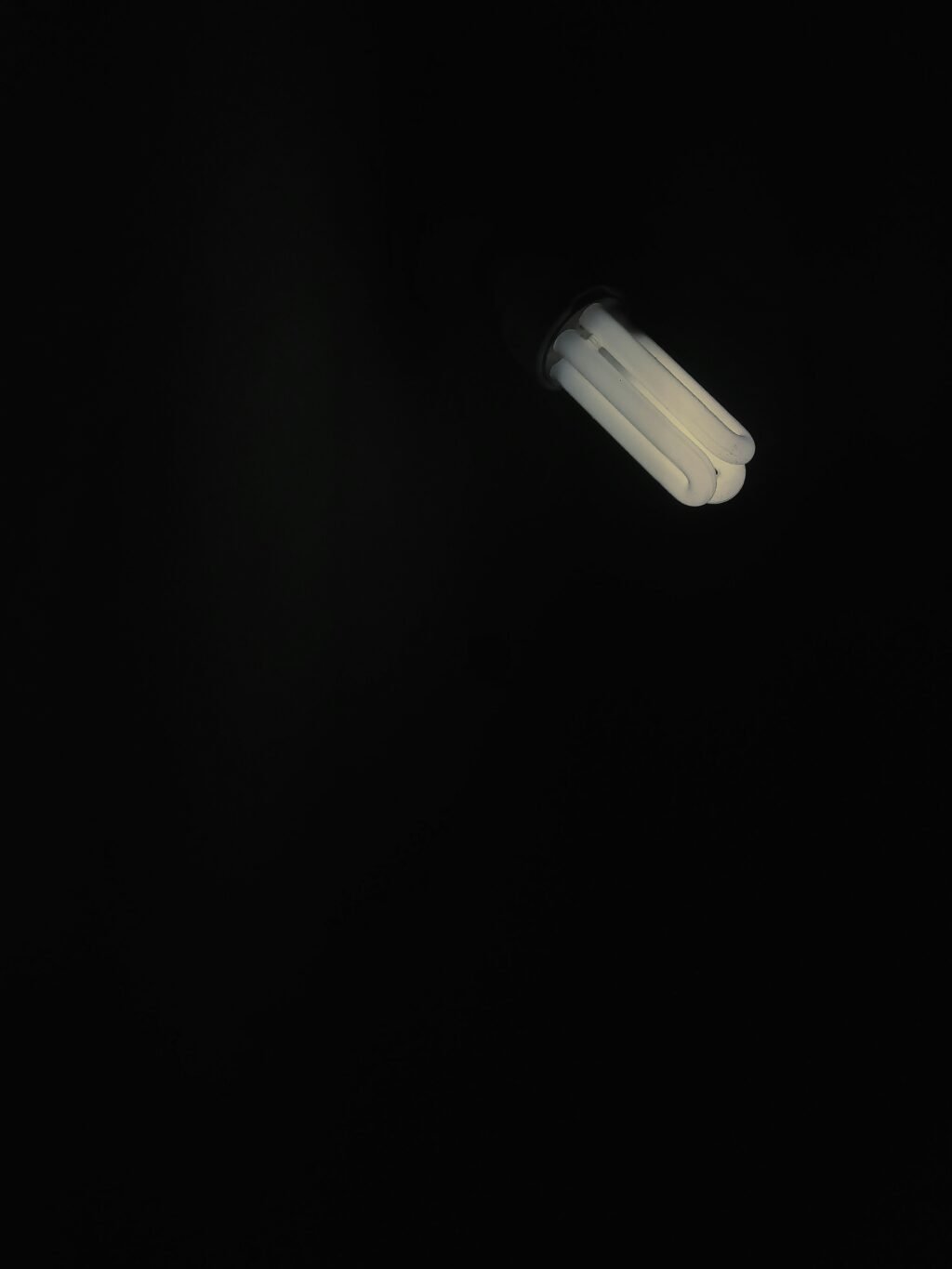
Black Lights Unveiling the Invisible And its wonders
Understanding Black Light Technology
Black light technology operates primarily on the emission of long-wave ultraviolet (UV-A) radiation, which falls outside the visible spectrum of light. The design of a black light lamp incorporates a special phosphor coating on the inside of the glass bulb that absorbs the UV radiation produced by the lamp and re-emits it as visible light, although in minimal amounts. This process effectively makes surrounding areas appear illuminated while causing other materials to fluoresce in vibrant colors, often adding a striking visual effect.
The basic functioning of the black light lamp contrasts significantly with traditional lighting, such as incandescent bulbs. Unlike standard bulbs that generate light through the heating of a filament, which emits a broad spectrum of visible light along with unnecessary heat, black lights specifically focus on creating UV-A radiation. This feature allows for the illumination of fluorescent materials without overpowering visible light interference, making them ideal for purposes like artistic displays, poster highlights, or the detection of certain substances in forensic science.
In essence, black lights contribute to a unique atmospheric experience, especially in environments designed for entertainment or education. The fundamental principle behind their operation lies in the selective filtering of light, enabling individuals to observe phenomena that would otherwise go unnoticed under conventional lighting. As a result, black light technology does not simply enhance visibility; it unveils a hidden spectrum of colors and patterns that captivate and inform its audience.
This specialized form of lighting serves a variety of practical applications, including in pest control, security checks, and art exhibitions, further extending the versatile utilization of the black light beyond mere visual appeal. Understanding the underlying technology aids in appreciating the significance of black lights in both day-to-day life and specific professional fields.
The Invisible Light Spectrum
The concept of invisible light revolves around the spectrum of electromagnetic radiation that our eyes cannot perceive. Among this spectrum are various types of rays, including ultraviolet (UV) light, specifically UV-A waves, which play a crucial role in the black light phenomenon. The electromagnetic spectrum encompasses all types of light, ranging from gamma rays, through visible light, to infrared rays, and ultimately includes the UV wavelengths, which are invisible to the human eye yet have significant effects.
UV-A waves exhibit wavelengths between 320 to 400 nanometers, and despite their invisibility, they are widely recognized for their effects, particularly in applications such as black lights. The reason humans cannot perceive UV-A light has to do with the anatomical structure of our eyes, specifically the cone photoreceptors that are tuned to detect only the visible spectrum of light, which ranges from approximately 380 to 750 nanometers. This selective sensitivity means that while our eyes respond vigorously to visible wavelengths, they remain blind to UV-A rays.
Understanding light wavelengths is essential for comprehending the impact of black lights. In various fields, from artistic endeavors to health and safety applications, the use of black lights reveals hidden properties of objects that are otherwise unnoticeable under standard lighting. For instance, fluorescent materials can absorb UV-A light and re-emit it as visible light, creating stunning visual effects. This intriguing aspect of UV-A is what makes black light technology fascinating and highly applicable in numerous scenarios, ranging from artistic performances to scientific examinations.
In conclusion, the exploration of the invisible light spectrum, and specifically UV-A waves, illustrates the limitations of human perception. The combination of our visual system’s capabilities and the unique characteristics of different light wavelengths opens up new avenues for understanding both natural and artificial phenomena. By harnessing the properties of black light, we can transcend conventional visual boundaries and enhance our comprehension of the invisible aspects within our environment.
The Glow Effect: How Phosphors Work
The phenomenon of glowing under a black light is primarily due to the presence of substances known as phosphors. These phosphors are materials that can absorb ultraviolet (UV) energy emitted by black lights and subsequently re-emit this energy as visible light, thus creating a luminous effect. This process is known as photoluminescence, and it plays a crucial role in various applications, from artistic displays to safety signage.
When UV light interacts with a phosphorescent material, the electrons within the atoms of that material absorb the energy, thereby elevating them to a higher energy state. This excited state is temporary; consequently, when the electrons return to their original state, they release energy in the form of visible light. Different phosphors have distinct capabilities regarding the wavelength of UV light they can absorb and the color of visible light they subsequently emit. This variability can lead to a diverse array of colorful effects under a black light.
Phosphors can be organic or inorganic compounds. Inorganic phosphors, such as zinc sulfide or strontium aluminate, are often employed in glow-in-the-dark applications. Organic phosphors, meanwhile, are frequently used in fluorescent paints and dyes. The efficiency and duration of the glow effect can also vary significantly depending on the specific phosphor used; some materials offer a rapid glow that fades quickly, while others have the ability to store energy and emit light over a longer period.
Overall, the interaction of ultraviolet light with phosphors not only demonstrates a fascinating chemical phenomenon but also serves practical uses in industries ranging from entertainment to safety. Understanding how these materials function under a black light can enhance our appreciation for both science and the aesthetic experiences created by their glow.
Types of Black Light Bulbs
Black lights are essential tools for various applications, from art and design to scientific research and entertainment. These lights illuminate fluorescent materials, revealing patterns and colors that are otherwise invisible in typical lighting. There are several types of black light bulbs available in the market, each with its unique characteristics, advantages, and disadvantages.
One of the most common types is the incandescent black light bulb, which utilizes Wood’s glass filters to block out most visible light. This type of bulb is often favored for its warm glow and the aesthetic ambiance it creates. However, these bulbs have a relatively short lifespan and convert a significant amount of energy into heat, making them less energy-efficient compared to newer technologies.
Another popular option is fluorescent black light tubes. These bulbs emit UV radiation and are often used in professional settings, such as theatres and nightclubs. They offer a brighter output than incandescent options and have a longer lifespan. However, they may require additional fixtures for installation, and their glass can be fragile, posing potential breakage risks in certain environments.
The third category includes LED black lights, which have gained popularity in recent years due to their energy efficiency and longevity. LED black lights consume significantly less power than their incandescent and fluorescent counterparts while providing intense UV light that is effective for various applications. Despite these advantages, some users have reported that LED black lights may not be as effective in revealing certain fluorescent materials, depending on the specific wavelengths they emit.
In conclusion, when choosing between different types of black light bulbs, it is important to consider factors such as energy efficiency, output intensity, and application requirements. Understanding the pros and cons of incandescent, fluorescent, and LED black lights can help users select the most suitable option for their needs.
Applications in Forensics
Black lights, or ultraviolet (UV) lights, play a pivotal role in forensic science, particularly in crime scene investigations. Their ability to illuminate bodily fluids, such as blood and urine, which are typically invisible to the naked eye, has made them an essential tool for law enforcement professionals. The unique properties of black light allow forensic experts to quickly assess crime scenes, enhancing the detection of crucial evidence.
One of the remarkable applications of black lights in forensics is in the detection of bloodstains. Even when diluted or cleaned, trace amounts of blood may remain at a crime scene. When exposed to a black light, these stains fluoresce, thereby helping investigators locate and identify potential evidence that could otherwise go unnoticed. Consequently, it plays a vital role in piecing together the events surrounding a crime.
In addition to blood, black lights are also effective in revealing other bodily fluids such as urine, saliva, and even certain types of biological materials that might be present at a crime scene. For instance, forensic experts may use a black light to locate urine deposits, which can provide information regarding the activities that took place in a particular area. Case studies demonstrate instances where black light applications have resolved critical investigations, unveiling otherwise hidden evidence.
Moreover, the use of black lights extends beyond just bodily fluids. They are instrumental in detecting altered documents, such as forged identification and false currency, which often contain UV-reactive inks. By employing black light technology, forensic investigators can authenticate or identify such materials, thereby ensuring the integrity of evidence presented in court.
In conclusion, the application of black lights in forensic science is a game changer. By enabling the visualization of evidence that is not visible under normal lighting conditions, black light technology significantly enhances the capabilities of law enforcement agencies in crime scene investigations, contributing to the pursuit of justice.
Home Cleaning Hacks with Black Lights
The use of black lights, or UV lights, has gained popularity among pet owners as an effective tool for identifying hidden stains in carpets and upholstery. Pets, especially cats and dogs, can leave behind messes that are not easily visible to the naked eye. These stains often contain proteins and enzymes that emit fluorescence when exposed to a black light, revealing their presence and aiding in thorough cleaning.
To utilize a black light for home cleaning, pet owners should first ensure that they have a reliable UV flashlight. It is best to conduct the inspection in a dark room, as this enhances the visibility of any stains. When the black light is turned on, areas of the carpet or upholstery may glow where pet urine, vomit, or other substances are present. This process allows pet owners to effectively target specific areas that require cleaning, saving both time and effort.
Once the stains have been identified, treating them promptly is essential. Many cleaning solutions are designed to break down the compounds in pet stains, rendering them easier to remove. Using a combination of enzymatic cleaners and steam cleaning techniques can help in eliminating these spots entirely. The use of a black light not only aids in finding old stains but also helps in preventing permanent damage to carpets and upholstery.
In addition to stains, a black light can also uncover other hidden allergens and pollutants in the home, such as dust mites or mold. Regularly checking and cleaning these areas not only improves the cleanliness of one’s living space but also contributes to a healthier environment for both pets and their owners.
By incorporating black lights into home cleaning routines, pet owners can enhance their cleaning efforts significantly. This innovative approach ensures that the entire home remains fresh and free from hidden pet stains, ultimately contributing to a more pleasant living space.
Safety and Security Features
Black lights serve an essential role in enhancing safety and security measures, especially in contexts requiring the detection of invisible elements. The primary function of black lights, often found in security applications, is to reveal hidden security inks that are otherwise imperceptible to the naked eye. These security inks are commonly used on official documents, including passports, identification cards, and banknotes, as a deterrent against counterfeiting and fraud.
The effectiveness of black lights in this capacity stems from the ultraviolet (UV) light they emit, which causes specific materials to fluoresce. For instance, many currencies feature fluorescent markings that become visible only under UV light. This feature is pivotal for law enforcement officers, bank tellers, and other professionals tasked with verifying the authenticity of documents and currency. By employing black light technology, security personnel can efficiently discern counterfeit bills or fraudulent documents, thus reducing the risk of illicit activities.
In addition to identifying hidden inks, black lights are also integral to various security measures employed by event organizers and venues. For instance, black light technology is often utilized in ticket scanning processes, where tickets may contain UV-reactive elements that indicate their authenticity. Furthermore, black light installations can be found in environments such as museums and galleries, where they help protect valuable artifacts by permitting only authorized personnel to access certain areas, thus enhancing overall security.
The underlying technologies that power black lights have evolved significantly over the years. Modern black lights now utilize LED technology, which not only increases their efficiency and lifespan but also ensures a more consistent output of UV light. Consequently, users can rely on these advanced black lights for precise and effective detection of invisible security features. By employing current technologies, security measures become even more robust and reliable, making black lights an indispensable tool in protecting valuable assets and maintaining the integrity of official documentation.
The Entertainment Value of Black Lights
Black lights, also known as ultraviolet (UV) lights, have become iconic in the realm of entertainment, especially in settings that embrace vibrant aesthetics. Their ability to illuminate fluorescent materials contributes to an unforgettable visual experience, making them a staple at parties, art exhibits, and concerts. The unique effect of black light not only highlights certain colors but also transforms ordinary environments into spectacular, immersive landscapes.
One of the most captivating applications of black lights is in neon artwork. Artists often use black light to create visually striking pieces that respond dramatically under UV illumination. These artworks, featuring pigments that glow in the darkness, enthrall viewers and create a distinct ambiance that is electric and intriguing. Exhibits illuminated by black light invite audiences to engage with the artwork in a novel way, essentially revealing layers that would otherwise remain hidden.
The utilization of black lights extends beyond art into the domain of fashion and themed parties. Glow-in-the-dark paint plays a significant role in party decorations, body art, and dance floors, providing an atmosphere charged with vibrant energy. Guests adorning themselves in trendy outfits complemented by glow-in-the-dark accessories create a visually stunning spectacle, enhancing the overall vibe. From fluorescent accessories to bright costumes, black lights add depth to the celebratory atmosphere, inviting creativity and expression.
In addition, black lights are often employed at special events like Halloween or glow parties, where they enhance the thrill of the occasion. Participants are encouraged to wear neon colors or glow-in-the-dark products, adding an interactive layer that fosters participation and enthusiasm. Ultimately, the allure of black lights lies in their capacity to transform ordinary gatherings into extraordinary experiences, resonating seamlessly with entertainment culture.
Conclusion: The Multifaceted Uses of Black Lights
In reviewing the numerous applications of black lights throughout various fields, it becomes evident how significant they are in modern society. The utilization of black light technology encompasses forensics, where it aids in revealing hidden evidence such as bodily fluids and other substances that are otherwise invisible to the naked eye. This heightened visibility is crucial for criminal investigations, allowing for a more thorough examination of crime scenes.
Additionally, black lights play a vital role in cleaning processes. Many cleaning professionals leverage the power of ultraviolet (UV) light to expose contaminants and biohazards that may not be easily detected through conventional methods. The effectiveness of black lights in identifying these hidden areas of concern makes them an invaluable tool in maintaining hygiene and safety in various environments, including hospitals and food processing facilities.
Furthermore, the security sector benefits immensely from the integration of black light technology. It is frequently used in identity verification and document authentication; the unique markings visible under a black light help to combat counterfeiting and fraud. This aspect of black light utilization not only enhances security measures but also instills confidence in various transactions.
In the realm of entertainment, such as in theatrical performances and art displays, black lights create captivating visual effects that intrigue audiences. The use of fluorescent materials under black light provides a unique aesthetic that transforms ordinary experiences into extraordinary ones. From art galleries to nightlife venues, black lights enhance the ambiance and viewer engagement.
Overall, the multifaceted uses of black lights extend across several industries, highlighting their importance in forensics, cleaning, security, and entertainment. The ability of black lights to unveil the invisible not only enhances functionality in these areas but also enriches our understanding of the materials and environments around us. As technology continues to evolve, it is likely that new applications for black lights will emerge, further demonstrating their versatility and utility in our daily lives.

We create powerful, insightful content that fuels the minds of entrepreneurs and business owners, inspiring them to innovate, grow, and succeed.