How Smart Storage Solutions Help Create More Functional Spaces
Smart storage makes your rooms feel bigger without adding a single square meter. By matching containers to routines and using every quiet corner, you can cut visual noise and speed up daily tasks. Start small, fix one pinch point at a time, and let each win guide the next move.
Start With Your Natural Traffic Patterns
Watch how you already move through the day. Where do you drop the mail, charge a phone, or change shoes? The answers show you where storage should live. Place solutions where habits already exist so the system works even when you are tired.
Add a slim console by the entry for keys and sunglasses. Tuck a tray inside for loose coins and spare cords. A basket by the door can catch library books or returns, so they actually leave the house.
In the living area, create micro-zones at the edges of activity. A magazine file beside the sofa keeps reading tidy. A small crate under a side table can hold throw blankets without hogging floor space.
Build Into Unused Nooks
Shallow spots often beat big furniture. Inside wall cavities, under stairs, and over doorways, thin shelves deliver serious utility without crowding. Keep depths modest so items stay visible and reachable.
A respected renovation source notes that hidden pockets behind or between walls can host cubbies and cupboards when freestanding pieces will not fit. This kind of surgical storage works well in tight halls and loft rooms because it steals from air space, not from walking paths.
Finish built-ins with uniform bins and clear labels. The consistent look makes small add-ons feel designed, not improvised. Use soft-close hinges and low-profile pulls to keep noise and snags down.
Zone And Container Method
Give every room a few simple zones based on real tasks. A media zone, a reading zone, and a hobby zone are often enough. Choose a container type for each zone, so things have a clear home.
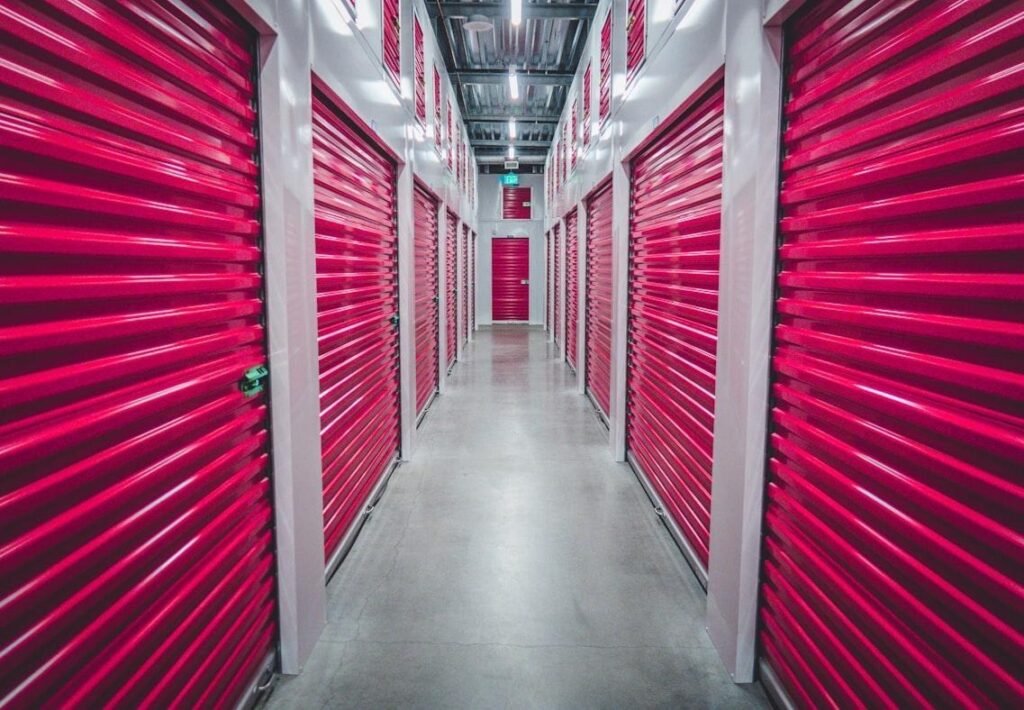
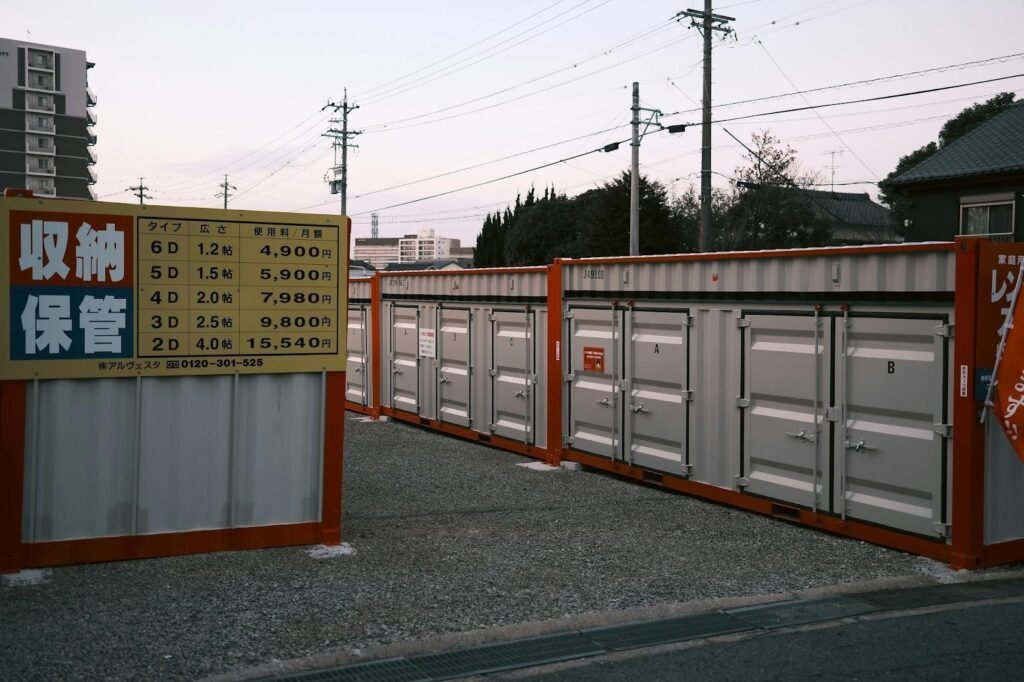
This is also the place to plan overflow. Many households benefit from household storage in Carrara when seasonal or bulky gear pushes past indoor capacity. Keep daily tools near where you use them, then move extras to second-line storage. The split prevents everyday areas from turning into long-term parking.
Refresh zones as life changes. If a new hobby appears, upgrade one shelf rather than redoing the whole room. When a habit fades, retire the container and reassign the space.
Make Vertical Space Work
- Add a second hanging rail in wardrobes to double the capacity
- Use floating shelves above doors for rarely used items
- Mount a pegboard for modular hooks, cups, and small shelves
- Install over-door racks to store cleaning and laundry tools
- Clip-on shelf dividers keep folded stacks from slumping
- Rail systems with interchangeable hooks manage bags and headphones
Modular Pieces That Adapt
Pick storage that can move with you. Cubes, adjustable shelving, and rolling carts shift from bedroom to office with almost no effort. Label the container, not the shelf, so reassignment stays clean.
Use a core-and-cache plan. Daily items live at arm height in open bins for one-step access. Backups and bulk supplies go higher, lower, or outside the room so the main area stays calm.
Protect your future time. Choose bins that wipe clean and sizes that match standard shelves. When parts are easy to replace, you can expand without starting from zero.
Plan For Seasonal And Bulky Items
Not everything needs a prime spot all year. Offload duvets, camping kits, and holiday decor to weather-tight totes. Vacuum bags shrink textiles so they slide under beds or stack neatly.
A recent industry outlook reported steady growth in Australia’s self-storage market, which points to rising demand for flexible off-site space. That trend supports a simple rule of thumb: keep daily rooms clean, and move long-cycle items to secondary storage to preserve function. Treat this as a seasonal swap, not a forever stash.
Create a check-in calendar. At the change of each season, rotate items and purge what no longer fits or works. A 20-minute review prevents creep and keeps your categories honest.
Design For Easy Reset
If you cannot see it, you will not use it. Favor clear fronts, mesh baskets, and shallow shelves that show contents at a glance. Big, simple labels make it easy for everyone to put things back.
Aim for one-step actions. One motion to open, one to store, one to close. Lids are great for dust, but skip them where speed matters.
Leave one open slot per room. This intentional buffer absorbs short-term overflow during busy weeks. When the slot fills, it is your cue to reset or relocate items.
Smart storage is not about hiding your life. It is about removing friction so you can focus on what you actually do each day. Start with the pinch points, build momentum, and let your space work as hard as you do.

We create powerful, insightful content that fuels the minds of entrepreneurs and business owners, inspiring them to innovate, grow, and succeed.