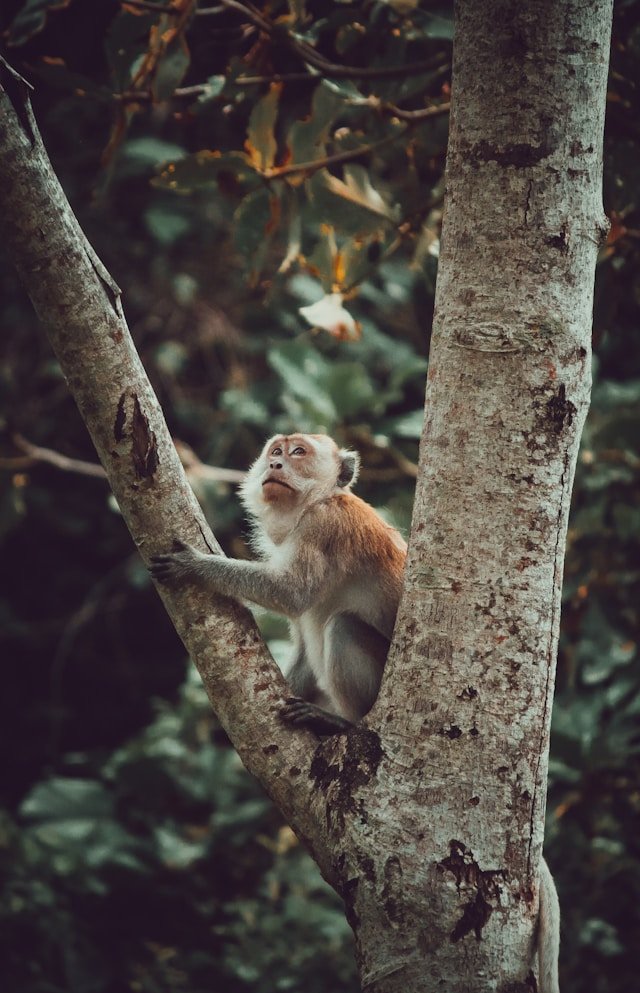
Costa Rica ecological tourism — howler monkey in cloud forest canopy, Monteverde
Last updated: April 2026. Written for eco-travelers who want more than a listicle.
Costa Rica covers just 0.03% of the Earth’s surface. It shelters more than 6% of the world’s total biodiversity. Somewhere in those two numbers lives the most remarkable ecological story in the Western Hemisphere — and the reason that the concept of “ecotourism” was essentially invented here.
But in 2026, the word “ecotourism” has been hollowed out by overuse. Almost every resort in the country now puts “eco” in its name. Bus companies call their transfers “green.” Tour operators badge themselves sustainable without a shred of certification. The traveler who actually cares about doing this right — who wants wildlife encounters that don’t harm animals, lodges that genuinely give back to local communities, and national park visits that don’t accidentally fund the problems they’re trying to solve — needs a guide that cuts through the marketing.
This is that guide. It covers the verified framework that makes Costa Rica’s ecological tourism system work, where it succeeds, where it falls short, and exactly how to travel it in a way that leaves the country better than you found it.
Before you plan your route: The weather dramatically affects which ecological destinations are viable and when. Our Best Time to Visit Costa Rica 2026 breaks down seasonal timing for every major eco-zone. For coast-specific wildlife, see the Caribbean vs Pacific Coast guide.
What Makes Costa Rica the World’s Ecotourism Capital
The story starts in the 1980s, when Costa Rica faced the world’s highest deforestation rate. Between 1950 and 1985, the country lost roughly 80% of its primary forest. The government and a coalition of international conservationists made a radical bet: turn the remaining forest into an economic asset rather than just a protected liability. They created a national park system, invited researchers, and began building the infrastructure for nature-based tourism.
It worked. Today, approximately 29% of Costa Rica’s total land area is protected in some form — national parks, biological reserves, wildlife refuges, and indigenous territories. The country has reforested over 3 million hectares since the 1990s. Forest cover has more than doubled since its lowest point. And ecotourism accounts for roughly $4 billion USD per year in revenue — more than bananas, pineapples, or coffee. Conservation became the most profitable land use in the country.
The Numbers That Matter in 2026
| Metric | Data |
|---|---|
| Total protected land area | ~29% of national territory |
| Number of national parks | 29 national parks |
| Biological reserves | 8 |
| Wildlife refuges | 58 |
| Total species of birds | 940+ (more than all of North America) |
| Total mammal species | 250+ |
| Amphibian species | 200+ |
| Total visitor arrivals (2024) | ~2.9 million international tourists |
| Ecotourism revenue contribution | ~$4 billion USD/year |
| CST-certified tourism businesses | 387 (as of early 2026) |
| Carbon neutrality target | Ongoing — net zero ambition |
Sources: Sistema Nacional de Áreas de Conservación (SINAC), Costa Rica Tourism Board (ICT), World Bank.
The CST System: The Only Certification That Actually Matters
The single most important piece of information any eco-traveler can have before booking in Costa Rica is this: the Certification for Sustainable Tourism (CST) is the government-backed, internationally recognized system that actually distinguishes real ecological operators from greenwashers.
Administered by the Instituto Costarricense de Turismo (ICT), the CST rates tourism businesses on a 1–5 leaf scale across four domains: the physical-biological environment, the service management infrastructure, interaction with clients, and interaction with local communities and culture. A business cannot simply buy the certification — it must pass periodic audits.
What CST certification actually means:
- 1–2 Leaves: The business has taken basic steps toward sustainability but has significant gaps.
- 3 Leaves: Solid sustainable practices in most categories. A reasonable choice.
- 4–5 Leaves: Exceptional commitment. These are the lodges and operators that genuinely set the standard.
The ICT publishes the full, searchable list of certified businesses at turismo-sostenible.co.cr. Always check this list before booking. Many businesses claim certification without actually holding it.
The certification gap: As of early 2026, only 387 businesses hold CST certification out of the thousands operating in the country. This means most “eco” tourism businesses in Costa Rica are self-declared — unverified and unaudited. The gap between marketing and reality is wide.
Costa Rica’s Ecological Zones: A Traveler’s Framework
Most visitors think of Costa Rica as a single type of jungle. In reality, the country contains twelve distinct ecological life zones, each with different wildlife, vegetation, altitude, and visitor experience. Understanding these zones is the difference between a generic “rainforest trip” and a genuinely targeted ecological experience.
| Life Zone | Key Locations | Signature Species | Best Months |
|---|---|---|---|
| Tropical Dry Forest | Santa Rosa NP, Guanacaste | Howler monkeys, white-tailed deer, dry-season birds | Dec–Apr |
| Tropical Moist Forest | Carara NP, lower Manuel Antonio | Scarlet macaws, white-faced capuchins | Year-round |
| Tropical Wet Forest (Lowland) | Tortuguero, Caribbean lowlands | Green sea turtles, caimans, manatees, river otters | Jul–Oct peak |
| Tropical Wet Forest (Pacific) | Corcovado, Osa Peninsula | Tapirs, pumas, harpy eagles, 4 monkey species | Dec–Apr (dry) |
| Pre-montane Wet Forest | Monteverde lower slopes | Resplendent quetzal, glass frogs, coatis | Dec–May |
| Lower Montane Cloud Forest | Monteverde, Cerro de la Muerte | Quetzals, three-wattled bellbirds, hummingbirds | Jan–May |
| Upper Montane Forest | Chirripó, Talamanca range | Pumas, tapirs, rare highland birds | Dry season |
| Páramo (subalpine) | Chirripó summit | Unique highland flora, volcanic landscape | Feb–Apr |
| Mangrove Systems | Gulf of Nicoya, Sierpe, Terraba | Crocodiles, herons, snook, black-necked stilts | Year-round |
| Coral Reef / Coastal | Cahuita NP, Isla del Caño | Hawksbill turtles, rays, snapper, moray eels | Caribbean: Sep–Oct |
| Freshwater Wetlands | Caño Negro, Palo Verde | Jabiru storks, anhinga, American crocodiles | Dec–Apr |
| Volcanic Landscape | Arenal, Poás, Irazú, Turrialba | Unique thermal flora, raptors | Year-round |
The 8 Best Ecological Destinations in Costa Rica (Ranked by Ecological Significance)
These rankings are based on biodiversity richness, conservation status, quality of visitor experience, and the degree to which tourism revenue directly funds conservation — not on popularity or infrastructure comfort.
1. Corcovado National Park — The Crown Jewel
National Geographic famously called Corcovado “the most biologically intense place on Earth.” The superlative is justified. Located on the remote Osa Peninsula in the southwest Pacific, Corcovado is home to all four Costa Rican monkey species (howler, white-faced, spider, and squirrel) in the same forest. It harbors the country’s largest population of Baird’s tapir, healthy jaguar and puma populations, harpy eagles (one of the world’s largest raptors), and the iconic scarlet macaw.
What makes Corcovado ecologically distinct: Unlike most accessible parks, Corcovado has no roads inside its boundaries. You enter on foot or by boat. The ranger-guide requirement (all visitors must hire a certified local guide through SINAC’s booking system) is not optional — it directly employs the local communities that historically depended on hunting and logging. The park’s isolation has protected it from the mass-tourism pressures that have diluted other protected areas.
Practical notes for 2026: Entry requires advance booking through the SINAC reservation system (reservations.sinac.go.cr). The four ranger stations — San Pedrillo, Los Patos, La Leona, and Sirena — offer overnight camping at Sirena, the most interior and biodiverse station. Sirena requires a boat or 22km hike to reach; plan this seriously. Guides must be certified by the Sistema de Registro de Guías de Turismo. Expect to pay $15–20 USD park entrance plus $50–100 USD for a half-day guided experience.
The detail other guides miss: The Osa Peninsula surrounding Corcovado is itself a biological corridor of extraordinary importance. The Corcovado Foundation works with buffer-zone landowners to maintain connectivity. Choosing a lodge that partners with the Foundation means your accommodation dollars actively fund this corridor work.
2. Tortuguero National Park — The Sea Turtle Capital of the Atlantic
Tortuguero’s name comes from tortuga — turtle. The park protects the most important nesting beaches for Atlantic green sea turtles in the entire Western Hemisphere. Between July and October, thousands of females haul themselves ashore at night to nest; Tortuguero’s ranger-supervised nighttime turtle tours are among the most powerful wildlife experiences available anywhere on Earth.
The canal system that defines Tortuguero is ecologically unique. Over 100km of natural and man-made waterways through pristine lowland rainforest shelter caimans, river otters, manatees (look at dusk near aquatic vegetation), three-toed sloths, freshwater turtles, and extraordinary birdlife including the great green macaw, a critically endangered species with its last stronghold here.
What’s changed in 2026: The Sea Turtle Conservancy (STC), which has operated the world’s longest-running sea turtle research station in Tortuguero since 1959, now offers integrated research-and-tourism programs that let visitors participate in actual tagging and monitoring data collection. This is genuine citizen science, not theater. The STC’s green turtle population data is cited in international conservation literature — your visit contributes to it.
The detail other guides miss: Tortuguero has two distinct seasons within the park. The turtle nesting season (July–October) is the wildlife highlight. But February–March is arguably better for canal wildlife — drier conditions concentrate animals near water, manatee sightings increase, and there are far fewer tourists. Budget travelers particularly benefit from the February shoulder window.
3. Monteverde Cloud Forest Reserve — The Ecological Benchmark
Monteverde is where modern ecotourism was arguably born. The reserve was established in 1972 by a coalition of Quaker settlers (who arrived from Alabama in 1951 seeking a peaceful, non-military country) and scientists from the Tropical Science Center. The original Monteverde Cloud Forest Reserve has since been surrounded by additional protected areas — Santa Elena Reserve, Curi-Cancha — creating a mosaic of cloud forest protection across 35,000+ acres.
The cloud forest life zone is defined by persistent mist, which feeds the epiphytes — bromeliads, orchids, mosses — that drape every branch. The resplendent quetzal, one of the most sought-after birds on Earth, is reliably spotted in Monteverde from January through May during mating season. The reserve protects over 400 bird species, 100 mammal species, and 1,200 amphibian and reptile species.
The canopy access question: Monteverde popularized the suspension bridge as an eco-tourism tool, and the original Skywalk system here is genuinely excellent — allowing visitors to move through the canopy at tree height without disturbing wildlife. The zip-line industry that grew up around this has more mixed ecological credentials; choose operators with CST certification if you want the activity to contribute to conservation.
The detail other guides miss: The Monteverde Conservation League’s Children’s Eternal Rainforest — the world’s largest private reserve purchased through international children’s fundraising — lies adjacent to the main reserve and is largely unvisited. The Peñas Blancas Valley on its Caribbean slope is one of the least-disturbed forest areas in the entire Cordillera de Tilarán range, yet receives almost no visitors. Ask local naturalist guides about access.
4. Manuel Antonio National Park — Best for First-Time Wildlife Observers
Manuel Antonio is Costa Rica’s most visited national park and its smallest — roughly 4 square miles of protected forest and beach. These facts might suggest dilution. In practice, the park’s tiny size and high staffing levels mean wildlife concentration and viewing quality are exceptional. Three-toed sloths hang visibly in cecropia trees along the main trail. White-faced capuchin monkeys investigate visitors at close range. Squirrel monkeys, Costa Rica’s most endangered primate, are reliably found in the south end of the park. Scarlet macaws have made a documented recovery in the area since the 1990s.
The ecological context: Manuel Antonio exists because of a grassroots conservation campaign in the 1970s that blocked hotel development on what would have become prime biodiversity habitat. This origin story matters — the park is a victory of community-led conservation, and the local guides who work it have extraordinary naturalist knowledge built over decades.
Visitor caps: The park limits daily entries to 1,500 visitors. Advance booking through SINAC is mandatory and often sells out 2–3 weeks in advance during peak season (December–April). Book before you fly.
The detail other guides miss: The park’s marine zone is dramatically underused. The coral reef off Playa Biesanz, reachable by kayak with a guide, supports hawksbill sea turtles, spotted eagle rays, and giant Pacific octopus. Most visitors never leave the forest trail.
5. Arenal Volcano Area — Geology Meets Biodiversity
Arenal is not just a volcano — it is an ecological transition zone where the Pacific and Caribbean weather systems meet, creating a micro-mosaic of habitats within a small area. The Arenal Volcano National Park, the Arenal Lake, and the surrounding private reserves together protect a corridor that links the Tilarán Mountain Range with lowland areas.
The birdlife around Lake Arenal is exceptional: the lake attracts waterbirds year-round, and the surrounding forest harbors both Pacific and Caribbean species that overlap nowhere else. The amphibian diversity — particularly poison dart frogs — reflects the moisture gradient perfectly.
Responsible hotsprings: The thermal springs around Arenal are ecologically natural — heated by volcanic activity — but the built facilities range from responsibly managed (small operations that minimize footprint) to ecological disasters (large resort complexes with extensive concrete, chemical treatments, and light pollution that disturbs wildlife). Prioritize small-scale thermal experiences; ask operators specifically about their wastewater management.
6. Cahuita National Park — The Caribbean Reef
Cahuita protects the largest coral reef system on Costa Rica’s Caribbean coast — roughly 600 hectares of reef extending from the park’s headland point. The reef has suffered bleaching events and sedimentation pressures over the decades, but remains a functioning ecosystem with hawksbill sea turtles, Caribbean reef sharks, nurse sharks, moray eels, and over 150 fish species.
The park’s terrestrial section is one of the easiest wildlife-watching experiences in the country — a flat 8km beach trail through coastal forest where sloths, howler monkeys, coatis, and raccoons are routinely encountered at close range. Entry to the southern Cahuita section (the reef access point) now requires a voluntary donation rather than a fixed fee — a community management model pioneered here that has been studied by conservation economists worldwide.
The detail other guides miss: The reef’s western section, near the park boundary, receives far less snorkeling pressure than the main point reef. Ask local fisherman-turned-guide cooperatives (ATEC in Puerto Viejo coordinates certified local guides) about access to this lower-traffic area.
7. Palo Verde National Park — The Wetland Nobody Visits
Palo Verde is Costa Rica’s most ecologically important wetland and one of its least-visited national parks. Located in the Guanacaste province, the park protects a seasonal floodplain system that becomes one of the most spectacular waterbird concentrations in Central America during the dry season (November–March): jabiru storks (the largest flying bird in the Americas), black-bellied whistling ducks, blue-winged teal, roseate spoonbills, and the world’s largest nesting colony of black-crowned night herons.
The Organization for Tropical Studies (OTS) runs a biological station in the park that accepts visitors alongside researchers. Staying at the OTS station means your lodging fees directly fund the tropical biology research institution that has trained more than 8,000 scientists over its history.
The detail other guides miss: Palo Verde’s crocodile population in the Río Tempisque estuary is one of the densest in Central America. Boat tours from the Guaitil Indigenous community, which has traditional fishing rights on the river, provide the best access while supporting an indigenous-managed ecotourism operation.
8. Chirripó National Park — The High Altitude Wild
Mount Chirripó at 3,821 meters is the highest peak in Central America. The park that surrounds it contains páramo — a subalpine ecosystem of open grasslands, volcanic lakes, and wind-sculpted vegetation found only at altitude. The páramo supports tapirs, pumas, and unique highland bird species including the volcano junco and the large-footed finch.
The hike to the summit — 20km each way — passes through four distinct vegetation zones. The SINAC base camp (Crestones) at 3,400m serves as an overnight station. Entry is strictly quota-controlled (approximately 70 hikers per day) and must be booked months in advance during peak season. The combination of physical challenge, unique ecology, and genuine wilderness feel makes Chirripó one of the most rewarding ecological experiences in the country for physically fit travelers.
The Wildlife You’ll Actually See (And What Other Blogs Get Wrong)
Most ecotourism content lists the same “Big 5” of Costa Rica: quetzal, sloth, toucan, tapir, jaguar. Here is what is honest and what is not.
| Species | Reality Check | Best Chance |
|---|---|---|
| Resplendent quetzal | Reliably seen Jan–May in Monteverde & Cerro de la Muerte | Dawn walks, certified birding guide |
| Three-toed sloth | Genuinely common; viewed from below in cecropia trees | Manuel Antonio, Puerto Viejo, Cahuita trail |
| Two-toed sloth | Less common than three-toed; more nocturnal | Night walks, Tortuguero canal tours |
| Scarlet macaw | Daily at Carara, Manuel Antonio, Corcovado, Osa | Dawn flights to feeding trees |
| Tapir | Genuinely rare sighting; mostly Corcovado/Chirripó | Resident Corcovado guide with multi-day stay |
| Jaguar | Extremely rare visitor sighting — honest probability is low | Camera trap programs, Corcovado multi-night |
| Sea turtle nesting | Guaranteed Jul–Oct Tortuguero; Apr–Sep Ostional | Ranger-led night tour, advance booking essential |
| Humpback whale | Two annual populations — Dec–Apr (N. Pacific) and Jul–Nov (S. Pacific) | Uvita whale watching tours |
| Green sea turtle (swimming) | Caribbean reef, Cahuita, snorkeling with guide | Sep–Oct, Caribbean coast |
| Poison dart frogs | Common if you know where to look — low, moist forest | Corcovado, Caribbean lowlands, any wet area |
| Glass frogs | Nocturnal; genuinely extraordinary when found | Night walks, Monteverde streams, certified guide |
| Baird’s tapir | Uncommon but plausible at Corcovado’s Sirena station | Multi-night Sirena stay |
The jaguar honesty gap: Dozens of tour companies advertise “jaguar sightings” as a plausible outcome of a single-day tour. This is misleading. Jaguar sightings in Costa Rica are rare even for researchers who spend weeks in the field. Your chance in a single day is genuinely very low. The Panthera jaguar program at Corcovado accepts conservation volunteers who want a meaningful engagement with big cat conservation without false promises of viewing.
Responsible Ecotourism: A Practical Code
What Actually Harms Wildlife (And What Doesn’t)
| Practice | Impact | What to Do Instead |
|---|---|---|
| Wildlife selfies with contact | Stress response, habituation, disease transmission | Observe at distance; never touch |
| Sloth sanctuaries with touching | High cortisol stress in sloths; often commercially motivated | Visit observation-only sanctuaries; check SINAC licensing |
| Crocodile feeding tours | Conditioning to associate humans with food — causes attacks | Avoid; report to SINAC if witnessed |
| Butterfly gardens (unlicensed) | Potential for invasive species; disease spread | Visit only SINAC-licensed butterfly gardens |
| Horseback riding on beaches | Stress and physical injury to horses in many operations | Ask for veterinary records and SENASA (animal health authority) registration |
| Night drives for animals | Stress, road mortality risk | Use park-licensed ranger-led walking night tours only |
| Feeding monkeys | Dietary harm; habituation; aggression toward other visitors | Never feed; use binoculars |
| Buying animal products | Funds illegal wildlife trade (parrot feathers, turtle shells, live birds) | Report to SINAC; photograph and share |
The Certified Guide Advantage
Costa Rica’s naturalist guide certification system (operated through the ICT with university-level training requirements) produces some of the best wildlife guides anywhere on Earth. The quality gap between a certified naturalist guide and an uncertified driver-guide is enormous — both in what they can find and in what they know not to do. Always hire certified guides. Ask to see the ICT guide registration card; it should be current and include a photo.
Ecotourism Costs: What This Actually Costs in 2026
| Category | Budget | Mid-Range | High-End |
|---|---|---|---|
| Eco-lodge per night | $30–60 (dorm/basic cabina) | $80–180 (certified eco-lodge) | $300–800 (luxury eco-resort) |
| Certified guided half-day tour | $40–60 | $60–100 | $100–200 |
| National park entrance | $8–20 (most parks) | — | — |
| Corcovado guide requirement | $50–100/half day | — | — |
| Sea turtle tour (Tortuguero) | $20–35/person | — | — |
| Multi-day Corcovado package | $350–500 (3 days/2 nights) | $600–900 | $1,200–2,500 |
| Whale watching tour | $80–120/person | — | — |
| Birdwatching specialist | $100–200/half day | — | — |
For a full budget breakdown including transport, food, and accommodation across all Costa Rica travel styles, see our Costa Rica Budget Travel Guide 2026.
The price-quality relationship in ecotourism is real. A $20 “jungle tour” and a $100 certified-guide experience are not the same product. The cheaper option is frequently an unregulated operation with uncertified guides, poor wildlife safety practices, and zero revenue going to conservation. Spending more with the right operators directly funds the system that keeps the wildlife alive.
The 5 Certifications to Look For (And 3 Red Flags)
Look For:
- CST (Certificación para la Sostenibilidad Turística) — The government gold standard. Searchable at turismo-sostenible.co.cr.
- Rainforest Alliance certification — Third-party verified; recognized internationally.
- Bandera Azul Ecológica — Costa Rica’s blue flag program for beaches and communities demonstrating environmental standards.
- SINAC guide registration — For park guides specifically; required in Corcovado and other restricted parks.
- ICT tourism license — The baseline legal operating requirement; all legitimate operators should display this.
Red Flags:
- Any operator claiming CST certification without appearing in the ICT’s online database.
- Wildlife “encounters” that involve touching, holding, or confining animals.
- Lodges that claim to be “off-grid” or “solar-powered” but have no documentation of renewable energy systems.
The Honest Tensions in Costa Rica Ecotourism
The Overtourism Problem at Icon Sites
Manuel Antonio receives roughly 150,000 visitors per year in a park that covers four square miles. The 1,500-daily-cap is a genuine effort to manage this, but the surrounding town of Quepos and the access road to the park have experienced significant commercial development that degrades the buffer zone ecosystem. Capuchin monkeys at Manuel Antonio are now so habituated to humans that aggressive food-snatching incidents are routine — a behavioral shift that reflects decades of visitor overcrowding and illegal feeding.
This is not a reason to avoid Manuel Antonio — it remains ecologically important. It is a reason to visit in shoulder season, choose accommodation within walking distance of the park rather than in high-traffic Quepos, and hire a local guide rather than joining a large tour group bus.
The Greenwashing Epidemic
“Eco” has become the most abused prefix in Costa Rican tourism marketing. Hotels that use green paint and put wooden signs at their reception can — and routinely do — market themselves as ecotourism destinations without any audited sustainability practice. The CST certification gap (387 certified vs thousands of operators) means that most “eco” businesses have made a branding choice, not an operational commitment.
Practical defense: ask specific questions. How is your wastewater treated? What percentage of your staff is from the local community? Do you purchase food from local producers? What is your policy on single-use plastics? A genuinely sustainable operation answers these questions specifically. A greenwasher deflects.
The Road to Corcovado Problem
The Osa Peninsula’s road infrastructure remains inadequate for the visitor volumes it receives, particularly in rainy season. The road south from Puerto Jiménez to the Carate trailhead for Corcovado is unpaved, river-crossed, and genuinely dangerous in heavy rain. 4WD vehicles get stuck. Local taxi (colectivo) drivers who know the road know things to get through it. Budget visitors who rent standard cars and try to self-drive often end up stranded. If you are visiting Corcovado, either fly to Drake Bay and boat in, take the established shuttle services from Puerto Jiménez, or hire a local driver.
The Indigenous Territory Gap
Costa Rica has 24 indigenous territories covering about 7% of national territory, home to eight distinct indigenous peoples — Bribri, Cabécar, Boruca, Téraba, Ngöbe, Huetar, Maleku, and Chorotega. Indigenous-managed ecotourism is one of the most authentic and least overcrowded experiences available in the country, and tourism revenue to these communities directly supports cultural preservation.
The challenge: indigenous territory ecotourism is largely absent from mainstream tour booking platforms. It requires more research and often direct contact. The most developed examples include the Bribri community tours in the Talamanca highlands (accessed from Puerto Viejo), the Maleku village near La Fortuna (Arenal), and the Boruca mask-carving and village tours in the southern highlands near Buenos Aires. ATEC (Asociación Talamanqueña de Ecoturismo y Conservación) in Puerto Viejo coordinates Bribri community visits and is the best starting point.
Sample Ecological Itineraries by Duration
7-Day First-Timer Ecological Focus
- Day 1: Arrive San José. Transfer to Arenal (3.5 hours).
- Days 2–3: Arenal — hanging bridges walk (Mistico or Arenal Observatory), La Fortuna waterfall, night walk for amphibians. CST-certified lodge.
- Day 4: Transfer to Monteverde (3 hours winding mountain road).
- Days 5–6: Monteverde — dawn quetzal walk (Jan–May), cloud forest trail, Curi-Cancha reserve (less crowded than main reserve).
- Day 7: Transfer to Manuel Antonio or San José for departure.
10-Day Serious Wildlife Itinerary
- Days 1–2: Tortuguero (fly or bus + boat) — canal tour, turtle nesting (Jul–Oct) or dry season wildlife focus (Feb–Mar).
- Days 3–4: Cross to Caribbean — Cahuita snorkeling, Bribri community tour.
- Day 5: Transit via San José to Osa Peninsula.
- Days 6–9: Corcovado — base at Puerto Jiménez; two full days inside the park with certified local guides; overnight at Sirena if booked months ahead.
- Day 10: Depart from Puerto Jiménez (domestic flight to SJO) or transfer north.
5-Day Eco Budget Focus
- Day 1: Arrive San José. Bus to La Fortuna ($3.50).
- Day 2: Arenal Volcano hike (self-guided lava field trail). Public hot springs at Tabacón area (non-resort access point).
- Day 3: Bus to Monteverde. Santa Elena Reserve (slightly cheaper than main reserve, equally excellent).
- Day 4: Bus south to Jacó. Carara NP half-day for scarlet macaws ($18 entrance, self-guided possible).
- Day 5: Bus to Manuel Antonio. Book park entry 2 weeks ahead.
Frequently Asked Questions (FAQ) — Costa Rica Ecological Tourism
Ecological tourism — ecotourism — in Costa Rica refers to responsible travel to natural areas that conserves the environment, sustains the wellbeing of local communities, and involves education or interpretation of the natural world. Costa Rica formalized this through the CST certification system and the SINAC national park administration. In practice, it means park visits, wildlife watching, guided nature walks, community-based tourism, and stays at verified sustainable lodges — all structured to fund conservation rather than deplete it.
Both, and being honest about this distinction is important. The national park system and the legal framework are genuinely world-class — 29% protected land is extraordinary by any global standard, and the reforestation success story is real and documented. However, the “eco” branding applied by private tourism businesses is uncontrolled and frequently misleading. The CST certification gap (only 387 verified businesses out of thousands claiming to be “eco”) is the honest measure of how wide the gap between reality and marketing remains. Travel with verified operators and you get the real thing. Travel naively and you may fund greenwashing.
By species density and the probability of multiple large mammal encounters in a single visit, Corcovado National Park on the Osa Peninsula consistently ranks highest. It is the only place in Costa Rica with confirmed resident populations of jaguars, pumas, tapirs, all four monkey species, and harpy eagles simultaneously. The trade-off is accessibility — it requires planning, a guide, and physical commitment. For the easiest wildlife viewing, Manuel Antonio delivers impressive encounters with less logistical challenge.
National park entries range from $8 to $20. Certified guide fees for half-day tours run $50–100. A well-structured 7-day ecotourism itinerary with mid-range certified lodges and daily guided activities costs approximately $1,500–$2,500 per person all-in including flights from the US. Budget versions (hostel stays, public transport, self-guided where permitted) are feasible at $800–$1,200 for the same duration. Multi-day Corcovado packages start at $350 and rise to $2,500+ depending on lodge tier.
The answer depends on what wildlife you are targeting. Sea turtle nesting at Tortuguero peaks July–October. Resplendent quetzal sightings peak January–May at Monteverde. Humpback whales visit the Pacific in two annual windows (December–April and July–November). Dry season (December–April) generally concentrates wildlife near water sources and makes forest trails more navigable. For a full seasonal breakdown, see our Visit Costa Rica guide.
Costa Rica is one of the safest countries in Latin America for tourism. The main risks in ecological settings are wildlife-related (not threatening if guidelines are followed), terrain-related (river crossings, remote trails in rain), and weather-related (flash floods, road conditions in rainy season). Follow ranger guidelines, use certified guides in remote areas, check road conditions before self-driving in rainy season, and carry appropriate equipment. The crime risks that affect some urban areas in the country are minimal in national park settings.
Not necessarily, but some Spanish significantly enriches the experience. Most certified guides in major tourist destinations speak functional to fluent English. In community-based tourism contexts — indigenous territory visits, remote rural areas — Spanish is more important. Any basic conservation vocabulary (the Spanish names of species, park terminology) helps build rapport with local guides. English-speaking naturalist guides in Monteverde, Manuel Antonio, Arenal, and Tortuguero are abundant and highly qualified.
Binoculars (8×42 is the ideal specification for forest birding), lightweight rain jacket (essential year-round in cloud forest and rainy season), quick-dry hiking pants, rubber boots (rentable at most lodges for a small fee — worth it in wet forest), insect repellent without DEET where possible (DEET harms amphibians if you handle them; use permethrin on clothing instead), red-light headlamp for night walks (red light doesn’t disturb wildlife like white light does), reusable water bottle, and a field guide (the Costa Rica Wildlife Guide by Carrol Henderson is the essential compact reference). For a complete list, see our Costa Rica Packing List.
Corcovado requires advance reservation through SINAC’s official booking portal (reservations.sinac.go.cr). Certified local guides (mandatory for park entry) can be arranged through the Puerto Jiménez or Drake Bay guide associations or through CST-certified tour operators. Peak season (December–April) slots fill 4–8 weeks in advance. Sirena Station overnight camping requires even earlier booking. Do not rely on spontaneous entry — the park consistently reaches its daily limit.
The ICT’s CST database is the authoritative source — filter for 4–5 leaf ratings. Independently recognized examples (as of 2026) include Lapa Rios Ecolodge (Osa, 5 leaves), Tiskita Jungle Lodge (Punta Banco), La Selva Biological Station (Sarapiquí, OTS-operated), Finca Rosa Blanca (Central Valley, coffee farm ecotourism), and Arenal Observatory Lodge (Arenal Volcano). For the Caribbean, Pacuare Lodge (river access only, Pacuare River) represents the highest standard in Costa Rica and is consistently recognized in global sustainable tourism rankings.
The Future of Costa Rica Ecological Tourism
Costa Rica’s ecological tourism model is being tested by its own success. The 2.9 million annual visitors who arrived in 2024 represent a visitor economy that has outgrown the conservation infrastructure in several key sites. The government’s response — visitor caps, mandatory guide requirements, advanced booking systems — reflects a genuine awareness of the tension between tourism revenue and ecological integrity.
Emerging developments for 2026 and beyond include the expansion of the SINAC online reservation system to more parks, new wildlife corridor protection legislation connecting the Osa Peninsula to the Talamanca range, and growing investment in indigenous-community-led tourism as an alternative to infrastructure-heavy resort development.
The country that invented modern ecotourism is now working to define what responsible mass ecotourism looks like. The travelers who engage thoughtfully — who choose certified operators, visit shoulder-season destinations, hire local guides, and spend money in communities rather than internationally owned resorts — are not just tourists. They are participants in an ongoing conservation experiment that the rest of the world is watching.
Written by Sujan Pariyar for Silicon Valley Times. Last updated April 2026.
For related reading:
- Caribbean vs Pacific Coast Costa Rica 2026 — Which ecological zone fits your itinerary?
- Costa Rica Budget Guide 2026 — Real costs for ecological travel
- Best Time to Visit Costa Rica 2026 — Seasonal wildlife calendar
- Costa Rica Dry Season Guide — Prime season ecological travel
- Costa Rica in July & August — Turtle season & whale season overlap

Sujan Pariyar is a Senior Editor at Silicon Valley Times. He has extensive experience in business, technology, and entrepreneurship journalism, with previous contributions to HuffPost, Thrive Global, Matador Network, and other international publications.
Sujan specializes in interviewing industry leaders and creating insightful, well-researched content that helps entrepreneurs and business professionals navigate innovation, growth, and strategic challenges. His writing focuses on delivering clear, substantive perspectives that inform and support decision-making in today’s dynamic business environment.