Ultimate Thailand Digital Nomad Guide 2026 – Visas, Real Monthly Costs, Best Cities & Remote Work Hacks
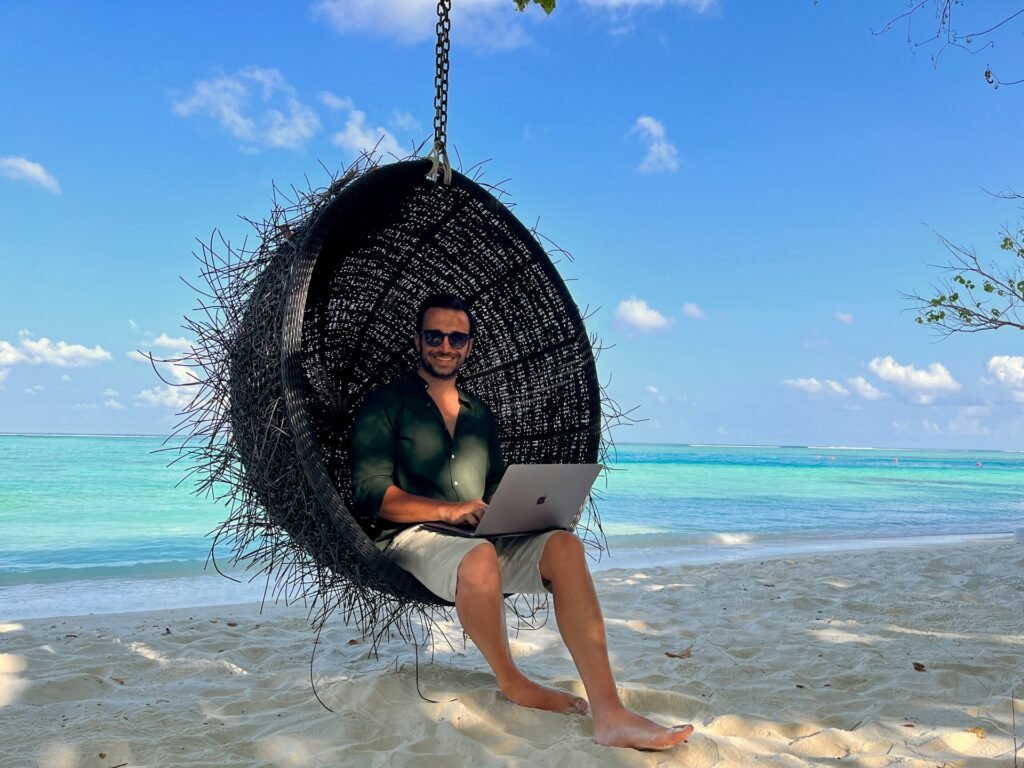
Thailand continues to dominate as one of the world’s top destinations for digital nomads and remote workers in 2026. With reliable gigabit internet in major hubs, incredibly low living costs, vibrant communities, and the flexible new Destination Thailand Visa (DTV), it offers Silicon Valley professionals an unbeatable combination of productivity, adventure, and affordability.
Whether you’re a startup founder escaping high Bay Area rents, a freelancer seeking better work-life balance, or a remote team looking for a team offsite, Thailand delivers. In this ultimate 2026 guide, you’ll find everything you need: visa options, up-to-date cost breakdowns, city comparisons, coworking recommendations, safety insights, volunteering opportunities and practical productivity routines tailored for high-output remote work.
Compared to our detailed Costa Rica Budget Travel Guide 2026, Thailand remains 30-45% cheaper on average while providing faster and more stable internet in most nomad hubs.
Why Thailand Remains the Top Digital Nomad Destination in 2026
Thailand’s appeal goes far beyond cheap pad thai and beautiful beaches. In 2026, the country has invested heavily in digital infrastructure. Average download speeds in Chiang Mai and Bangkok often exceed 300–600 Mbps, with many coworking spaces offering dedicated fiber lines up to 1 Gbps.
The lifestyle supports deep work: morning yoga or Muay Thai, afternoon focused coding sessions, and evenings exploring night markets or co-working events. English is widely spoken in nomad areas, healthcare is excellent and affordable, and the food scene keeps weekly grocery bills under $150 for most people.
Key advantages in 2026:
- New Destination Thailand Visa (DTV) for remote workers
- Booming coworking and coliving ecosystem
- Strong digital nomad communities with regular meetups
- Easy access to other Southeast Asian countries for visa runs or weekend getaways
- Tax-friendly environment for many remote earners (consult a professional for your situation)
Thailand Digital Nomad Visa Options in 2026 (DTV, LTR & Alternatives)
The biggest game-changer for 2026 is the Destination Thailand Visa (DTV), specifically designed for digital nomads, remote workers, and freelancers.
Destination Thailand Visa (DTV) – Key Details
- Validity: 5 years multiple-entry
- Stay per entry: Up to 180 days
- Extension: One 180-day extension possible (fee ~1,900 THB)
- Application fee: 10,000 THB (~$300 USD)
- Financial requirement: Proof of at least 500,000 THB (~$14,500 USD) in savings or stable income
- Health insurance: Minimum $50,000 USD coverage recommended/required by some agents
- Eligible activities: Remote work for foreign companies, attending seminars, Thai language/culture courses, or sports training
How to apply: Applications are submitted at Thai embassies/consulates or through authorized agents. Processing usually takes 2–4 weeks.
For higher earners or those wanting longer uninterrupted stays, the Long-Term Resident (LTR) Visa remains an option. It targets remote workers with a minimum average income of $80,000 USD per year over the past two years and offers up to 10 years with tax benefits.
Comparison Table: Thailand Visas for Digital Nomads 2026
| Visa Type | Validity | Max Stay per Entry | Fee (approx.) | Income/Savings Requirement | Best For |
|---|---|---|---|---|---|
| Destination Thailand Visa (DTV) | 5 years | 180 days (+180 extension) | $300 | ~$14,500 savings | Most digital nomads & freelancers |
| Long-Term Resident (LTR) – Remote Work Category | 10 years | Continuous | Higher | $80,000+/year average | High-earning remote professionals |
| Tourist/Extension | 60 days + extensions | Up to 90 days | Low | None | Short trips & testing the waters |
For a full comparison across countries, see our upcoming global digital nomad visa roundup.
Pro tip: Always verify the latest requirements directly with the Thai embassy, as minor policy tweaks occur throughout the year.
Best Cities for Digital Nomads in Thailand 2026 – Ranked & Compared
1. Chiang Mai – The Undisputed Nomad Capital
Chiang Mai remains the favorite for most remote workers thanks to its relaxed vibe, excellent cafes, mountains, and low costs.
Monthly Cost Breakdown – Chiang Mai 2026 (Single Digital Nomad, Comfortable Lifestyle)
| Category | Budget Option | Mid-Range (Recommended) | Luxury |
|---|---|---|---|
| Accommodation (private studio/1-bed condo) | $250–350 | $400–650 | $800+ |
| Food (mix of street + restaurants) | $120–180 | $200–280 | $350+ |
| Coworking + Internet | $60–100 | $100–150 | $200+ |
| Transport (Grab + scooter rental) | $40–60 | $60–90 | $120+ |
| Misc (yoga, massage, entertainment) | $80–120 | $150–200 | $300+ |
| Total Monthly | $550–810 | $910–1,370 | $1,770+ |
Realistic comfortable range for most nomads: $1,000 – $1,500 per month.
Top Coworking Spaces in Chiang Mai 2026:
- HUB53 Coworking & Coliving (Nimman area, 24/7 access)
- Yellow Coworking Space
- Punspace (multiple locations)
- One Workspace
- Nomad Wonderland (newer hub popular with tech workers)
Productivity hacks: Use the cooler “winter” season (Nov–Feb) for deep work. Many spaces offer monthly memberships with event access.
2. Bangkok – For Networking & Business Opportunities
Bangkok offers world-class infrastructure, international airports, and endless networking events.
Monthly Cost Breakdown – Bangkok 2026
| Category | Budget | Mid-Range | Luxury |
|---|---|---|---|
| Accommodation | $350–550 | $600–950 | $1,500+ |
| Food | $180–250 | $280–400 | $500+ |
| Coworking | $100–180 | $150–250 | $300+ |
| Transport | $60–100 | $100–150 | $200+ |
| Misc | $120–180 | $200–300 | $400+ |
| Total | $810–1,260 | $1,330–2,050 | $2,900+ |
Comfortable range: $1,500 – $2,500. Higher than Chiang Mai but still far below San Francisco or New York.
Best coworking: The Hive, Hubba, and several WeWork-style spaces.
3. Phuket & Koh Samui – Beach + Productivity Balance
Ideal for those who want ocean views without sacrificing too much speed.
Phuket monthly costs typically fall between $1,400 – $2,800 depending on location (Patong vs. quieter Rawai or Nai Yang). Koh Samui is slightly more premium.
Other noteworthy spots: Pai (ultra-relaxed mountain town), Hua Hin (quieter beach alternative), and Da Nang-style emerging areas, but the big three dominate.
Real Monthly Costs & Money-Saving Hacks for 2026
Beyond the tables above, here’s a transparent average for a productive remote worker:
- Frugal but comfortable: $900 – $1,300 (Chiang Mai focus)
- Balanced lifestyle: $1,400 – $2,000 (mix of cities)
- Premium experience: $2,200+
Hacks that actually work:
- Rent long-term (monthly discounts of 20-40%)
- Eat local 70% of the time (street food meals $1.50–3)
- Use Grab for transport instead of taxis
- Get a local SIM with unlimited data (~$15–25/month)
- Join nomad Facebook groups or Discord communities for shared housing deals
Comparison with Costa Rica: In our Costa Rica Budget Guide, daily costs often run 30-50% higher than Thailand equivalents, especially for accommodation and imported goods.
Accommodation, Food Scene, Transportation & Daily Life
Accommodation: Airbnb, monthly condo rentals via Facebook groups, or coliving spaces. Look for buildings with pools, gyms, and high-speed fiber.
Food: Thai cuisine is one of the world’s best and cheapest. Street stalls, night markets, and healthy cafés cater perfectly to nomads. Vegan/vegetarian options are abundant.
Transportation: Grab app is king. Rent a scooter for $50–80/month (with international permit). Domestic flights via AirAsia or Thai Lion Air are cheap for island hopping.
Health & Insurance: Excellent private hospitals (Bangkok Hospital, Bumrungrad). Get international insurance with Thailand coverage.
Safety for Digital Nomads & Solo Travelers in 2026
Thailand ranks as one of the safer countries in Southeast Asia for foreigners. Violent crime against tourists is rare. Petty theft and scams (tuk-tuk overcharging, gem scams) are the main risks — easily avoided with common sense.
Solo female traveler tips:
- Use Grab instead of street taxis at night
- Stick to well-lit, populated areas
- Dress modestly at temples
- Share your location with a friend when exploring alone
Overall, millions of solo travelers visit yearly without issues. Stay aware, especially after dark in party areas like Phuket’s Bangla Road.
30-Day Sample Itinerary & Productivity Routine for Remote Workers
Week 1–2: Chiang Mai Base – Settle in, join coworking, explore old city and mountains. Week 3: Bangkok – Networking events and city energy. Week 4: Phuket or Samui – Beach recovery + focused project sprints.
Daily Routine Example (Silicon Valley time-zone friendly):
- 6:00 AM – Yoga or run
- 7:30 AM – Breakfast + deep work block (aligns with US morning)
- 12:00 PM – Lunch + break
- 1:30 PM – Meetings & collaboration
- 5:00 PM – Exercise or explore
- Evenings free for community events
Tools: Notion for task management, Timezone.io for team sync, and Forest app for focus.
FAQ – Thailand Digital Nomad Guide 2026
How much does it really cost to live in Thailand as a digital nomad in 2026? Realistic monthly budgets range from $900–1,500 in Chiang Mai for a comfortable setup (private apartment, coworking, eating out often) up to $1,800–2,800 in Bangkok or Phuket for a more upscale lifestyle. These figures include rent, food, transport, coworking, and leisure. Costs have risen slightly due to inflation and tourism recovery but remain highly competitive globally. Track your spending with apps like Trail Wallet for the first month to personalize the numbers.
What is the Thailand Digital Nomad Visa (DTV) and how do I qualify in 2026? The DTV is a 5-year multiple-entry visa allowing 180-day stays (extendable once by another 180 days). You need to show proof of remote work for a foreign employer or freelance clients, approximately $14,500 in savings or equivalent income, and suitable health insurance. The application fee is around $300. It’s one of the most accessible long-stay options available and does not allow local Thai employment. Always check the latest embassy requirements before applying.
Is Thailand safe for solo digital nomads and female travelers in 2026? Yes — Thailand is generally very safe for solo travelers. Violent crime is rare, and the biggest risks are petty theft or minor scams, which are preventable. Use ride-hailing apps, avoid flashing valuables, and stay alert in crowded tourist zones. Many solo female nomads report feeling safer in Thailand than in some Western cities. Join women-only nomad groups for extra peace of mind and local insights.
Which is better for digital nomads in 2026: Chiang Mai, Bangkok, or Phuket? Chiang Mai wins for most people seeking the best value, strong community, and focused work environment. Bangkok suits those who want big-city energy, networking, and easier international flights. Phuket and Koh Samui appeal to beach lovers willing to pay a premium. Many nomads rotate between cities every 1–3 months to enjoy variety without burning out.
Do I need special health insurance for the Thailand digital nomad visa? While not always strictly enforced for the DTV, most successful applicants carry international insurance with at least $50,000 coverage that includes Thailand. Popular options include SafetyWing, Nomad Insurance, or World Nomads. This protects you against high medical bills and helps with visa applications or extensions.
How fast is the internet for remote work in Thailand? In major nomad hubs like Chiang Mai’s Nimman area and central Bangkok, speeds of 300–1000 Mbps are common in coworking spaces and modern condos. Even smaller towns usually offer 50–200 Mbps, sufficient for video calls, cloud work, and large file transfers. Test your specific accommodation upon arrival and have a mobile hotspot backup.
Can I combine Thailand with other countries easily? Absolutely. Thailand’s central location makes weekend trips to Vietnam, Malaysia, Indonesia, or Cambodia straightforward and affordable. Many nomads use Thailand as a base and do short visa-reset or exploration trips. Low-cost carriers like AirAsia make regional travel budget-friendly.
What are the best coworking spaces in Thailand for serious remote workers in 2026? In Chiang Mai: HUB53, Yellow Coworking, and Punspace stand out for reliability and community. In Bangkok: The Hive and Hubba. Phuket has Garage Society and beach-oriented options. Look for spaces with ergonomic desks, fast dedicated internet, meeting rooms, and events. Monthly memberships usually range from $80–250 depending on access level.
Conclusion Thailand in 2026 offers remote workers an unmatched blend of affordability, infrastructure, culture, and community. Whether you’re here for three months or three years, the country can support high-output work while dramatically improving your quality of life compared to high-cost tech hubs.
Start planning your move today — apply for the DTV early, budget realistically, and join the vibrant nomad scene.
Ready to make the jump? Thailand is waiting.

Sujan Pariyar is a Senior Editor at Silicon Valley Times. He has extensive experience in business, technology, and entrepreneurship journalism, with previous contributions to HuffPost, Thrive Global, Matador Network, and other international publications.
Sujan specializes in interviewing industry leaders and creating insightful, well-researched content that helps entrepreneurs and business professionals navigate innovation, growth, and strategic challenges. His writing focuses on delivering clear, substantive perspectives that inform and support decision-making in today’s dynamic business environment.