Cloud Connected Audio: How It Works and Why It’s Reshaping Sound
Cloud Connected Audio: How It Works and Why It’s Reshaping Sound
What is Cloud Connected Audio?
Cloud connected audio refers to audio systems and devices that leverage cloud computing technology to enhance performance, expand accessibility, and simplify user experience. Unlike traditional audio systems that rely solely on hardware components and local storage, cloud connected audio incorporates internet connectivity to stream music on demand, access vast libraries of content, and utilize remote processing power, fundamentally transforming how audio is consumed and managed.
The major difference between traditional audio systems and cloud connected audio lies in their architecture. Traditional audio setups are often confined to physical media and localized file storage, meaning that users need to manually manage playlists, download songs, and maintain the hardware themselves. In contrast, cloud connected audio systems seamlessly integrate with various cloud services, allowing users to enjoy a continuous stream of audio without the need for physical data or limited storage capabilities. This integration often includes access to major streaming platforms that offer millions of songs and curated playlists, enabling listeners to discover new music effortlessly.
Essentially, cloud connected audio is built on a framework that includes robust hardware for sound reproduction combined with sophisticated software that facilitates connectivity to the internet. Key components of these systems typically include Wi-Fi or Bluetooth capabilities, applications for music streaming, and user-friendly interfaces that help streamline interaction. Furthermore, they often utilize machine learning algorithms to enhance personalization, suggesting content based on listening habits, enriching the audio experience.
Overall, cloud connected audio represents a significant leap in audio technology, making it more flexible, accessible, and user-centric. This paradigm shift not only changes how we listen to music but also reflects a broader trend towards connectivity and integration in technology, offering a promising glimpse into the future of sound.
How Cloud Connected Audio Works
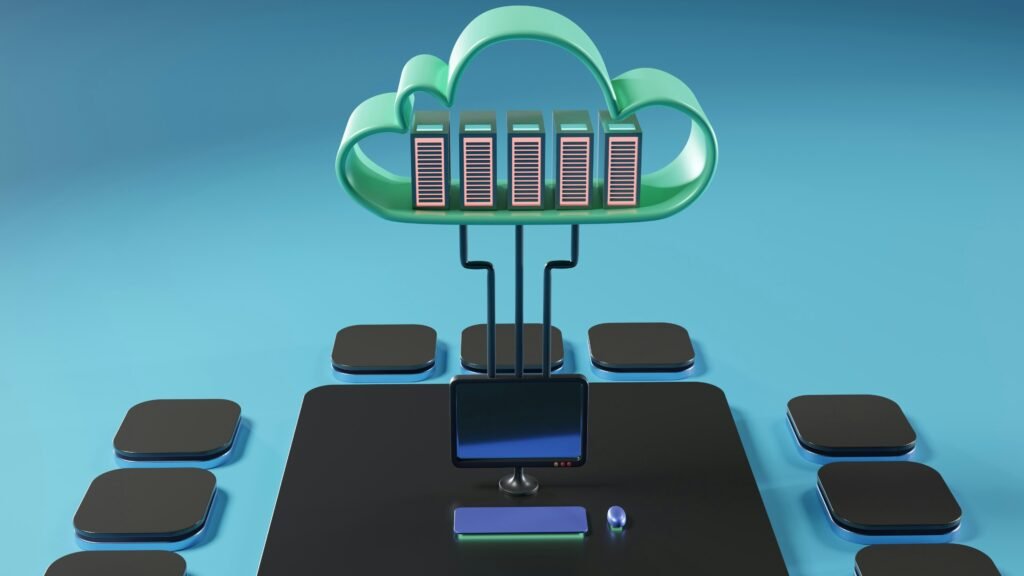
Cloud connected audio systems leverage advanced technologies to revolutionize the way we listen to music and audio content. The core of this innovative approach involves streaming audio over the internet, which allows users to access a vast library of sound without needing physical storage. At the center of this system are cloud servers, which store audio files and stream them to various devices, such as smartphones, smart speakers, and other internet-connected gadgets.
When a user selects a piece of audio for playback, their device sends a request to the cloud server housing the desired content. The server then processes this request, retrieves the audio file, and transmits it back to the user’s device via the internet. To ensure this process is efficient, various data compression techniques are utilized. These techniques reduce the file size of audio data, which allows for quicker transmission while maintaining sound quality. Formats such as MP3, AAC, and OGG Vorbis are commonly employed to strike a balance between file size and audio fidelity.
Once the audio reaches the user’s device, it is decoded and played back using the device’s audio hardware. Cloud connected audio systems also benefit from continuous data streaming, meaning that users can experience near-instantaneous access to audio without buffering interruptions. This is made possible by adaptive bitrate streaming, which adjusts the quality of the audio stream based on the user’s internet connection speed.
Furthermore, various protocols and technologies facilitate seamless communication between devices and cloud servers. For instance, technologies such as HTTP Live Streaming (HLS) and Real-Time Messaging Protocol (RTMP) play pivotal roles in ensuring that audio can be delivered efficiently across different network conditions. This intricate web of technology ultimately creates a smooth, engaging audio experience and reshapes how we interact with sound.
Why Cloud Connected Audio is Growing So Fast in 2026
The landscape of audio technology is experiencing a seismic shift, fundamentally altering how consumers engage with sound. One of the key factors propelling the rapid growth of cloud connected audio solutions by 2026 is the notable evolution of market trends, which increasingly favor connectivity and convenience. As consumers become accustomed to on-demand services in various aspects of their lives, there is a natural inclination towards audio solutions that offer similar functionalities. This shift has led to an upsurge in the demand for cloud-based audio services, which enable users to stream music directly from the cloud, essentially negating the need for traditional physical storage methods.
Additionally, the convergence of consumer preferences has been pivotal in the adoption of these technologies. Today’s audio consumers prioritize flexibility, customization, and multi-device access, which is inherent in cloud connected audio systems. Users appreciate the ability to control their audio experiences across various devices—from smartphones to smart speakers—providing an interconnected ecosystem that enhances listening experiences. Furthermore, advances in artificial intelligence and machine learning have enabled personalized content curation, leading to increased user engagement and satisfaction.
The burgeoning ecosystem of smart devices also plays an instrumental role in the exponential growth of cloud audio technologies. With more homes adopting smart speakers and IoT devices, the demand for solutions that seamlessly integrate with these platforms has surged. This emerging environment has prompted audio manufacturers to innovate continuously, resulting in more advanced and user-friendly cloud-centric audio solutions.
In summary, the convergence of favorable market trends, shifting consumer preferences, advancements in technology, and the proliferation of smart devices are significant drivers behind the rapid growth of cloud connected audio solutions. As these factors continue to evolve, they are likely to further shape the future of audio consumption.
Benefits of Cloud Connected Audio
Cloud connected audio systems present a variety of advantages that are significantly reshaping how individuals engage with sound and music. One of the primary benefits is convenience. By leveraging cloud technology, users can access their audio content from virtually anywhere, utilizing various devices such as smartphones, tablets, or smart speakers. This means that one no longer needs to be tethered to a specific location or device to enjoy their preferred audio experiences.
Furthermore, cloud connected audio systems provide users with access to vast libraries of music and podcast content. Through partnerships with multiple streaming services, these systems often allow users to browse and listen to millions of tracks and episodes without the need for local storage. This extensive variety not only enhances the user’s listening experience but also ensures that individuals can constantly discover new favorites, making the pursuit of auditory pleasure more enjoyable and less burdensome.
Personalization is another key benefit of cloud connected audio. Many systems utilize advanced algorithms to curate playlists based on individual listening habits and preferences. This tailor-made experience can lead to greater satisfaction as users can explore music that resonates with their unique tastes. Additionally, collaborative features are becoming increasingly prevalent, allowing users to share playlists or collaborate on shared music experiences with friends and family, enriching social interactions around audio consumption.
Lastly, cloud connected audio systems enable continuous updates and enhancements. Manufacturers can push software updates that enhance functionality and security with minimal disruption to users. This means that the audio experience can consistently evolve, often integrating the latest technological innovations and user feedback. Consequently, users not only enjoy a high-quality audio experience today but can also look forward to enhancements in the future. These numerous benefits collectively contribute to the rising popularity of cloud connected audio, making it an appealing choice for modern music listeners.
Where the Technology is Headed
The evolution of cloud connected audio technologies is steering us toward a future rich with innovative possibilities. One of the most significant trends is the integration of artificial intelligence (AI) to enhance user experience. AI can analyze listening habits and preferences, providing personalized recommendations that adapt over time. As more devices become interconnected, users will benefit from seamless integration, enabling them to access audio content across multiple platforms effortlessly.
Furthermore, cloud connected audio systems are increasingly leveraging the Internet of Things (IoT). This integration allows devices such as smart speakers, headphones, and home entertainment systems to communicate with one another, creating a unified ecosystem. Imagine a scenario where your smart speaker can automatically adjust audio settings based on your environment or preferences, or where audio content follows you seamlessly from one device to another. Such advancements represent a significant shift in how we consume audio today.
As 5G technology continues to roll out globally, data transfer speeds are improving dramatically. This enhancement will further support the proliferation of high-quality cloud connected audio, enabling less latency and buffering. Consequently, users will be able to stream and interact with audio content in real-time without sacrificing quality. This development is expected to transform industries such as gaming, where immersive sound experiences are key to engagement.
Emerging innovations, such as spatial audio and immersive formats, also promise to reshape how audio is experienced. By using cloud connected audio technologies, content creators can deliver experiences that place listeners at the center of dynamic soundscapes, making audio more engaging and realistic than ever before.
Building the Skills Behind Cloud Connected Audio
As the demand for cloud connected audio continues to rise, so does the need for individuals and professionals who are skilled in this innovative domain. Engaging effectively with cloud connected audio requires a diverse set of technical skills, particularly in the realms of programming, cloud services, and audio engineering principles. These skills are paramount for those aspiring to thrive in this rapidly evolving field.
First and foremost, proficiency in programming is essential for anyone looking to work with cloud connected audio systems. Familiarity with languages such as Python, Java, or C++ can significantly enhance one’s ability to develop and maintain applications that facilitate audio streaming or processing in a cloud-based environment. Understanding APIs (Application Programming Interfaces) that enable communication between different software components is also crucial, as they play a significant role in integrating various audio applications with cloud services.
Moreover, a solid foundation in cloud services is critical. Familiarity with platforms like Amazon Web Services (AWS), Google Cloud Platform, or Microsoft Azure can greatly contribute to an individual’s competence in managing and deploying audio-related services. This expertise enables professionals to optimize cloud resources effectively, ensuring high-quality audio delivery and performance. Knowledge of storage, databases, and cloud computing concepts complements a technician’s ability to harness the power of cloud infrastructure for audio applications.
Lastly, a comprehensive understanding of audio engineering principles cannot be overlooked. This includes knowledge of sound design, mixing, and mastering techniques, which are vital when creating high-fidelity audio experiences. Combining technical programming skills with audio engineering knowledge elevates one’s capability to innovate and push the boundaries of what cloud connected audio can offer.
Real-World Applications of Cloud Connected Audio
Cloud connected audio is revolutionizing various sectors by enabling seamless audio streaming, collaboration, and innovative content delivery. In the entertainment industry, platforms like Spotify and Apple Music utilize cloud technology to enhance user experience. By allowing users to stream music from a vast library stored in the cloud, these services ensure that listeners have access to high-quality audio anytime and anywhere. Moreover, advanced algorithms can personalize playlists based on listening habits, highlighting the synergy between cloud connected audio technology and user preferences.
In the realm of education, cloud connected audio aids in creating immersive learning environments. E-learning platforms incorporate audio lectures and discussions that can be accessed from any device, facilitating a flexible learning pace. For instance, podcasts serve as an effective supplemental resource, allowing learners to engage with content interactively. These platforms can host live sessions or recorded workshops, thereby fostering collaboration among students and instructors, and overcoming geographical barriers.
Professional audio production is another area where cloud connected audio has become indispensable. Music producers and sound engineers can collaborate in real time, sharing projects and sound files via the cloud, leading to faster and more efficient workflows. This technology allows multiple contributors to work on a piece simultaneously, regardless of their physical location, thus expanding creative possibilities within the industry. Audio assets can be stored safely in the cloud, ensuring that vital work is always accessible and less vulnerable to local hardware failures.
Furthermore, the gaming industry leverages cloud connected audio for improved functionality in multiplayer experiences. Real-time voice chat integrated into games enriches player interaction, making gaming sessions more immersive and social. In conclusion, the diverse applications of cloud connected audio across different sectors illustrate its transformative impact and potential for future innovations.
Challenges and Limitations of Cloud Connected Audio
While the rise of cloud connected audio has introduced a range of innovative features, it also brings forth several challenges and limitations that cannot be overlooked. One of the predominant concerns is the reliance on internet connectivity. For cloud connected audio systems to function optimally, a stable and fast internet connection is essential. In areas with poor connectivity, users may experience disruptions or delays, making it difficult to enjoy a seamless listening experience.
Latency is another significant issue encountered with cloud connected audio. The time taken for audio signals to travel from a remote server to a user’s device can introduce delays. This can be particularly problematic for applications such as live streaming or interactive audio conferencing, where immediate feedback is critical. Users may notice a lag between actions and the corresponding audio output, leading to frustration and diminished user experience.
Privacy concerns are also paramount in discussions surrounding cloud connected audio. As these technologies often require users to share data for personalization and enhancement, there is a risk of unwanted data breaches or misuse of information. Users may hesitate to adopt these technologies due to fears surrounding how their audio preferences, listening habits, and personal data might be utilized or sold to third parties.
Finally, the impact on audio quality should not be underestimated. While cloud connected audio allows for the integration of high-quality streaming services, it can also be susceptible to compression algorithms that may degrade sound quality. Factors such as bandwidth limitations could result in lower fidelity audio output, which might not satisfy audiophiles or those who prioritize superior sound quality.
Final Thoughts
Cloud connected audio has undoubtedly marked a significant transformation within the audio industry, offering users a seamless blend of technology and enhanced listening experiences. By harnessing the power of cloud connectivity, audio playback and streaming services have become more versatile, fostering greater accessibility to music, podcasts, and other audio content from virtually anywhere. This shift in technology allows for greater personalization, where users can curate their listening habits with remarkable ease, adapting content recommendations to meet their individual preferences.
The integration of cloud connected audio solutions has also encouraged the development of sophisticated algorithms that analyze user behavior, thus providing a more intuitive approach to discovering new sounds. From curated playlists to automated suggestions, these advanced features enhance the overall user experience, bringing forth a new era of audio consumption that is as engaging as it is convenient.
Moreover, as cloud connected audio continues to evolve, it hints at potential innovations on the horizon. The ability to connect various devices, such as smart speakers, smartphones, and even in-car systems, establishes a cross-platform audio ecosystem that promotes continuity in how users engage with sound. As more users adopt this technology, manufacturers will likely shift their focus towards improving the quality of sound delivery and further optimizing the user interface to streamline interactions.
In conclusion, the impact of cloud connected audio extends beyond mere convenience; it encapsulates a profound shift towards a more holistic approach in audio engagement. As we navigate our increasingly digital lives, the significance of such technology will continue to grow, fostering deeper connections between users and their soundscape in ways previously unimagined.

We create powerful, insightful content that fuels the minds of entrepreneurs and business owners, inspiring them to innovate, grow, and succeed.