Monteverde Cloud Forest 2026
Last updated: April 2026.
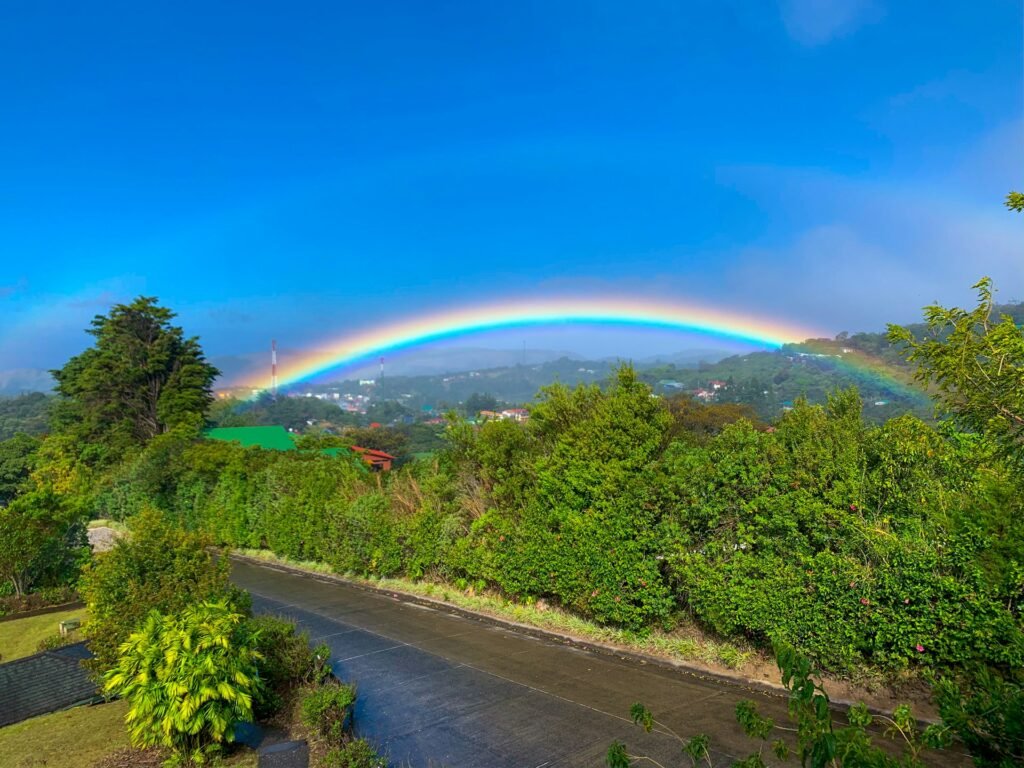
The cloud forest is a different world. You notice it before you see it: the temperature drops 10 degrees as your vehicle climbs the mountain roads out of the Pacific lowlands. The vegetation thickens and goes strange — mosses drip from every branch, bromeliads fill the tree forks, and an ambient mist drifts through the canopy even on what the lowlands consider a clear day. By the time you reach Monteverde, you are in a climate zone that feels like it belongs on a different planet from the beach Costa Rica of most tourist itineraries.
This guide covers everything you need to navigate Monteverde’s ecological richness — the reserves, the wildlife calendar, the overcrowding reality, and the experiences that go beyond what most visitors find.
Monteverde is one of Costa Rica’s most important cloud forest ecological zones. For the full framework of the country’s 12 life zones and how Monteverde fits within sustainable travel infrastructure, see the Costa Rica Ecological Tourism.
What Makes the Cloud Forest Ecologically Unique
The cloud forest exists at the intersection of altitude, moisture, and geography. Monteverde sits at 1,500m in the Tilarán Mountain range, where the Caribbean trade winds push moisture up the Atlantic slope until it condenses against the mountains. The result is an almost perpetual cloud cover — the forest is literally inside clouds for much of the year.
This moisture creates extraordinary epiphyte density. An epiphyte is a plant that grows on another plant without parasitizing it — bromeliads, orchids, mosses, ferns, and lichens that drape every horizontal surface in the forest. A single large tree in Monteverde may host dozens of orchid species, hundreds of bromeliad rosettes, and kilograms of moss. These epiphytes form micro-habitats for insects, frogs, and birds that exist nowhere else.
The Monteverde area protects approximately 35,000 acres of cloud forest through a patchwork of the Monteverde Cloud Forest Reserve (operated by the Tropical Science Center), Santa Elena Cloud Forest Reserve (community-operated), Curi-Cancha Reserve (private, excellent birding), and the Children’s Eternal Rainforest (operated by the Monteverde Conservation League — the world’s largest private reserve established through international school fundraising).
The Three Best Reserves (And Which to Choose)
Monteverde Cloud Forest Reserve (Tropical Science Center)
The original and most famous. The reserve has been the site of foundational cloud forest ecology research since the 1970s. Trails range from easy walking paths to longer circuits into the reserve’s continental divide zone (the “windy zone” at the ridge is a genuinely wild experience). The famous Bosque Nuboso trail follows the continental divide where Pacific and Caribbean species overlap.
Visitor cap: 200 visitors simultaneously. Entrance is ticketed. During December–April peak season, tickets sell out before 8am. Book online the night before or book in advance. Entering at 6am (opening) dramatically improves wildlife sightings before peak visitor pressure.
Price (2026): Approximately $26 international visitors; $12 Costa Rican residents. Guided tours add $20–40.
Santa Elena Cloud Forest Reserve
Community-operated by the local high school — a model of community-based conservation tourism. Slightly higher altitude and drier microclimate than Monteverde. Excellent for quetzal sightings (sometimes better than the main reserve because it receives fewer visitors), and the revenue model is a direct example of conservation-tourism linkage: the school uses the income for environmental education programs.
Price (2026): Approximately $18. Less crowded than the main reserve. Genuinely recommended for visitors who want equivalent wildlife quality with fewer people.
Curi-Cancha Reserve
The least-crowded and arguably most productive birding reserve in the Monteverde zone. Smaller than the main reserve but with a different vegetation community and excellent open-area birding. The reserve allows morning entry from 6am and the dawn light in its open areas is spectacular for photography. Quetzal sightings here are documented regularly, and the reserve’s hummingbird feeders attract 10+ species.
The insider recommendation: Do Curi-Cancha in the early morning (6–8am) before it opens to large groups. Then visit the main Monteverde Reserve for the mid-morning continental divide walk. This combination gives you the best of both areas in a single day.
The Quetzal: What You Actually Need to Know
The resplendent quetzal (Pharomachrus mocinno) is the wildlife highlight of the Monteverde region and one of the most sought-after bird species on Earth. Here is the unvarnished information:
When to look: January through May. The breeding season peaks March–April. Outside this window, quetzal sightings drop dramatically — birds disperse to lower elevations after breeding.
Where to look: Male quetzals display from exposed perches near their nesting cavities. Guides who work Monteverde year-round track individual nest sites and fruiting trees (quetzals depend on wild avocado — Persea schiedeana is the primary food tree). Hiring a specialized birding guide rather than a general nature guide significantly increases your probability.
What “seeing a quetzal” actually involves: On a good morning with an experienced guide, you may have 10–30 minutes watching a male quetzal from 15–40 meters distance — long enough to observe the full tail streamers, the iridescent breast plate, and the hunting flights for wild avocado fruits. This is not a fleeting glimpse. It is sustained observation of one of the most beautiful birds that exists.
Price for a specialized quetzal walk: $40–80 for a 2–3 hour specialized dawn walk with a local certified guide. This is among the best value wildlife experiences in Costa Rica.
Things to Do in Monteverde Beyond the Reserve
Skywalk Hanging Bridges
The original canopy suspension bridge experience was developed in Monteverde. The Skywalk system (operated separately from the reserve) provides eight suspension bridges at canopy height, allowing movement through the forest at 30–60 meters elevation. Wildlife sightings here include emerald toucanets, blue-crowned motmots, Montezuma oropendola nests, and the understorey bird species that are difficult to observe from ground level.
The ecological distinction: The Skywalk bridges are passive infrastructure — they allow wildlife observation without disturbance, unlike zip-lines which involve noise and movement through sensitive habitat. The Skywalk is a genuinely ecological tourism activity.
Night Walks
Monteverde’s night walks reveal the cloud forest’s nocturnal reality: sleeping birds on exposed branches, hunting tarantulas, glass frogs (extraordinary — transparent skin reveals internal organs), red-eyed tree frogs, olingo (a nocturnal procyonid rarely seen in daylight), kinkajou, and dozens of moth species drawn to guide lights. The Monteverde Biological Station’s night walks are specialist-guided and among the best in the country.
Hummingbird Gallery
The Hummingbird Gallery at the entrance to the Monteverde Reserve maintains feeders that attract 14–17 hummingbird species, including the violet sabrewing — the largest hummingbird in Central America. For photography, this location provides controlled, excellent light and close approach distances. Free to visit (commercial photography may involve a small charge).
Coffee and Agriculture Tours
The Monteverde community’s Quaker heritage has produced an agricultural culture worth engaging with. The Café Monteverde cooperative offers farm-to-cup tours that explain the coffee shade-growing system’s ecological function — shade-grown coffee provides bird habitat, reduces erosion, and maintains forest connectivity. The relationship between agricultural practices and wildlife corridor maintenance is one of Monteverde’s interesting ecological stories.
The Overtourism Problem and How to Navigate It
Monteverde receives approximately 250,000 visitors per year. On peak days in February and March, the main reserve trails can have 300–400 simultaneous visitors. Under these conditions, wildlife retreats and the “nature experience” becomes a crowd experience.
Practical responses:
Start at 6am (reserve opening). The first 90 minutes have dramatically fewer visitors and far more active wildlife.
Visit in shoulder season — May–June, October–November. These months receive fewer visitors. Weather is wetter, but cloud forest wildlife is not significantly reduced and the forest atmosphere is better (fewer large tour groups).
Use Santa Elena and Curi-Cancha on busy days. These receive 20–30% of the main reserve’s visitor volume with equivalent or better wildlife quality in some species.
Book accommodation on the Santa Elena side (the town), not the Monteverde side. Santa Elena is the service town and accommodation here is 20–30% cheaper while being equally well-positioned for early morning reserve access.
Getting to Monteverde: The Honest Transport Options
The road to Monteverde is famously bad. The last 30–40km from the Pan-American Highway up to the Monteverde plateau is unpaved, steep, and corrugated. Standard rental cars can drive it in dry season with care; it becomes genuinely challenging in wet season. The road improvement project has been discussed for 20 years and remains incomplete.
Options:
Shuttle from La Fortuna (Arenal to Monteverde, 4 hours via the lake ferry route): ~$25–35/person. This is the most scenic option.
Shuttle from San José: 3.5–4.5 hours, ~$30–45/person. Most comfortable for luggage.
Public bus from Santa Elena: Inexpensive (~$5 from Puntarenas junction) but involves multiple transfers and the full road in a standard bus. Possible; not comfortable.
4WD rental: Fine in dry season. Ask specifically about road conditions if traveling May–November.
Budget Breakdown: Monteverde
| Item | Cost (USD) |
|---|---|
| Monteverde Reserve entrance | ~$26 |
| Santa Elena Reserve entrance | ~$18 |
| Curi-Cancha entrance | ~$18 |
| Specialized quetzal walk (guide, 2–3 hrs) | $40–80 |
| Skywalk hanging bridges | ~$30 |
| Night walk (guided) | $25–40 |
| Hostel/basic guesthouse Santa Elena | $15–35/night |
| Mid-range eco-lodge | $70–160/night |
| Shuttle from La Fortuna | $25–35/person |
For how Monteverde fits into a broader budget, see the Costa Rica Budget Travel Guide 2026.
FAQ: Monteverde Cloud Forest
January–May for quetzal watching. October–November for fewer crowds. December is peak season with maximum visitors and highest prices. See the Best Time to Visit Costa Rica for the full seasonal guide.
Yes, with adjusted expectations. Cloud forest wildlife does not disappear in rain — in fact, amphibian activity increases. Bring rain gear, embrace the atmosphere, and enjoy the absence of tour bus crowds.
Two full days is the minimum for a meaningful experience: one day for the main reserve (early morning guided walk + afternoon skywalk), one day for Santa Elena or Curi-Cancha plus a night walk. Three days allows deeper exploration and more flexibility if rain disrupts one morning.
Yes — Santa Elena has an excellent quetzal record and is sometimes better than the main reserve because it receives fewer visitors. The quetzal population in the broader Monteverde zone is not confined to a single reserve.
For how Monteverde fits within Costa Rica’s ecological tourism infrastructure, see the Costa Rica Ecological Tourism 2026 Guide.
Sujan Pariyar is a passionate travel writer and digital nomad expert based in Kathmandu, Nepal. Having lived and traveled extensively while balancing remote work and volunteering projects, he brings firsthand experience to topics like work exchange programs (Worldpackers and Workaway), digital nomad visas for 2026, budget destinations, and building a location-independent lifestyle.
In addition to travel content, Sujan creates in-depth articles on business strategies, digital marketing, and entrepreneurship — helping readers turn their wanderlust into sustainable income streams. His writing style blends honest reviews, detailed comparisons, and actionable tips drawn from real trips, community interactions, and ongoing research into evolving travel policies.
Sujan has contributed to various platforms over the years and is committed to creating trustworthy, up-to-date guides that empower travelers to make informed decisions. Follow his adventures and insights as he continues to explore the world while documenting practical ways to travel smarter in 2026 and beyond.