Costa Rica in July & August 2026 – The Veranillo, Whales, Turtles & Why This Is the Year’s Best Value
Costa Rica in July & August 2026 - The Veranillo, Whales, Turtles & Why This Is the Year's Best Value
Last updated: April 2026. The definitive guide to Costa Rica’s most underrated travel window.
Ask experienced Costa Rica travelers when they prefer to go, and many will say July or August without hesitation. This surprises first-timers who see these months labeled “rainy season” and assume they’re second-rate options. They are not. July and August offer a combination of factors that no other window in the calendar can match: a natural dry spell (the veranillo) that delivers near-perfect weather, peak wildlife events, and prices that are 30–40% below the dry season peak.
This guide explains everything — the weather science, the wildlife calendar, what to do, and how to structure a July or August trip to Costa Rica.
For context on where these months sit in the annual cycle, see the complete Best Time to Visit Costa Rica 2026 guide.
Understanding the Veranillo: Costa Rica’s Secret Summer
The single most important concept for understanding July and August travel in Costa Rica is the veranillo — a Spanish word meaning “little summer.”
The veranillo is a natural meteorological phenomenon where the Inter-Tropical Convergence Zone (the band of atmospheric instability that drives Costa Rica’s rainy season) shifts northward in mid-summer. The result is a 2–4 week window — typically running from mid-July to early August — where rainfall across the Pacific coast drops significantly. Mornings are sunny, afternoons may have brief showers but nothing like the prolonged downpours of September and October, and overall conditions feel close to the dry season.
This is not a guaranteed annual event, and its timing varies by year. But it happens most years, and experienced travelers specifically time their trips around it. When the veranillo aligns with your travel dates, you get the best weather-to-price ratio of the entire year.
Even in years when the veranillo is weaker than average, July and August remain significantly drier than September and October. The worst-case scenario is standard green season conditions — which are still excellent if you follow the morning-activity strategy covered in our Costa Rica Rainy Season guide.
July in Costa Rica: What to Expect
July is the transition from early green season into the veranillo window. The first half of July still carries some of the heavier rainfall of June, but by mid-July, the veranillo typically begins to take hold.
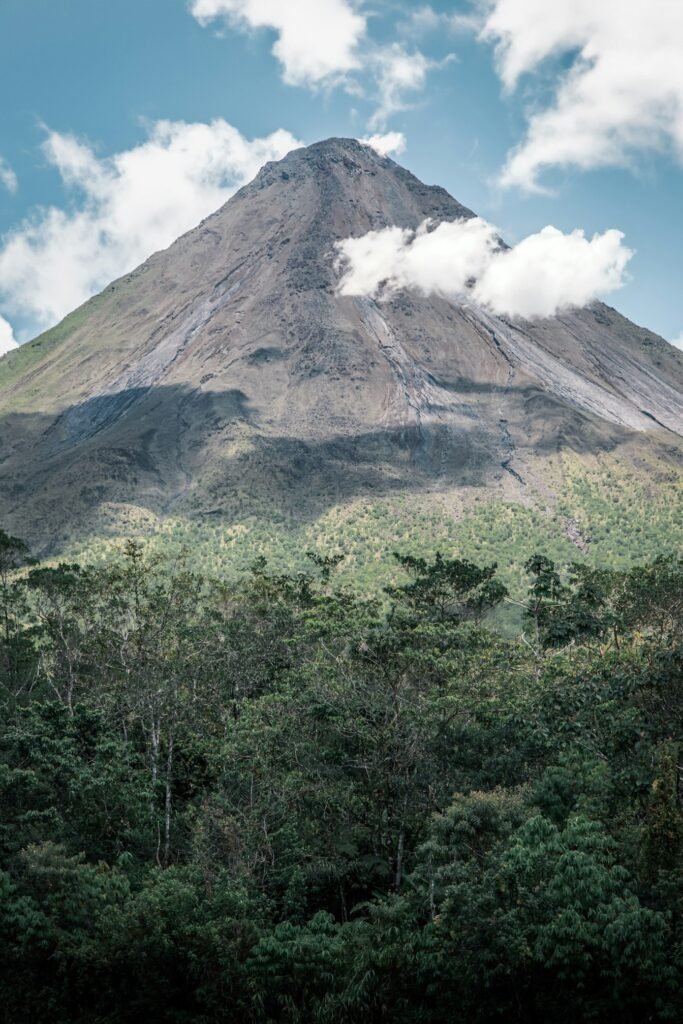
Weather: Mornings are clear and warm, typically 28–32°C on the Pacific coast. Afternoons may have brief showers, but the extended heavy rain of September is absent. The Central Valley and highlands are particularly pleasant in July — Monteverde has excellent visibility for the cloud forest canopy tours, and Arenal’s volcano is more likely to be visible in July than any other rainy season month.
Crowds: Significantly lower than the dry season. National parks, popular trails, and beach towns all operate well below capacity. You will not queue at Manuel Antonio. You will not fight for a surfing spot at Tamarindo.
Prices: 25–35% below December–March peak rates. Domestic travel within Costa Rica is also cheaper — shuttle services and internal flights are more available and better priced.
Surf: July marks the beginning of the Pacific’s big wave season. Consistent swells from the southern hemisphere begin arriving, producing excellent waves for intermediate and advanced surfers at Jaco, Playa Hermosa, Santa Teresa, and the Osa Peninsula beaches.
August in Costa Rica: What to Expect
August is the veranillo’s peak window. The first half of August often brings the best weather of the entire green season — sunny mornings, limited rainfall, and warm, clear evenings. Wildlife activity is extraordinary. And it is during August that Costa Rica’s most spectacular wildlife events overlap:
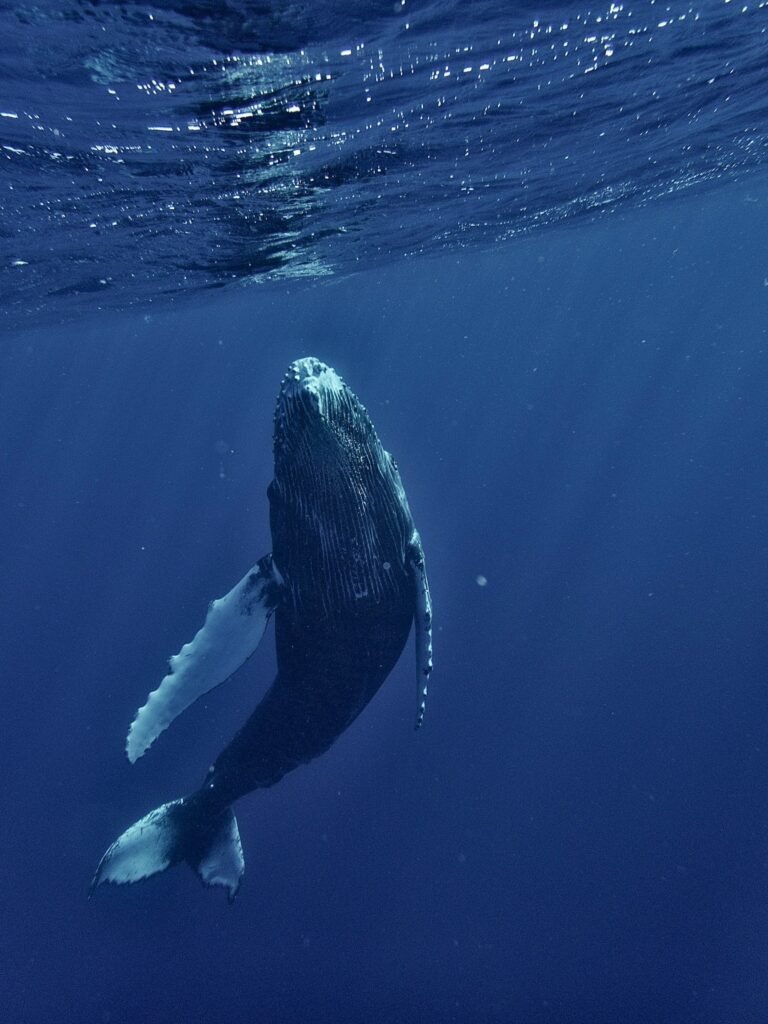
Humpback whale watching peaks. The southern hemisphere humpback whale migration reaches its maximum in August and September. Ballena Marine National Park in Uvita hosts what is arguably the world’s best whale watching experience during this period — southern humpbacks come to breed and calve in warm Pacific waters, and the daily sightings rate from August tour operators is exceptional. August is also when the annual Whale and Dolphin Festival takes place near Uvita.
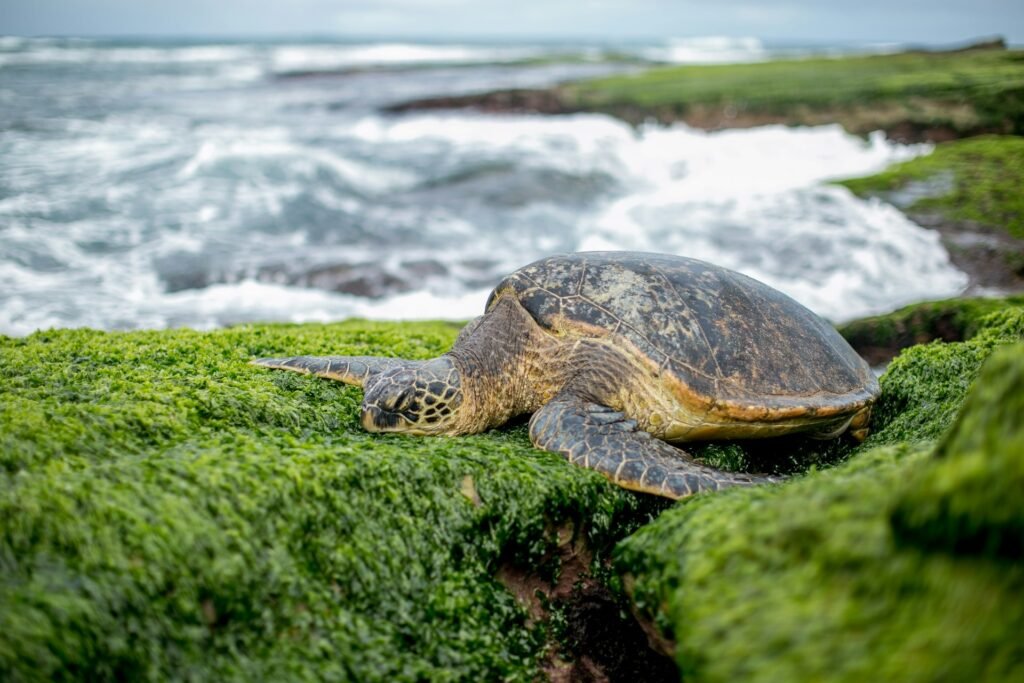
Green sea turtle nesting at Tortuguero peaks. The Caribbean-coast Tortuguero National Park is the most important nesting site for Atlantic green sea turtles in the western hemisphere. Nesting peaks from July to October, with August producing some of the highest nightly nesting activity. Watching a massive green turtle emerge from the surf, dig her nest, and lay eggs under a Caribbean night sky is one of the most extraordinary wildlife experiences on the planet. Guided night tours are required and must be booked in advance.
Olive ridley turtle arrivals at Ostional. The mass nesting event (arribada) at Ostional National Wildlife Refuge — where thousands of olive ridley turtles arrive simultaneously to nest — occurs primarily from August to November, coordinated around the last quarter moon cycle. August can produce some of the first and most dramatic arrivals of the season.
Wildlife photography conditions are exceptional. The combination of lush green vegetation, dramatic weather (moody skies make for better photos than flat dry-season blue), and high animal activity makes August one of the top months for wildlife photography in Costa Rica.
The Best Things to Do in Costa Rica in July and August
Whale watching at Uvita: The top activity for August specifically. Book a morning boat tour from Uvita (3–4 hours on the water) with a reputable operator who works within the marine park’s regulations. Encounters with humpbacks — and frequently dolphins, manta rays, and sea turtles — are genuinely common during peak season. July also sees good sightings as the season builds.
Turtle tours at Tortuguero: Tortuguero requires a guided tour for any nighttime beach access — this is strictly enforced to protect nesting turtles. Book through an accredited guide via the park or a registered tour operator. July is the start of the peak season, August is fully in it. Accommodation in Tortuguero fills quickly during peak nesting months — book at least 2–3 weeks ahead.
Surfing on the Pacific: July and August bring the most consistent, powerful swells of the year to Costa Rica’s Pacific coast. Playa Hermosa (south of Jacó) hosts an international surf competition in August. Santa Teresa, Dominical, and the Osa Peninsula are all excellent. See our Costa Rica Packing List for what experienced surfers bring.
White-water rafting on the Pacuare: Rivers run at optimal levels for rafting through July and August. The Pacuare River canyon, running through an undisturbed rainforest gorge between Turrialba and the Caribbean lowlands, is one of the most scenic and exciting rafting experiences in Central America. Tours run daily from San José during the rainy season.
Monteverde cloud forest in July: The cloud forest is at its most lush and mysterious in July and August. Visibility varies — some days you’re literally inside the cloud — but this is exactly the experience many visitors come for. Hanging bridge tours and night walks are excellent year-round, but July and August add an extra dimension of atmosphere.
La Fortuna and Arenal Volcano: The veranillo’s arrival in July often clears the skies around Arenal sufficiently for volcano views — something that can be elusive in the heavy rains of September. The hot springs, zip-lining, and hanging bridges around La Fortuna are all open and less crowded than in the dry season.
Practical Planning: July and August in Costa Rica
Book wildlife tours in advance. Tortuguero turtle tours during peak nesting season fill up. Uvita whale watching tours during the festival period fill up. Book these specifically 4–6 weeks ahead of travel for July, and 6–8 weeks ahead for August.
Follow the morning-first rule. Even in the veranillo, afternoon showers are a reality on some days. Structure your itinerary with all active outdoor activities in the morning — parks, hiking, zip-lining, wildlife tours, surfing. Afternoons are naturally built for meals, travel between destinations, and recovery.
A 4×4 is still recommended. While July and early August conditions are significantly better than September and October, unpaved roads between destinations — especially toward the Osa Peninsula, Tortuguero, and remote beach areas — benefit from 4×4 clearance after any afternoon rain.
Budget for the full experience. July and August sit at sweet-spot pricing. See the full cost breakdown in our Costa Rica Budget Travel Guide 2026.
For Caribbean vs Pacific split trips: July and August work well for a combined Pacific coast and Tortuguero itinerary, since both are operating at their best simultaneously. Our Caribbean vs Pacific Costa Rica guide covers how to structure this route.
Sample 10-Day July/August Itinerary
Days 1–2: Arrive San José. Explore the Central Valley, visit a coffee farm, and acclimatize. Days 3–4: La Fortuna / Arenal. Hiking, hot springs, zip-lining. Take advantage of veranillo for volcano views. Days 5–6: Monteverde. Cloud forest hanging bridges, night walk, hummingbird garden. Day 7: Travel to Pacific coast. Afternoon arrival at Uvita or Dominical. Day 8: Morning whale watching tour at Ballena Marine National Park (book in advance). Afternoon beach. Days 9–10: Choice: Pacific beach extension, or overnight bus/shuttle to Tortuguero for turtle watching.
Frequently Asked Questions
Yes — one of the best. July typically brings the veranillo dry spell, excellent wildlife (whale watching begins, turtle nesting is underway at Tortuguero), and prices 30–40% below peak season. Mid-July to early August is particularly recommended.
The first half of July carries some standard green season afternoon rain. From mid-July, the veranillo typically reduces rainfall significantly. Temperatures on the Pacific coast are 28–32°C. Mornings are generally sunny and clear.
August is often the peak of the veranillo, with conditions that can feel close to the dry season on many days. Temperatures are similar to July. The second half of August sees rains gradually returning. Overall, August is one of the most enjoyable weather months of the green season.
Yes, but August is the peak month. Southern hemisphere humpback whales begin arriving at Ballena Marine National Park in July with numbers building through August and September. July offers good sightings with less competition for tour spots than August.
Yes — both months are excellent for Tortuguero. Green sea turtle nesting peaks from July to October. August has some of the highest nightly nesting counts. Book turtle tours and accommodation 4–6 weeks in advance during this period.

Sujan Pariyar is a passionate travel writer and digital nomad expert based in Kathmandu, Nepal. Having lived and traveled extensively while balancing remote work and volunteering projects, he brings firsthand experience to topics like work exchange programs (Worldpackers and Workaway), digital nomad visas for 2026, budget destinations, and building a location-independent lifestyle.
In addition to travel content, Sujan creates in-depth articles on business strategies, digital marketing, and entrepreneurship — helping readers turn their wanderlust into sustainable income streams. His writing style blends honest reviews, detailed comparisons, and actionable tips drawn from real trips, community interactions, and ongoing research into evolving travel policies.
Sujan has contributed to various platforms over the years and is committed to creating trustworthy, up-to-date guides that empower travelers to make informed decisions. Follow his adventures and insights as he continues to explore the world while documenting practical ways to travel smarter in 2026 and beyond.