Costa Rica Dry Season 2026 – Best Beaches, Activities & How to Beat the Crowds
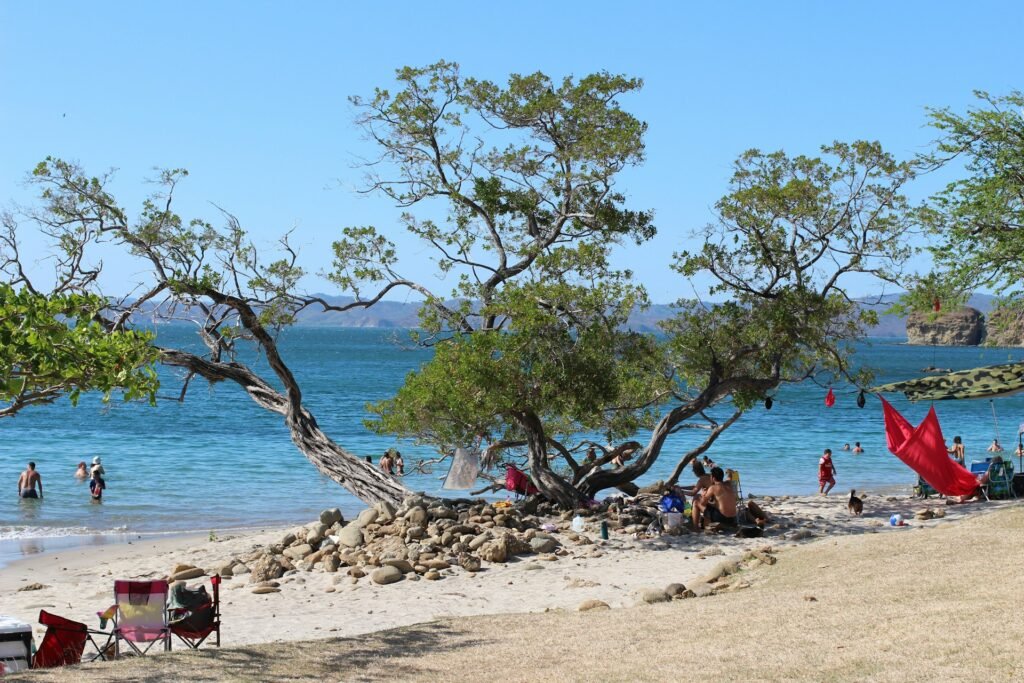
Costa Rica dry season Guanacaste beach Tamarindo sunny January
Last updated: April 2026. The complete guide to Costa Rica’s peak season — December through April.
The dry season is Costa Rica at its most polished: blue skies, hot sun, calm Pacific waters, and a tourism infrastructure running at full capacity. It is also the most expensive, most crowded, and least authentic version of a country that is genuinely extraordinary at any time of year.
This guide gives you everything you need to make the most of a dry season trip — including the strategies experienced travelers use to get peak-season conditions at something closer to green-season prices.
The dry season is covered in our Best Time to Visit Costa Rica 2026 guide alongside all other months — if you’re still deciding when to go, start there.
What Is the Dry Season in Costa Rica?
The dry season (temporada seca or verano) runs from December through April across the Pacific coast and Central Valley. It is defined by:
- Minimal to zero rainfall on the Pacific coast (Guanacaste is essentially desert-dry from January to April)
- Temperatures of 28–37°C (82–99°F) on the coast, cooler in the highlands
- Strong Pacific winds from January onward (especially in Guanacaste — relevant for kitesurfers and kite season)
- Clear blue skies with low humidity compared to the green season
- Peak tourist numbers and the highest prices of the year
Important caveat: The dry season applies to the Pacific coast and Central Valley. The Caribbean coast follows a different weather pattern — it can receive rainfall at any time of year and has its own distinct dry spells in March–April and September–October.
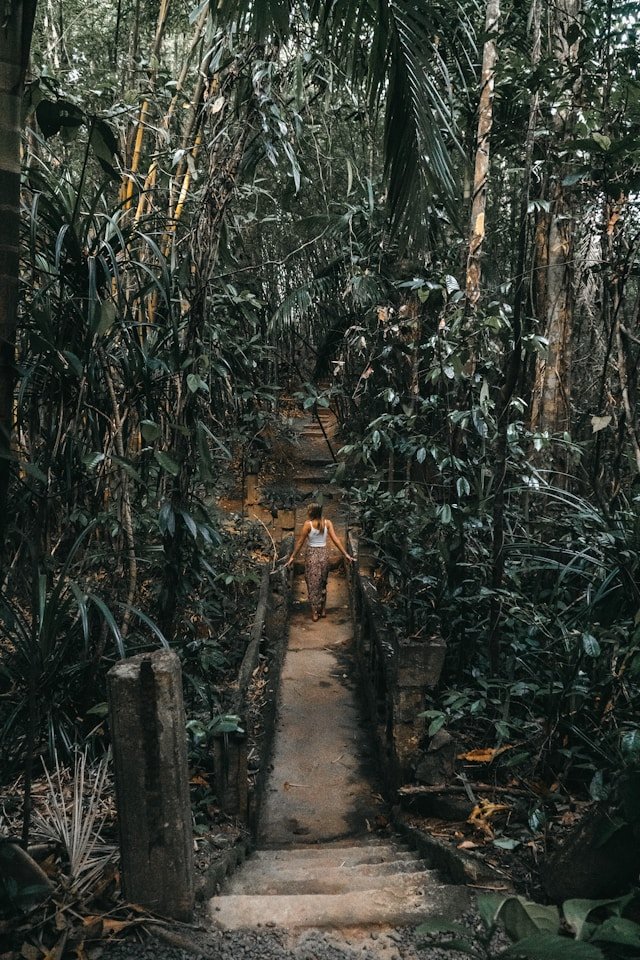
Month-by-Month: The Dry Season in Detail
December is a split month. The first two weeks are actually one of the best-value windows in all of Costa Rica — dry season weather has arrived, but the Christmas rush has not. From December 20 onward, Costa Rica enters its single most expensive and crowded window. Hotels triple in price during Christmas week and New Year’s. If you must travel in late December, book 4–6 months in advance and accept premium pricing.
January is peak season in full swing. Excellent weather across the Pacific coast and highlands. Wildlife is easy to spot — dry trails and sparse vegetation make spotting sloths, monkeys, and birds straightforward. Prices are high but not at Christmas levels. One of the most popular months for first-time visitors and families.
February is arguably the single best month of the dry season for most travelers. The holiday premium has passed, but the weather is superb. February is the driest month of the year across most of the Pacific coast. Whale sharks are sometimes spotted off the Osa Peninsula. Quetzal nesting begins in the cloud forests. Slightly lower prices than January with essentially identical weather.
March is hot, dry, and dominated by the approach of Semana Santa (Holy Week). This is Costa Rica’s version of spring break — when the entire domestic population takes a week-long beach holiday simultaneously. Prices triple, national parks hit maximum capacity, beaches are packed, and roads in popular areas are gridlocked. If you travel in March, either go in the first two weeks or plan weeks ahead for Easter.
April represents the end of the dry season, with the landscape noticeably more brown and dry by this point — particularly in Guanacaste. Early April is still packed due to Easter. From mid-April onward, crowds thin dramatically, prices drop sharply, and you get dry conditions with meaningfully fewer tourists. Late April is one of the most underrated times to visit Costa Rica.
The Best Beaches to Visit During Dry Season
The dry season is the optimal time for beach travel on the Pacific coast. These are the standout destinations:
Tamarindo (Guanacaste) is Costa Rica’s most famous beach town and the epicenter of dry season tourism. Long stretches of golden sand, consistent surf, a well-developed restaurant and nightlife scene, and easy access from Liberia Airport (LIR) make it the default choice for first-timers. Tamarindo is best visited in January or February — by March and April, it is extremely crowded and increasingly pricey.
Playa Conchal (Guanacaste) is arguably the most beautiful beach in Guanacaste — a bay of crushed white shells that shimmers turquoise in the dry season sun. It sits adjacent to the all-inclusive Westin resort but retains a more secluded feel than Tamarindo. Best in January and February.
Nosara (Nicoya Peninsula) attracts a different crowd — yoga practitioners, digital nomads, and experienced surfers drawn to its consistent beach break and bohemian village atmosphere. It is quieter and more expensive than Tamarindo, and better for travelers who want to slow down rather than party.
Manuel Antonio (Central Pacific) combines a world-class national park with some of Costa Rica’s most beautiful beaches. It is the best destination in the country for first-time visitors who want both wildlife and beach in one place. Book park entry tickets in advance — Manuel Antonio enforces strict daily visitor limits.
Santa Teresa (Nicoya Peninsula) is the surf capital of Costa Rica and a favorite of the adventurous traveler. An unpaved surf town with excellent restaurants and a sunset beach walk that rivals anything in the country. Accessible via ferry from Puntarenas or a small plane from San José.
Playa Uvita / Marino Ballena (South Pacific) is home to the remarkable whale tail sandbar — a natural formation that emerges at low tide, shaped exactly like a whale’s tail. This is also the whale watching capital of Costa Rica, with humpback whale sightings from December to March (northern hemisphere whales) and again from August to October. A beautiful, relatively uncrowded destination even in peak season.

Top Activities for the Dry Season
Wildlife watching is more accessible in the dry season because trails are clear, vegetation is less dense, and animals concentrate around water sources — making them easier to locate. Corcovado National Park on the Osa Peninsula is at its safest and most accessible from January through April. Manuel Antonio’s wildlife — sloths, capuchin and howler monkeys, white-nosed coatimundi — is reliably easy to spot year-round.
Hiking is optimal in the dry season. Trails at Arenal, Monteverde, Poás, and Rincón de la Vieja are at their driest, firmest, and least slippery. The Arenal 1968 lava trail and the Monteverde hanging bridges are dramatically more enjoyable when the paths are dry. For the dry season’s effect on your footwear and gear, see our Costa Rica Packing List.
Humpback whale watching (December–March) peaks in the Ballena Marine National Park area near Uvita, where northern hemisphere humpbacks spend their winter months. Tour operators run daily whale watching excursions from Uvita and Dominical. This is one of Costa Rica’s most extraordinary wildlife experiences and is exclusive to the dry season window on the north Pacific side.
Surfing (beginner to intermediate) is better suited to the dry season on many beaches. The smaller, more consistent waves of January through April are more forgiving for learners. Tamarindo and Playa Hermosa both offer surf schools that run well into the dry season. Experienced surfers, however, chase the larger swells of the green season.
Sailing and ocean activities are dramatically more accessible in the dry season. Catamaran tours, snorkeling excursions, sport fishing trips, and sunset cruises all depend on calm seas — which the dry season reliably delivers on the Pacific coast.
Zip-lining and canopy tours run year-round at Monteverde and Arenal, but dry season offers clearer visibility and less slippery platforms. Sky Adventures and Selvatura in Monteverde both run excellent programs through the dry season.
How to Save Money During Dry Season
The dry season is expensive — but there are genuine strategies that reduce costs without sacrificing experience.
Travel in late April. The last two weeks of April offer dry-season weather at transitional pricing. The tourist crush has ended, accommodations are negotiable, and activities are at full capacity. This is one of Costa Rica’s best-kept timing secrets.
Fly into Liberia (LIR) instead of San José (SJO). If your itinerary is focused on Guanacaste and the Nicoya Peninsula — the heartland of dry season beach travel — Liberia Airport places you 30–45 minutes from the major beach towns versus a 4–5 hour drive from San José. LIR flights are often cheaper, especially from US East Coast hubs.
Book accommodations mid-week. Dry season hotels in beach towns like Tamarindo and Manuel Antonio charge premium rates on weekends (Friday–Sunday arrivals). A Tuesday to Tuesday booking can save 20–30% over the same accommodation on a weekend schedule.
Avoid Christmas, New Year’s, and Semana Santa without exception. These three windows represent the most expensive, most crowded, and least enjoyable times to visit Costa Rica. The markup over standard dry season rates is 50–100%. If your travel dates overlap with these periods, the Costa Rica Rainy Season guide covers when to go instead.
Stay further from the beach. Beachfront accommodation in Tamarindo is 3–4x the price of a hotel 10 minutes inland. Renting a car (which you should do anyway for maximum flexibility) and staying slightly back from the most popular zones dramatically reduces accommodation costs.
A full breakdown of what a trip actually costs is in our Costa Rica Budget Travel Guide 2026.
Semana Santa: The One Warning Every Dry Season Traveler Needs
Semana Santa (Holy Week) is Costa Rica’s biggest domestic holiday. It falls in late March or early April, and it shuts the country down for a week-long beach migration. Every beach town from Tamarindo to Manuel Antonio fills with domestic tourists. Roads become gridlocked. Hotel prices triple. National parks hit capacity within the first hour of opening.
In 2026, Semana Santa falls in the first week of April. If your trip overlaps with this week:
- Book accommodation 4–6 months in advance
- Pre-book all national park entry tickets online
- Pre-book all tours and activities
- Budget 50–100% more than standard dry season rates
- Consider routing your itinerary away from Pacific beach towns entirely during this week — the Central Valley highlands, Monteverde, and the Caribbean coast are far less affected

Dry Season by Region: Where to Go When
Guanacaste (Northwest Pacific): January–April is peak dry season. Exceptional beach weather, strong winds from January making it perfect for kite surfing at Playa Coco and Tamarindo. Gets very hot and extremely dry by March–April — the vegetation is brown and the landscape is parched, though beaches remain beautiful.
Central Pacific (Manuel Antonio, Jacó): Similar dry season pattern to Guanacaste but slightly more humid. Manuel Antonio is excellent January through April, with the national park at its most accessible and the wildlife most easily spotted. Jacó is lively and surf-focused throughout.
South Pacific (Uvita, Dominical, Osa Peninsula): The Osa Peninsula and Corcovado are at their most accessible and least dangerous from January through April. Corcovado requires advance park permits, mandatory guides, and a genuine adventure mindset — it is the most remote and wildlife-rich destination in the country.
Central Valley and San José: Pleasant year-round with dry season temperatures of 22–26°C. The dry season does not dramatically change the experience here — it is a year-round destination.
Caribbean Coast: The dry season on the Pacific does not apply here. The Caribbean coast has its own micro-seasons. For the Caribbean, March and April are generally dry and pleasant — then rain increases from May onward, though September and October remain the Caribbean’s driest months.
Frequently Asked Questions
The dry season on the Pacific coast and Central Valley runs from approximately December 1 through April 30. The first rain of the green season typically arrives in early to mid-May. The exact date varies by year and region — Guanacaste is the last to receive rain, often staying dry well into May.
Both are excellent. January is busier and slightly more expensive following the holidays. February is considered by many experienced travelers to be the single best month in Costa Rica — superb weather, lower prices than January, and the Quetzal nesting season beginning in the cloud forests.
Early December (1–19) is excellent — dry season has arrived, weather is perfect, and the Christmas rush has not yet begun. From December 20 through January 1, Costa Rica is at its most expensive and most crowded. Early December is the year’s best-kept timing secret for dry season travel.
For most travelers, yes. Unless you specifically want to experience Costa Rica’s domestic holiday culture, Semana Santa (Holy Week, late March or early April) brings maximum crowds, maximum prices, and gridlock in beach towns. Either travel outside this window or book 4–6 months in advance.
The dry season (December–April) brings ideal weather to the Pacific coast. The Caribbean coast does not follow this pattern — it can receive rain year-round. For dry season beach travel, the Pacific is the answer.

Sujan Pariyar is a passionate travel writer and digital nomad expert based in Kathmandu, Nepal. Having lived and traveled extensively while balancing remote work and volunteering projects, he brings firsthand experience to topics like work exchange programs (Worldpackers and Workaway), digital nomad visas for 2026, budget destinations, and building a location-independent lifestyle.
In addition to travel content, Sujan creates in-depth articles on business strategies, digital marketing, and entrepreneurship — helping readers turn their wanderlust into sustainable income streams. His writing style blends honest reviews, detailed comparisons, and actionable tips drawn from real trips, community interactions, and ongoing research into evolving travel policies.
Sujan has contributed to various platforms over the years and is committed to creating trustworthy, up-to-date guides that empower travelers to make informed decisions. Follow his adventures and insights as he continues to explore the world while documenting practical ways to travel smarter in 2026 and beyond.