Caribbean Coast vs Pacific Coast Costa Rica 2026 – Which Side Should You Visit?
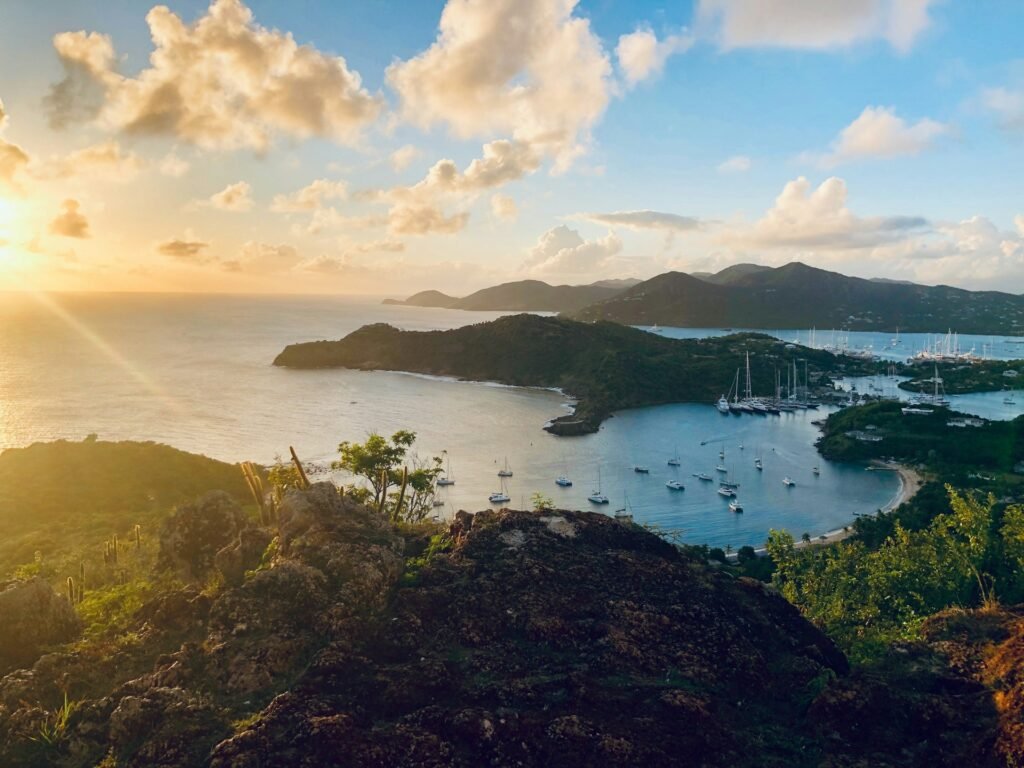
Last updated: April 2026. The definitive comparison for travelers who need to choose.
Costa Rica is one of only a few countries in the world where you can drive from a Pacific surf beach to a Caribbean jungle canal in under four hours. These two coastlines are not just geographically distinct — they offer genuinely different weather, culture, wildlife, atmosphere, and experiences. Choosing the wrong one for your travel dates can mean arriving in rain when the sun is shining on the other side of the mountains.
This guide compares both coasts across every dimension that matters for travel planning. For how both coasts fit into the annual timing picture, the Best Time to Visit Costa Rica 2026 guide gives you the complete seasonal breakdown.
The Single Most Important Fact: Opposite Weather Patterns
Before any comparison of beaches or wildlife, understand the core geographic reality: the Pacific and Caribbean coasts of Costa Rica have almost exactly inverted weather patterns.
When the Pacific coast is at its wettest (September–October), the Caribbean coast is at its driest and sunniest. When the Pacific is at its best (January–March), the Caribbean tends to be more overcast and occasionally rainy.
This inversion is the most strategically important piece of knowledge for any Costa Rica trip. It means:
- September and October travelers should go to the Caribbean, not the Pacific
- December through April travelers get the best weather on the Pacific coast
- July and August split-route trips can enjoy good conditions on both coasts simultaneously
This single insight unlocks trips that most tourists miss entirely.
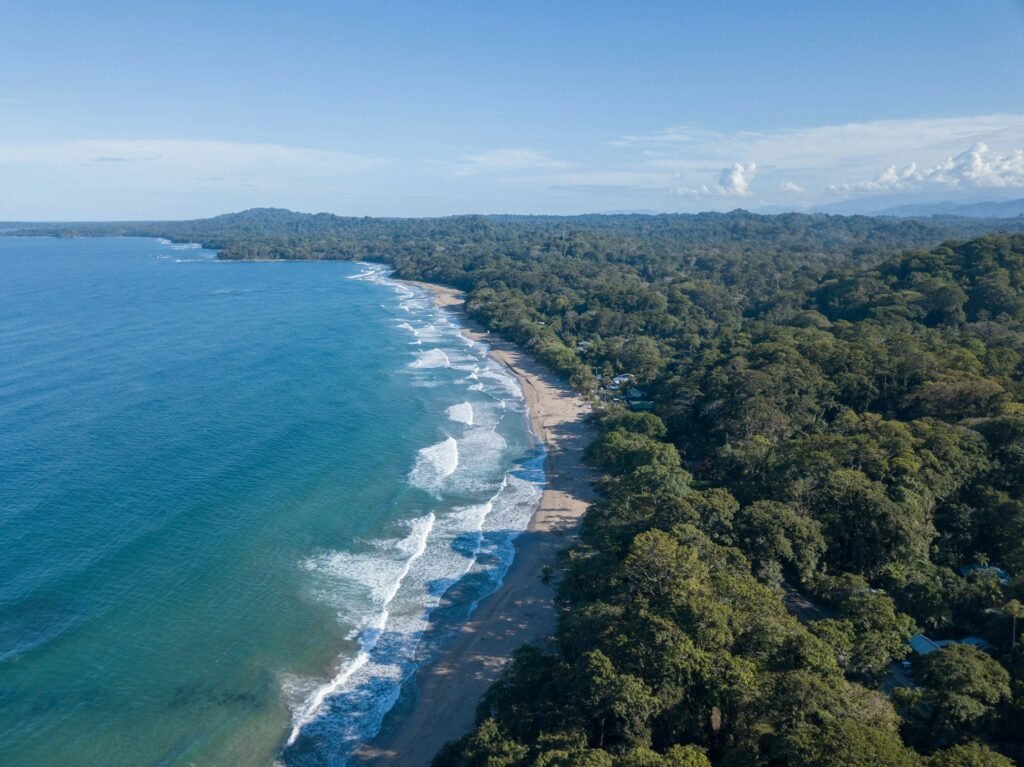
Pacific Coast: The Overview
The Pacific coast stretches from the Nicaraguan border in the northwest (Guanacaste) down to the Panama border in the southeast (Osa Peninsula). It is the more developed, more visited, and more tourist-infrastructure-heavy coast.
Best weather: December through April (dry season). Also good in July–August (veranillo). Worst months: September–October on the Pacific — heavy rain, some flooding, limited activities. Key destinations: Tamarindo, Nosara, Santa Teresa, Jacó, Manuel Antonio, Uvita, Corcovado. Culture: Primarily Spanish Costa Rican (Tico) culture. More Americanized in tourist hubs. English widely spoken. Accessibility: Liberia Airport (LIR) serves northwest Pacific directly. San José (SJO) is the main hub for central and southern Pacific. Road conditions: Main highway (Costanera Sur) is well-maintained. Off-highway roads require 4×4, especially in rainy season. Price level: Generally higher than the Caribbean, especially in dry season peak.
Pacific Coast Highlights
Guanacaste is Costa Rica’s classic beach destination — long white sand beaches, crystal Pacific water, reliable dry season sunshine, and a well-developed tourism infrastructure. Tamarindo is the social hub; Nosara attracts the wellness-focused crowd; Playa Conchal is often cited as the most beautiful beach in the country.
Manuel Antonio combines a spectacular national park with beach access in a single destination. The wildlife — sloths, monkeys, colorful birds — is the most easily visible and reliably accessible of any major destination in the country. The beach inside the park is sheltered and calm.
Uvita and the Osa Peninsula is the Pacific’s wild south — home to Corcovado National Park (the most biodiverse rainforest on Earth), world-class whale watching at Ballena Marine National Park, and an atmosphere of frontier adventure that the more developed northern beaches lack.
Santa Teresa is for surfers, yogis, and those who want a beach with personality. Unpaved roads, dramatic sunsets, world-class surf breaks, and a genuinely cosmopolitan food scene make it the Pacific’s most charismatic destination.
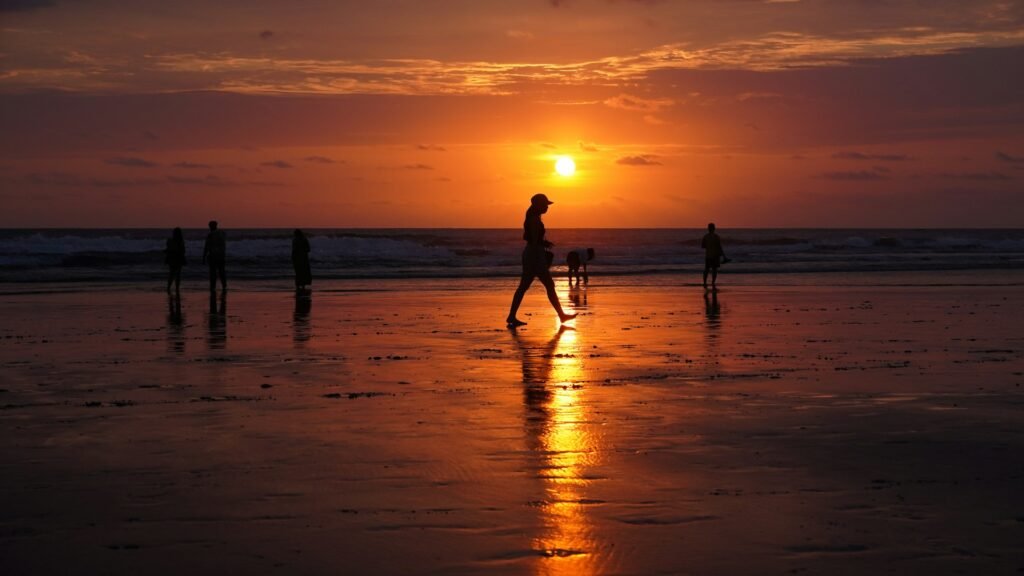
Caribbean Coast: The Overview
The Caribbean coast runs south from the Nicaraguan border to Panama, but most tourism is concentrated in two main areas: Tortuguero in the north (accessible only by boat or small plane) and the southern stretch from Cahuita through Puerto Viejo to Manzanillo.
Best weather: September–October (peak dry window), and generally March–April.
Worst weather: May–June and November–December (heaviest Caribbean rain periods).
Key destinations: Tortuguero, Cahuita, Puerto Viejo de Talamanca, Manzanillo.
Culture: Afro-Caribbean culture dominates the southern coast — English Creole, reggae music, traditional Caribbean cuisine (rice and beans cooked in coconut milk versus the Pacific’s gallo pinto), and a distinctly different social atmosphere from the Pacific.
Accessibility: No major international airport. Access from San José by bus (4–5 hours) or shuttle. Tortuguero by boat or small plane only.
Road conditions: Main highway to Puerto Viejo (Route 36) is paved and reasonable. Further toward Manzanillo the roads deteriorate. No significant unpaved 4×4 roads required for standard itineraries.
Price level: Generally lower than the Pacific, especially for accommodation and food.
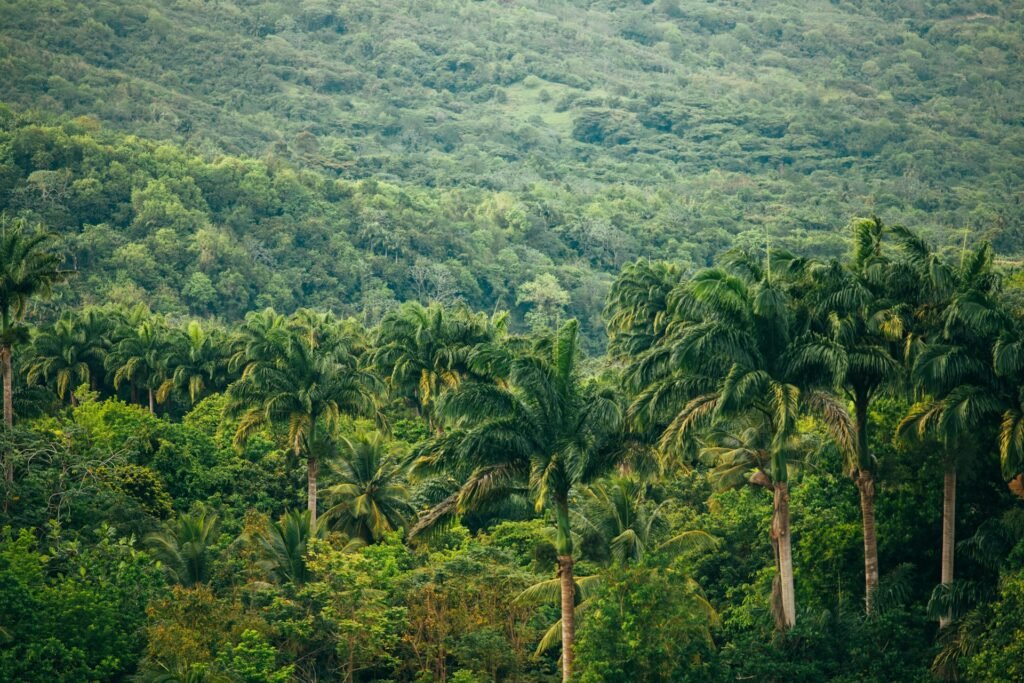
Caribbean Coast Highlights
Tortuguero National Park is the Caribbean’s jewel and one of Costa Rica’s most unique experiences. This wilderness area is accessible only by boat through a network of jungle canals — there are no roads. The town of Tortuguero sits on a narrow sand spit between the Caribbean Sea and the canals. The park is the most important nesting site for Atlantic green sea turtles in the western hemisphere, with peak nesting from July to October. Canal tours to spot caimans, manatees, river otters, and extraordinary birdlife are available year-round.
Puerto Viejo de Talamanca is a backpacker and budget traveler favorite — a small Caribbean beach town with a bohemian atmosphere, excellent food (the Caribbean food culture here is genuinely distinct from anything on the Pacific side), and access to Playa Cocles and Playa Manzanillo, two of the most beautiful beaches in Costa Rica. Puerto Viejo also offers easy access to Cahuita National Park, which has excellent coral reef snorkeling and reliable sloth and monkey sightings on its beach trail.
Manzanillo and the Gandoca-Manzanillo Wildlife Refuge is the southern Caribbean’s quietest and most beautiful stretch — a rarely-visited area of pristine beach and jungle that sees a fraction of the tourists that Manuel Antonio receives. Dolphin watching in Manzanillo Bay is excellent.
The Side-by-Side Comparison
Weather reliability: Pacific wins for dry season reliability. The January–April Pacific dry season is more predictable and extreme (genuinely bone-dry in Guanacaste) than anything the Caribbean offers. But the Caribbean’s September–October dry window is the most reliable sunny period either coast has during that part of the year.
Beach quality: Pacific wins on volume and variety — hundreds of beaches ranging from dramatic surf breaks to sheltered coves. The Caribbean has fewer beaches but some contenders for the country’s most beautiful — Playa Cocles and Manzanillo are extraordinary.
Wildlife: Tortuguero is arguably the single best wildlife experience in all of Costa Rica and is unique to the Caribbean. Corcovado (Pacific) is more biodiverse for overall wildlife density. Manuel Antonio (Pacific) is the most accessible wildlife destination. The Caribbean wins for unique experiences — the canal system at Tortuguero is unmatchable.
Culture: Caribbean coast wins decisively for cultural distinctiveness. The Afro-Caribbean culture, food, music, and atmosphere of Puerto Viejo is a genuinely different Costa Rica from the Pacific tourist circuit. For travelers who want more than nature and want to engage with local culture, the Caribbean is more rewarding.
Accessibility: Pacific wins. Two international airports (Liberia and San José) serve the Pacific directly. The Caribbean requires additional overland or boat travel from San José.
Budget: Caribbean wins. Puerto Viejo, Cahuita, and Tortuguero are all meaningfully cheaper than comparable Pacific destinations. Accommodation, food, and activities on the Caribbean cost 20–35% less on average.
Surfing: Pacific wins. The Pacific’s consistent swells and variety of breaks — from beginner-friendly Tamarindo to the powerful barrels of Playa Hermosa — are unmatched. The Caribbean has surf (the beach break at Puerto Viejo is well-known among locals) but it is seasonal and less consistent.
Ease for first-timers: Pacific wins. Better infrastructure, more English spoken, more tour options, easier roads, and airports that serve it directly make the Pacific coast the natural starting point for a first Costa Rica trip.
Which Coast Is Right for You?
Go to the Pacific if: You want guaranteed sunshine (travel December–April). You are a first-time visitor. You want the classic Costa Rica beach experience. You are surfing at intermediate level or beyond. You want the widest range of accommodation and tour options. You are visiting in July or August and want the veranillo window.
Go to the Caribbean if: You are traveling in September or October (the Caribbean is at its best when the Pacific is at its worst). You want to experience Tortuguero’s turtle nesting season. You want a more budget-friendly trip. You are interested in Afro-Caribbean culture and food. You want beaches with fewer tourists. You are combining with a Pacific trip on a longer itinerary.
Do both if: You have 10 or more days. You are traveling in July–August when conditions are good on both sides. You want to experience both the classic Costa Rica and its less-visited counterpart. The country is small enough that crossing from Pacific to Caribbean (or vice versa) takes half a day by shuttle.
See the Costa Rica Packing List for gear considerations specific to each coast. The Costa Rica Budget Guide 2026 covers cost differences between the two coasts in detail.
The Strategic Combination Trip
The most experienced Costa Rica travelers do not pick one coast — they route their itinerary to take advantage of the weather inversion. Two especially effective combinations:
Pacific + Tortuguero (July–August): Start with 4–5 days on the Pacific, taking advantage of the veranillo for beach and activity days. Then cross to Tortuguero for 2–3 nights during peak turtle nesting season. Both sides are excellent simultaneously in this window.
Caribbean First, Pacific After (September–October): Arrive in San José, head immediately to the Caribbean for 4–5 days of sunshine, snorkeling at Cahuita, and the culture of Puerto Viejo. Then cross back through the Central Valley to the Osa Peninsula or Manuel Antonio for a Pacific conclusion. In September and October, this combination captures the best weather on each coast.
Frequently Asked Questions
Neither is universally better — the right choice depends entirely on when you’re traveling and what you want. Pacific is best for dry season beach holidays (December–April) and first-time visitors. Caribbean is best for September–October travel, turtle season, budget travel, and cultural experiences.
Yes, and for trips of 10+ days it is highly recommended. San José sits between both coasts — driving from Tamarindo to Puerto Viejo takes about 5–6 hours, or you can take a comfortable shuttle. Many travelers spend their first week on one coast and second week on the other.
The Pacific has more beaches and more variety. The Caribbean has fewer beaches but some that compete for the country’s most beautiful — Playa Cocles and Manzanillo are extraordinary and far less crowded than their Pacific equivalents.
The Caribbean coast is consistently cheaper — accommodation, food, and activities cost 20–35% less than comparable Pacific destinations. Puerto Viejo is one of the best-value areas in all of Costa Rica.
Tortuguero is on the Caribbean coast, accessible by boat or small plane. It is a completely different experience from the Pacific coast and one of the most unique destinations in all of Costa Rica.
December to February can be rainy on the Caribbean — this is not the Caribbean’s dry season. The best weather on the Caribbean coast occurs in September–October and in brief windows in March–April. The Pacific coast is the better choice for December–April travel.

Sujan Pariyar is a passionate travel writer and digital nomad expert based in Kathmandu, Nepal. Having lived and traveled extensively while balancing remote work and volunteering projects, he brings firsthand experience to topics like work exchange programs (Worldpackers and Workaway), digital nomad visas for 2026, budget destinations, and building a location-independent lifestyle.
In addition to travel content, Sujan creates in-depth articles on business strategies, digital marketing, and entrepreneurship — helping readers turn their wanderlust into sustainable income streams. His writing style blends honest reviews, detailed comparisons, and actionable tips drawn from real trips, community interactions, and ongoing research into evolving travel policies.
Sujan has contributed to various platforms over the years and is committed to creating trustworthy, up-to-date guides that empower travelers to make informed decisions. Follow his adventures and insights as he continues to explore the world while documenting practical ways to travel smarter in 2026 and beyond.