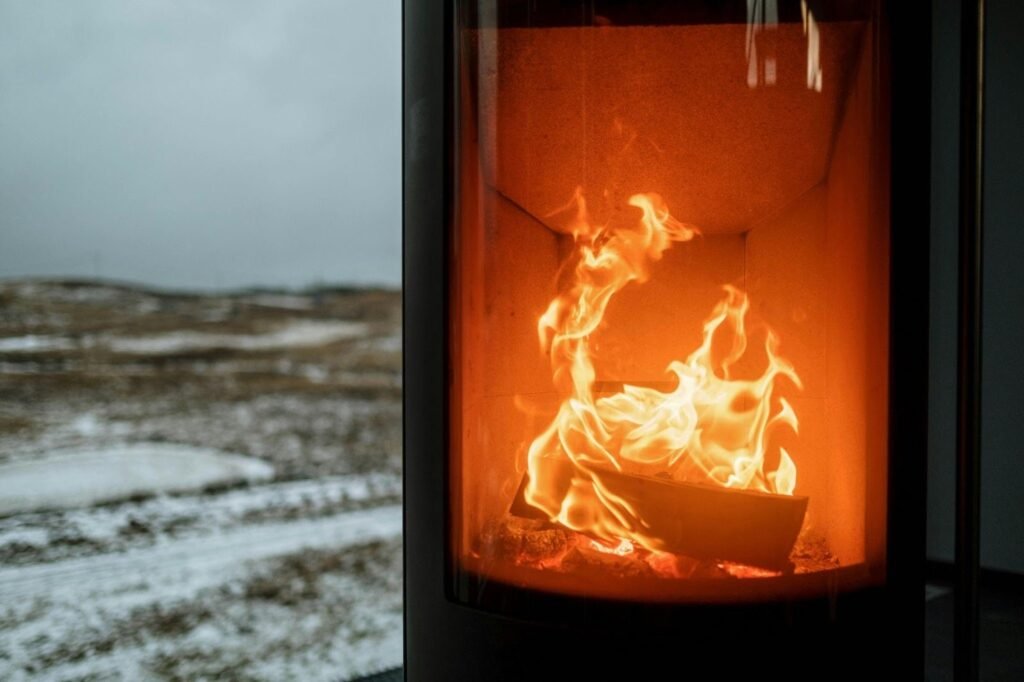
How Technology is Transforming Heating Services
The transformation of heating services has been propelled by advancements in technology. From the evolution of smart thermostats to the incorporation of IoT devices, heating services have become more efficient, responsive, and user-friendly.
One of the most significant changes we are witnessing is the rise of automation in heating systems, allowing homeowners and businesses to manage their heating needs more effectively than ever. This innovation is about energy efficiency, cost savings, and environmental impact.
Smart Thermostats and Their Impact
Smart thermostats are revolutionizing how heating systems are managed. Gone are the days of manually adjusting the thermostat. These devices learn user behaviors to optimize heating schedules automatically.
Studies show that smart thermostats can save households approximately 10 to 12 percent on heating bills. By analyzing data patterns, these innovative devices adapt in real time to provide the perfect balance of comfort and energy conservation.
Many smart thermostats come with user-friendly apps that enable remote access. Whether at work or on vacation, homeowners can monitor and adjust their heating settings from anywhere, ensuring energy is not wasted while they are away. This convenience contributes significantly to the growing trend of energy-efficient homes, aligning with the increased awareness and urgency surrounding climate change.
A Game Changer for Heating Systems
The integration of Internet of Things (IoT) technology into heating systems marks a significant advancement. IoT allows devices within a heating system to communicate, offering superior insights into operational efficiency and maintenance needs.
Sensors can detect temperature changes, humidity levels, and even potential system malfunctions before they escalate into significant issues. As explained by experts from https://ljrolls.com/, proactive maintenance has become a hallmark of modern heating services. By utilizing IoT devices, HVAC services can receive alerts about necessary repairs or upkeep, potentially saving customers from unexpected breakdowns.
This predictive maintenance approach extends the lifespan of heating systems and optimizes their performance, resulting in lower energy consumption and cost savings.
Energy Efficiency Standards and Regulations
As technology evolves, so do energy efficiency standards and regulations. Legislation is tightening around energy usage, compelling HVAC manufacturers to innovate continually.
This environment of heightened scrutiny has spurred the creation of more efficient heating systems that meet stringent guidelines. The Energy Star program recognizes products that fulfill energy efficiency criteria, guiding consumers toward sustainable options.
This push for energy efficiency benefits the environment and empowers consumers with choices that can significantly reduce energy costs. Businesses that comply with these standards often benefit from tax incentives and rebates, enhancing their bottom line. The shift toward promoting energy-efficient heating systems is a substantial stride toward meeting global sustainability goals.

Smart Grids and Their Role in Heating
Smart grids are playing an increasingly important role in transforming heating services. By integrating renewable energy sources, smart grids enhance the efficiency of heating systems significantly.
With the ability to balance load demands and generate energy from a variety of sources, smart grids create a more sustainable energy system. They allow for the efficient use of solar, wind, and other renewable energy resources, which can power heating systems effectively.
The interconnectivity provided by smart grids allows heating service providers to monitor usage patterns and allocate resources more efficiently. This dynamic approach leads to reduced operational costs and improved reliability, providing customers with consistent heating even during peak demand periods.
Innovative Developments Ahead
As we look toward the future, innovative developments in heating technology will likely emerge. The growth of artificial intelligence (AI) in the heating industry is a significant trend.
AI can analyze vast amounts of data, making adjustments to heating systems based on real-time conditions and user preferences. This level of personalization will enhance user experience, making it possible for systems to adapt to individual needs seamlessly.
Advancements in materials science are paving the way for better insulation solutions and more energy-efficient heating components. Such innovations will drive the efficacy of heating systems, ensuring they operate with lower energy consumption while maintaining optimal functionality. With technology continuously evolving, stakeholders in the heating sector must stay abreast of these changes to maintain a competitive edge.
Challenges of Technology Integration in Heating Services
Despite the benefits that technology brings to heating services, several challenges remain. One significant hurdle is the need for skilled technicians who can handle advanced heating systems.
As technology becomes more sophisticated, the demand for technicians with specialized training increases. The industry must invest in education and training to ensure that the workforce is prepared for this shift.
Security concerns surrounding IoT devices pose a challenge. As systems become increasingly connected, the risk of cyberattacks grows.
Ensuring the security of heating systems requires robust cybersecurity measures, which can be an added expense for companies. Addressing these challenges while maximizing technology benefits will be crucial for the future of heating services.
Technology is undeniably reshaping heating services, leading to increased efficiency, convenience, and sustainability. As smart thermostats, IoT integration, energy efficiency standards, and innovative developments continue to evolve, both consumers and the industry will benefit.
Keeping pace with these advancements will enhance customer experiences and contribute to broader energy conservation efforts. The future of heating services holds exciting possibilities as technology becomes intertwined with our everyday needs.

We create powerful, insightful content that fuels the minds of entrepreneurs and business owners, inspiring them to innovate, grow, and succeed.