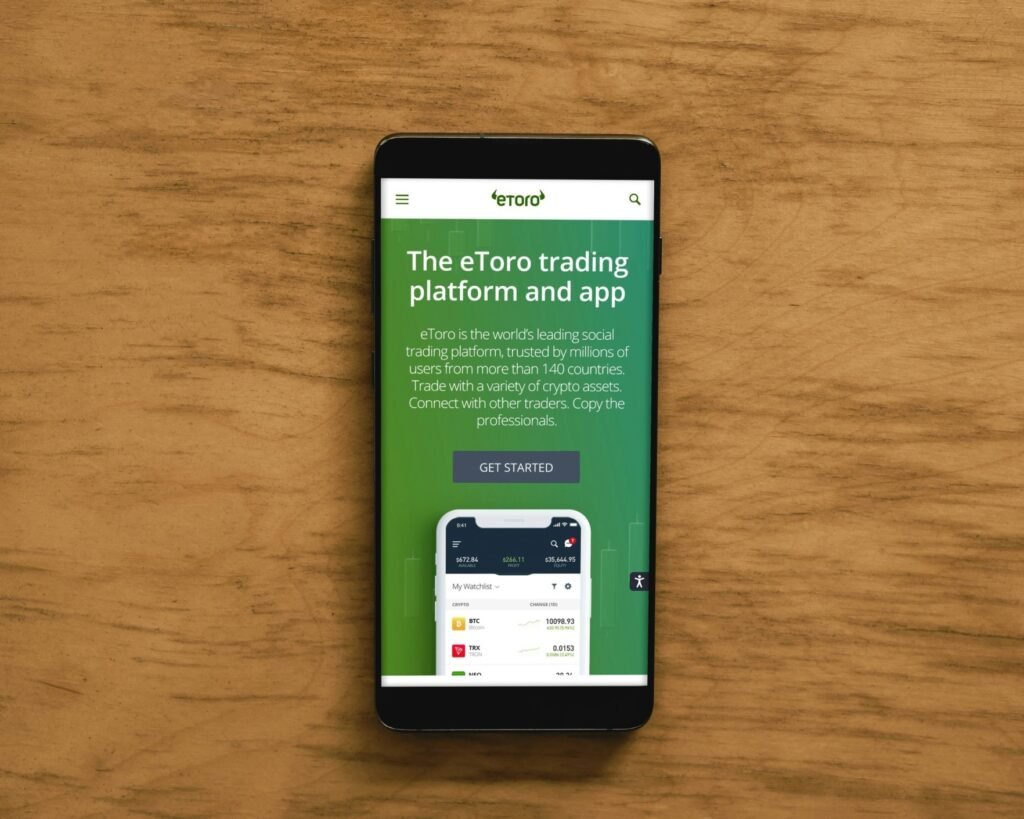
Can Forex Trading Turn $100 into $1000?
Understanding Forex Trading
Forex trading, short for foreign exchange trading, involves the buying and selling of currencies with the aim of making a profit. The primary purpose of the foreign exchange market is to facilitate international trade and investment by allowing businesses and investors to convert one currency into another. As one of the largest and most liquid financial markets globally, forex trading operates 24 hours a day, five days a week, enabling participants from different parts of the world to engage in currency transactions.
At the core of forex trading are currency pairs, which represent the value of one currency against another. For instance, in a currency pair like EUR/USD, the euro is the base currency, and the US dollar is the quote currency. When a trader speculates that the euro will strengthen against the dollar, they may buy the pair, hoping to sell it later at a higher price. Understanding the movements of currency pairs, as well as factors that influence exchange rates, is crucial for success in forex trading.
Pips, or percentage in points, are the smallest units of measurement in currency pairs, used to express changes in value. For instance, if the EUR/USD moves from 1.1000 to 1.1005, it has moved five pips. Traders often use leverage to magnify their trading power, allowing them to control larger positions with a smaller amount of capital. Leverage can increase potential profits, but it also comes with higher risks. Therefore, it is vital for traders to have a clear strategy and risk management plan especially when contemplating whether forex trading can turn $100 into $1000.
The Myth of Quick Riches in Forex
Forex trading has garnered significant popularity as a means of making substantial returns on investment. However, a common misconception persists that individuals can swiftly convert a modest investment of $100 into a staggering $1000. This myth creates unrealistic expectations for aspiring traders, often luring them into the realm of Forex without a clear understanding of the market’s complexities.
The idea that Forex trading inherently entails easy and rapid financial gains overlooks the fundamental principles underlying successful trading practices. In reality, there is no guaranteed method or formula that ensures such remarkable returns in a short timeframe. Factors such as market volatility, economic events, trading strategies, and risk management play critical roles in determining the outcomes of trading decisions.
Moreover, engaging in Forex trading without proper education and experience can lead to significant losses rather than the anticipated profits. Many novice traders may find themselves entangled in risky trading behaviors, driven by the allure of undue quick profits. Rather than cultivating a disciplined approach anchored in research and strategy, they may succumb to the temptations of leveraging their small investments disproportionately, further exacerbating their financial risks.
Ultimately, the vision of transforming $100 into $1000 rapidly is often more a product of fiction than financial reality. It is essential for traders to have a grounded perspective on what Forex trading entails. While it is possible to achieve significant profits in forex, these gains require considerable time, effort, and a robust understanding of market dynamics, making it imperative to approach Forex trading with realistic expectations.
Realistic Expectations for Beginners
Forex trading offers a vast array of opportunities, yet aspiring traders often harbor unrealistic expectations about their potential for financial success. One common question that arises is, “Can Forex trading turn $100 into $1000?” This question is often fueled by tales of significant returns, leading beginners to envision a quick path to wealth. However, it is crucial for newcomers to understand the reality of trading in the foreign exchange market.
When entering the Forex market, beginners should prioritize setting achievable goals. While it is possible to see considerable returns, it typically involves high risk. Many traders aim for a consistent, sustainable profit rather than dramatic financial gains. New traders should be aware that the market’s volatility means that losses can occur just as easily as profits. A comprehensive understanding of risk management principles is essential, as it helps to minimize potential losses and protect trading capital.
An effective trading plan and strategy should be at the forefront of any new trader’s approach. This plan involves setting clear goals, determining how much capital to allocate, and identifying a risk-reward ratio that aligns with personal risk tolerance. Critical to this process is the commitment to ongoing education and practice. Utilizing demo accounts and gradually increasing investment can foster a better understanding of market dynamics without jeopardizing significant capital.
In summary, while the prospect of turning $100 into $1000 may sound appealing, aspiring Forex traders must ground their expectations in real-world experience and education. Developing sound trading strategies, recognizing inherent market risks, and implementing a disciplined approach will pave the way for a more pragmatic outlook on profits and losses in the Forex market.
Risk Management Strategies
In the realm of Forex trading, effective risk management strategies are essential tools for traders aiming to protect their investments and reduce potential losses. Understanding how to minimize risk enables traders to explore the possibility of turning $100 into $1000. This section explores critical strategies, including position sizing, the implementation of stop-loss orders, and maintaining a favorable risk-reward ratio.
Position sizing refers to determining how much capital to allocate to a specific trade. This concept is vital for controlling risk exposure. A general rule of thumb is to risk only a small percentage of the trading account per trade, often recommended at 1% or 2%. By adhering to this guideline, traders can make many trades without jeopardizing their overall capital, increasing the chances of achieving substantial returns, such as turning $100 into $1000.
Stop-loss orders serve as safety nets during trading. By setting a specific price point at which a losing trade will be automatically closed, this tool helps mitigate further losses should the market move unfavorably. Utilizing stop-loss orders ensures that traders maintain control over their risk exposure and can protect their investments effectively. This strategy is particularly useful in the volatile environment of Forex trading, where price fluctuations can be rapid and unpredictable.
Lastly, maintaining a proper risk-reward ratio is fundamental in ensuring long-term trading success. This ratio compares the potential profit of a trade to its potential loss, guiding traders in making informed decisions. A commonly advised risk-reward ratio is 1:2 or higher, meaning traders should target profits that are at least twice their potential losses. By combining sound position sizing, protective stop-loss mechanisms, and a favorable risk-reward ratio, a trader can navigate the Forex market more securely, all while exploring methods to potentially transform initial investments substantially.
Developing Trading Skills and Knowledge
In the realm of Forex trading, acquiring the necessary skills and knowledge is paramount for those exploring the potential to turn $100 into $1000. A solid educational foundation allows traders to understand market dynamics, recognize opportunities, and execute informed trades. Before venturing into the trading arena, it is essential to familiarize oneself with the fundamental concepts of currency markets, including terms like pips, leverage, and margin, which can all affect trading outcomes.
Various resources are available to aspiring Forex traders that can greatly enhance their education. Online courses, webinars, and forex trading books provide valuable insights into the market, covering both basic theories and advanced trading strategies. Additionally, reputable financial websites and platforms often feature blogs, articles, and video tutorials designed to simplify complex topics for beginners. By investing time in educational materials, traders can develop a solid grasp of different trading approaches, such as day trading, swing trading, and scalping, each with its own unique risk and reward profiles.
Moreover, the significance of practicing with demo accounts cannot be overstated. Many brokerage firms offer demo trading accounts, allowing individuals to simulate trading in real-time markets without risking their capital. This practice enables traders to refine their strategies, improve their execution, and gain confidence in their decision-making abilities before transitioning to live trading with real funds. As traders progress, they may question whether Forex trading can indeed turn $100 into $1000. However, such success is contingent not only on market conditions but also on the trader’s developed skills and comprehensive preparation.
Leveraging Tools and Technology
The world of Forex trading is not just about acquiring knowledge; it is also significantly influenced by the tools and technologies that traders employ. When considering the question, “Can Forex trading turn $100 into $1000?” it is essential to understand the impact of leveraging these resources effectively. Various trading platforms are available, each offering diverse functionalities that can assist traders in executing their strategies efficiently. Popular platforms like MetaTrader 4 and MetaTrader 5 provide robust environments for both beginners and experienced traders, featuring charting tools, an extensive library of market indicators, and customizable interfaces.
In addition to trading platforms, analytical tools play a crucial role in shaping trading decisions. These tools help traders analyze market trends, sentiment, and technical factors impacting currency pairs. By utilizing fundamental and technical analysis, traders can identify optimal entry and exit points, enhancing their potential for profitability. Furthermore, news aggregation tools keep traders informed about global events that can influence currency markets, thus allowing for more informed trading decisions.
Automated trading systems, or trading robots, are another significant advancement in Forex trading technology. These systems can execute trades based on pre-set criteria, allowing traders to capitalize on market opportunities without requiring constant monitoring. While automated trading carries its risks, the ability to operate 24/7 opens up the potential for substantial gains, and could aid in the endeavor of transforming a modest initial investment into more substantial returns.
By leveraging these tools effectively, Forex traders are better equipped to navigate the complexities of the market, ultimately improving their chances of achieving financial objectives, including whether Forex trading can indeed turn $100 into $1000.
The Role of Discipline and Psychology in Trading
In the dynamic world of Forex trading, discipline and psychology are pivotal for achieving success. Traders often face a myriad of challenges, such as market volatility, unexpected losses, and emotional turmoil, all of which can impede their ability to adhere to trading strategies. To effectively answer the question, can Forex trading turn $100 into $1000, one must consider the psychological factors that influence decision-making.
First and foremost, maintaining discipline is essential for Forex traders. A well-defined trading plan that includes entry and exit strategies, risk management, and clear profit targets is fundamental. Traders should commit to following their strategies regardless of market fluctuations. This requires continuous self-control, as the temptation to deviate from a trading plan can lead to impulsive decisions and substantial losses.
Moreover, emotional management plays a critical role in trading psychology. Fear and greed are two of the most significant emotions that traders encounter. Fear can lead to hesitation and missed opportunities, while greed may prompt traders to over-leverage their positions. Therefore, developing the ability to recognize and regulate these emotions can enhance a trader’s capacity to execute trades based on logic rather than feelings. This type of emotional intelligence is necessary for making calculated decisions about when to enter or exit a trade.
Ultimately, to transform a modest sum like $100 into $1000 through Forex trading, individuals must cultivate a disciplined approach and prioritize psychological resilience. Recognizing the interplay between mindset and trading behavior can empower traders to sustain focus and diligently pursue their goals, especially during challenging periods in the market.
Case Studies of Turning $100 into $1000
Trading in the foreign exchange market is often heralded as a potential path to quick wealth, with examples circulating of individuals who have transformed a modest investment of $100 into a whopping $1000 or more. However, these success stories frequently rest upon a precarious foundation of high risk and significant market volatility. Several case studies underscore both the allure of trading and the inherent dangers involved.
One notable case was that of a trader who leveraged aggressive trading strategies combined with high leverage ratios offered by forex brokers. By executing a series of well-timed trades, this trader capitalized on short-term market fluctuations and achieved an impressive return from $100 to $1000 within a few days. However, it is crucial to acknowledge that such rapid gains were made at the expense of substantial risk, and if the markets had moved in the opposite direction, the trader could have just as easily lost their initial capital.
Another hypothetical scenario involves a trading strategy that relies on stringent risk management principles. In this case, a trader consistently applied a disciplined approach, utilizing stop-loss orders and careful market analysis. Over the course of several months, through incremental gains and prudent risk assessment, the trader was able to grow their initial investment from $100 to $1000. While this case demonstrates a more systematic method to achieve such results, it also emphasizes that this pathway to profit is not typical and demands great patience and skill.
In summary, while the possibility of turning $100 into $1000 in forex trading is certainly tantalizing, it is essential to approach such aspirations with a clear understanding of the risks involved. The experiences outlined reveal that while success is feasible, they often involve a level of risk that may not be suitable for all traders.
Conclusion: The Journey of Forex Trading
In evaluating whether forex trading can turn $100 into $1000, it is essential to recognize the complex nature of the foreign exchange market. While it is feasible for a trader to achieve significant returns from a modest investment, the success of such endeavors is grounded in comprehensive knowledge, strategic planning, dedication, and an acute understanding of market dynamics.
Forex trading is often likened to a skillful gamble, where traders navigate through volatile price fluctuations to capitalize on profit opportunities. However, the journey is not devoid of challenges. It is critical for traders, especially novices, to develop a robust trading strategy that accommodates risk management principles. Engaging in thorough market analysis, whether technical or fundamental, can significantly improve the chances of successful trades.
Moreover, the application of effective money management techniques cannot be overstated. The temptation to rapidly multiply funds through leverage may lead to substantial losses if not executed with caution. Hence, aspiring traders must cultivate patience and discipline, understanding that transforming a small investment into a sizeable return is often a gradual process rather than an instant achievement.
In conclusion, while forex trading holds the potential to turn $100 into $1000, it is accompanied by varying degrees of risk and uncertainty. The journey requires not just an ambition to succeed but a commitment to continuous learning and adaptation. As experienced traders often attest, success in the forex market is not solely determined by capital growth but by developing the acumen to navigate its intricate landscape successfully.

We create powerful, insightful content that fuels the minds of entrepreneurs and business owners, inspiring them to innovate, grow, and succeed.