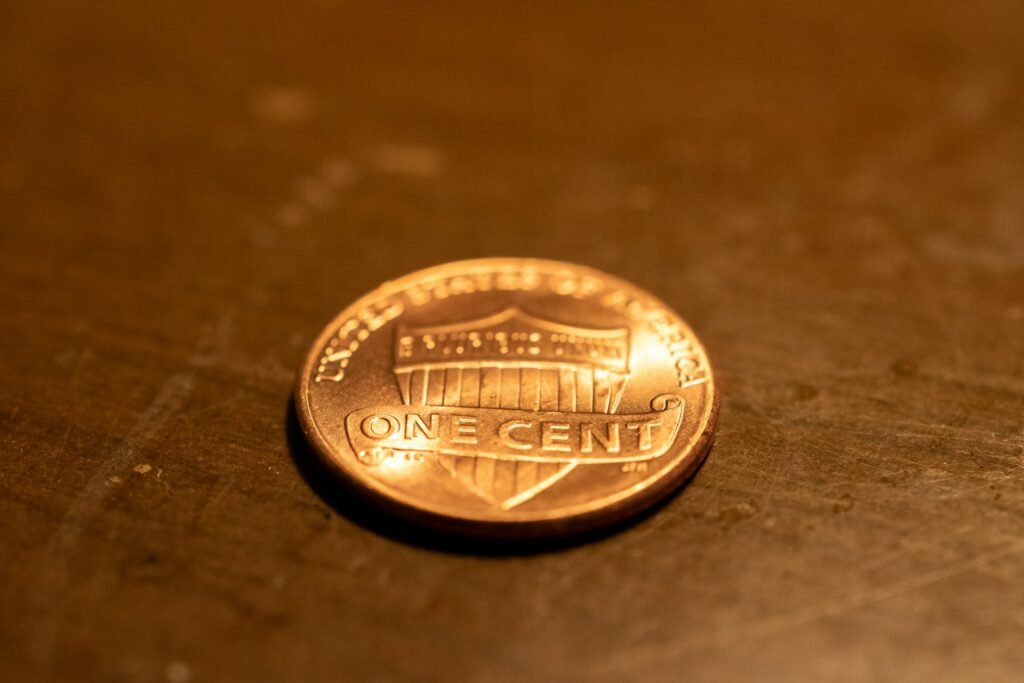
How Much Is a 1944 Penny Worth?
A Brief Historical Background of the 1944 Penny
The 1944 penny holds a unique place in the history of American currency, reflecting both economic necessity and historical context tied to World War II. During the war years, the United States faced significant shortages of copper and steel, materials that were essential for the war effort. As a result, the U.S. Mint transitioned from producing traditional copper cents to creating coins made of zinc-coated steel starting in 1943. This shift aimed to conserve precious resources for military use.
However, by 1944, the war was nearing its conclusion, leading the Mint to revert to copper production for the penny. This decision marked a significant transition back to pre-war designs and materials, but it also showcased the complexities of wartime manufacturing and resource allocation. The 1944 pennies were primarily made of 95% copper and contained 5% tin and zinc, a return that resonated with a nation eager for normalcy.
The 1944 penny, therefore, symbolizes a pivotal time in American history. It not only serves as a reminder of the economic and material struggles faced during the war but also reflects the resilience and adaptation of the United States Mint in response to external pressures. Collectors and historians often seek to understand the worth of these coins today, as their significance extends beyond mere monetary value. Thus, the question of how much a 1944 penny is worth cannot be answered without considering its historical context and the role it played during a transformative period in history.
The Design of the 1944 Penny
The 1944 penny, also known as the Lincoln penny, presents a significant artistic representation that reflects its historical context. Designed by Victor David Brenner, this coin prominently features the portrait of Abraham Lincoln, the 16th President of the United States. The artistic choice to place Lincoln’s image on the penny was not only to commemorate his legacy but also to celebrate the 100th anniversary of his birth, which occurred in 1809. This design element symbolizes the nation’s reverence for Lincoln, who is often credited with preserving the Union during a tumultuous period in American history.
Brenner’s design is characterized by its attention to detail and realism, making Lincoln appear dignified and approachable. The coin’s reverse side features the iconic wheat ears, signifying agriculture and prosperity. This element connects the penny with America’s agrarian roots and serves as a reminder of the nation’s economic foundation.
Another noteworthy aspect of the 1944 penny is the presence of Brenner’s initials, ‘V.D.B.’, which are subtly inscribed at the base of Lincoln’s portrait. Initially, this signature generated controversy, leading to the initials being omitted from coins minted later in that year. However, this small detail adds to the overall value and collectibility of the 1944 penny in today’s market. Collectors often seek variants of this coin, and those that retain the ‘V.D.B.’ initials are particularly prized.
Types of 1944 Pennies
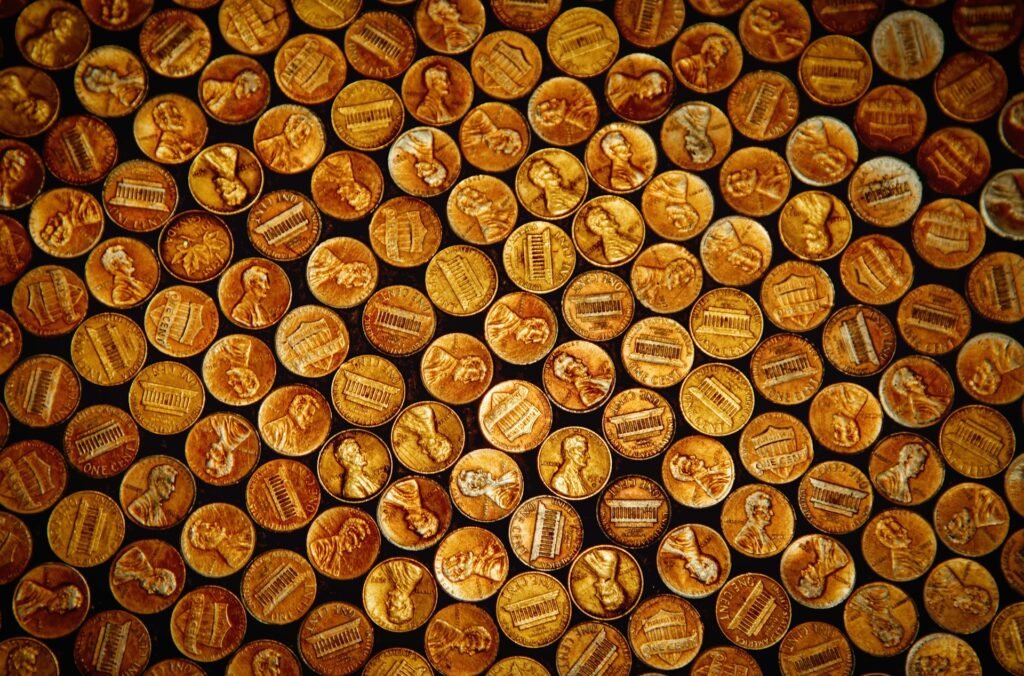
The 1944 penny is an intriguing coin that features several distinct varieties. Understanding these variations is essential for collectors and enthusiasts alike, particularly when considering how much a 1944 penny is worth. The two primary types of 1944 pennies include the 1944 Steel Wheat Cent and the 1944 Copper Wheat Cent, and their respective traits set them apart.
The 1944 Steel Wheat Cent was produced from zinc-coated steel and was a continuation of a wartime practice where copper was conserved for military use. This type is easily recognizable due to its metallic sheen and is quite rare, occurring in limited quantities compared to its copper counterpart. Collectors seeking this specific variety tend to find it particularly valuable, which could significantly influence how much a 1944 penny is worth on the market.
Meanwhile, the 1944 Copper Wheat Cent features a more traditional copper composition, and it has been produced in larger numbers than the steel variant. This type exhibits the classic wheat design, which includes the two wheat stalks on the reverse side, flanking the words ‘One Cent’. Collectors greatly appreciate this variety, especially those that are in good condition, as they can command higher prices. The vintage display and age of this coin add to its allure and worth.
Additionally, there are notable instances of 1944-D/S wheat cents, which are types that emerged due to the minting process and includes an over mintmark that can be particularly sought after. These coins have been recognized for their unique characteristics and can lead to significant discrepancies in valuations. In general, when evaluating how much a 1944 penny is worth, understanding the differences among these varieties can be critical for determining the coin’s market value.
Minting Errors and Their Impact on Value
The 1944 penny, known for its distinct copper composition and historical significance, also garnered attention due to various minting errors that occurred during its production. Such errors can significantly affect the value of the coins, making certain variations much more sought after by collectors.
One of the most notable minting errors of the 1944 penny is the infamous “1944 Steel Penny.” This coin emerged when the production process saw the use of leftover steel planchets from 1943, when pennies were minted with steel due to copper shortages during World War II. As a result, a small number of 1944 pennies were mistakenly struck using these steel blanks, creating an anomaly that catches the eye of numismatists. The mere existence of these steel versions escalates their market value, often fetching higher prices than their copper counterparts.
Another common error from 1944 is the presence of doubled dies, particularly on the obverse side of the coin. These coins showcase a doubling effect on certain letters and details, resulting from an error during the actual die creation. The allure of such pieces lies in their unique characteristics, which can lead to serious bidding wars among collectors due to their rarity and distinct visual appeal.
Furthermore, any signs of wear, scratch, or misstrikes can greatly influence the value of a 1944 penny. Coins that exhibit clear evidence of such minting errors tend to be more valuable as they offer a glimpse into the imperfections of the minting process. Collectors are willing to pay a premium for these variations, which contribute to the overall intrigue surrounding how much a 1944 penny is worth.
Market Value of 1944 Pennies
The valuation of a 1944 penny can vary significantly based on several factors, including its condition, rarity, and overall demand within the collector market. Generally, most 1944 pennies are made of copper, but during World War II, a small number of pennies were minted using zinc-coated steel. This makes those particular variations particularly valuable to collectors.
When assessing the worth of a 1944 penny, the condition is paramount. Coins are typically graded on a scale from poor (P) to mint state (MS). A well-preserved 1944 penny in uncirculated condition can fetch a price well beyond its face value. For instance, uncirculated coins can range in worth from over $1 to several hundred dollars, depending on specific grading characteristics.
Rarity also plays a crucial role in determining the value. The 1944-D (Denver mint) and 1944-S (San Francisco mint) variations are less commonly encountered than the standard Philadelphia minted version. This scarcity increases their market value significantly. Currently, prices for well-graded specimens of the rarest types can climb into the thousands of dollars during auctions, as collectors are often willing to pay premium prices for exceptional coins.
Additionally, the market demand influences how much a 1944 penny is worth. As interest in numismatics grows, prices may fluctuate. Recent auction results have shown that both casual and serious collectors are investing in these coins, further driving up the demand and consequently the value. Collectors should always stay updated on current market trends to determine an accurate valuation for their 1944 pennies.
Collector Interest in the 1944 Penny
The 1944 penny holds a unique place in the hearts of coin collectors and numismatists due to its intriguing historical significance and distinct variations. Crafted during World War II, coins produced in this period often reflect the impact of wartime metal shortages. Initially manufactured from copper during the preceding years, the mint transitioned to using zinc-coated steel in 1943 to conserve copper for military use. However, 1944 marked the return to traditional copper production, making the 1944 penny a fascinating subject for collectors.
One of the primary attractions of the 1944 penny is the existence of a rare variant made from steel, known as the 1944-S steel penny. This coin was mistakenly struck by the San Francisco Mint, and its limited quantity makes it especially coveted among collectors. Additionally, the 1944 penny is often associated with the popular Lincoln penny series, which depicts the portrait of Abraham Lincoln, thereby adding historical significance to its collection value. The rich numismatic history tied to this specific year only amplifies the interest among enthusiasts.
Furthermore, collectors are drawn to the potential financial returns when assessing how much a 1944 penny is worth. Well-preserved examples in uncirculated condition can command impressively high prices at auctions, a factor that appeals to both serious collectors and casual investors. As such, the 1944 penny represents not only a collectible item but also a potential investment opportunity. With its enchanting backstory and significant variations, it is no surprise that the 1944 penny remains a focal point of interest for many in the realm of numismatics.
Where to Buy and Sell 1944 Pennies
Finding a market for 1944 pennies—be they the widely circulated zinc-coated variety or the rarer copper version—encompasses various avenues both online and offline. Prospective buyers and sellers can choose from several options, each with its own advantages and considerations.
One popular choice for purchasing or selling 1944 pennies is attending numismatic shows. These events gather coin collectors and dealers, making them ideal places to find specific coins like the 1944 penny. Engaging directly with professionals can also allow individuals to assess the authenticity and grading of coins, ensuring they are making informed purchases or sales.
Online auction platforms offer another valuable resource for those interested in the value of a 1944 penny. Websites like eBay provide an expansive marketplace where collectors buy and sell coins. Buyers should closely monitor auction listings, keeping an eye on the descriptions and images provided. It is critical to research the seller’s reputation and reviews to ensure the authenticity of the coin. Moreover, online forums and collector communities can be excellent sources for advice on pricing and selling strategies.
Local coin shops are also a viable option for buying or selling a 1944 penny. Establishing a relationship with local dealers may lead to better offers and insights into the current market trends for collectible coins. It is recommended to visit multiple shops to compare offers and gain a broader perspective on coin conditions and values.
Regardless of the chosen route, verifying the authenticity of the coin is paramount. Utilizing grading guides and consulting with experts can help establish the provenance and worth of the 1944 penny. This due diligence will aid both buyers and sellers in navigating the market with confidence.
Retaining the Value of Your 1944 Penny
Proper care and handling of your 1944 penny are essential for preserving its value, whether you own a standard copper version or the more uncommon steel variant. First and foremost, minimize physical handling of the coin to reduce the risk of scratches and marks that can diminish its aesthetic appeal and market price. When necessary, hold the penny by its edges rather than the faces to avoid fingerprints and oils from your skin that could affect its surface condition.
Cleaning coins, especially collectible ones like the 1944 penny, is a controversial topic among collectors. Generally, it’s advisable to refrain from cleaning coins at home, as improper techniques can lead to damage. The natural patina that develops over time often holds more value than a cleaned coin. If a penny appears particularly dirty, it may be best to consult a professional numismatist who can evaluate whether cleaning is necessary and can be done correctly without impacting its value.
In terms of storage, utilize coin holders or capsules specifically designed for this purpose. These protect the coins from environmental factors such as humidity, which can lead to corrosion. Opt for acid-free holders to prevent chemical reactions that can tarnish the coin. Storing your 1944 penny in a cool, dry location away from direct sunlight will further ensure its longevity. While it may appear to be an innocuous piece of coinage, the value of a 1944 penny can vary significantly based on condition, so investing in appropriate storage materials and methods is vitally important.
Ultimately, knowing how to maintain the integrity of your 1944 penny is crucial for any collector. Whether you are merely curious about how much a 1944 penny is worth or you’re a serious collector, taking the time to care for your coins will pay dividends in the long run.
Conclusion: The Enduring Legacy of the 1944 Penny
The 1944 penny stands as a significant artifact in both numismatic history and American culture. Its creation during World War II reflects a unique period where metal scarcity led to innovative adaptations in coinage. This specific penny, minted in copper after the war, has become an essential piece for collectors, drawn not just by its monetary value but also by its historical context.
For those asking, “how much is a 1944 penny worth?”, the answer varies greatly depending on several factors, including its mint mark and condition. While some may find a straightforward answer, the real value might lie deeper within its story. The 1944 Lincoln penny, known for its distinctive wartime history, has captured the interest of hobbyists and coin enthusiasts alike, further adding to its allure. This penny symbolizes an intersection of art, history, and economic evolution, making it a treasured collectible.
With an ever-evolving marketplace and enthusiasts continually researching and valuing such coins, the legacy of the 1944 penny is poised to endure. As a representation of resilience and adaptability, it not only serves as a medium of exchange but also stands as a remembrance of a tumultuous period in American history. Numismatists continue to admire its details and craftsmanship, ensuring the 1944 penny will hold its place in the legacy of American currency.
In conclusion, the 1944 penny deserves recognition for its unique role in American history, continuing to attract those interested in its past and future. Its considerable significance is reflected in its lasting value and importance, bridging the gap between numismatic interest and historical awareness.

We create powerful, insightful content that fuels the minds of entrepreneurs and business owners, inspiring them to innovate, grow, and succeed.