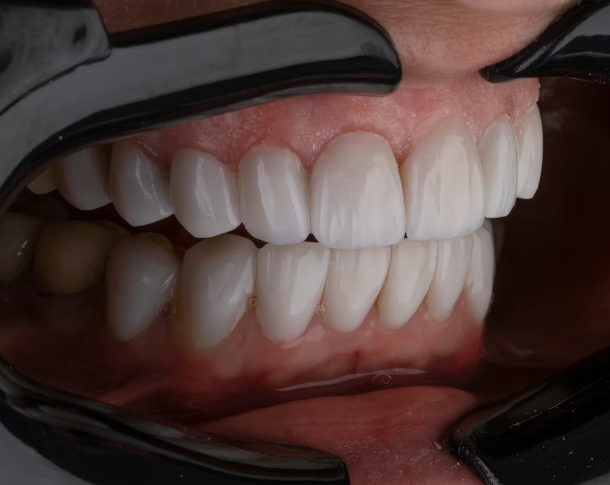
Why Neglecting Your Teeth Can Lead to Serious Health Issues
Maintaining good oral hygiene is more than just keeping your smile bright; it’s a critical aspect of your health. Ignoring dental care may seem harmless in the short term, but small issues can escalate into significant health problems.
From cavities to gum disease, dental neglect can trigger a cascade of complications that extend far beyond the mouth. Understanding the connection between oral health and systemic health can motivate better habits and timely professional care.
The Hidden Dangers of Poor Oral Care
When dental hygiene is neglected, the risks extend beyond tooth decay and bad breath. Gum disease can lead to serious infections that may enter the bloodstream and affect other organs.
According to experts, untreated periodontal disease is linked to heart disease, diabetes, and even complications during pregnancy. Early intervention is key, and seeking top-quality dental services guarantees addressing issues before they escalate. Regular checkups, cleanings, and preventive care are important steps that help maintain both oral and overall health.
Neglecting oral care can contribute to chronic inflammation, which has been associated with a range of systemic health problems. Cavities left untreated may lead to abscesses, causing severe pain and potentially life-threatening infections.
Poor oral hygiene can impact nutrition, as chewing difficulties make it harder to maintain a balanced diet. Oral health influences self-esteem and social interactions, with visible dental problems sometimes leading to embarrassment or anxiety.
Common Consequences of Neglecting Dental Health
Neglecting dental care can have immediate and long-term consequences. Some common outcomes include:
- Tooth decay: Plaque and tartar build-up can cause cavities, leading to tooth loss if untreated.
- Gum disease: Gingivitis and periodontitis damage the gums and underlying bone, causing pain and inflammation.
- Bad breath: Chronic halitosis often results from bacterial overgrowth in the mouth.
- Systemic health issues: Bacteria from oral infections can contribute to cardiovascular problems, diabetes complications, and respiratory illnesses.
Being aware of these potential outcomes highlights the importance of consistent dental care. Increased dental costs are another consequence, as untreated issues often require more complex and expensive treatments.
Tooth loss can affect chewing ability and nutrition, leading to digestive problems or dietary deficiencies.
Aesthetic concerns, such as discoloration or misalignment, may impact self-confidence and social interactions. Chronic pain from neglected dental problems can interfere with daily activities and quality of life.
Prevention Strategies for Lifelong Oral Health
Preventing serious dental problems begins with daily routines. Brushing at least twice a day with fluoride toothpaste and flossing regularly removes plaque before it hardens.
Limiting sugary snacks and drinks reduces the risk of cavities, and staying hydrated helps maintain saliva production that naturally cleanses the mouth.
Regular dental visits, including professional cleanings and exams, catch issues early and guide patients on proper hygiene techniques. Lifestyle choices like avoiding smoking and excessive alcohol consumption significantly improve oral health outcomes.
Protective measures such as wearing mouthguards during sports can prevent traumatic dental injuries. Using dental sealants for children adds an extra layer of defense against cavities.
Educating oneself about the signs of gum disease and tooth decay helps prompt early intervention. Incorporating foods rich in calcium and vitamins supports strong teeth and healthy gums.
When to Seek Professional Help
And home care is important, professional dental care is irreplaceable. Signs such as persistent tooth pain, swollen or bleeding gums, and sudden changes in oral appearance indicate the need for immediate attention.
Dentists can provide treatments ranging from fillings and deep cleanings to advanced procedures like root canals or periodontal therapy. Seeking timely care resolves current issues and prevents complications that could affect your health.
Delaying professional attention can allow minor problems to worsen, leading to more invasive and costly treatments. Regular dental visits allow early detection of conditions like oral cancer, which is more effectively treated when caught early.
For individuals with chronic illnesses, professional care helps manage the impact of systemic diseases on oral health. Dentists can offer personalized advice on proper hygiene techniques, dietary choices, and preventive measures tailored to each patient.
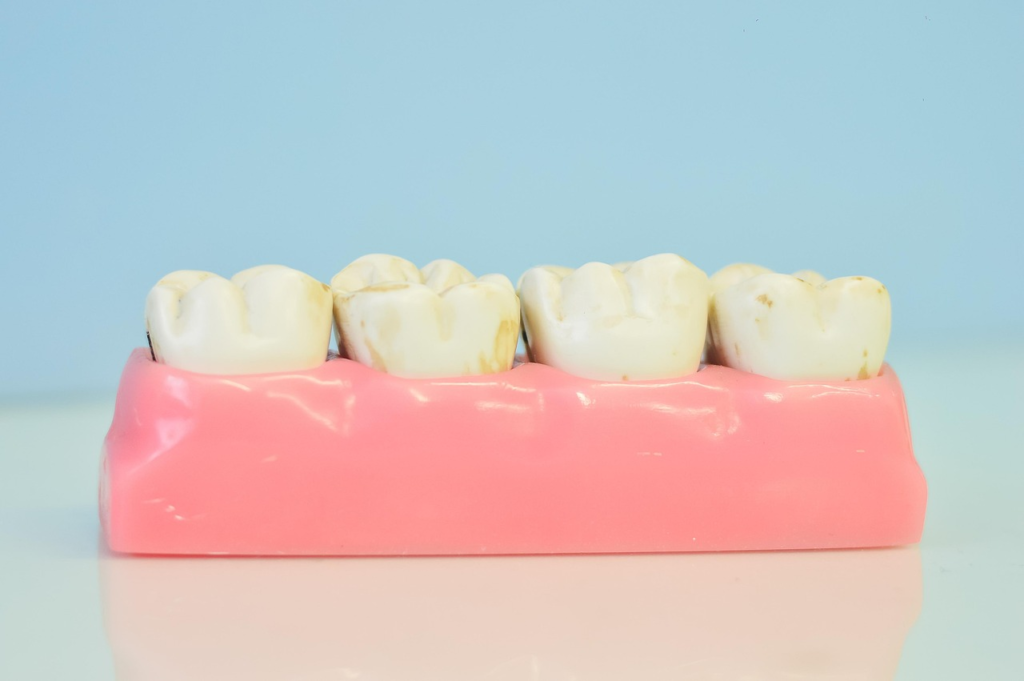
Building Healthy Habits for the Future
Creating a consistent oral care routine is the foundation for long-term health. Encourage family members, children, to adopt proper brushing and flossing habits early.
Incorporating a balanced diet, reducing sugar intake, and scheduling routine dental visits all contribute to a healthier mouth.
Using fluoride toothpaste and mouth rinses can further strengthen teeth and help prevent decay. Teaching proper brushing techniques, such as brushing for two minutes twice daily, guarantees maximum effectiveness.
Modeling good habits as an adult reinforces their importance and encourages children to follow suit. Tracking dental care routines with reminders or charts can make consistency easier to maintain.
By treating oral health as an integral part of your general well-being, you reduce the likelihood of serious complications in the future. A proactive approach guarantees your teeth remain strong, your gums healthy, and your body protected from preventable diseases.

We create powerful, insightful content that fuels the minds of entrepreneurs and business owners, inspiring them to innovate, grow, and succeed.