


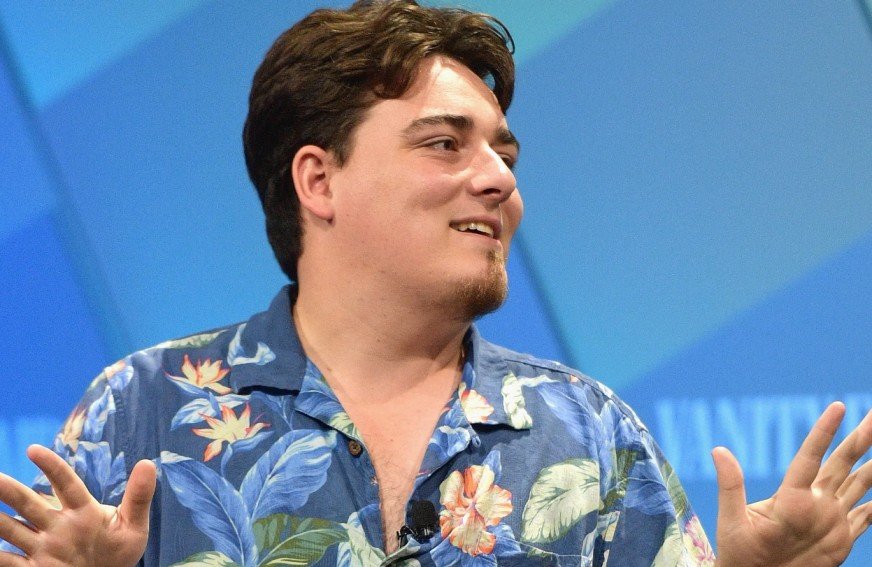
Palmer Luckey is the ultimate Silicon Valley disruptor turned defense hawk. The homeschooled tinkerer who revived virtual reality with Oculus Rift in his parents’ garage dropped out of college, sold his creation to Facebook for billions, and was later ousted amid political controversy. Instead of fading into eccentric billionaire obscurity, he founded Anduril Industries in 2017 — a defense technology company building AI-powered autonomous systems, drones, submarines, missiles, and battlefield software that challenge legacy contractors like Lockheed Martin. With Anduril reaching valuations of $30–61 billion in recent rounds and powering critical U.S. and allied military programs, Luckey has positioned himself as a key architect of America’s next-generation arsenal.
Is this a patriotic masterstroke — using software engineering and AI to deter conflict and protect the West? Or is the VR dropout building “AI war machines” that accelerate lethal autonomy, raise ethical dilemmas about machines making life-or-death decisions, and reshape warfare in unpredictable ways? This in-depth profile examines Luckey’s improbable journey, Anduril’s rapid ascent, the technology powering its systems, controversies, strategic impact, and what it means for the future of defense in the AI age.
Early Life: A Self-Taught Tinkerer in Long Beach
Born Palmer Freeman Luckey on September 19, 1992, in Long Beach, California, he grew up in a modest household. His father sold cars; his mother homeschooled him and his sisters. Fascinated by Star Trek, The Matrix, and Jules Verne, young Palmer spent countless hours in the garage modding electronics, repairing iPhones, and experimenting with hardware.
At 15–16, he began building VR headsets in a camper trailer parked in his parents’ driveway, surviving on frozen burritos while iterating prototypes. Frustrated by expensive, low-quality military VR systems, he focused on affordable, high-performance consumer tech. This obsession led to the Oculus Rift.
Luckey dropped out of California State University, Long Beach, to pursue the project full-time. A 2012 Kickstarter campaign raised over $2.4 million. Legendary game developer John Carmack’s endorsement accelerated momentum. In 2014, Facebook acquired Oculus for approximately $2 billion in cash and stock when Luckey was just 21.
Oculus Era: Triumph, Drama, and Departure
The Rift helped mainstream VR, influencing gaming, enterprise, and eventually the metaverse push. However, tensions arose. In 2016, Luckey donated $10,000 to a pro-Trump group (Nimble America), sparking backlash from developers and employees. He was fired from Facebook (Meta) in 2017. Luckey has described the exit as politically motivated; the company maintained other reasons. The episode left him disillusioned with Big Tech’s culture and willingness to engage with national security.
Flush with resources and motivated by geopolitical concerns — particularly China’s rise and Silicon Valley’s reluctance to work with the Pentagon — Luckey founded Anduril Industries later that year. Named after the sword from The Lord of the Rings, the company aimed to build a “defense products company” rather than a traditional slow-moving contractor.
Anduril’s Rise: Software-Defined Defense at Speed
Anduril’s core innovation is Lattice, an AI-powered operating system that integrates sensors, drones, and weapons platforms into a unified battlefield intelligence network. It enables autonomous detection, tracking, and response at machine speed. Products include:
- Autonomous Drones: ALTIUS loitering munitions and Fury systems capable of independent target identification and engagement.
- Surveillance Towers and Border Systems: AI-driven perimeter security.
- Underwater Vehicles: Autonomous submarines.
- Missile and Rocket Systems.
- EagleEye: AI-powered headwear/helmets for soldiers.
The company develops hardware and software in parallel, using its own capital for rapid iteration before securing contracts — a sharp contrast to legacy firms. Anduril has won major deals, including work with the U.S. Army, Navy, and international allies like Australia and the UK. Revenue reportedly doubled to around $2.2 billion in 2025, with massive manufacturing expansions like Arsenal-1.
Valuation soared: from early rounds to $30.5 billion in 2025, then $61 billion after a $5 billion Series H in 2026 led by Thrive Capital and Andreessen Horowitz. Luckey remains a major stakeholder and visionary force, though Brian Schimpf serves as CEO.
The AI War Machines Debate: Autonomy and Ethics
Luckey openly defends lethal autonomy. He argues AI can make faster, more accurate decisions in combat, reducing human casualties on all sides by enabling precise, overwhelming deterrence. Systems like Lattice-powered drones can “seek and identify targets” even under jamming.
Critics worry about the moral hazards of delegating kill decisions to algorithms, escalation risks, proliferation to adversaries, and accountability gaps. Luckey counters that the alternative — ceding technological superiority to China or others — is far riskier. He frames Anduril’s work as essential for maintaining peace through strength.
The company emphasizes human oversight in many systems while pushing boundaries of responsible autonomy. Initiatives like the AI Grand Prix drone racing competition recruit top talent.
Political Stance and Public Persona
Luckey is outspoken, Hawaiian-shirt-wearing, mullet-sporting, and unapologetically pro-defense and Republican-leaning. He has donated millions to conservative causes and Trump campaigns. This visibility makes him a lightning rod — praised by national security hawks, criticized by those wary of militarism or his politics.
He has been sanctioned by China and remains a polarizing figure in tech circles. Yet his influence grows as defense modernization gains bipartisan urgency.
Impact and Future Outlook
Anduril represents a new model: agile, software-first defense innovation that attracts top engineers disillusioned with consumer tech. It pressures incumbents to accelerate while delivering capabilities for peer conflicts. Partnerships (e.g., with Meta on AR headsets) show pragmatic alliances.
Challenges include scaling manufacturing, regulatory hurdles, talent wars, and ethical/technical reliability of AI in high-stakes environments. Luckey’s long-term bet is that superior autonomous systems will deter major wars, much like nuclear deterrence.
Lessons from Luckey’s Playbook
- Build What You Believe In: From garage VR to defense tech, personal conviction drives breakthroughs.
- Iterate Fast, Fund Independently: Self-funding early prototypes bypasses bureaucracy.
- Embrace Controversy: Political and ethical stances can alienate some but attract aligned talent and capital.
- Software Eats Hardware: Lattice proves AI integration creates defensible moats.
- Long-Term Thinking: Prioritizing national security over short-term popularity.
Balanced Verdict: Visionary Builder or Controversial Disruptor?
Palmer Luckey is neither a simplistic warmonger nor an unchallenged savior. As a VR dropout, he demonstrated hardware genius; with Anduril, he applies that to software-defined warfare. His AI systems offer genuine advantages in speed, scale, and reduced risk to friendly forces — potentially life-saving in future conflicts. Yet the proliferation of lethal autonomy raises profound questions about human control, escalation ladders, and the ethics of machine-mediated killing.
In an era of great-power competition, Luckey’s high-stakes bet on American technological supremacy through defense tech is reshaping military strategy. Whether it prevents wars or transforms their nature remains to be seen. One thing is certain: the eccentric founder who built VR in a trailer is now helping define the arsenal of democracy in the AI century.
For policymakers, engineers, and citizens, Luckey’s story underscores the urgency of responsible innovation. Deterrence through superiority may be the surest path to peace — but it demands vigilance, ethics, and oversight as machines grow smarter.


We create powerful, insightful content that fuels the minds of entrepreneurs and business owners, inspiring them to innovate, grow, and succeed.