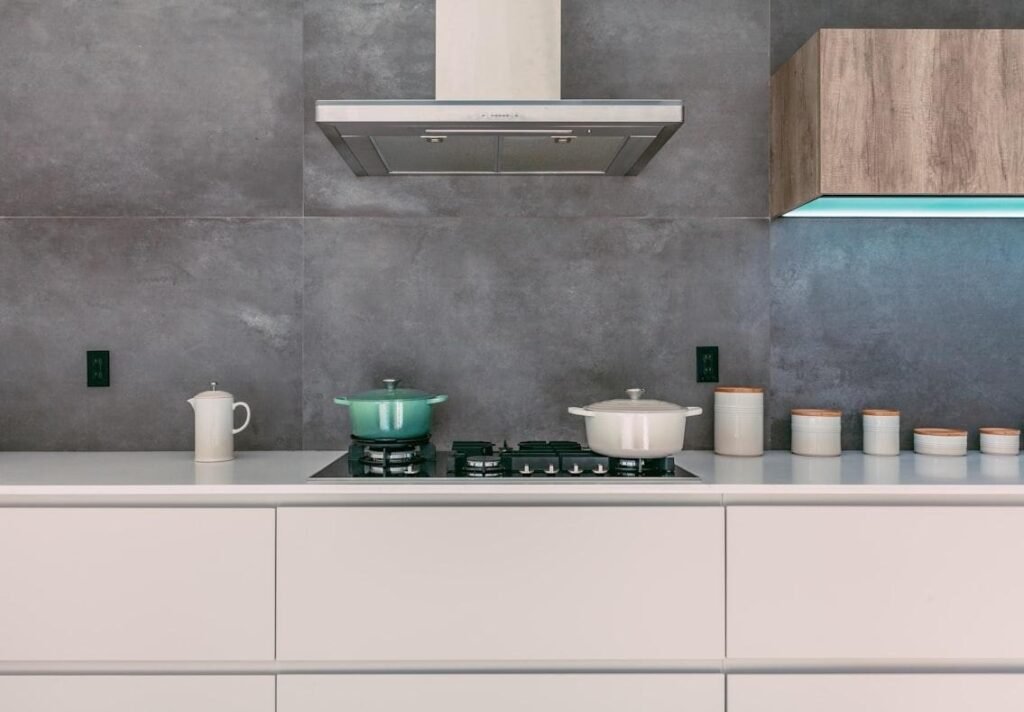
Useful Specifications For Massive Ventilation Systems In Kitchens
Proper ventilation is crucial in any kitchen, especially those in commercial or large residential spaces. With high heat, steam, grease, and cooking odors constantly circulating, a massive ventilation system is necessary to keep the kitchen air clean, safe, and comfortable. A well-designed ventilation system ensures that air quality remains high and that cooking fumes are efficiently removed, preventing both discomfort and potential hazards.
In this article, we’ll dive into the specifications for massive ventilation systems in kitchens, focusing on how to choose the right system to meet the demands of high-performance cooking environments.
Airflow Capacity and CFM Requirements
One of the first specifications to consider when selecting a massive ventilation system is the airflow capacity, often measured in cubic feet per minute (CFM). The CFM rating determines how much air the system can move in a given time, and it plays a critical role in ensuring effective ventilation.
For residential kitchens, a typical range hood should offer between 300 and 600 CFM, depending on the stove’s size and the kitchen’s layout. For commercial kitchens or larger home kitchens, you’ll need a system with a much higher CFM rating. Professional-grade systems often require CFM ratings in the range of 1,000 to 1,500 or higher, depending on the scale of the cooking operation. Ensure you calculate the necessary CFM based on the kitchen’s size, stove power, and the amount of cooking you do.
Hood Size and Coverage Area
When selecting a range hood for a massive kitchen, it’s crucial to choose one with the proper size to provide adequate coverage for your cooking area. The hood should be at least as wide as the cooking surface, though wider is often better for larger kitchens. In general, the hood should cover the entire cooking area to ensure proper extraction of smoke and heat.
For commercial kitchens or large home setups, you may need a custom hood size, such as the Proline 72” hoods, to provide sufficient airflow and coverage. A larger hood ensures that all of the heat, grease, and odors produced during cooking are captured and ventilated out of the kitchen, avoiding a build-up of pollutants in the air.
Noise Levels and Quiet Operation
In busy kitchens, the noise generated by ventilation systems can become a significant issue. High-powered systems designed for massive kitchens can be noisy, and constant loud operation can create an uncomfortable working environment. Noise levels are typically measured in sones, with lower sones indicating quieter operation.
When selecting a ventilation system, look for models that are specifically designed to minimize noise without sacrificing performance. Some high-end range hoods come with noise-reducing features, such as insulated casing, specialized motors, and multiple fan speeds. Investing in a quieter system is particularly important in commercial kitchens where employees are working for long hours, as excessive noise can affect productivity and comfort.
Grease and Filtration Efficiency
For large kitchens, the ability of the ventilation system to handle grease and maintain cleanliness is a major factor. Grease-laden vapors can clog ventilation systems and create a fire hazard, so it’s important to choose a system with highly efficient filtration.
The best range hoods feature multi-layer filters, typically made from stainless steel or aluminum, that trap grease and other particulates before they enter the ductwork. Some systems include baffle filters, which are particularly effective at trapping grease, as well as charcoal filters for removing odors. It’s important to choose a system with easy-to-clean filters to ensure ongoing performance and hygiene.
For commercial kitchens or larger home setups with heavy-duty cooking, grease collection trays or automatic grease disposal systems can further improve cleanliness and safety.
Air Exchange and Venting Options
A massive ventilation system must be able to effectively exchange the air in the kitchen, removing contaminated air and replacing it with fresh, clean air. This is typically achieved through a ducted ventilation system that vents the air outside the home or building. Ductless systems are available for kitchens where venting outside is not possible.
Ducted systems are the most effective for large kitchens as they allow the air to be expelled outside, ensuring that the contaminants do not re-enter the space. If you opt for a ductless system, ensure it has a high-quality filtration system that can efficiently remove particles, grease, and odors. Many commercial kitchens rely on ducted systems to maintain air quality, but for residential kitchens, both options can be effective depending on your setup.
Energy Efficiency and Sustainability
With the growing importance of sustainability and energy conservation, it’s crucial to consider the energy efficiency of your ventilation system. An energy-efficient system will save you money on energy bills and reduce your environmental impact.
When choosing a ventilation system for a massive kitchen, look for energy-efficient models with Energy Star ratings or other certifications. These systems are designed to consume less power while still providing excellent performance.
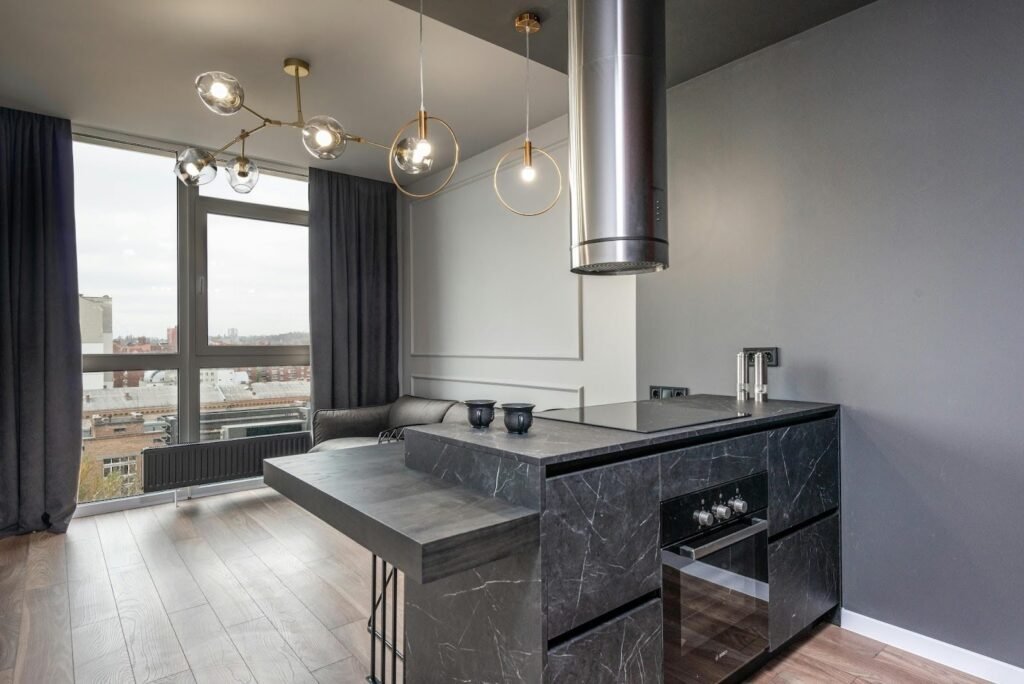
A massive ventilation system is an important part of any large kitchen, whether for commercial or residential use. By considering factors such as airflow capacity, hood size, noise levels, grease filtration, and energy efficiency, you can choose a system that will effectively protect the air quality in your kitchen.

We create powerful, insightful content that fuels the minds of entrepreneurs and business owners, inspiring them to innovate, grow, and succeed.