Tips for Evaluating Your Skills for Senior Care Work
Caring for older adults is meaningful work that blends practical help with patience, awareness, and trust. Before taking a senior care role, it helps to evaluate what you already do well and what needs strengthening, so you can support someone’s health, comfort, and dignity.
A strong self-check covers more than whether you can cook a meal or tidy a home. It includes how you communicate, how you notice small changes, how you respond under stress, and how you respect independence while keeping safety in mind.
Understand The Role And Your Personal Fit
Senior care can range from companionship and light household support to hands-on personal care. Start by listing the tasks you are comfortable doing and the tasks you would rather avoid, such as bathing support, toileting support, or managing medications.
Think about your motivation and temperament. This work often requires steadiness, a calm tone, and the ability to repeat instructions without frustration, especially when someone has memory changes or hearing loss.
Consider your schedule and reliability. Many care plans depend on consistent timing for meals, hydration, mobility support, and routines, so being dependable is part of your skill set, not just a personality trait.
Assess Your Ability To Support Independent Living Skills
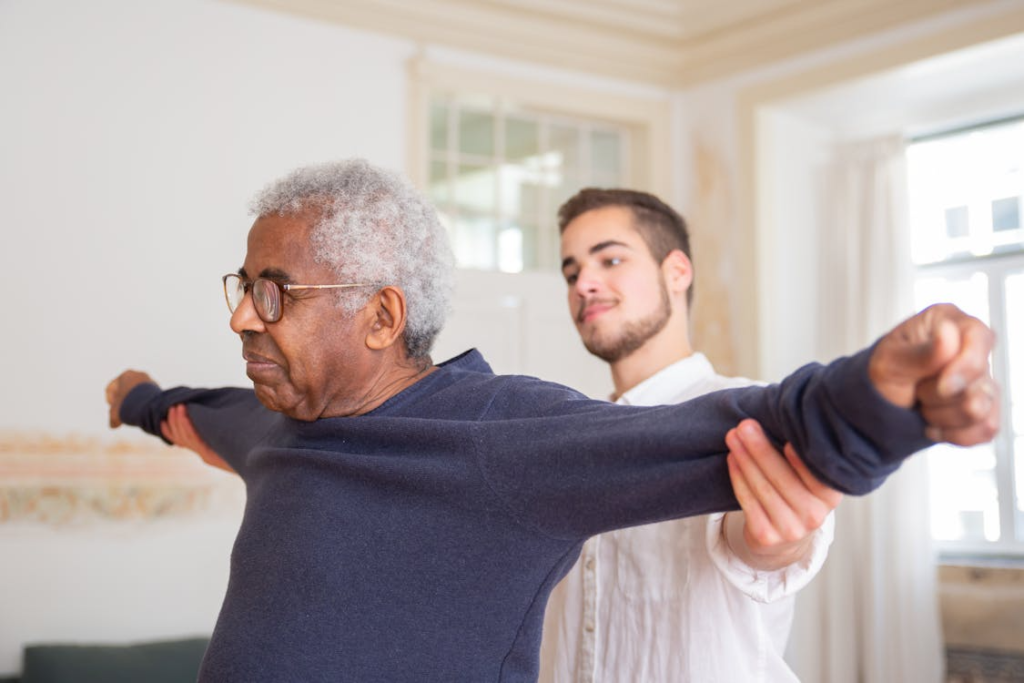
Many seniors want help that keeps them independent rather than taking over. A practical way to assess your fit is to check whether you can support a person’s routines while letting them do what they can, even if it takes longer.
Focus on skills tied to daily living, such as grooming, dressing, meal prep, light housekeeping, transportation planning, and safe mobility. If you want a useful checklist of what independence can involve, review Daily living abilities seniors need to live independently, and think about which areas you can confidently support. When you notice a struggle, aim for coaching and setup rather than control.
Setting out clothes in the right order, labeling drawers, using a shower chair, or simplifying steps can keep independence strong while lowering risk.
Check Your Communication And Relationship Skills
Clear communication is a core caregiving skill. Practice speaking in short, respectful steps, confirming understanding, and giving time for the person to respond without feeling rushed.
Pay attention to how you handle sensitive moments. Seniors may feel embarrassed about needing help, so your ability to protect privacy, knock before entering, and ask permission before assisting matters a lot.
Look at how you communicate with family members and health professionals. You do not need to be a clinician to share useful observations, but you do need to be accurate, calm, and consistent when reporting concerns.
Evaluate Safety Awareness And Basic Health Knowledge
A safe caregiver notices risks before they become accidents. Walk through a typical home and spot trip hazards, poor lighting, loose rugs, cluttered walkways, and unsafe bathroom setups.
Review how you respond to common situations such as dizziness, shortness of breath, confusion, or a fall. Knowing when to call emergency services, when to contact a supervisor, and what details to report is part of being prepared.
Infection prevention is another area to assess. Good hand hygiene, cleaning high-touch areas, and staying home when sick protect seniors whose immune systems may be more vulnerable.
Review Professional Boundaries And Ethical Judgment
Care work builds closeness, so boundaries protect both the senior and the caregiver. Ask yourself whether you can keep conversations respectful, avoid sharing private details with others, and stay professional if a senior becomes upset.
Money and valuables require special caution. A strong caregiver follows policies about handling cash, receipts, and gifts, and avoids situations that could create confusion or mistrust.
Ethical judgment includes recognizing abuse, neglect, or unsafe conditions and reporting them through the proper channels. If you are unsure what to do in a serious situation, your plan should include who to contact and how to document concerns.
Build A Skill Growth Plan With Training And Feedback
Self-evaluation works best when it leads to action. Choose two or three areas to strengthen, such as safe transfers, dementia communication, meal planning for medical needs, or basic first aid.
Practice with feedback. Shadowing an experienced caregiver, asking a supervisor to observe key tasks, or using scenario training can reveal habits you may not notice on your own.
Keep a simple learning log. Note what went well, what felt difficult, and what you want to try next time, so your progress is visible and steady.
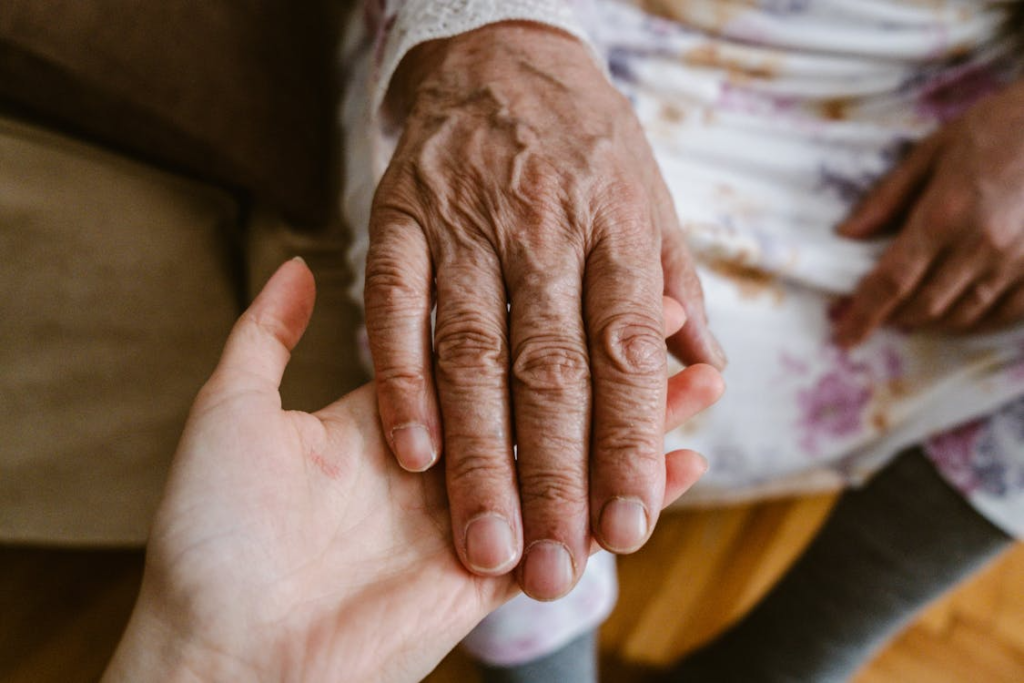
Evaluating your skills for senior care work means looking at both practical tasks and human skills like patience, clarity, and respect. When you know your strengths and limits, you can choose roles that match you and prepare for the parts that need more training.
For guidance, many caregivers learn from resources produced by organizations such as the National Institute on Aging, the Centers for Disease Control and Prevention, and the Administration for Community Living. Pair that trusted education with honest self-checks, and you will be better prepared to support safety, independence, and dignity every day.

We create powerful, insightful content that fuels the minds of entrepreneurs and business owners, inspiring them to innovate, grow, and succeed.