How to Remove Scratches from Glasses Lenses
Introduction to Scratched Lens Issues
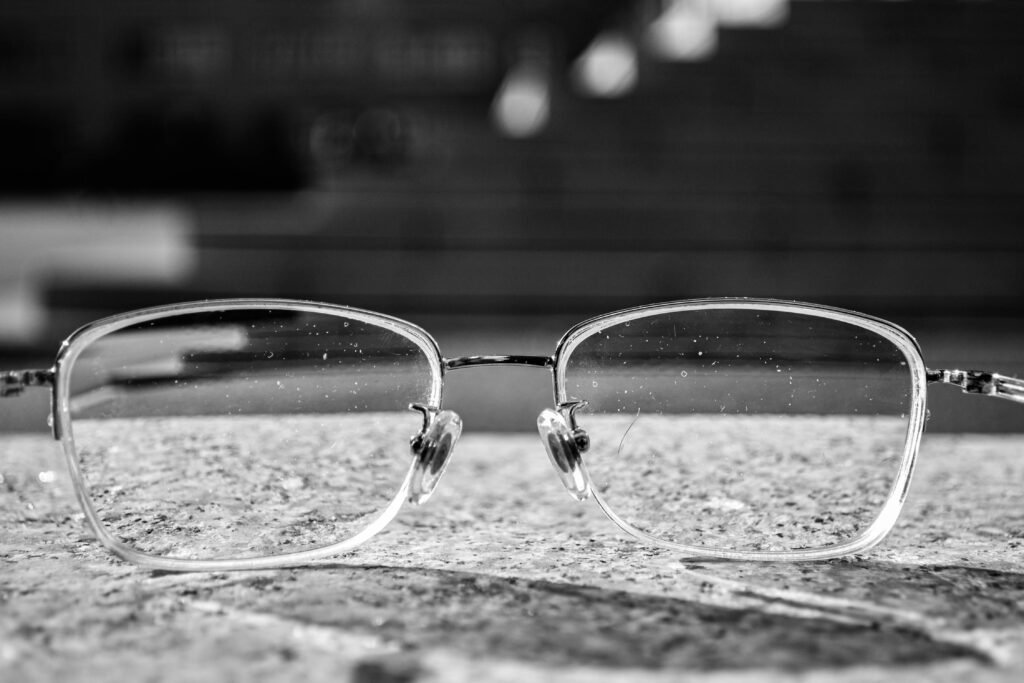
Scratched glasses lenses can pose significant challenges for individuals who rely on them for clear vision. The accumulation of scratches on the surface of lenses can interfere with eyesight, leading to distortions, blurriness, and discomfort. Beyond visual disruptions, scratches can also induce strain on the eyes, forcing wearers to squint or adjust their head position for a clearer view, which can contribute to headaches and fatigue over time.
The severity of the impact largely depends on the depth and location of the scratches. For instance, light scratches may be barely noticeable during daily activities, while deeper scratches can obstruct vision significantly. This discrepancy emphasizes the importance of maintaining lens clarity, as compromised lenses not only hinder visual performance but may also detract from the aesthetic of the glasses.
When discussing scratched lenses, it is essential to consider the various types of materials used in lens production. Common lens materials include plastic, polycarbonate, and high-index lenses. Plastic lenses are generally more susceptible to scratches due to their softer surface compared to other materials. Polycarbonate lenses, while being lighter and more impact-resistant, can also scratch under rough handling. High-index lenses, designed for stronger prescriptions, provide thinner profiles but are not inherently scratch-proof. Understanding these differences plays a crucial role in the selection of eyewear that balances durability, clarity, and comfort.
To mitigate the problems associated with scratched lenses, preventative measures, including proper cleaning techniques and storage practices, should be employed. By taking care of glasses and addressing scratched lenses promptly, wearers can maintain optimal vision and prolong the lifespan of their eyewear.
Understanding the Cause of Scratches
Scratches on glasses lenses are a common concern that can significantly affect visual clarity and the overall aesthetic of eyewear. Identifying the causes behind these scratches is essential for implementing effective preventive measures. One of the primary factors contributing to lens damage is improper storage. When glasses are not stored in a protective case, they can easily come into contact with rough surfaces or abrasive materials, leading to scratches. It is advisable to always use a dedicated case or pouch to ensure the longevity of the lenses.
Another contributing factor is the cleaning methods employed on the lenses. Many individuals use paper towels, clothing, or other rough materials to wipe their glasses, unaware that these can create micro-scratches on the surface. Also, the use of non-recommended cleaning solutions can further exacerbate the issue. Therefore, it is crucial to utilize microfiber cloths along with appropriate lens cleaners specifically formulated for eyewear, thereby minimizing potential damage.
Environmental influences also play a significant role in lens scratching. Exposure to dust, sand, or other particulate matter can scratch the lenses over time, especially if they come into contact with moisture. Additionally, harsh weather conditions, such as rain or extreme temperatures, can lead to deterioration of lens coatings that protect against scratches. Awareness of these environmental factors can lead to more cautious behavior, such as cleaning lenses properly and avoiding exposure when weather conditions are unfavorable.
Understanding these common causes can empower users to take proactive steps in protecting their glasses. By adopting proper storage techniques, utilizing suitable cleaning methods, and being mindful of environmental conditions, individuals can significantly reduce the risk of scratches on their lenses. This knowledge will not only extend the life of the eyewear but also enhance the overall user experience.
Essential Items Needed for Scratch Removal
To effectively remove scratches from glasses lenses, it is essential to gather specific items that will facilitate the scratch removal process. Each item plays a significant role in ensuring the success of the procedure, making it imperative to prepare adequately before commencing work.
First on the list is baking soda. This common household ingredient serves as a mild abrasive, which is instrumental in buffing out scratches when mixed with water. The combination not only helps to reduce the visibility of scratches but is also safe for most lens coatings, making it a preferred choice for many individuals.
Next, water is required to create a paste with the baking soda. The appropriate ratio of baking soda to water will help achieve a consistency that can be easily applied to the lenses. It is crucial to ensure that the water used is clean, as any impurities may further scratch or damage the lenses during the removal process.
A small mixing bowl is also necessary to combine the baking soda and water effectively. This bowl should be large enough to allow for easy mixing without spills, and it is advisable to use a non-reactive material such as glass or ceramic. This ensures that the ingredients do not interact negatively with the bowl itself.
Two microfiber cloths are vital components as well. Microfiber is lauded for its gentle touch, which prevents additional scratches while cleaning or applying the baking soda paste. One cloth should be designated for applying the mixture, while the other can be used for wiping away any residue or for polishing the lenses afterward.
Lastly, having access to a sink is crucial for rinsing and cleaning both the glasses and the cloths during the process. A sink provides a convenient location to manage the mess that might result from applying the baking soda paste, ensuring that the workspace remains tidy.
Preparing the Scratch Removal Paste
To effectively remove minor scratches from glasses lenses, creating a baking soda paste is a popular and practical method. This DIY solution is both cost-effective and easy to prepare. To begin, gather the necessary ingredients, which are simply baking soda and water. The recommended ratio for preparing the paste is approximately two parts baking soda to one part water. This proportion will ensure that the paste has a suitable consistency for application.
Start by measuring two tablespoons of baking soda and placing them into a small mixing bowl. Next, add one tablespoon of water to the bowl. It is crucial to mix these two ingredients thoroughly until a uniform paste forms. The consistency of the paste is essential; it should not be too runny or too thick. A paste that is too loose may not adhere to the lenses effectively, while a paste that is overly thick could be challenging to apply evenly. Adjust the mixture as necessary by adding small amounts of baking soda or water until the desired consistency is achieved.
Once the paste is prepared, it is advisable to conduct a spot test on a small, inconspicuous area of the lens to ensure that it does not cause any damage. This step is particularly important if the lenses have any special coatings that could react adversely to baking soda. If the test area is unaffected, you may proceed to use the paste for the removal of scratches. It is important to apply the paste gently using a soft, lint-free cloth in a circular motion. This method allows for the effective polishing of the lenses while minimizing the risk of creating more scratches. By following these steps, you can prepare a suitable scratch removal paste that can help restore clarity to your eyewear.
Applying the Baking Soda Paste
One of the most effective and accessible methods for treating scratches on glasses lenses is the application of a baking soda paste. This approach is favored for its non-abrasive properties, making it suitable for various lens types. Before beginning the application, ensure that the lenses are clean. Start by washing your glasses with mild soap and lukewarm water to remove any dirt or debris, then dry them carefully with a soft microfiber cloth.
To create the baking soda paste, mix two parts baking soda with one part water until you achieve a thick, spreadable consistency. Depending on the severity of the scratches, you may want to prepare a small amount of paste that can be easily handled. Once your paste is ready, take a clean microfiber cloth and dab a small quantity of the mixture onto the area with scratches.
Gently rub the baking soda paste onto the scratched surface using circular motions. It is crucial to apply light pressure; aggressive rubbing can lead to further damage. Aim to work the paste into the scratches without forcing it into the lens material. Continue this process for approximately 30 seconds, but monitor the lens closely to avoid over-agitation.
After the initial application, check the lenses to determine if the scratches have diminished. If necessary, reapply a small amount of paste and repeat the gentle rubbing technique. However, limit the total application time to avoid causing any additional harm to the lenses. When you are satisfied with the results, clean the lenses again with lukewarm water to remove any residue from the baking soda paste and dry them with a microfiber cloth to restore their clarity.
Rinsing the Lenses
Once you have applied the paste to the scratched lenses, the next critical step is rinsing the lenses thoroughly. Proper rinsing is essential to ensure that all residues, including any leftover baking soda from the paste application, are completely removed. Failure to do so may not only affect the clarity of the lenses but can also lead to further scratching during subsequent cleaning processes.
To begin rinsing, hold the lenses under a gentle stream of lukewarm water. Avoid using hot or boiling water, as this can damage certain lens coatings. While rinsing, make sure to gently move the lenses to ensure that all areas are adequately rinsed. Pay particular attention to the corners and edges, as these areas can often trap residues that may cause additional scratching.
An important tip to keep in mind is to rinse the lenses with minimal pressure. A strong stream of water might agitate the surface of the glasses, especially if any particles remain on the lenses, leading to more scratches. Instead, use your fingers to lightly guide the water over the surfaces. This approach permits an effective rinse without additional risks to the lenses’ integrity.
After rinsing, inspect the lenses carefully for any remaining paste. If you find that any baking soda is still present, repeat the rinsing process until they are completely clean. This thorough attention to detail is paramount, as any leftover abrasives could undermine the results of your initial efforts in removing scratches from your glasses. Following these rinsing guidelines will help ensure that your lenses are left in the best possible condition post-repair.
Drying and Inspecting the Lenses
After thoroughly rinsing the lenses to remove any residue from the scratch removal process, the next crucial step is drying them properly. It is essential to use a clean, soft microfiber cloth for this task, as this material is specifically designed to avoid additional scratches while effectively absorbing moisture. Begin by gently dabbing the lenses to absorb any water droplets. It is important to avoid wiping them in a circular motion or using rough materials, as this could lead to further damage. Instead, employ a gentle, straight-line motion from one edge of the lens to the other, ensuring that the entire surface is thoroughly dried.
Once the glasses are dry, take a moment to inspect them closely. Hold the lenses against a light source to get a better view of any residual scratches or imperfections. Through this inspection, one can evaluate the effectiveness of the scratch removal technique employed. Look for any remaining signs of scratches or haze that may indicate that the previous methods were insufficient. If the issues persist, it may be necessary to repeat the scratch removal process with more intensive measures or consider professional repair options.
Moreover, during this inspection, it is beneficial to assess the overall clarity and functionality of the lenses. Properly maintained and clean lenses not only enhance vision but also contribute to the longevity of the eyewear. Taking the time to dry and inspect glasses after a scratch removal attempt will help ensure optimal results and support the ongoing care of your eyewear. Remember that regular checks on your glasses can prevent the accumulation of scratches and maintain their overall clarity.
Preventive Measures for Lens Care
To maintain clear vision and prolong the lifespan of your glasses, implementing preventive measures for lens care is essential. One of the most effective strategies is proper storage. When not in use, your glasses should be kept in a protective case to shield them from potential scratches. Avoid leaving your glasses on surfaces where they may contact abrasive materials that could lead to damage. A hard-shell case provides optimal safety, particularly for individuals who frequently handle their eyewear.
Additionally, adopting the right cleaning techniques can significantly reduce the risk of scratches. It is advisable to use a microfiber cloth specifically designed for cleaning lenses, as traditional fabrics may contain particles that can scratch the surface. To clean your glasses, rinse them first with lukewarm water to remove dust and debris. Following this, apply a suitable lens cleaner or a mild soap solution, gently wiping the lenses in a circular motion with the microfiber cloth, ensuring all residue is removed. This method will not only maintain clarity but also decrease the chances of scratches.
Incorporating protective lens coatings is another proactive measure. Many modern lenses come with anti-scratch coatings that enhance durability and resilience against daily wear and tear. If you are considering new glasses, inquire about these specialized coatings that provide an extra layer of protection. Furthermore, certain lenses are available with additional features such as anti-reflective or anti-fog treatments, further enhancing their performance and longevity. By implementing these preventive actions, you can significantly reduce the occurrence of scratches, subsequently ensuring that your eyewear remains in outstanding condition. Continual attention to lens care will help maintain a clear vision, keeping your glasses functional and aesthetically pleasing for an extended period.
When to Seek Professional Help
While many individuals find success with DIY methods for removing scratches from glasses lenses, there are situations where professional intervention is advisable. Recognizing the signs that indicate when it is time to consult an optician or an eye care professional can save you time and prevent further damage to your eyewear.
One of the primary indicators for seeking professional help is when the scratches on your glasses are deeper than superficial marks. Minor scratches can often be treated at home with various cleaning solutions or mild abrasives. However, if you notice that the scratches are noticeably deep or if they obstruct your vision, it is critical to consult an expert. Deeper scratches may affect the lens’ structural integrity or lead to potential visual disturbances, making professional assessment necessary.
Additionally, lens replacement options can serve as another compelling reason to seek expert advice. If scratches are prevalent and impairing visibility, it may be more cost-effective and beneficial to have the lenses replaced rather than attempting to restore them through DIY methods. An optician can guide you on whether the lens can be repaired or if new lenses are a more viable solution.
Another consideration is the potential for lens warping. Improper methods of scratch removal can sometimes lead to lens distortion, which can exacerbate visual issues and lead to discomfort. If you suspect that your lenses may be warped or if you notice any changes in clarity after attempting to remove scratches, professional help should be sought without delay.
In summary, while DIY methods may suffice for minor scratches, deeper marks, lens replacement needs, and concerns about lens warping necessitate the expertise of a qualified optician. Consulting an eye care professional ensures the longevity of your eyewear and maintains optimal vision correction.

We create powerful, insightful content that fuels the minds of entrepreneurs and business owners, inspiring them to innovate, grow, and succeed.