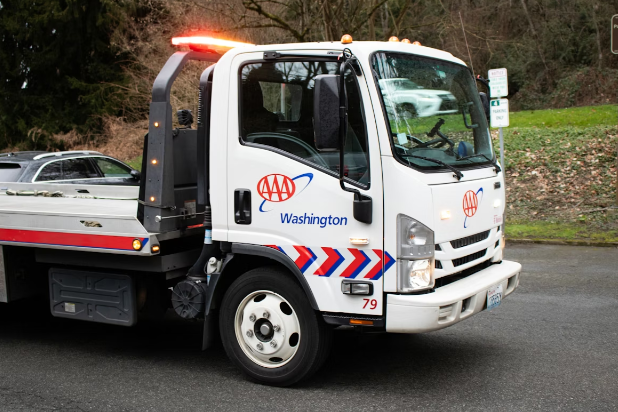
How To Access Immediate Roadside Assistance For Logistics Vehicles
When a truck is stopped on the shoulder, minutes matter. The faster you identify the problem, transmit details, and route the right help, the sooner wheels turn again. This guide lays out a simple playbook your team can run in any lane, day or night.
Know When To Call For Help
Train drivers to make a quick call-versus-fix decision. If the issue affects safety, visibility, steering, or braking, dispatch assistance first, then troubleshoot what you can while you wait.
For non-critical items, use your maintenance guide to decide whether to limp to a safe exit or stop immediately.
Give drivers a 3-question check: Is it safe to move 50 meters to a wider shoulder or ramp? Can I warn traffic, and do I have enough battery to keep hazard lights on? If the answer to any is no, stop and call dispatch.
Prep The Driver And Vehicle
Standardize the information drivers collect before calling: exact location, unit number, trailer type, load type, tire or part position, and visible damage.
Clear and complete notes cut back-and-forth and reduce the risk of sending the wrong equipment. Photos help, but the voice description should stand on its own.
Build a short script in your driver app for the first sixty seconds of the call. In practice, assistance professionals from https://truckers.roadrescuenetwork.com/ say that crisp location sharing and vehicle class details speed up dispatch. Round it out with a final check that the driver is safely off the travel lane and has hazards active.
Use Smart Dispatch Workflows
Create a simple triage tree that any dispatcher can follow at 2 a.m. Start with the incident type, then match to the provider capability by vehicle class and geography. Require a sanity check on the estimated arrival time and cost before finalizing the request.
Keep an internal map of preferred providers by corridor. Tag each vendor with coverage hours, lift capacity, tire brands, and payment options. After the call, log the outcome and add notes that will guide the next dispatcher facing the same problem.
Choose The Right Provider Fast
Speed comes from having options ready to go. Maintain at least two vetted providers for tires, towing, and mobile repair in every high-traffic market you run. Confirm they can service your specific tractor and trailer setup, including low-clearance recoveries and heavy winch-outs.
Use a brief comparison list when you are on the clock:
- Service type needed and the smallest ETA
- Equipment capacity match to your unit
- Price estimate and after-hours fees
- Payment method accepted and credit on file
- Evidence of recent successful jobs on your lanes
One industry report from a major trucking outlet noted that trucking moves the majority of freight by tonnage and revenue in the U.S., which is why minutes of uptime have an outsized impact on cost. That context is a reminder to pick capability first, then negotiate.
Keep Safety And Compliance First
Make safety steps part of the script, not an afterthought. Ensure drivers place warning devices at the proper distances, wear high-visibility gear, and keep clear of traffic while waiting.
Your SOP should spell out where to stand, how to exit the cab on the non-traffic side, and when to refuse roadside repair due to risk.
Federal guidance lays out expectations for emergency equipment and safe-shoulder behavior, and it is updated periodically.
The agency’s guidance portal explains how carriers and drivers should interpret rules and apply them during breakdowns, so align your training and checklists to that source. When policies match official guidance, drivers know exactly what to do under stress.
After-Action Follow-Up
Every incident should end with a short review. Capture root cause, time to arrival, time on scene, total cost, and any delay to delivery. Tag whether the failure could have been caught during pre-trip or mid-route inspections.
Share a monthly one-pager with patterns by lane, provider, and component. If a vendor misses two ETAs in a row, downgrade them until performance recovers. If a part fails repeatedly, adjust specs, inspection frequency, or stocking plans so the next call is less likely.
No roadside plan is perfect, but a clear workflow shortens downtime and keeps people safe. Build simple scripts, keep your vendor bench deep, and treat each event as data for the next one – that is how you get immediate help when it matters most.

We create powerful, insightful content that fuels the minds of entrepreneurs and business owners, inspiring them to innovate, grow, and succeed.