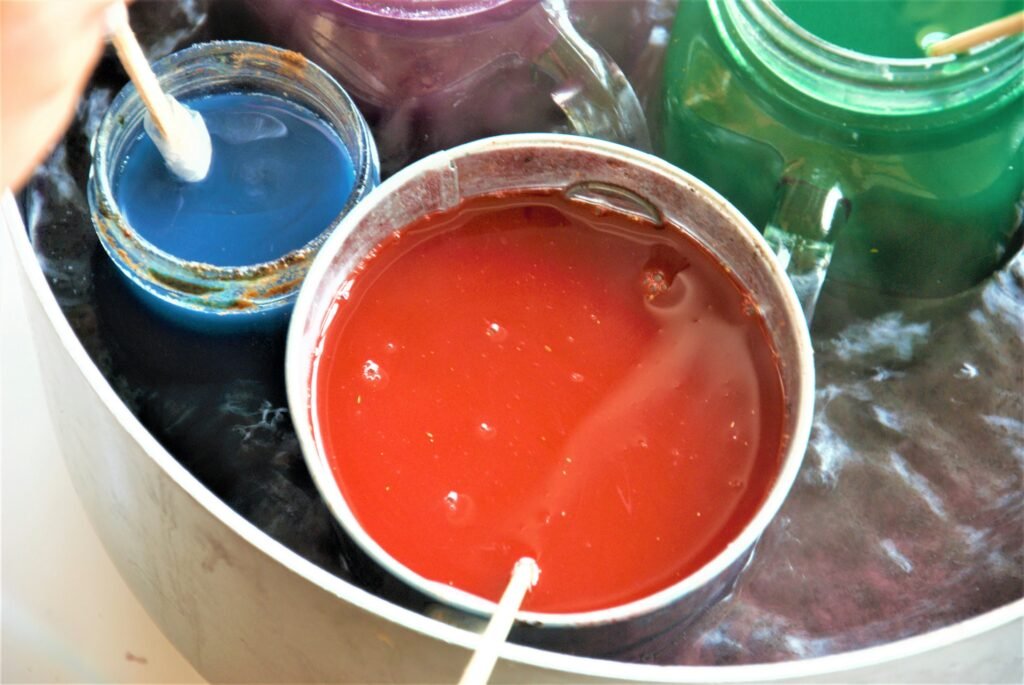
Coloration indigo
Introduction to Indigo Coloration
Indigo coloration, commonly recognized for its deep blue to black hues, originates from the leaves of the indigo plant, primarily of the species Indigofera tinctoria. This natural dye has been utilized for centuries across various cultures, playing significant roles in art, textiles, and, notably, in hair dyeing practices.
The historical significance of indigo can be traced back over 6,000 years, with evidence of its use found in ancient Egypt, India, and Japan. In these cultures, indigo not only served as a pigment for fabrics but also held cultural and spiritual importance. For instance, in India, the blue dye was often associated with the gods and was used extensively in traditional clothing. The process of extracting the dye from the indigo plant is complex, involving the fermentation of leaves to create a rich pigment, which highlights its value in historical contexts.
In modern times, indigo coloration has seen a resurgence in popularity, especially among consumers seeking natural alternatives to synthetic hair dyes. The shift towards organic and eco-friendly products has led many to explore the benefits of this ancient dye. As a natural hair dye, indigo offers a variety of shades, ranging from a vibrant blue to a subtle black, depending on the conditions of its application. It is prized for its ability to condition the hair while delivering rich color without the harmful chemicals often found in conventional hair dyes.
This introduction sets the stage for understanding the numerous benefits and applications of indigo coloration in both hair care and broader dyeing practices. The natural origins of indigo not only reflect a historical continuity but also signify a significant turning point in how individuals approach beauty and self-care through sustainable practices.
Understanding Indigofera Tinctoria
Indigofera tinctoria, commonly referred to as the indigo plant, is an essential member of the legume family and is renowned for its role in producing the vibrant hue of coloration indigo. This plant is native to tropical and subtropical regions, but it has also been cultivated in various countries across the globe for centuries, making it one of the most significant sources of natural dye.
The indigo plant can grow up to 1 meter in height and possesses slender stems that are covered with small, compound leaves. The plant typically blooms with clusters of pink or purple flowers that are both attractive and contribute to the plant’s ecological role. These botanical characteristics aid in its natural adaptability and resilience, essential for harvesting, especially in limited-water environments.
The harvesting process of indigofera tinctoria involves careful selection of the leaves, which are the primary source of the indigo dye. Upon collection, the leaves are subjected to a fermentation process that extracts the indigo pigment. During this process, the leaves are soaked in water, enabling the glucose and other compounds in the leaves to break down and release the indigo dye into the solution. This step is crucial, as it transitions the plant’s biochemistry to yield the deep blue coloration associated with natural indigo.
After fermentation, the liquid is typically oxidized to precipitate the dye, which is then collected, dried, and ground into a fine powder. This powder is the end product that serves as the raw material for various dyeing processes. The natural properties of indigo dye—such as its lightfastness, washfastness, and overall stability—make it a highly sought-after choice in the textile industry, marking its significance in the revolution of natural hair coloring methods.
The Chemical-Free Advantage
In recent years, the demand for natural hair dyes has seen a significant increase, particularly due to growing concerns about the harsh chemicals commonly found in synthetic alternatives. One of the most notable natural options is indigo coloration, which offers numerous advantages over traditional hair dye products.
First and foremost, indigo coloration is free from harmful chemicals, making it a safer choice for both the user and the environment. Unlike synthetic dyes that may contain ammonia, resorcinol, or parabens, indigo provides a gentle alternative that minimizes the risk of scalp irritation and allergic reactions. Its natural properties allow for a more soothing experience, promoting healthier hair and scalp conditions.
The use of indigo as a hair dye not only benefits individuals but also lessens the impact on the environment. The cultivation and processing of indigo plants are typically more sustainable than synthetic dye production, which often involves petroleum-based materials and toxic byproducts. By choosing indigo coloration, consumers may contribute to a reduction in environmental pollution, aligning with the growing trend towards eco-friendliness.
Moreover, indigo has been reported to have conditioning effects, contributing to the overall health of hair. Users often experience enhanced shine, reduced frizz, and improved hair texture following application. This is particularly appealing to individuals seeking not only color but also nourishment for their hair.
As consumer awareness grows, many people are turning to natural products like indigo for a variety of reasons. The chemical-free profile of indigo coloration presents an attractive option for those looking for a safer, environmentally responsible alternative to conventional synthetic dyes.
Combining Indigo with Henna: Achieving Your Desired Shade
The combination of indigo and henna has emerged as a popular technique for achieving various shades ranging from deep brown to rich black. Both dyes are derived from natural plant sources—indigo from the indigofera plant and henna from the Lawsonia inermis plant. When used together, these two dyes create a harmonious blend that not only enhances the hair color but also nourishes the hair.
The process begins with preparing the henna. Seasonal variations can affect the dye’s strength, so selecting high-quality henna is crucial. Mix the henna powder with warm water until it reaches a smooth, yogurt-like consistency, and allow it to sit for several hours to release the dye. The waiting period allows the natural dyes to develop fully, maximizing the rich hues that henna can provide.
Once the henna has developed, it’s time to incorporate indigo. Indigo can be prepared by mixing indigo powder with warm water. The synergy between these two plant dyes occurs because when henna is first applied, it imparts a warm red or brown hue. After removing the henna, indigo is applied to achieve darker tones. The indigo works by binding to the keratin proteins in hair, thus enhancing the final color.
Timing is essential in this process: typically, leaving the henna on for 1-4 hours followed by indigo application for 30-60 minutes yields the best results. This approach not only helps in achieving the desired shades but also mitigates any harshness or dryness that might come from chemical dyeing. The overall result is an array of shades accessible through careful blending of henna and indigo, offering a beautiful and natural alternative to synthetic hair colors.
The Application Process: Step-by-Step Guide
Applying coloration indigo to hair can be a transformative experience, especially for those looking for a natural alternative to chemical dyes. Following a systematic approach is essential for achieving the best results. Here’s a comprehensive step-by-step guide to applying this beautiful blue-black dye.
Step 1: Prepare Your Hair
Before starting the application process, wash your hair with a mild shampoo to remove any build-up from products, oils, or dirt. It is crucial to ensure that your hair is clean, as this will allow the indigo dye to adhere effectively. Avoid using conditioner, as it may create a barrier to the dye’s penetration.
Step 2: Gather Your Materials
To get started, you will need the following materials: natural indigo powder, a mixing bowl, warm water, a whisk or spoon for mixing, gloves, an applicator brush, an old towel to protect your clothing, and plastic wrap or a shower cap to cover your hair during the dyeing process. Having all these tools ready will streamline your application.
Step 3: Mix the Dye
In a mixing bowl, combine the indigo powder with warm water. The consistency should resemble that of a thick paste. You may add more water gradually to achieve your desired consistency. Allow the mixture to rest for about 15-30 minutes, as this will optimize the indigo’s dyeing properties.
Step 4: Apply the Dye
Wear gloves to protect your hands from staining. Using the applicator brush, start applying the indigo mixture to your hair, section by section, ensuring that all strands are well-coated. Pay extra attention to the tips and roots for an even coloration. After applying, gather your hair atop your head and wrap it with plastic wrap or a shower cap to retain warmth and moisture.
Step 5: Timing It Right
Allow the indigo to set for 1 to 2 hours, depending on the intensity of the color desired. The longer you leave it on, the darker the final result will be. During this time, it is essential to avoid exposure to water or steam.
Step 6: Rinse and Condition
After the recommended time, rinse the indigo out thoroughly with lukewarm water until the water runs clear. It is a good idea to follow up with a gentle conditioner to nourish the hair post-dyeing. This helps to seal the color and adds shine to your locks.
Conclusion
Applying coloration indigo can be a rewarding practice, yielding stunning results when done correctly. By following these steps, you can achieve a beautiful hue while embracing a more natural approach to hair dyeing.
Aftercare: Maintaining Your Indigo-Dyed Hair
Maintaining the vibrancy and health of indigo-dyed hair requires a specific aftercare routine tailored to the unique properties of this natural coloration. Unlike conventional hair dyes, which may use harsh chemicals, indigo coloration offers a gentler approach, but it still necessitates careful handling to preserve its rich hues.
When it comes to washing your indigo-dyed hair, it is advisable to wait at least 48 hours after the dyeing process before the first wash. This waiting period allows the color to fully set and reduces the likelihood of initial fading. Subsequently, when cleansing, opt for sulfate-free shampoos as they are less abrasive and help maintain the integrity of the indigo coloration. Additionally, consider using cold or lukewarm water, as hot water can strip away the color more rapidly.
Conditioning is equally vital for the longevity of your indigo coloration. Using a deep conditioner helps to moisturize the hair without influencing the dye adversely. Look for products that are free from silicones and parabens, as these ingredients can coat the hair and lead to color buildup. Instead, natural oils, such as coconut or jojoba oil, can be beneficial in nourishing both the hair and scalp while keeping the coloration intact.
Furthermore, be cautious with other hair treatments. While indigo works harmoniously with henna, using bleach or strong chemical treatments can significantly impact the color and health of your hair. If undergoing any color modifications, it is best to consult with a professional who understands how to work with indigo and its properties. Prioritizing the correct aftercare methods will ensure your hair remains vibrant and healthy, showcasing the beauty of your indigo coloration for an extended period.
Debunking Misconceptions About Indigo Coloration
Indigo coloration has gained popularity as a natural hair dye, yet it remains surrounded by various myths that can mislead potential users. One common misconception is regarding the color fastness of indigo dyes. Many believe that natural dyes do not maintain their vibrancy over time, leading to fading or washout. However, studies have shown that when properly applied, indigo coloration can be quite durable. The longevity of the indigo dye substantially depends on the application process and the hair’s care regimen following dyeing. With the right techniques, indigo can offer a deep, long-lasting hue.
Another prevalent myth is the fear of allergic reactions associated with indigo coloration. While it is true that some individuals may have sensitivities to natural dyes, indigo is generally considered safe for most users. Unlike synthetic dyes, which often contain harsh chemicals and allergens, indigo is derived from plant sources, reducing the likelihood of adverse reactions. Nonetheless, it is always prudent to perform a patch test prior to application, allowing individuals to ensure that they do not have any specific sensitivities to the dye.
Lastly, there is the belief that natural dyes, such as indigo, are inferior to their synthetic counterparts. This is a significant misconception, as natural dyes can offer a variety of rich colors and unique shades that are not always achievable with synthetic options. Additionally, users are increasingly turning towards eco-friendly alternatives, as synthetic dyes may have detrimental effects on the environment. Indigo coloration is not just a fashionable choice but also a responsible one, allowing individuals to embrace vibrant and sustainable hair color.
Sustainability and Ethical Considerations
Indigo coloration, known for its deep and rich hue, is gaining traction as a sustainable alternative to synthetic dyes in the textile and hair dye industries. Its primary source, the indigo plant, has been cultivated for centuries and offers several environmental benefits. One of the significant advantages of using indigo is that it is derived from natural plant materials, which minimizes the ecological footprint typically associated with chemical dyes. Unlike conventional synthetic dyes that contribute to water pollution, indigo is biodegradable and safe for the environment.
Moreover, the farming practices involved in cultivating indigo can be more sustainable compared to those associated with synthetic dye production. Indigo plants require less water and can often thrive in poorer soil conditions, making them suitable for diverse agricultural settings. This resilience not only helps in maintaining soil health but also supports biodiversity within the farming ecosystem. By promoting the growth of indigo, farmers can engage in crop rotation strategies that further enhance the sustainability of their agricultural practices.
In addition to its ecological advantages, ethical considerations surrounding the indigo industry play a crucial role in promoting responsible consumption. Fair-trade practices are vital for ensuring that farmers receive equitable compensation for their labor. By choosing indigo dyes sourced from fair-trade producers, consumers contribute to the livelihood of local communities, supporting sustainable practices and improving social equity within the indigo trade. Furthermore, as more consumers become conscious of their environmental and social impact, the demand for ethically produced indigo coloration increases, driving growth in sustainable practices across the industry.
Conclusion: Embracing Natural Hair Dyes
In today’s world, the increasing awareness of the benefits of natural products has led many individuals to explore alternatives to conventional hair dyes. One such alternative is the use of coloration indigo, a plant-based dye renowned for its rich and vibrant blue color. Indigo’s longstanding history in various cultures emphasizes its effectiveness and appeal, making it a valuable option for those seeking to enhance their hair naturally.
The advantages of using indigo for hair coloring should not be underestimated. This natural dye not only provides a unique and stunning hue but also avoids the harsh chemicals commonly found in synthetic dyes. By opting for indigo, individuals can minimize exposure to potentially harmful substances, which is especially beneficial for those with sensitive skin or other health concerns. Furthermore, incorporating natural dyes like indigo into hair care routines can promote healthier hair. Natural dyes often contain nourishing properties, contributing to improved hair texture and shine while ensuring a soft finish.
Moreover, the environmental impact of indigo colorants is generally less detrimental compared to their synthetic counterparts. Plant-based dyes are biocompatible and biodegradable, aligning with the increasing desire for sustainable beauty practices. As consumers become more conscious of the eco-friendly aspects of their purchases, indigo serves as a commendable option that honors both personal health and the planet’s wellbeing.
Ultimately, the shift toward embracing natural hair dyes represents a broader movement towards more holistic living. By allowing the beauty of coloration indigo to grace our hair, we not only enhance our appearance but also infuse our hair care routines with the richness of nature. As we celebrate the beauty of plant-based products and their myriad benefits, it becomes increasingly clear that choosing naturally derived dyes is a decision that aligns health, sustainability, and style.

We create powerful, insightful content that fuels the minds of entrepreneurs and business owners, inspiring them to innovate, grow, and succeed.