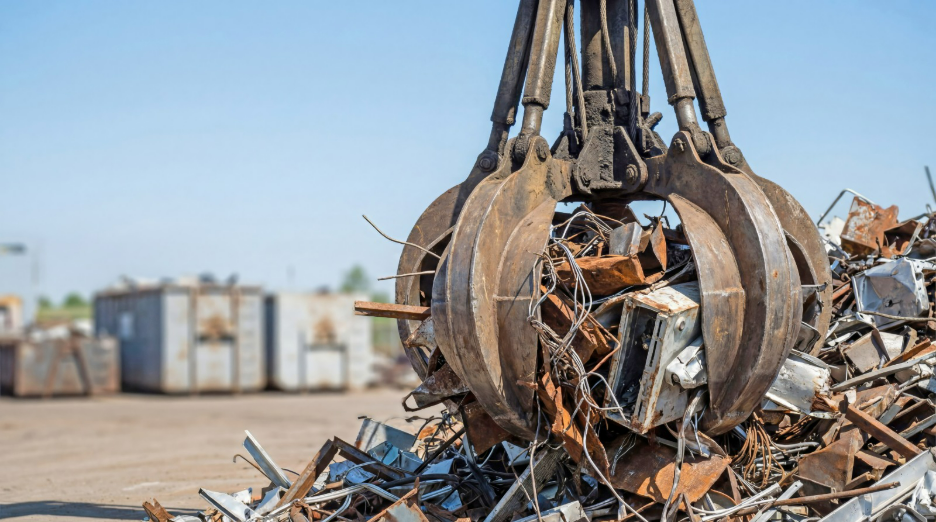
The Role of Scrap Metal Recycling in Sustainable Manufacturing
Sustainable manufacturing has emerged as a key strategy for industries seeking to shrink their environmental footprint without sacrificing efficiency or profitability. Among the various strategies employed, scrap metal recycling stands out as a practical and impactful solution. It allows manufacturers to conserve natural resources while also reducing energy consumption and pollution.
Let’s explore the role of this method and the benefits it offers in supporting a greener industrial future.
Enhancing Resource Efficiency
Scrap metal recycling significantly boosts resource efficiency by reducing reliance on raw or unprocessed materials. Extracting metals from ores consumes large amounts of energy and water and often requires environmentally disruptive mining processes. When manufacturers use recycled metals, they tap into a readily available source that demands less energy for processing. For example, recycling aluminum uses roughly 95% less energy than producing it from raw bauxite. These savings demonstrate how scrap metal recycling can optimize resource use while reducing production expenses.
Beyond energy savings, recycling also maximizes material lifespan. Metals like steel, copper, and aluminum can be reused repeatedly without losing structural integrity. Each cycle of reuse reduces the need for further extraction and manufacturing, helping industries maintain a steady supply of materials while easing pressure on natural reserves. This efficiency makes recycling a key component of responsible production planning.
Reducing Environmental Impact
The environmental benefits of scrap metal recycling extend far beyond energy conservation. Mining operations release significant greenhouse gases, disturb ecosystems, and generate toxic byproducts. By redirecting scrap metal back into the production process, these impacts are mitigated. Recycled metals often require fewer chemical treatments, reducing the risk of soil and water contamination.
Air pollution is another area where recycling makes a difference. Manufacturing metals from raw ore typically involves smelting, which releases carbon dioxide and other harmful emissions. Using recycled metal dramatically cuts these emissions, contributing to cleaner air and a lower carbon footprint for the industry. This approach aligns with global efforts to combat climate change and protect vulnerable ecosystems.
Getting started is easier than it seems. You can locate a trusted Durham scrap yard or other nearby options that make recycling straightforward. They can drop a container at your location, pick it up once it’s full, and take care of everything else.
Supporting Economic Growth
Recycling scrap metal also delivers notable economic advantages. It fosters a circular economy where waste is transformed into valuable resources, creating jobs in collection, sorting, and processing facilities. The scrap metal industry supports local communities by offering stable employment opportunities and stimulating secondary markets for recycled materials.
Companies also benefit financially from incorporating recycled metals. These materials can be more cost-effective than virgin metals, allowing manufacturers to reduce production expenses. Additionally, businesses that show strong environmental responsibility often gain competitive advantages, attracting customers and investors who support sustainability. This dual benefit of economic gain and environmental stewardship strengthens the case for scrap metal recycling in modern manufacturing.
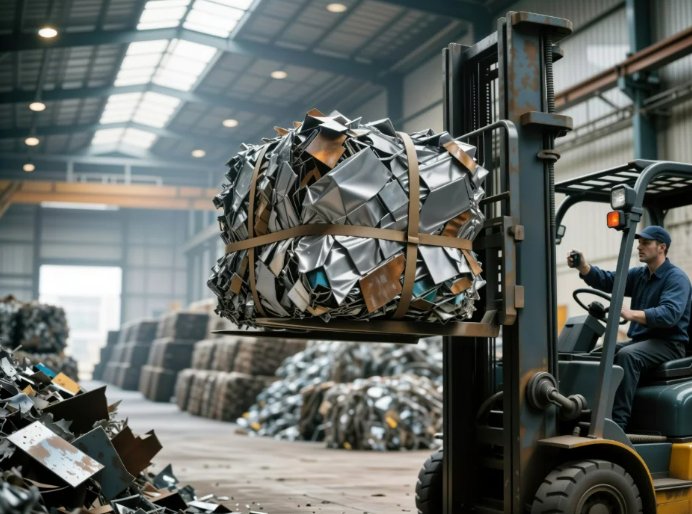
Encouraging Innovation in Production
The need to integrate recycled metals has driven innovation across manufacturing sectors. Engineers and designers are exploring new ways to work with recycled materials, improving product design and enhancing material performance. These innovations not only support sustainability but also lead to stronger, lighter, and more versatile products.
Manufacturers are also investing in latest technologies that streamline the recycling process itself. Advanced sorting methods, chemical treatments, and automated systems make it easier to recover metals from complex products like electronics and vehicles. By improving efficiency and quality in recycling, these innovations help establish a reliable supply chain for sustainable manufacturing.
Promoting Corporate Responsibility
Adopting scrap metal recycling reflects a company’s commitment to corporate social responsibility. Stakeholders increasingly expect businesses to operate with transparency and care for the environment. Prioritizing recycled materials shows manufacturers’ dedication to reducing waste and ecological harm.
Such efforts extend beyond environmental impact, fostering a culture of accountability and ethical practice. Employees, customers, and investors are more likely to engage with companies that demonstrate responsible manufacturing. This reputational benefit reinforces the long-term value of recycling programs, making them a strategic as well as an ethical choice.
Strengthening Supply Chain Resilience
Scrap metal recycling also plays a critical role in reinforcing supply chain stability. Global demand for metals often fluctuates due to market trends or geopolitical factors, making reliance on newly mined materials risky. Incorporating recycled metals provides manufacturers with a more dependable source of raw materials that is less vulnerable to these disruptions.
Recycled metals can be sourced locally, reducing dependency on long-distance shipping and minimizing delays caused by transportation or trade interruptions. This local availability not only shortens lead times but also lowers logistics costs. In this way, recycling contributes to a supply chain that is more adaptable, responsive, and resilient in the face of changing global conditions.
Key Takeaway
Embracing scrap metal recycling transforms the way industries approach manufacturing. It turns waste into opportunity, creating a cycle where materials continue to serve a purpose instead of burdening the planet. It also fosters a mindset of responsibility and innovation, helping companies become conscientious stewards of both industry and the environment. As manufacturing evolves, integrating recycled metals isn’t just an option. It becomes a defining feature of sustainable progress.

We create powerful, insightful content that fuels the minds of entrepreneurs and business owners, inspiring them to innovate, grow, and succeed.

