XRP Does XRP still have a future?
Introduction: Understanding XRP and Its Current Market Position
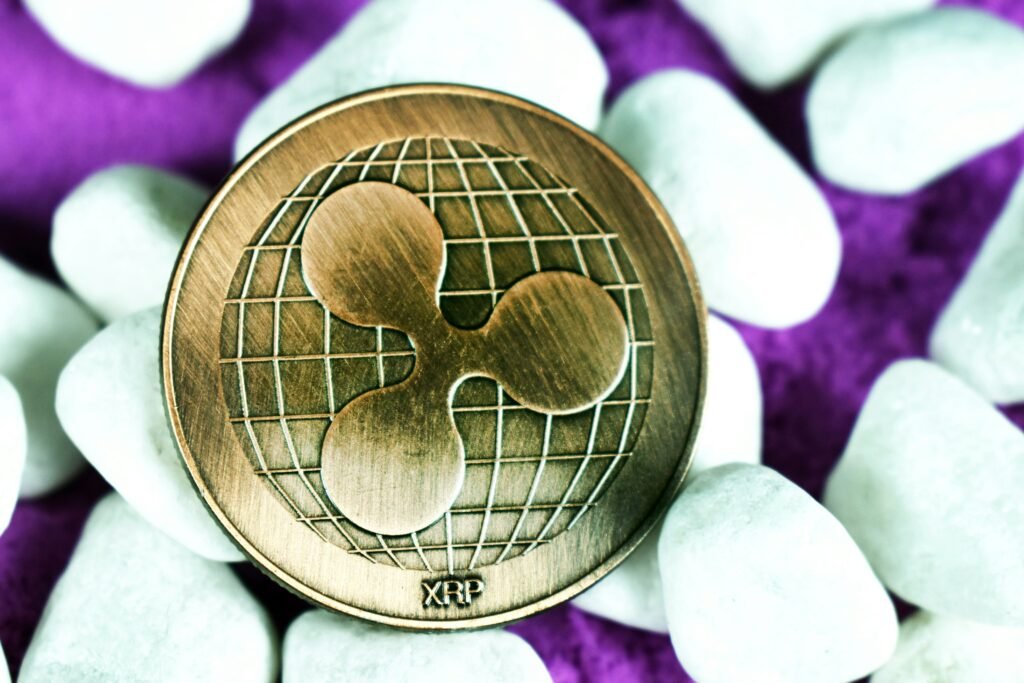
XRP is a digital asset that was created by Ripple Labs in 2012 to facilitate quick and low-cost cross-border transactions. Distinct from many cryptocurrencies that primarily focus on being a medium of exchange or a store of value, XRP is specifically designed to bridge the gap between traditional finance and digital currencies. It operates on the RippleNet platform, which utilizes a unique consensus algorithm to enable secure and efficient currency exchanges in real-time.
As of now, XRP has established itself as one of the prominent cryptocurrencies in the market, with a current price hovering around $2.15. This positioning highlights its viability and relevance within an evolving financial landscape. With the global acceptance of blockchain technology, and the increasing demand for faster payment solutions, XRP’s utility in facilitating international payments cannot be underestimated. Central banks and financial institutions are exploring the potential of digital assets, and XRP is often referenced as a leading example of how these technologies can improve existing financial infrastructures.
Furthermore, XRP’s ability to handle a significant number of transactions per second (around 1,500) places it at an advantage compared to its competitors such as Bitcoin and Ethereum, which often struggle with scalability under high demand. Adept at functioning in a real-world scenario, XRP’s technology is seen as a promising solution for remittance services, providing a faster, more efficient way for transferring value.
Given this context, it is imperative to examine the potential trajectory of XRP as we approach 2026. With the cryptocurrency market being notoriously volatile, understanding XRP’s current market position allows for a more informed discussion regarding future predictions and the overall significance of this digital asset in the broader financial ecosystem.
Market Analysis: The Current State of Cryptocurrency
The cryptocurrency market has undergone significant evolution in recent years, marked by volatility, investor intrigue, and regulatory shifts. Currently, the market cap of all digital currencies exceeds $1 trillion, with Bitcoin and Ethereum leading the pack. However, altcoins like XRP are also carving out their identities, seeking to address specific financial needs, such as faster and cheaper international money transfers.
XRP, created by Ripple Labs, is designed for financial institutions and facilitates cross-border transactions. Its increasing adoption by banks and payment providers exemplifies a broader trend within the cryptocurrency sector toward real-world application. As financial entities increasingly acknowledge the potential benefits of cryptocurrencies, XRP could see an enhanced demand, thus influencing its market positioning significantly.
Several factors contribute to the fluctuating prices of cryptocurrencies, including regulatory developments, technological advancements, and market sentiment. The regulatory landscape, particularly concerning XRP, remains a point of contention. As seen with Ripple’s ongoing legal battles, outcomes could dramatically impact the price of XRP and its acceptance in mainstream finance. Furthermore, technological innovations, such as improvements to blockchain interoperability, may enhance the utility of XRP, making it a more appealing option for users.
Additionally, macroeconomic factors such as inflation rates and global economic stability play crucial roles in shaping investor behavior. In an era of financial unpredictability, individuals may turn to cryptocurrencies like XRP as alternative stores of value or investment opportunities. Moreover, increasing digitalization and the rise of decentralized finance (DeFi) are fostering an ecosystem where XRP can thrive.
In summary, as the cryptocurrency landscape continues to evolve, XRP stands out as a key player amidst the shifting dynamics, influenced by regulatory, technological, and economic factors that will shape its trajectory leading into 2026.
XRP’s Price History: Lessons from the Past
The journey of XRP, a digital asset created by Ripple Labs, provides valuable insights into the dynamics of cryptocurrency valuation. Initially launched in 2012, XRP was aimed at enabling fast and affordable cross-border transactions. Since its inception, the asset has experienced several notable price fluctuations influenced by market trends, regulatory developments, and broader economic factors.
During the early years, XRP’s price remained relatively stable, trading below $0.01. However, significant milestones such as partnerships with major financial institutions and the introduction of innovative payment solutions propelled its value to an all-time high of approximately $3.84 in January 2018. This surge was primarily attributed to a burgeoning interest in cryptocurrencies, driven by notable events like the ICO boom and the overall increase in crypto market capitalization.
Following its peak, XRP faced a considerable decline that saw its price dip below $0.50 by the end of 2018. Various factors contributed to this downturn, including market correction, regulatory uncertainties, and competition from other blockchain projects. The U.S. SEC’s lawsuit against Ripple in late 2020 further exacerbated concerns around XRP’s classification as a security, leading to increased volatility and price retraction.
Despite these challenges, XRP has demonstrated resilience. It has shown signs of recovery, often influenced by broader market trends and renewed confidence in the asset. Historical patterns indicate that XRP’s price often reacts to mainstream adoption of blockchain technology and regulatory clarifications. Understanding these past performance trends provides a framework that may inform future price predictions as we analyze XRP’s potential trajectory through 2026.
Predictions for 2026: Will XRP Hit $3?
The future of XRP is a subject of considerable speculation and analysis, with many investors and enthusiasts wondering if it has the potential to reach the $3 mark by 2026. This prediction hinges on several key market dynamics, technological advancements, and regulatory changes that could significantly impact the value of XRP.
A major factor contributing to the optimistic outlook for XRP is its strong positioning within the cryptocurrency market. As a digital asset designed primarily for facilitating cross-border transactions, XRP addresses a critical need in the financial sector. This unique value proposition may lead to increased adoption and usage of the token, which could drive demand up and consequently raise its price. Leveraging partnerships with established financial institutions has further solidified its reputation and usefulness in transactional frameworks.
In addition to these market dynamics, the continuous evolution of technology plays a pivotal role in shaping the future of XRP. The integration of blockchain technology continues to improve transaction times and reduce costs, making it a compelling option for organizations seeking efficient solutions. Moreover, as decentralized finance and other innovative applications gain traction, the relevance of XRP may experience a resurgence, bolstering its market value.
Furthermore, the regulatory landscape surrounding cryptocurrencies is also expected to evolve significantly by 2026. Regulatory clarity would enhance overall market stability and attract institutional investors who have hesitated thus far due to potential risks. An accommodating regulatory environment could also pave the way for wider use of XRP in the mainstream financial system.
Considering these factors, it is plausible that XRP could hit the $3 milestone by 2026. While predicting exact price points is inherently uncertain, the combination of technological advancements and market trends presents a reasonably optimistic scenario for XRP in the coming years.
The Psychological Aspect of Holding XRP: Patience and Strategy Required
The journey of investing in XRP, like any cryptocurrency, is marked by emotional highs and lows, often challenging the patience and strategic thinking of investors. Understanding the mental aspect surrounding the investment in XRP is crucial for both new and experienced holders. The cryptocurrency market is inherently volatile, leading to fluctuations that can evoke fear or euphoria among investors. These emotions can cloud judgment, prompting impulsive decisions to buy or sell based on short-term price movements rather than long-term potential.
Moreover, investor sentiment plays a significant role in shaping the market dynamics of XRP. Media coverage, regulatory news, and market trends can influence perceptions of XRP’s value, creating an environment where emotions often govern decisions. For example, during periods of market downturns, it is not uncommon for investors to experience panic, leading them to divest their assets prematurely. This reaction may result in losses that could have been avoided if a more patient approach was undertaken. A calm, strategic mindset is invaluable when navigating the unpredictable waters of cryptocurrency investments.
Additionally, the emotional strain of holding XRP can be compounded by the comparison with other investment channels. Observing others’ gains can create feelings of envy or regret, further complicating the investment experience. It is essential for investors to cultivate a strategy grounded in a thorough understanding of XRP’s fundamentals and market potential, rather than succumbing to emotional pressures. Embracing a patient and strategic perspective will not only aid in weathering market volatility but also enhance the likelihood of long-term success in the ever-evolving realm of cryptocurrency. As such, approaching XRP investment with focus and mental fortitude is paramount.
Potential Challenges: What Could Hinder XRP’s Growth?
The journey of XRP toward achieving its predicted price milestones, such as reaching $3 by 2026, may be significantly impacted by various challenges. Among these challenges, regulatory hurdles emerge as one of the most pressing issues facing the cryptocurrency market as a whole, and XRP is no exception. Regulatory bodies around the globe are increasingly scrutinizing digital currencies, with some countries adopting stringent laws that may impede the functionality and adoption of XRP. For instance, ongoing legal battles, notably the case brought by the U.S. Securities and Exchange Commission (SEC) against Ripple Labs, have fostered uncertainty in the market. Legal outcomes could ultimately shape the operational viability of XRP and its acceptance by institutional players.
Another factor that may influence XRP’s trajectory is the formation of competitive pressures from other cryptocurrencies. The market is continuously evolving, with new players and innovations emerging frequently. Many digital assets are designed to facilitate similar functionalities as XRP, particularly in the realm of cross-border transactions and remittances. As these alternatives gain traction and capture market share, XRP might struggle to retain its position within the industry. Additionally, advancements in technology and improvements in other blockchain networks could render XRP’s existing framework less appealing over time.
Finally, overall market downturns pose a considerable risk that could stifle XRP’s growth potential. The cryptocurrency market is notoriously volatile, and economic factors such as inflation, interest rate changes, or geopolitical unrest can adversely affect investor sentiment. A decline in investor confidence can lead to significant price fluctuations, which may impact XRP just as severely as any other digital currency. In light of these challenges, a cautious approach is warranted as we look ahead to XRP’s potential future in the coming years.
Long-Term Trends in Cryptocurrency: Beyond 2026
The cryptocurrency landscape is continuously evolving, driven by numerous factors that shape its future trajectory. One of the most significant trends is the advancement of blockchain technology, which provides increased security and efficiency for digital currencies, including XRP. Innovations in consensus algorithms, scalability solutions, and interoperability between different blockchain ecosystems are likely to enhance the operational capacity of cryptocurrencies. Such technological advancements may further solidify XRP’s position in the market, offering solutions for industries such as finance, healthcare, and supply chain management.
Another crucial aspect is the transition towards mass adoption of digital currencies. Governments and financial institutions around the world are exploring central bank digital currencies (CBDCs) and other blockchain applications that seamlessly integrate into existing systems. This progression could pave the way for broader acceptance of decentralized assets like XRP, as users and businesses become more familiar with digital asset transactions. Increased collaboration between traditional finance and crypto sectors may also contribute to the legitimacy of XRP and its utility in everyday transactions.
Furthermore, changes in investor behavior play a key role in shaping the future of cryptocurrencies. The growing interest from institutional investors indicates a shift towards mainstream adoption, which may drive demand for specific localities and, consequently, prices. Additionally, the rise of sustainable investing and emphasis on environmental, social, and governance (ESG) criteria can affect market dynamics. As cryptocurrencies evolve, buyers may lean towards projects that prioritize sustainability, and initiatives that make XRP more energy-efficient could significantly impact its appeal.
Overall, understanding these long-term trends will be essential in predicting XRP’s trajectory within the cryptocurrency market, as they influence not only the asset’s performance but also its integration into the broader economic ecosystem.
Expert Opinions: Voices from the Crypto Community
The cryptocurrency landscape has witnessed rapid evolution, particularly regarding notable assets like XRP. Insights from respected analysts and experts reveal a variety of perspectives about the future price trajectory of XRP as we approach 2026. The consensus among many analysts indicates a notable potential for growth, primarily due to the increasing institutional adoption of blockchain technology and the role Ripple plays in facilitating cross-border payments.
One prominent analyst, David Schwartz, the Chief Technology Officer at Ripple, has emphasized the advantages that XRP offers over traditional financial systems. He posits that as more financial institutions recognize the efficiencies associated with XRP, its value is likely to appreciate significantly. Supporting this view, research from Cryptolytics suggests that XRP could serve as a cornerstone for liquidity solutions, projecting a price outlook that exceeds $10 by 2026.
Conversely, some experts caution against overconfidence in XRP’s future. An analyst at a leading cryptocurrency investment firm argues that regulatory hurdles and market volatility could impede XRP’s growth. According to this viewpoint, while there is potential for appreciation, there are also significant risks that could destabilize even the most optimistic forecasts. They remind investors to consider both market dynamics and regulatory developments closely in the coming years.
Furthermore, the integration of XRP into mainstream financial systems could encounter challenges from competing cryptocurrencies. For instance, Ethereum’s advancements in smart contracts and decentralized finance present an area of competition that could impact XRP’s market position. Experts urge potential investors to remain informed about technological advancements and regulatory shifts as they evaluate XRP’s potential to navigate this evolving landscape.
Conclusion: Navigating the Future of XRP Investment
As we look toward the future of XRP, the potential trajectory appears to be framed by an array of evolving market dynamics and regulatory considerations. The nature of the cryptocurrency market inherently involves volatility and unpredictability; however, XRP has consistently demonstrated resilience and adaptability, positioning itself as a critical player in the realm of digital finance.
One of the pivotal aspects that will influence XRP’s performance in the coming years is the ongoing developments within the regulatory landscape. As regulators around the globe intensify their scrutiny of cryptocurrencies, XRP’s classification as a security or a utility token will have significant implications for its adoption and usability. Therefore, staying abreast of policy changes and their potential impacts will be essential for any investor considering XRP.
Moreover, the utility of XRP as a bridge currency in cross-border transactions remains a strong component of its value proposition. As global financial systems strive for more efficiency and lower transaction costs, the adoption of XRP by financial institutions for remittances and settlements could bolster its demand substantially.
Additionally, technological advancements, partnerships, and integrations into existing financial ecosystems will play a major role in determining XRP’s future trajectory. Investors should monitor developments such as collaborations with banks and other financial entities, which can enhance XRP’s credibility and usage.
In conclusion, XRP holds promising potential as we approach 2026, but prospective investors must evaluate myriad factors before entering the market. Continuous research, market awareness, and an understanding of the risks involved are vital to navigate the complexities of investing in XRP effectively. The cryptocurrency landscape is ever-evolving, and a prudent approach will be key to making informed decisions about XRP investments in the future.

We create powerful, insightful content that fuels the minds of entrepreneurs and business owners, inspiring them to innovate, grow, and succeed.