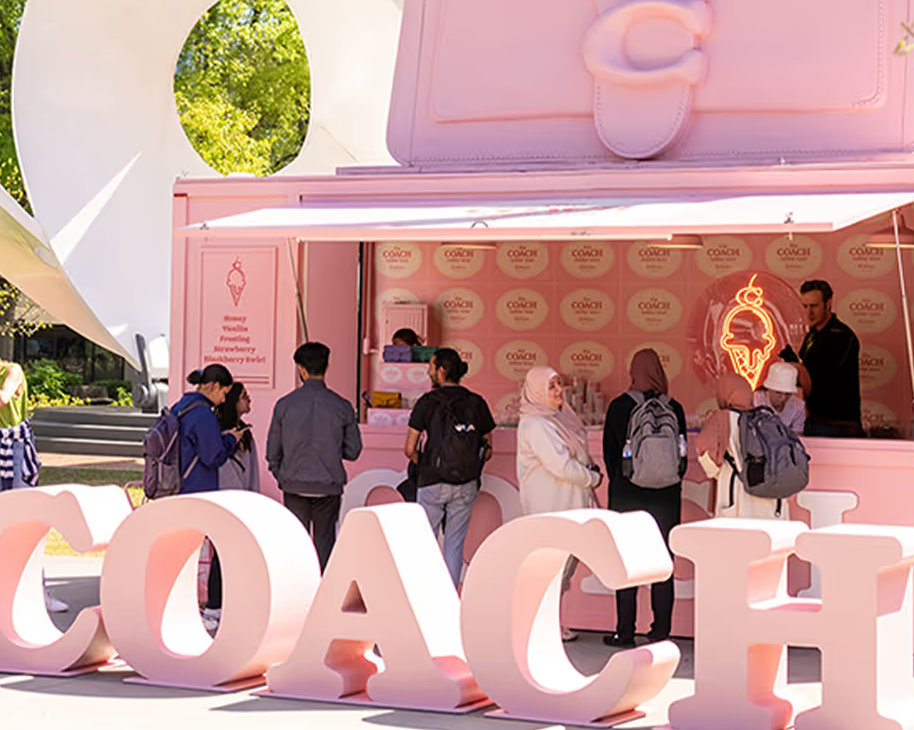
How to Create Experiential Mobile Tours That Stand Out
Crafting compelling mobile tour infrastructure takes excellent preparation. These tours provide you with an opportunity to let visitors interact and experience the event in a way they will remember it. Focusing on certain aspects helps design the best tours that people will remember well.
- Understanding the Audience
The first step before creating an experiential mobile tour is to understand who the tour is for. With thorough insights into their preferences, interests, and expectations, a more tailored experience can be delivered. By tailoring the content for participants, we can enhance the tour’s meaning and enjoyment value.
- Crafting a Compelling Narrative
Central to any successful tour is a strong narrative. Individuals relate to stories on an emotional level. Using a well-defined narrative that is relevant to participants provides direction to the experience. There should be a storyline, a beginning, middle, and end, that will captivate audiences at every phase of the journey.
- Incorporating Technology
The use of technology also makes mobile tours more intriguing and interactive. Platforms such as augmented reality and virtual reality, along with mobile apps, can further add an engaging layer, enabling participants to connect with nearby attractions differently. These tools create an experience with a lot of depth and can provide content customized to your personal selection.
- Selecting Unique Locations
Selecting unique and interesting tour locations is crucial for unforgettable tours. The settings need to fit the theme of the tour and add context to the story being told. Particular places allow you to stand out and enrich the visit with details that make it more captivating.
- Engaging the Senses
Your experiences will become more memorable if your experiential tours evoke more than one sense. Using sound, flavor, feel, and scent in addition to visual elements can increase engagement. Such a multisensory approach actually makes the experience more real, as participants can engage with the content on a more meaningful level.
- Interactive Elements
Components of an interactive nature stimulate a sense of involvement, making the tour become much livelier and friendlier. Engaging in the form of activities, puzzles, or challenges relating to the area can get your participants involved and include a bit of sure exploration/discovery. This type of interaction encourages engagement and excitement during the process.
- Sustainability and Inclusivity
New tours that prioritize sustainability and inclusivity should incorporate this. Including green initiatives and making it accessible to many participants make it more appealing. Offer responsible and inclusive tours that take into account various needs while minimizing impacts on the environment.
- Training Knowledgeable Guides
An informed guide can significantly enhance the tour experience. But ensure that your guides are aware of every aspect of the tour and are able to communicate it properly. Additionally, being able to ask questions and engage with the audience builds a connection with them, as you are hearing from them.
- Gathering Feedback
Feedback from the participants is crucial to keep improving your process. Knowing what went well and what can be improved is quality feedback for the next tours. Open lines of communication with participants to ensure that participants are heard and that what they have to suggest is taken into account.
- Marketing the Experience
Promoting your tour is essential to attract participants. Using different marketing channels such as social media, email campaigns, and partnership campaigns will create awareness. Describing what sets you apart from others and the testimonies you have received can attract a larger, more diverse crowd.
- Evaluating Success
Determining whether a tour is successful boils down to a few qualitative and quantitative metrics. The measure of its success can be abstracted through attendance numbers, participant engagement, and feedback. This regular evaluation ensures that you decide in an informed way and make future tours even better.
Conclusion
The difference between an everyday mobile tour and an experiential one comes down to creativity, awareness, and technology. You can develop memorable tours around storytelling, interactivity, and audience engagement. If undertaken well, these tours can be memorable, immersive adventures.

We create powerful, insightful content that fuels the minds of entrepreneurs and business owners, inspiring them to innovate, grow, and succeed.