


Last updated: April 2026. Written for travelers seriously considering a green season trip.
Here is a truth that most travel blogs are too afraid to say plainly: the Costa Rica rainy season is not just “acceptable” — for the right traveler, it is genuinely the best time to go. Lower prices, lush scenery, empty trails, thundering waterfalls, and some of the country’s most spectacular wildlife events all happen during the months that tourists avoid.
But there are also real trade-offs. Heavy rain in September can flood roads, close activities, and genuinely ruin a beach holiday. This guide gives you the honest, unfiltered picture — so you can decide with your eyes open.
Before diving in: if you haven’t confirmed whether the rainy season aligns with your travel goals, start with our Best Time to Visit Costa Rica 2026 guide which breaks down every single month with weather, crowds, and wildlife.
What Is the Costa Rica Rainy Season? (The Basics)
The rainy season in Costa Rica — known locally as the temporada lluviosa or invierno (winter) — runs from May through November on the Pacific coast and Central Valley. The Caribbean coast follows a different pattern and is covered separately below.
“Rainy season” is a misleading name. It does not rain all day. The typical pattern is:
- Mornings: warm, sunny, and clear
- Early afternoon: clouds begin building
- Late afternoon (2–5pm): heavy rainfall, often dramatic and short-lived
- Evening: clears up, humid and warm
The further into the rainy season you go, the heavier the afternoon showers become. May and June are relatively light. September and October are genuinely wet — especially on the Pacific coast and Osa Peninsula.

The 12 Honest Pros and Cons
The Pros
1. Prices drop 30–50%. This is the single most compelling reason to visit in the green season. Luxury eco-lodges that cost $400/night in January list for $180–220 in May or October. Budget accommodation is similarly discounted. Flights from North America and Europe are also significantly cheaper during rainy season months.
2. Crowds disappear. Manuel Antonio National Park in February has a 3-hour queue. In June, you might walk right in and have the beach nearly to yourself. Popular trails at Arenal, Monteverde, and Corcovado all see dramatically lower visitor numbers. This is when Costa Rica feels like the wild, authentic experience it promises.
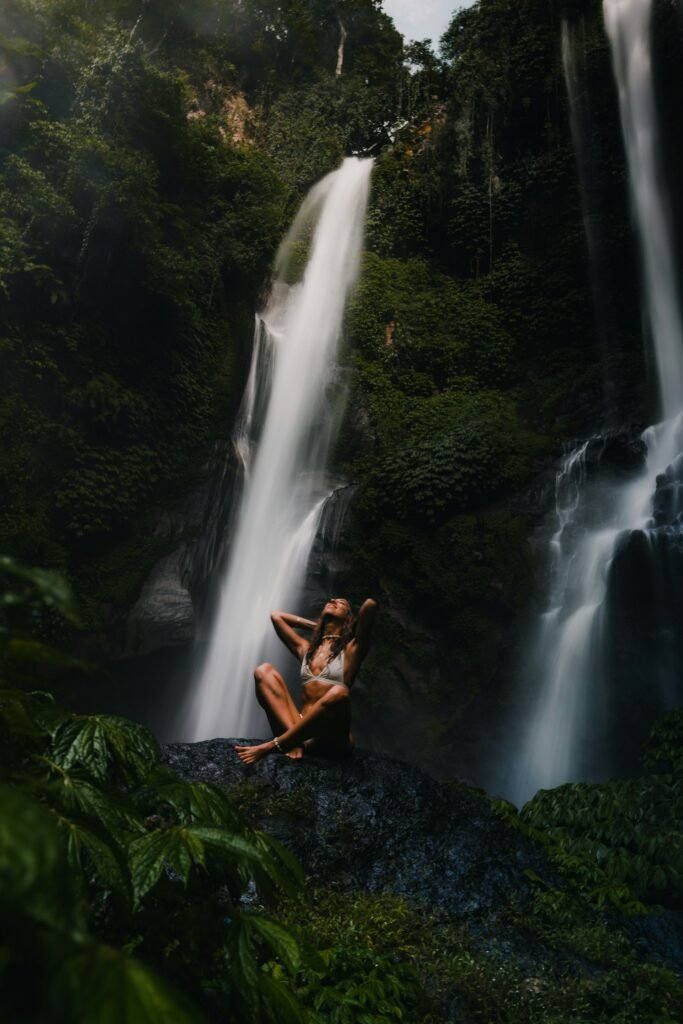
3. The scenery is extraordinary. The dry season leaves Guanacaste brown, dusty, and brittle by March and April. The first rains of May trigger an explosion of growth that transforms the country within weeks. By June, the forests are electric shades of green, waterfalls are roaring at full power, and rivers are swollen and dramatic. Wildlife photographers consistently rate the green season as their preferred time to shoot.
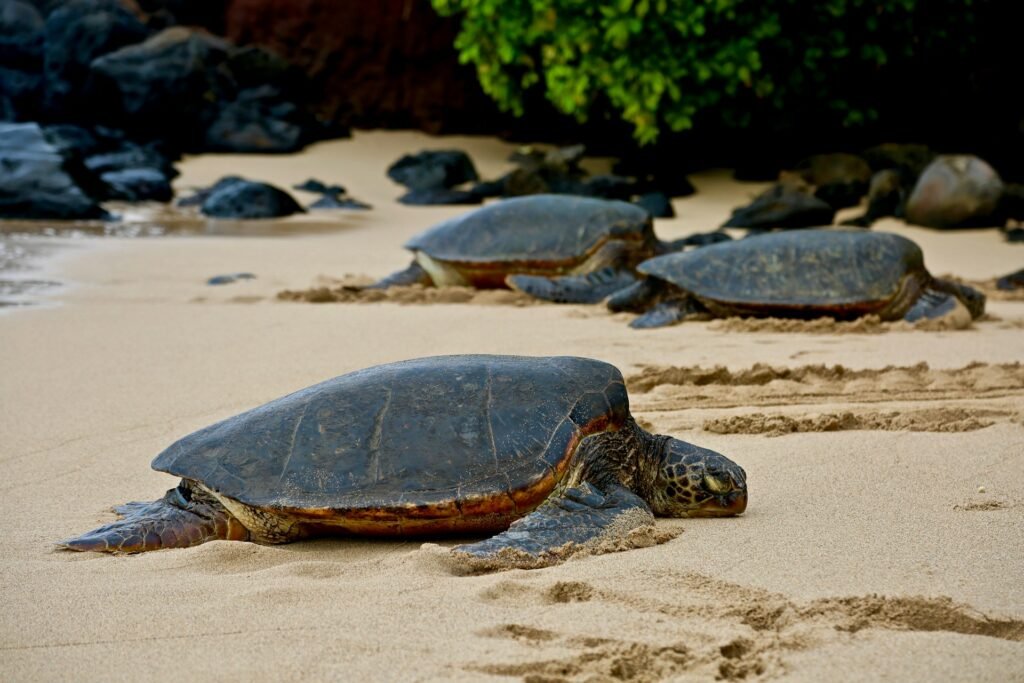
4. Wildlife events peak. The rainy season coincides with some of Costa Rica’s most spectacular wildlife moments. Humpback whale watching peaks from August to October near Uvita on the Pacific coast. Green sea turtle nesting at Tortuguero peaks from July to October. The Ostional Beach arribada — a mass nesting of thousands of olive ridley turtles — occurs primarily from August to November. None of these events happen in the dry season at full scale.
5. Surfing is at its best. The Pacific coast receives its biggest, most consistent swells between May and November. Spots like Tamarindo, Playa Hermosa, and Santa Teresa are a completely different proposition in the rainy season — powerful, consistent, and significantly less crowded. Advanced and intermediate surfers consistently rate this period as the best time to surf Costa Rica.
6. Rivers run full for rafting. White-water rafting on the Pacuare River — one of the top 10 rafting rivers in the world — requires sufficient water levels. By late May, the rivers run at perfect levels for rafting through the jungle. By March and April in a dry year, some rivers are too low for certain rapids.
7. Mornings are reliably sunny. This is the green season’s secret weapon. If you structure your days around morning activities — wildlife tours, hiking, park visits — the rain is almost irrelevant. It arrives in the afternoon, when most travelers are back at the lodge anyway.
8. The zip-lining and canopy experience is dramatically better. Riding through a mist-covered cloud forest in Monteverde during the green season is genuinely magical. The moisture amplifies everything — the sounds, the vegetation, the sense of being inside a living ecosystem.
The Cons
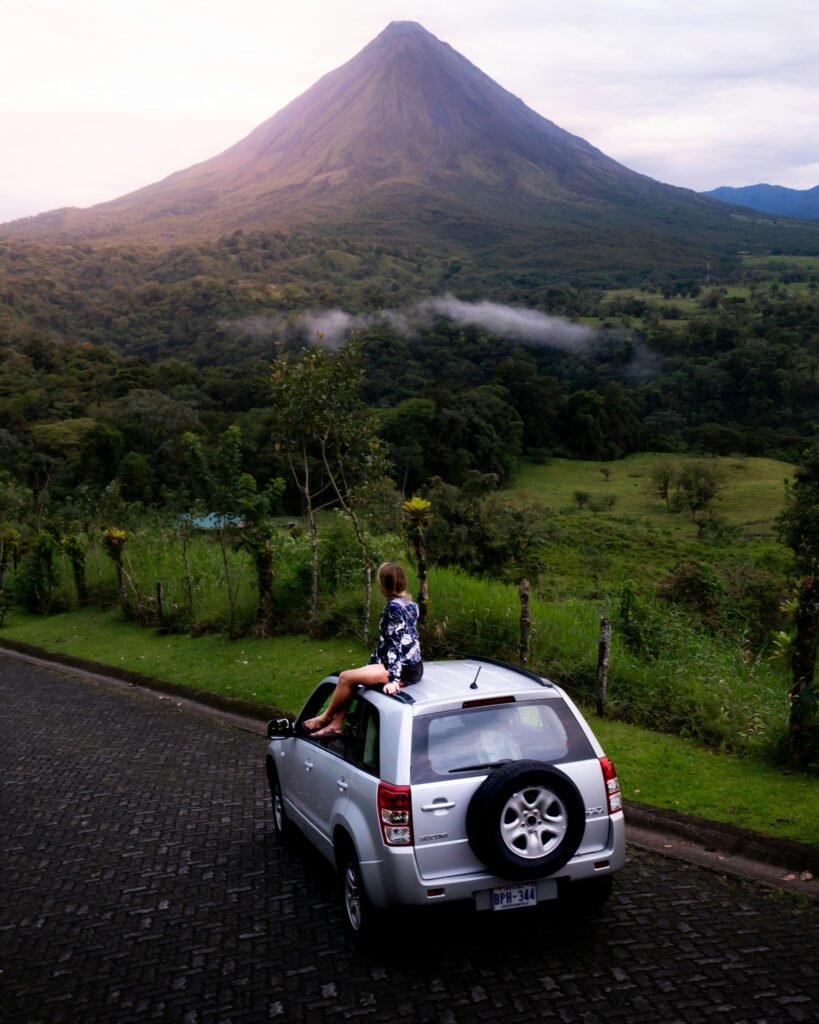
9. Roads become genuinely dangerous. This is the biggest real risk. Unpaved roads — which lead to many of the most spectacular destinations — turn to deep mud or wash out entirely after heavy rain. River crossings that are straightforward in January become dangerous or impassable in October. A 4×4 vehicle is non-negotiable for any destination off the main highways during the rainy season.
10. Some tours and activities close or become unavailable. Coastal activities are most affected: boat tours, snorkeling, diving, and fishing trips are frequently cancelled due to rough seas. Some beach access roads flood. A few remote eco-lodges and national park sectors (particularly on the Osa Peninsula) close entirely during peak wet months.
11. Humidity and insects increase significantly. Mosquitoes are most active at dawn and dusk throughout the rainy season. The humidity in lowland jungle areas is oppressive — feeling like 40°C even when the thermometer reads 30. Packing [LINK TO: /travel/costa-rica-packing-list/] light, moisture-wicking clothing is essential.
12. September and October on the Pacific are genuinely difficult. Let’s be blunt: these are challenging months for a Pacific coast beach trip. Flooding is possible in some lowland areas, many attractions reduce hours or close, and extended rain can go beyond the predictable afternoon shower pattern. First-time visitors are strongly advised to consider the Caribbean coast during these months instead — see our Caribbean Coast vs Pacific Coast guide for more on this.

Month-by-Month: What the Rainy Season Actually Looks Like
May is the gentlest entry into the rainy season. Prices drop immediately, crowds thin, and the rains are mostly brief afternoon showers. Mornings are sunny and beautiful. This is arguably the best value month in all of Costa Rica — you get near-dry-season conditions at green-season prices. Highly recommended.
June continues the pattern of May with slightly more rain. The landscapes are now breathtakingly lush. Wildlife is hyperactive. Whale watching begins picking up on the Pacific coast. Fewer tourists than any month in the dry season. An excellent month for experienced travelers.
July brings a remarkable weather phenomenon: the veranillo (little summer). For roughly 2–4 weeks from mid-July into early August, rainfall decreases significantly across the Pacific coast. This mini dry season within the rainy season produces ideal conditions at the year’s lowest prices. For a full breakdown, see our dedicated Costa Rica in July & August guide.
August sees the veranillo potentially continuing into early August before rains return. Humpback whale watching peaks near Uvita. Turtle nesting at Tortuguero is in full swing. The Caribbean coast is having some of its best weather. A great month overall with excellent wildlife opportunities.
September is the peak wet month on the Pacific coast — the most challenging for travel. This is not the month for a Guanacaste beach trip. However, the Caribbean coast (Puerto Viejo, Tortuguero) is at its driest and sunniest. Prices hit their annual floor. For budget-focused travelers who go to the Caribbean side or the Central Valley, September can be excellent.
October remains very wet on the Pacific, with the rain beginning to ease in the second half of the month. The Osa Peninsula in October is extremely wet and remote travel becomes difficult. The Caribbean coast remains a great option. Not recommended for first-time visitors doing a standard Pacific circuit.
November is the transition month — and one of the most underrated in all of Costa Rica. By mid-November, the Pacific coast rains have decreased significantly. The landscape is at its most dramatically green but the weather is rapidly improving. Prices are still at green-season levels. Whale watching continues. This month offers one of the best risk/reward ratios of the entire calendar.

The Caribbean Coast Exception
Everything above describes the Pacific coast and Central Valley. The Caribbean coast — Tortuguero, Puerto Viejo, Cahuita, Limón — follows a completely inverted pattern.
When is the Caribbean coast’s best weather? September and October — the worst months on the Pacific — are the Caribbean’s sunniest, driest period. The Caribbean also has a second dry spell around March and April.
This creates a powerful travel strategy: during the wettest Pacific months, route your trip to include the Caribbean. The contrast between a wet, green Pacific jungle experience and a sunny Caribbean beach week is genuinely spectacular, and you can often do both on a single trip by crossing the country.
Practical Survival Tips for the Rainy Season
Structure your days around the weather. Book all active tours, park visits, and outdoor activities for the morning. Budget your afternoons for slower activities — a local restaurant, a hammock, reading at the lodge, a spa treatment. Working with the rain rather than against it removes most of the frustration.
Book a 4×4 vehicle. Not a suggestion. On any itinerary that takes you off the main inter-American highway — and you’ll want to, because that’s where Costa Rica’s best experiences are — a 4×4 is essential from May onward. River crossings and unpaved roads are the norm outside of major tourist hubs.
Travel insurance matters more. Tour cancellations due to weather are more frequent in the rainy season. A travel insurance policy that covers tour and activity cancellations is genuinely worth the cost.
Pack right. The biggest rainy season packing mistake is bringing cotton clothing. A complete packing checklist for the green season is available in our Costa Rica Packing List 2026.
Book early morning tours. Wildlife tours, national park visits, zip-lining, and hiking should all be booked for 6–8am starts. Morning conditions are consistently good throughout the rainy season.
Consider shoulder months. May, June, and November offer the best of both worlds — lush green landscapes and lower prices with meaningfully less rain than the peak wet months of September and October.


Is Costa Rica Worth Visiting in the Rainy Season? The Verdict
For the right traveler: absolutely yes. If you are budget-conscious, experienced, flexible, and interested in wildlife and natural beauty over guaranteed beach weather, the rainy season is not a compromise — it is a genuine advantage.
If you are a first-time visitor with limited flexibility, fixed beach plans, or traveling with young children, the dry season (December–April) or the July veranillo window offers better predictability.
The honest answer is that Costa Rica’s rainy season has been undersold by the travel industry for decades. The waterfalls are fuller, the forests are greener, the wildlife is more active, and you will share all of it with far fewer people — at a fraction of the cost.
Frequently Asked Questions
The rainy season on the Pacific coast runs from May through November. Peak rainfall is in September and October. The Caribbean coast follows a different pattern with its driest months in September, October, March, and April.
No. The typical pattern is sunny mornings followed by heavy afternoon rain showers between roughly 2pm and 5pm. Evenings are often clear. Structuring your activities for morning hours means the rain has minimal impact on most trips.
Generally yes, with precautions. A 4×4 vehicle is essential for off-highway driving. Avoid unpaved roads during or immediately after heavy rain. Check national park conditions before visiting remote areas. Travel insurance covering tour cancellations is advisable.
The veranillo is a natural mid-season dry spell that typically occurs from mid-July to early August. Rainfall decreases significantly for 2–4 weeks, providing near-dry-season conditions during an otherwise wet period.
Hotel rates typically drop 30–50% compared to peak dry season prices. Flights are also cheaper. The most dramatic savings are in September and October. May and November offer 20–35% savings with significantly better weather than the peak wet months.
The Caribbean coast (Puerto Viejo, Tortuguero) is at its best in September and October — the exact opposite of the Pacific coast. During the heaviest Pacific rains, routing your trip to the Caribbean is the smartest strategic move.
Author
Sujan Pariyar is a seasoned travel writer, digital nomad, and content creator. With years of hands-on experience exploring budget travel, work exchange platforms like Worldpackers, and digital nomad and beyond, he combines real-world insights with practical advice for aspiring nomads and long-term travelers. Sujan also writes on business, marketing, and entrepreneurship, helping readers build location-independent lifestyles. His work draws from personal journeys, volunteering initiatives, and in-depth research into 2026 travel trends. When he’s not writing or planning his next adventure, Sujan enjoys connecting with local communities and sharing authentic stories that go beyond tourist hotspots.


Sujan Pariyar is a Senior Editor at Silicon Valley Times. He has extensive experience in business, technology, and entrepreneurship journalism, with previous contributions to HuffPost, Thrive Global, Matador Network, and other international publications.
Sujan specializes in interviewing industry leaders and creating insightful, well-researched content that helps entrepreneurs and business professionals navigate innovation, growth, and strategic challenges. His writing focuses on delivering clear, substantive perspectives that inform and support decision-making in today’s dynamic business environment.