



Updated April 2026 — Costa Rica has officially climbed into the top 3 global destinations for digital nomads in 2026. With its new digital nomad visa, reliable fiber internet in every major hub, and “Pura Vida” lifestyle that actually delivers, this Central American gem is no longer just a vacation spot — it’s a long-term base for remote workers.
If you’re a digital nomad, freelancer, or remote employee dreaming of surfing breaks, rainforest hikes, and affordable living while still hitting deadlines, this guide is for you.
We’ll cover everything you need to know in 2026: the official Costa Rica digital nomad visa, how to slash costs with Worldpackers work exchange, the absolute best time to visit (and why it matters for productivity), realistic monthly budgets, top towns, and a hybrid strategy that combines all three for maximum savings and experience.
Quick navigation:
- Costa Rica Digital Nomad Visa 2026
- Best Time to Visit Costa Rica as a Digital Nomad
- Worldpackers Costa Rica: Free Stays & Real Experiences
- Top 6 Digital Nomad Towns in 2026
- Realistic Cost of Living Breakdown
- Internet, Coworking & Daily Logistics
- Hybrid Visa + Worldpackers Strategy
- FAQs

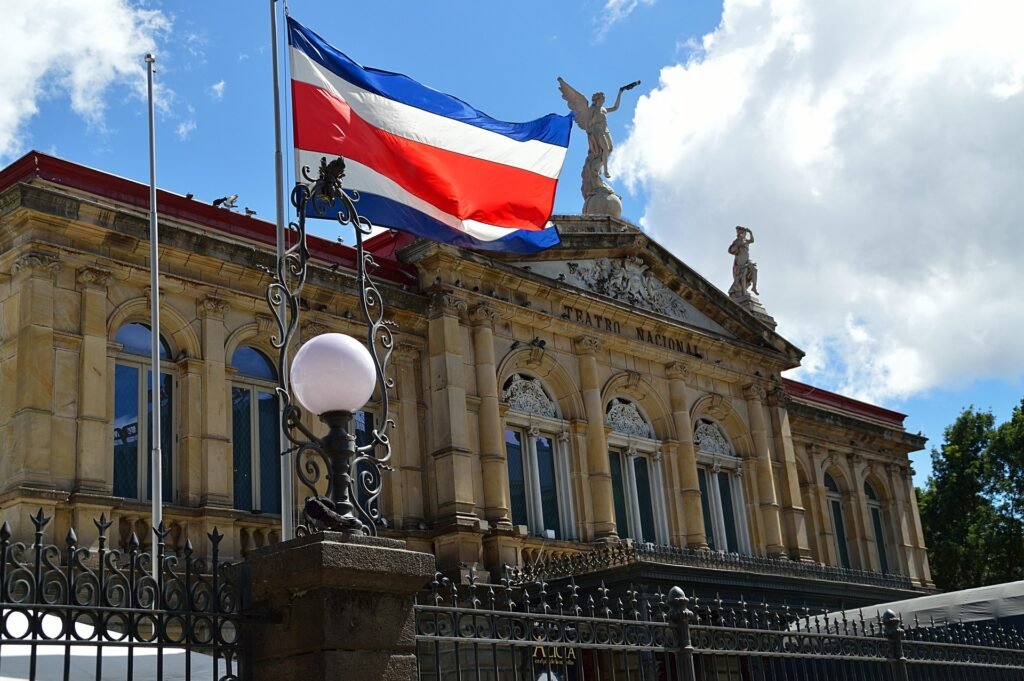
Why Costa Rica Is One of the Best Digital Nomad Destinations in 2026
Costa Rica made BBC’s 2026 “20 Best Places to Travel” list for its biodiversity, conservation efforts, and community-focused tourism. Google trends show a 20%+ jump in digital nomad visa applications year-over-year.
You get:
- Tax-free foreign income under the digital nomad visa.
- World-class nature on your doorstep (volcanoes, beaches, sloths).
- English widely spoken in nomad hubs.
- Easy access from the US/Canada/Europe (direct flights to Liberia or San José).
But success here depends on timing, visa strategy, and budget hacks — exactly what this guide delivers.
Costa Rica Digital Nomad Visa 2026: Requirements, Costs & Benefits
Costa Rica’s Estancia para Trabajadores Remotos (Remote Workers Stay) is one of the most straightforward nomad visas in Latin America.
Key 2026 Requirements:
- Minimum stable monthly income: $3,000 USD (individual) or $4,000 USD (with dependents).
- Proof: Bank statements or accountant letter showing consistent income from outside Costa Rica for the last 12 months.
- Valid passport (6+ months validity).
- Health insurance covering the entire stay with minimum $50,000 USD coverage.
- One-time application fee: $100 USD (paid by bank deposit to Banco de Costa Rica).
Benefits:
- Stay up to 1 year + renewable for another year.
- No tax on foreign-sourced income.
- Open a local bank account.
- Validate your home-country driver’s license.
- Bring dependents (spouse/kids).
Application Process (2026):
- Apply online via Tramite Ya or in-person at DGME offices.
- Pay the $100 fee.
- Submit documents (most can be scanned; some need apostille).
- Attend biometrics if required.
- Approval usually takes 2–4 weeks.
For the full side-by-side comparison of every major digital nomad visa in 2026 (including Spain, Portugal, Mexico, and more), read our Best Digital Nomad Visas 2026 Comparison.


Best Time to Visit Costa Rica as a Digital Nomad
Timing is everything — it affects your mood, productivity, costs, and activities.
Costa Rica has two main seasons: Dry Season (December–April) and Green Season (May–November).
| Month | Pacific Coast | Caribbean Coast | Best For Nomads | Crowds & Prices |
|---|---|---|---|---|
| Dec–Apr | Sunny, 85–90°F | Some rain possible | Beach work + surfing | High |
| May–Jun | Start of green, lush | Best weather | Lower costs + wildlife | Medium |
| Jul–Oct | Rainy afternoons | Peak green season | Budget stays + turtle nesting | Low |
| Nov | Transition | Transition | Shoulder month deals | Medium |
Pro Nomad Tip: Many remote workers choose May–June or September–October — cheaper rents (30–50% lower), fewer tourists, and incredible wildlife (turtle nesting, whale watching). Afternoons may have rain, but mornings are perfect for focused work.
For the complete month-by-month breakdown with wildlife calendars, surf seasons, and budget savings, check our dedicated pillar: Best Time to Visit Costa Rica 2026: Month-by-Month Guide.

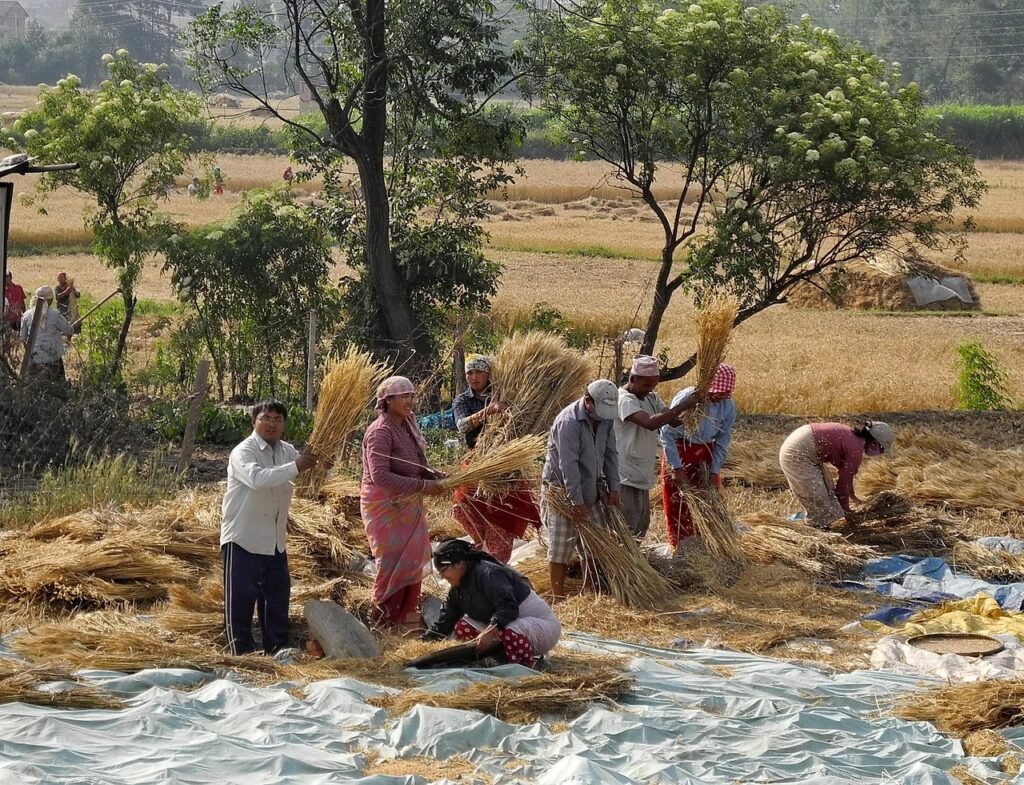
Worldpackers Costa Rica 2026: Save Thousands with Work Exchange
If the $3,000 income threshold feels high or you want to stretch your budget dramatically, Worldpackers is your secret weapon.
In Costa Rica you’ll find 100+ active hosts offering free accommodation + meals in exchange for 20–30 hours/week of help (reception, gardening, animal care, social media, teaching English, etc.).
Popular 2026 Host Types:
- Eco-lodges & permaculture farms (Turrialba, La Fortuna).
- Beach hostels (Puerto Viejo, Tamarindo).
- Wildlife sanctuaries & coral restoration projects.
- Yoga retreats (Nosara area).
Real examples from current listings:
- Off-grid permaculture farm in Turrialba (shared dorm + 3 meals).
- Eco-lodge in La Fortuna (private room option, help with guests & gardens).
- Caribbean conservation project near Limón (snorkeling + turtle work).
Why it works for digital nomads: You work mornings or evenings around your remote job, live for free, and immerse in local culture. Many hosts are flexible once you build trust.
Our full Worldpackers Review 2026 breaks down costs, acceptance tips, vs Workaway, and real scam checks — highly recommended before you apply.

Top 6 Digital Nomad Towns in Costa Rica 2026
- Tamarindo (Guanacaste) – Vibrant surf town, coworking hubs, international crowd.
- Nosara – Wellness-focused, yoga + healthy living, quieter beaches.
- Puerto Viejo (Caribbean) – Bohemian vibe, affordable, strong community feel.
- Santa Teresa / Mal País – Surf, dirt-road charm, creative nomad scene.
- La Fortuna / Arenal – Volcano views, hot springs, great for nature lovers.
- Uvita / Dominical (South Pacific) – Whale watching, national parks, emerging quiet hub.
Realistic Cost of Living for Digital Nomads in Costa Rica 2026
Here’s a transparent monthly breakdown (USD) based on 2026 expat reports:
| Category | Budget (Tight) | Comfortable (Most Nomads) | Luxury |
|---|---|---|---|
| Rent (1-bed furnished) | $400–600 | $800–1,200 | $1,500+ |
| Food (groceries + eating out) | $250–350 | $400–550 | $700+ |
| Utilities + Wi-Fi | $60–90 | $90–120 | $150 |
| Transport | $50–100 | $120–200 | $300 |
| Coworking / Cafés | $0–80 | $100–150 | $200 |
| Health Insurance / Misc | $100–150 | $150–200 | $250 |
| TOTAL (Single) | $860–1,370 | $1,660–2,420 | $3,000+ |
Couple adjustment: Add ~$600–900/month. Beach towns run 20–30% higher than inland.
Money-Saving Hack: First 1–3 months on Worldpackers = almost zero housing/food cost → then upgrade to visa + apartment.

Internet, Coworking & Work Setup in 2026
Fiber optic is now standard in all nomad hubs (50–200 Mbps download). Popular coworking spots:
- Tamarindo Freelancers Hub
- Puerto&Co (Puerto Viejo)
- Nosara Yoga + coworking hybrids
Most Airbnbs and long-term rentals include fast Wi-Fi. Power outages are rare in main towns.


Hybrid Strategy: Worldpackers + Digital Nomad Visa (My Recommended Path)
- Arrive on 90-day tourist visa.
- Do 4–8 weeks Worldpackers (free living + local network).
- Apply for DN visa from inside Costa Rica while already settled.
- Transition to your own apartment with savings from the first months.
This hybrid approach saves $2,000–4,000 in the first quarter and gives you real cultural immersion.


Practical Tips for Digital Nomads in Costa Rica 2026
- Safety: Petty theft is the main issue — use hotel safes, avoid flashing valuables, and don’t leave laptops on beaches. Violent crime against tourists is extremely rare.
- Transport: Public buses are cheap ($1–3). Uber works in San José and major towns (often cheaper than taxis). Rent a scooter ($200–300/month) in beach areas or a 4×4 for rainy season.
- Health: Drink bottled water in remote areas. Get comprehensive insurance.
- Banking: Open a local account once on the visa for easier transfers.

FAQs – Costa Rica Digital Nomads 2026
Q: Can I work for a Costa Rican company on the DN visa? A: No — income must be from outside Costa Rica.
Q: Is Costa Rica safe for solo female nomads? A: Yes, especially in the main hubs. Use common sense at night.
Q: How reliable is the internet really? A: Excellent in Tamarindo, Nosara, Puerto Viejo, and La Fortuna. Spotty only in very remote areas.
Q: Do I need a car? A: Not in walkable towns like Tamarindo or Puerto Viejo, but helpful for exploring.
Q: What’s the best month for turtle nesting? A: July–October on the Pacific coast (see our full Best Time guide for details).

Ready to make Costa Rica your 2026 base?
Start with our three resources:
- Worldpackers Review 2026 – Your step-by-step work-exchange bible.
- Best Digital Nomad Visas 2026 Comparison – See exactly where Costa Rica ranks.
- Best Time to Visit Costa Rica 2026 – Never choose the wrong month again.
Drop your questions in the comments or reach out on Instagram. Pura Vida!
About the Author Sujan Pariyar is a seasoned travel writer, digital nomad, and content creator based in Kathmandu, Nepal. With years of hands-on experience exploring budget travel, work exchange platforms like Worldpackers, and digital nomad visas across Asia and beyond, he combines real-world insights with practical advice for aspiring nomads and long-term travelers.
Sujan also writes on business, marketing, and entrepreneurship, helping readers build location-independent lifestyles. His work draws from personal journeys, volunteering initiatives, and in-depth research into 2026 travel trends.


Sujan Pariyar is a Senior Editor at Silicon Valley Times. He has extensive experience in business, technology, and entrepreneurship journalism, with previous contributions to HuffPost, Thrive Global, Matador Network, and other international publications.
Sujan specializes in interviewing industry leaders and creating insightful, well-researched content that helps entrepreneurs and business professionals navigate innovation, growth, and strategic challenges. His writing focuses on delivering clear, substantive perspectives that inform and support decision-making in today’s dynamic business environment.