


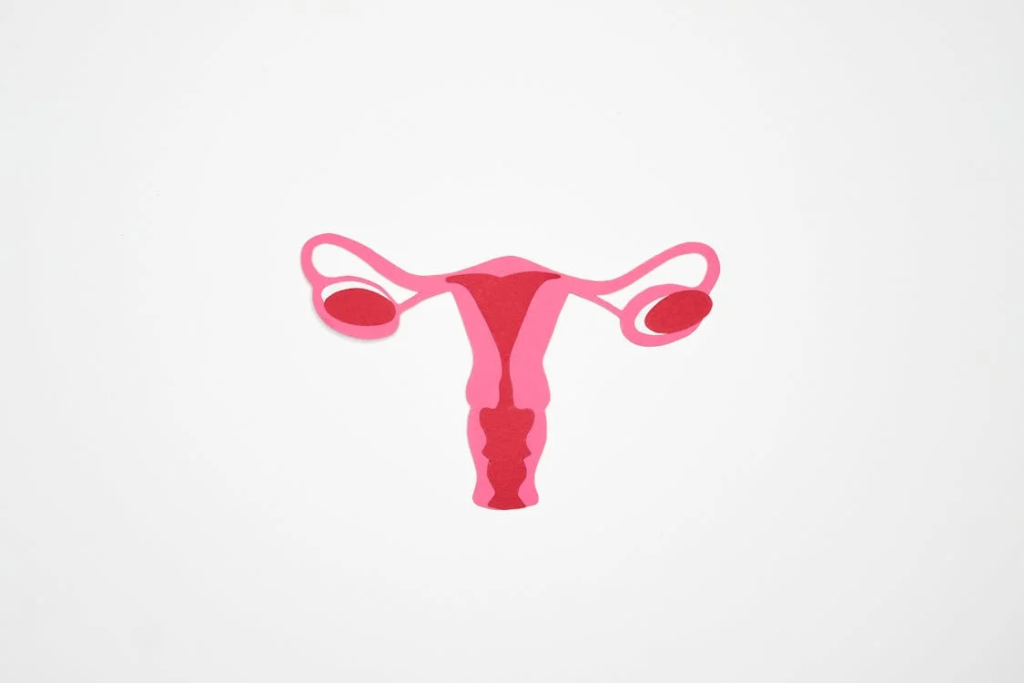
Uterine health shifts as hormones, life stages, and daily habits interact. Small choices in sleep, diet, and stress control can compound across years and change how symptoms feel and evolve.
Tracking patterns early helps. When people record cycles, pain, and bleeding over months, they can spot trends and act before issues become disruptive.
Hormonal Milieu And Menstrual Patterns
Estrogen and progesterone levels rise and fall in multi-year arcs, and these arcs shape fibroid growth, bleeding, and cramps. Puberty, pregnancy, postpartum, perimenopause, and menopause each bring different profiles that change how the uterus behaves. Thyroid shifts, insulin resistance, and body fat percentage can tilt this balance and influence symptoms.
Cycle regularity matters. Heavy or prolonged bleeding across multiple cycles can lead to iron loss and fatigue that echoes long after a period ends. Pain that ramps up or new clots should prompt evaluation, since early assessment often means simpler care options.
Hormones are affected by sleep, stress, and nutrition. Poor sleep can raise inflammatory signals and blunt pain tolerance. High stress can tighten pelvic floor muscles and change pain perception. Balanced meals with enough protein and iron support energy while the body repairs tissue.
Care Choices And Surgical History
Past procedures shape tomorrow’s options. Scar placement, uterine shape changes, and prior anesthesia reactions can guide which treatments fit best next time.
Recovery quality matters, since gradual return to activity protects pelvic support and lowers the chance of new strain. Some people consider fibroid removal treatment when symptoms affect work, intimacy, or daily comfort, and this choice can influence future fertility plans and delivery approaches. In the long term, thoughtful planning around timing, the number of lesions treated, and follow-up imaging helps preserve uterine function.
A clear postoperative plan helps outcomes hold. Pain control that avoids constipation, early walking, and pelvic floor-friendly movement keeps healing on track. Regular check-ins let a team spot recurrence signs early.
Fibroid Burden, Symptoms, And Imaging Clues
The number, size, and position of fibroids matter more than any single measurement. Submucosal lesions may drive bleeding, while intramural or subserosal types can push on the bladder or bowel. The pattern of symptoms often reflects location rather than size alone.
Choosing the right first test saves time. A primary care review in 2024 highlighted transvaginal ultrasound as the preferred initial tool to assess fibroids and map them for management, and noted that only 30 to 40% of people with fibroids have symptoms at all. That mix of precise imaging and symptom awareness helps avoid overtreatment while keeping watch for change.
Follow-up intervals depend on growth and goals. If bleeding and pain are stable, periodic imaging every 6 to 12 months may be enough. Faster growth, anemia, or pressure symptoms call for a tighter schedule.
Medication And Long-Range Management Paths
Medication choices often set the tone for years. Hormonal options may lighten bleeding and shrink lesions modestly, and nonhormonal agents can steady day-to-day comfort. The right mix usually reflects age, fertility goals, and tolerance for side effects.
A national women’s health brief in 2024 emphasized that removing the uterus is the only definitive cure for fibroids, while many people do well with symptom control using medicines and minimally invasive procedures. That perspective helps balance short-term relief with long-term trade-offs and personal values.
Monitoring labs supports safety. Iron studies help track recovery from heavy periods. Blood pressure, lipids, and glucose trends add context for medication risk, especially when therapy spans years.
Fertility Plans, Pregnancy, And Future Goals
Long-term uterine health is tied to family planning. If pregnancy is a goal, discussions about timing, preconception labs, and the safest sequence of treatments can prevent detours later. When pregnancy is not a goal, symptom-first strategies may allow simpler care.
A brief fertility plan can clarify choices. People aiming for pregnancy in 1 to 2 years might favor treatments that preserve the endometrium and limit cavity distortion. Those who are undecided can choose reversible options while they explore.
Simple habits:
- Keep a symptom diary with cycle dates, flow, cramps, and meds used.
- Build an iron-smart meal pattern with leafy greens, beans, and vitamin C pairings.
- Protect the pelvic floor with posture breaks, gentle core work, and regular walks.
Screening, Follow-Up, And Shared Decision-Making
Consistent follow-up keeps the focus on function, not just anatomy. Tracking energy, sleep, mood, and intimacy alongside bleeding and pain gives a fuller picture of progress. When goals are clear, visits become faster and more productive.
A major clinical center has noted that myomectomy tends to have a low complication rate, while still carrying surgical risks that should be weighed carefully. Knowing those risks ahead of time helps people choose settings, teams, and timelines that fit their lives.
Care improves when communication is steady. Bring questions in writing, and ask for plain-language summaries of imaging and pathology. That record becomes a roadmap for smarter, calmer decisions.


Uterine health is not a single moment. It is a series of choices guided by symptoms, goals, and the body’s steady signals.
With a clear plan, small steps deliver lasting comfort. Stay curious about patterns, speak up early, and keep options open as life changes.


We create powerful, insightful content that fuels the minds of entrepreneurs and business owners, inspiring them to innovate, grow, and succeed.