


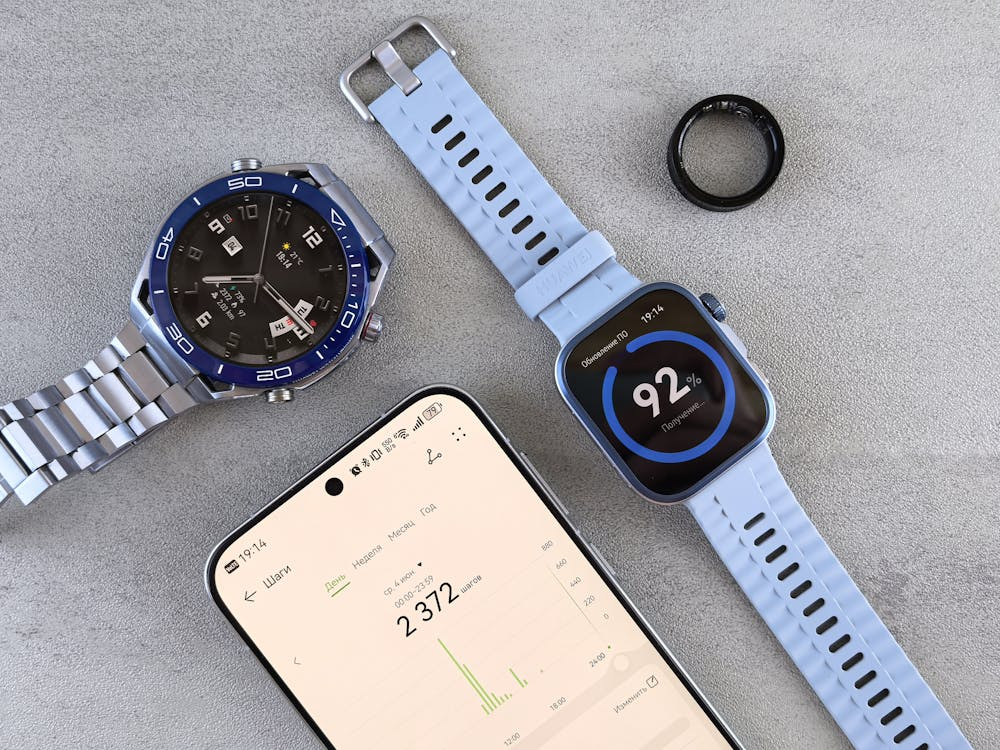
Modern health tools can make it simpler to manage stress, improve sleep, and stay consistent with nutrition without turning your day into a project. When the right support is in place, small choices become easier to repeat, and that is where real progress tends to come from.
The goal is not perfection. It is a steady system that helps you notice what affects your mood, energy, and appetite, then nudges you toward habits that match your life.
Stress Gets Easier When You Can See Patterns
Stress often shows up as poor sleep, low patience, trouble focusing, or changes in appetite. Tracking a few simple signals can help you spot what is setting you off before you hit a wall.
A basic daily check-in works well: rate stress from 1 to 10, write one trigger, and note one helpful action you took. Many people find that journaling, short breathing breaks, and limiting constant news or social scrolling can reduce mental load.
When patterns become clear, you can adjust one thing at a time. That might mean a short walk after work, a scheduled meal break, or a reminder to step away from screens and reset.
Tools That Turn Relaxation Into A Routine
Relaxation is easier when it is planned, not reserved for the moment you feel overwhelmed. Apps and wearables can prompt short pauses during the day so you do not wait until stress has piled up.
Many people do best with quick options: guided breathing, five minutes, or a short meditation. These practices are simple, repeatable, and do not require special equipment.
Connection matters, too. A weekly call with a friend, a community group, or a trusted person you can talk with can support emotional balance when life feels heavy.
Building A Sleep Setup That Supports Real Rest
Sleep improves when the basics are steady. Going to bed and waking up at consistent times helps your body settle into a rhythm, even on weekends.
Your environment matters more than most people think. A quiet, relaxing, cool bedroom, with devices turned off ahead of bedtime, makes it easier to fall asleep and stay asleep.
If sleep problems keep showing up, treat that as useful data, not a failure. A simple sleep diary or a conversation with a healthcare professional can help you identify what is getting in the way.
Nutrition Tracking Without Diet Culture
Nutrition gets simpler when you focus on steady meals, not strict rules. Many people feel better with a predictable pattern that includes fruits and vegetables, whole grains, lean protein, and lower-fat dairy or similar alternatives.
Food logging does not need to be intense. Some people track meals with quick photos, a short note, or a basic macro-free log that highlights timing, hydration, and how they felt afterward.
A helpful approach is to plan for common friction points: rushed mornings, afternoon cravings, or late dinners. A short list of easy meals and snacks can reduce decision fatigue and support more consistent choices.
When Gummies And Supplements Fit The Plan
Some people use supplements as a convenience tool, especially when routines are busy. Gummies are popular because they are simple to take and easy to keep consistent, yet they should still be chosen carefully.
A simple comparison checklist can keep your choice practical and safe. If you are exploring options, use https://chronicguru.com/gummies/ as a starting point for browsing formats and ingredients, then match any product to your needs and risk factors. Check the Supplement Facts panel, follow the serving size, and avoid stacking multiple products with overlapping ingredients.
Supplements are not reviewed the same way medicines are before they are sold, and companies are responsible for product safety and truthful labeling. If you are pregnant, managing a condition, or taking prescriptions, it is smart to talk with a clinician or pharmacist about ingredient interactions.
Making It Sustainable With Small Weekly Resets
The most effective systems are the ones you will keep using. A weekly reset can be as small as setting two meal defaults, choosing a bedtime window, and picking one daily stress tool.
Keep your plan flexible. If you miss a workout, sleep badly, or eat off-plan, treat it as information and return to your baseline at the next meal or bedtime.
If stress feels constant or unmanageable, extra support can make a real difference. Reaching out for professional help or crisis support when needed is part of taking care of your health, not a last resort.


Modern health solutions work best when they reduce effort, not when they add pressure. A few smart tools can help you notice patterns, build calmer routines, protect sleep, and simplify nutrition choices.
Start small, stay consistent, and choose options that fit your real schedule. With the right mix of habits and support, stress, sleep, and nutrition can feel more manageable day to day.
Sources: Centers for Disease Control and Prevention; National Institutes of Health Office of Dietary Supplements; U.S. Food and Drug Administration.


We create powerful, insightful content that fuels the minds of entrepreneurs and business owners, inspiring them to innovate, grow, and succeed.