


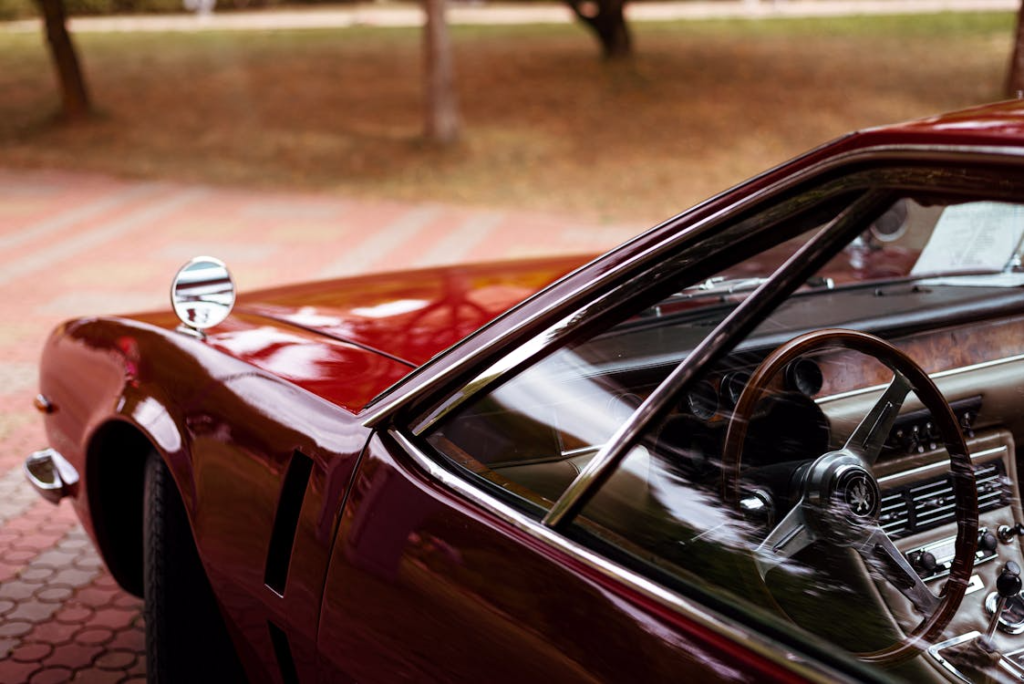
Classic cars blend passion with practicality, turning metal and memories into a portfolio piece. For buyers who love driving and collecting, the right vehicle can hold value while delivering a kind of joy most assets never will. The key is understanding the money side of nostalgia so your heart and your spreadsheet both feel good.
This guide breaks down the financial levers that matter when you shop, store, insure, and ultimately sell a classic. We will keep the math simple and the advice clear, so you can judge whether a car belongs in your garage, your balance sheet, or both.
Potential Appreciation
Long-term demand and limited supply can create a healthy upside if you buy well. Choose models with enduring appeal, strong clubs, and parts support, then prioritize condition and originality.
Liquidity follows desirability, which is why certain nameplates tend to recover faster after softer market cycles. Shopping smart is more than chasing the hottest chart, and it means learning typical option sets, correct colors, and period documentation according to beverlyhillscarclub.com or similar platforms, because these details help a car stand out when you eventually sell. Focus on honest cars with verifiable histories rather than bargain projects that hide expensive problems.
Market direction still matters, so watch credible indices and auction results to avoid overpaying in frothy moments.
Cost Of Ownership
Every classic needs a budget for maintenance, wear items, and age-related fixes. Build a first-year fund for fluids, hoses, belts, tires, and a professional inspection, then plan an annual reserve for the unknowns that come with vintage machinery. Preventive work protects both drivability and resale.
A fleet services outlook projected that maintenance and repair specific costs would outpace general inflation in 2024, reinforcing the case for realistic running budgets and a careful pre-purchase exam. That perspective helps you price a car on today’s value and on expected upkeep over the next few years.
Use a simple cost map to stay disciplined:
- Annual service and safety items
- Tires, battery, and fluids on a schedule
- Interior and weatherstrip preservation
- Unexpected repairs and specialist labor
- Registration, inspections, and small compliance items
Insurance And Risk
Classic car insurance is typically based on agreed value, which locks in payout terms that reflect the car’s market rather than standard book values. This can be cost-effective compared with daily driver policies because mileage is limited and usage is lower risk. Confirm whether parts and labor rates for vintage specialists are covered.
Set a valuation that matches recent comps and keep documentation for upgrades or professional restorations. Update the figure after major work, since underinsurance can erase years of careful spending.
Photographs, appraisals, and service records all help an insurer validate your number quickly. Consider add-ons that reduce loss probability, such as roadside assistance tailored to classics and spare parts coverage.
Storage And Preservation
Where the car lives is as important as what you paid. A dry, temperature-stable environment extends paint, chrome, rubber, and upholstery life, while a battery maintainer and fuel stabilizer keep the car road-ready. Good storage is not a luxury for classics – it is preservation.
If you rent space, factor the monthly cost into your total return math. Climate control, power access, and security may justify a higher fee if they slow depreciation on finishes and interiors. Document storage conditions with photos and logs to reassure future buyers that the car has been cared for.
Routine exercise protects seals and keeps systems healthy, so plan short drives rather than long hibernation.
Liquidity And Market Access
Ease of selling affects real returns because time and fees eat into profits. National auction houses, reputable dealers, and online platforms all create different paths to buyers and different cost structures. Compare seller’s fees, transport, and marketing support before you choose your exit.
Regional auction reports have shown healthy buyer activity in recent events, with one sale posting a 70 percent sell-through rate and more than $8 million in total transactions. That kind of momentum signals that well-presented cars still find new homes, especially when the condition and documentation are strong.
For private sales, widen your reach with high-quality photos, cold start videos, and service summaries.
Documentation And Provenance
Paperwork is a value multiplier. Look for original manuals, window stickers, build sheets, and service records that confirm mileage and maintenance. A thick binder reassures buyers that the car was loved, not simply stored.
Authenticity checks protect your wallet. Verify VIN, engine, and gearbox stampings where applicable, and confirm that the title matches the car as presented.
Period-correct parts and finishes may not be cheap, but they support both pride of ownership and higher offers later.

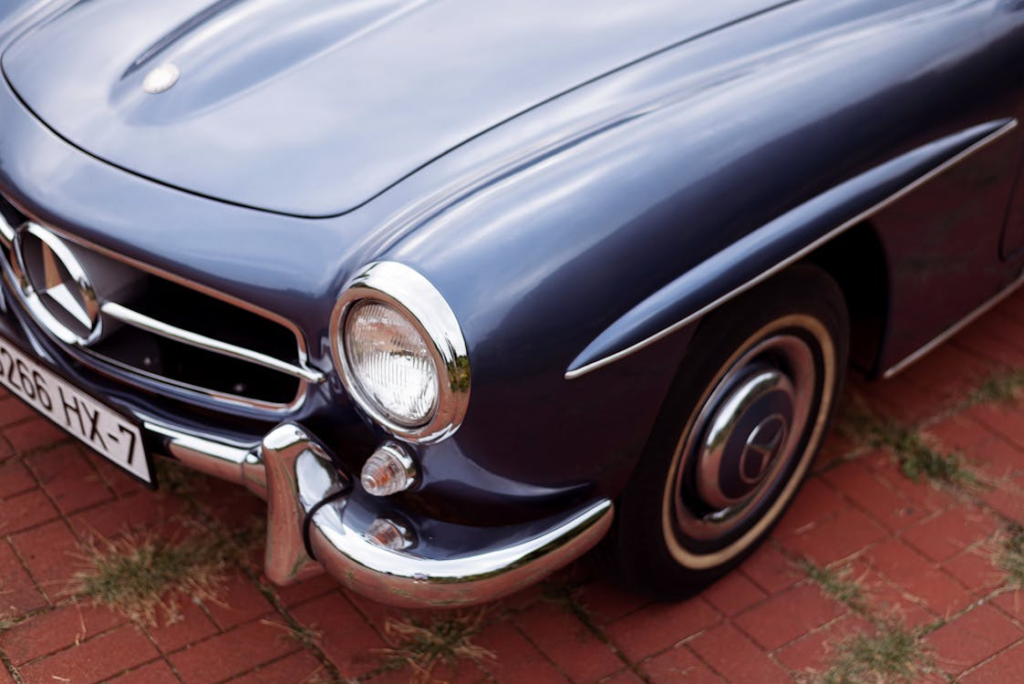
Well-chosen classics can reward both the enthusiast and the investor. If you respect the costs, manage risk, and buy the car for the right reasons, you will enjoy miles of smiles while protecting your capital. The best purchases balance romance with reason.
Your final decision should rest on three questions: do you love it, can you maintain it, and will the market still want it in a few years? Answer yes to all three, and you will likely find that this is one asset that pays you back in memories as well as money.


We create powerful, insightful content that fuels the minds of entrepreneurs and business owners, inspiring them to innovate, grow, and succeed.