



Field teams juggle time, tools, traffic, and tasks. When information sits in silos, plans slip and customers wait. Connected systems pull data into one place so people can act fast, stay safe, and finish right the first time.
It is about how schedules, job details, parts, and invoices talk to each other. With the right flow, leaders see what is happening now, not yesterday. Techs get context before they arrive, and support gets fewer status calls.
What Connected Systems Mean In The Field
Connected systems link planning, dispatch, field data, and finance. Each job carries its own thread across tools. That thread updates as notes, photos, and tests get added on site. Everyone follows the same story.
The big win is fewer handoffs. If the schedule changes, the mobile app updates the route, and the warehouse can prep parts. If a site risk changes, safety notes appear for the next visit. Tools work as one system even if they are separate apps.
This reduces blind spots. Teams can see who is on the way, what they carry, and what was done last time. That view turns guesswork into planning. It helps teams move from reactive to proactive work.
Connected systems make work measurable. Leaders can see cycle times, repeat visits, and common delays. Data tells where to coach, where to add stock, and where to simplify steps.
Why Visibility Beats Guesswork
A plan made at 7 a.m. can be wrong by 9 a.m. Traffic builds, access codes change, and parts go missing. Visibility lets teams adjust in minutes, not at the end of the day.
Paper job sheets slow everything down. Teams do better when job details flow from the field to the back office, which is where options like a UK job sheet app for field service teams fit into the picture, linking tasks, notes, and photos to the schedule. That shared view keeps work moving.
Clear status cuts noise. When dispatch can see arrival and completion times, they do not need to call for updates. Customers trust the timeline they see, and techs get fewer interruptions.
Better visibility protects margins. You can spot jobs at risk, reassign before delays stack up, and confirm parts before a truck rolls. Less idle time means more completed work per day.
From Jobs To Journeys
Coordinating field work is about journeys between them. Route plans that consider traffic and service windows save hours across a fleet. Small changes in sequence can add one more job per tech.
- Good orchestration starts with accurate time estimates.
- Historic data gives realistic durations.
- Teams then add buffers for site access and safety checks.
- The result is a plan that people can actually meet.
When something slips, the system suggests the next best option. It might swap two jobs, reassign a specialist, or pull a nearby tech for a quick fix. The plan updates everywhere at once.
This orchestration only works if data flows both ways. Field notes and photos confirm what was done. The next team sees the latest state. Customers see progress without needing to ask.
Data Flow That Eliminates Double Entry
Double-entry wastes time and creates errors. Connected systems remove duplicate typing by passing data through the pipeline. What a tech records once should populate job history, billing, and reports.
Mobile capture is the key. Clear forms guide techs to record parts used, labor, readings, and sign-offs. The moment they submit, the office sees it and can move to the next step. No waiting for end-of-day uploads.
Industry benchmarks back this shift. An IQPC field service report from 2024 noted the wide use of mobile tools, with service apps leading adoption and strong uptake for inventory access, payments, and GPS. That mix supports fast capture and accurate follow-through.
With cleaner data, analytics improve. Teams can compare planned vs. actual time, track first-visit fix rates, and see which assets fail most. Leaders then target training and stocking where it matters.

Safer, Faster Decisions On Site
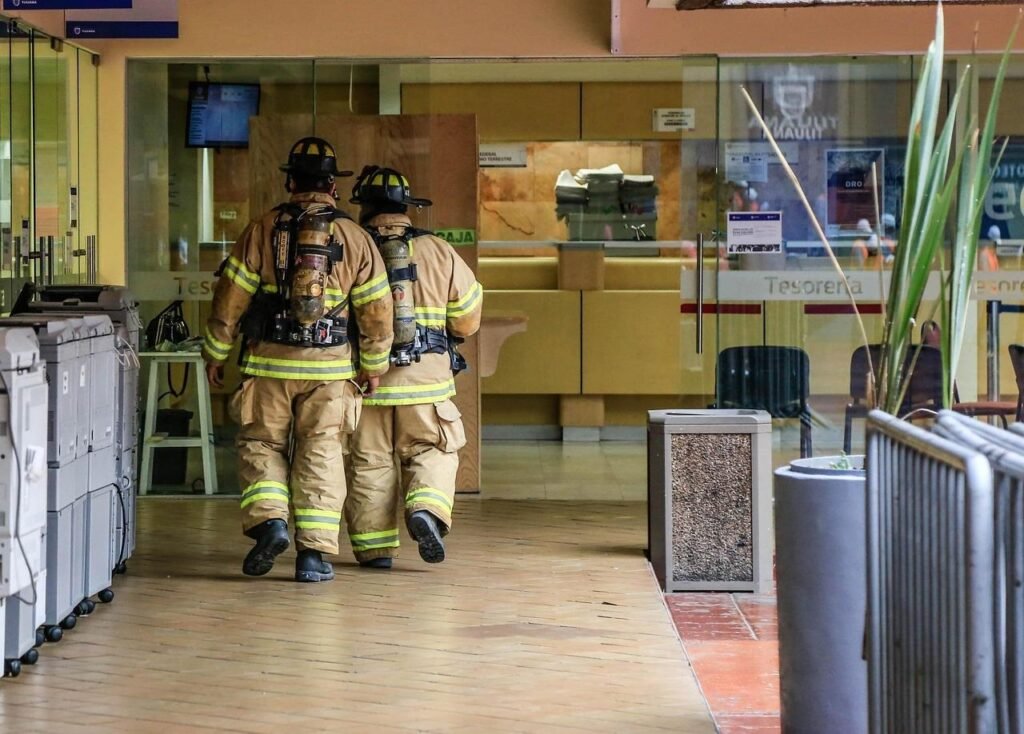
Safety relies on timely information. Connected systems put risk notes, lockout steps, and site contacts in one place on the device. Techs can verify hazards before they start and add new warnings for the next visit.
Faster decisions come from history. Seeing the last three faults and readings can point to the likely cause. Knowing which part fixed it last time avoids trial and error. Context saves minutes that add up across a day.
When issues exceed the scope, escalation is smooth. Photos and readings sync to a shared channel where experts can advise in real time. The tech keeps working while the office lines up parts or approvals.
After the job, the record is complete. Photos, signatures, and test results are stored with the asset. The next person does not start from zero. That continuity builds quality.
Turning Alerts Into Action
Modern assets can raise alerts before they fail. Connected field service ties those alerts to work orders so teams act before customers notice. The result is fewer emergencies and more planned visits.
Microsoft’s guidance on connected field service highlights how IoT signals can create cases, route them to the right team, and show status in dashboards. This closes the loop from sensor to schedule to resolution without manual steps.
When alerts are reliable, stocking gets smarter. Teams bring the right parts the first time because the likely fault is known. That reduces repeat visits and long return trips for parts.
Even without sensors on every asset, rules can trigger checks. Repeated overheat readings in a week can prompt an inspection. Simple logic reduces risk with little setup.
Bringing systems together is about people, not just platforms. When information moves without friction, teams deliver smoother days and fewer surprises. Customers feel the difference in response, clarity, and quality.
Start with one or two high-impact connections and let results fund the next step. The network you build will do the heavy lifting. Your field crews will spend less time chasing details and more time solving real problems.


We create powerful, insightful content that fuels the minds of entrepreneurs and business owners, inspiring them to innovate, grow, and succeed.