Optimizing Your Office Setup for Employee Happiness and Productivity
Optimizing Your Office Setup for Employee Happiness and Productivity
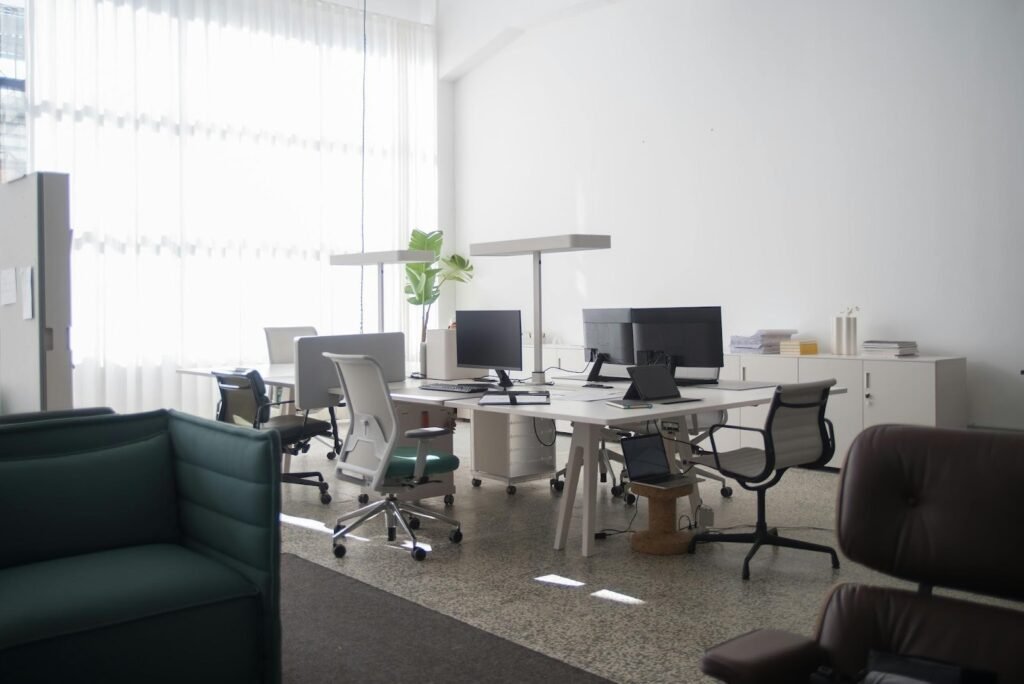
Creating a workspace that fosters employee happiness and productivity is no longer a luxury but a necessity. A thoughtfully designed office can influence everything from morale to efficiency, shaping how employees feel about their work and the company they represent. By prioritizing comfort, functionality, and adaptability, businesses can unlock new levels of engagement and performance.
Understanding the needs and habits of your team is the first step in optimizing an office environment. Employees who feel their workspace supports them are more likely to be focused, motivated, and satisfied. From ergonomic furniture to flexible layouts, even small adjustments can lead to measurable improvements in productivity.
Designing Ergonomic Workstations
Ergonomic workstations reduce physical strain and prevent common issues like back pain or repetitive stress injuries. Adjustable chairs, desks, and monitor stands allow employees to customize their setup according to their comfort, encouraging healthier posture and reducing fatigue.
Proper lighting is another crucial aspect of ergonomics. Natural light enhances mood and alertness, while adjustable artificial lighting ensures employees can work comfortably during darker hours. Small touches, such as anti-glare screens, can make a significant difference.
Including accessories like footrests or keyboard trays allows further personalization. When employees can tailor their workspace to their needs, they are less likely to experience discomfort and more likely to remain productive throughout the day.
Streamlining Storage and Organization
Cluttered workspaces can increase stress and hinder efficiency. Adequate storage solutions, such as shelving units, filing cabinets, and smart lockers, help maintain order and keep important items accessible.
Integrating technology-driven storage options can further streamline operations. For example, the Yellowbox powerful smart locker solutions provide secure, easy-to-use systems that reduce the time employees spend searching for tools, documents, or personal items.
Encouraging employees to maintain organized desks promotes a sense of ownership and pride in their workspace. An orderly environment supports focus, minimizes distractions, and enhances workflow.
Encouraging Collaborative Spaces
Collaboration is key to innovation and problem-solving. Designing areas where teams can brainstorm, hold meetings, or work on projects together fosters creativity and strengthens relationships.
Flexible furniture, whiteboards, and writable walls encourage spontaneous discussions and allow ideas to flow freely. Comfortable seating arrangements ensure that team members can interact without physical strain.
Balancing collaborative zones with quiet spaces is crucial. Providing options for focused work alongside group areas ensures employees can choose the environment that suits the task at hand.
Promoting Well-Being Through Amenities
Workplace amenities have a direct impact on employee happiness and satisfaction. Providing designated areas for relaxation, such as comfortable lounges, break rooms, or wellness zones, allows staff to step away from their desks, recharge, and return to tasks with renewed energy. These spaces encourage informal interactions, fostering stronger workplace relationships and collaboration.
Integrating health-focused features supports physical and mental well-being. Standing desks, hydration stations, and on-site fitness corners promote movement throughout the day and help employees establish healthier routines. Even small additions, like ergonomic chairs or anti-fatigue mats, can significantly reduce strain and fatigue.
Creating a positive environment goes beyond functionality. Incorporating indoor plants, inspiring artwork, natural lighting, and calming colors helps reduce stress and elevate mood.
Implementing Flexible Work Options
Flexibility in work arrangements has become increasingly important. Offering options for hybrid schedules, remote work, or adjustable hours empowers employees to balance professional and personal responsibilities.
Flexible setups may include movable desks, hot-desking arrangements, or shared office spaces that accommodate varying workstyles. Adaptability ensures that the office can serve different needs on different days.
Supporting flexibility demonstrates trust and respect for employees’ time, boosting engagement and loyalty. When workers feel empowered to manage their environment, they are more motivated to deliver quality results.
Leveraging Technology for Productivity
Modern offices gain significant advantages by integrating technology to streamline tasks, improve communication, and enhance efficiency. Different tools help organize workflows, track progress, and reduce the likelihood of miscommunication, allowing teams to focus on meaningful work rather than administrative tasks.
Smart devices, automated systems, and secure storage solutions reduce repetitive or time-consuming processes. By freeing employees from routine tasks, these technologies allow them to concentrate on high-priority projects and problem-solving.
Remaining up-to-date with emerging technologies ensures the office stays adaptive, secure, and aligned with changing employee needs. A tech-forward approach improves workflow and boosts employee satisfaction, as staff feel supported by tools that simplify their daily tasks and enhance productivity.
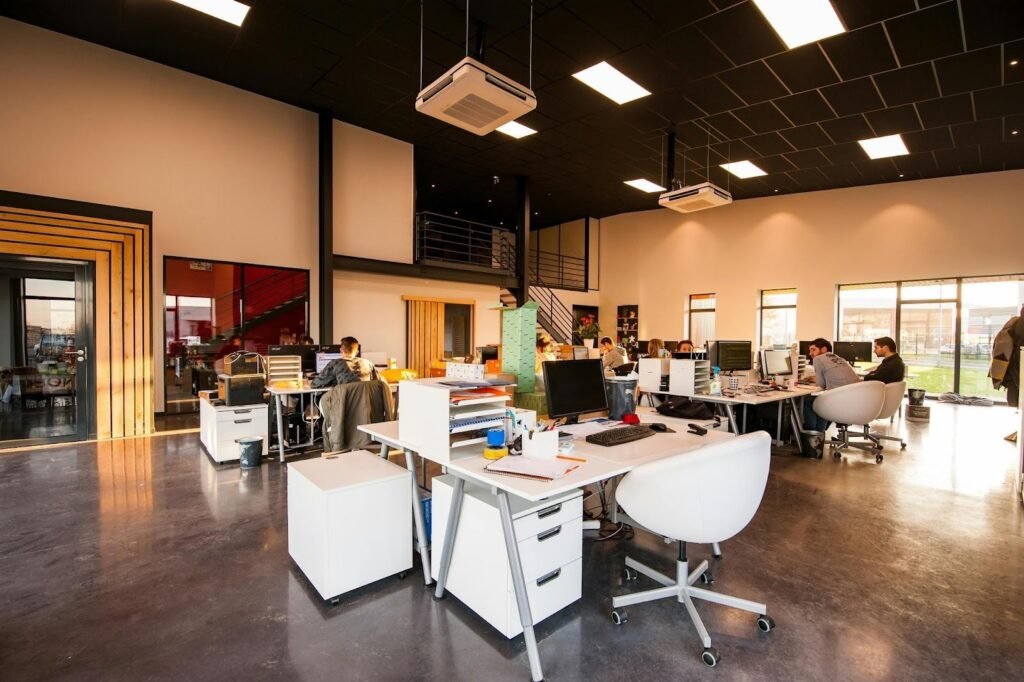
Optimizing an office setup requires attention to ergonomics, organization, collaboration, well-being, flexibility, and technology. By considering these elements, businesses can create an environment that supports employee happiness while driving performance.
Investing in thoughtful office design is an investment in your team’s productivity and satisfaction. A workspace that meets functional and emotional needs helps employees thrive, encouraging engagement, loyalty, and a stronger organizational culture.

We create powerful, insightful content that fuels the minds of entrepreneurs and business owners, inspiring them to innovate, grow, and succeed.

