


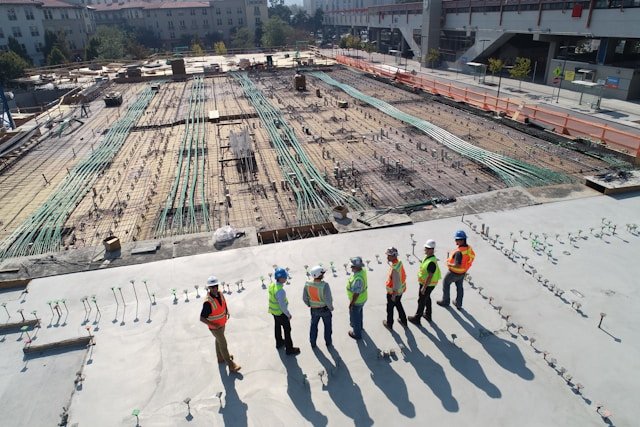
Construction budgets across North America are straining under pressure from an unexpected direction: cement tariffs. These trade measures have sent ripple effects through the entire industry, reaching well past traditional concrete applications. Soil stabilization, the critical process of preparing land before building can begin, relies heavily on cement-based products. With import costs climbing steadily, project managers and contractors find themselves reconsidering their stabilization approaches. The consequences touch highway expansion, commercial development timelines, and final project budgets alike.
The Link Between Cement Prices and Ground Treatment
Cement functions as the primary binding agent in many soil stabilization techniques. When mixed with unstable or weak soils, it creates a solid, load-bearing surface suitable for construction. This application alone consumes millions of tons of cement annually across infrastructure and private development work.
Recent trade policies have pushed costs higher on imported cement from multiple countries. These measures, intended to shield domestic producers, have driven material prices upward across the board. Project planners following these developments can review detailed analysis of U.S. cement tariffs and their downstream effects on stabilization budgets. Contractors who rely on imported materials may see costs climb by thousands of dollars on a single project.
How Tariffs Translate to Higher Project Expenses
Direct Material Cost Increases
The most obvious effect appears in raw material pricing. Cement from affected regions now carries duties ranging anywhere from 10% to over 50%, depending on country of origin. Distributors pass these charges to buyers, who then factor them into every bid and contract.
Supply Chain Adjustments
Higher prices represent just one piece of the puzzle. Tariffs have also thrown established supply chains into disarray. Some contractors report extended lead times as they pivot to domestic suppliers or seek out unaffected source countries. These delays can set project schedules back by weeks.
Bid Volatility
Estimators face real difficulty locking in prices for upcoming work. Cement costs that fluctuate month to month make fixed-price contracts considerably riskier. Many firms now include escalation clauses or shorten their quote validity periods to protect margins.
Regional Variations in Impact
The pressure varies significantly by location. Coastal regions that historically depended on imports experience the sharpest price increases. Interior states with ready access to domestic cement plants notice smaller shifts in their material costs.
Border regions present distinct challenges. Projects near international boundaries often counted on imported cement for both convenience and savings. Under current trade conditions, those advantages have largely disappeared.
Alternative Stabilization Methods Gaining Attention
Lime-Based Treatments
Lime stabilization provides a partial substitute for cement in certain soil types. It works especially well with clay-heavy ground, reducing plasticity and boosting strength. Still, lime cannot serve as a universal replacement for cement across all applications.
Fly Ash and Pozzolanic Materials
Industrial byproducts such as fly ash can supplement or partially replace cement in stabilization mixes. These materials typically cost less and offer environmental benefits through waste reduction.
Mechanical Stabilization
Some projects have turned toward purely mechanical approaches. Compaction, soil blending, and geotextile reinforcement sidestep cementitious materials entirely. These methods suit particular conditions but cannot solve every stabilization challenge.
Planning Strategies for Current Market Conditions
Early Material Procurement
Securing cement prices before project start dates helps keep costs predictable. Some contractors now purchase materials months ahead, storing them on-site or at bonded facilities until needed.
Value Engineering Reviews
Taking a fresh look at stabilization specifications can uncover savings. Projects originally designed with conservative cement ratios may allow reductions without compromising structural performance.
Domestic Supplier Relationships
Cultivating stronger ties with American cement producers offers protection from tariff fluctuations. These partnerships may also provide priority access when supply runs tight.
Contract Language Updates
Revising standard agreements to account for material cost swings protects both contractors and clients. Clear escalation provisions prevent disputes when prices shift without warning.
What Industry Watchers Expect Next
Trade policy remains notoriously hard to forecast. Some analysts believe adjustments or exemptions for construction materials will emerge as infrastructure spending accelerates. Others expect current measures to hold firm for years.
Domestic cement production capacity could expand to match growing demand, which might ease prices over time. New plants require years to complete, however, so meaningful relief through added supply remains a distant possibility.
Conclusion
Cement tariffs have added a new variable to every soil stabilization cost estimate. Contractors and project owners need to rethink procurement strategies, weigh alternative materials, and revise contract terms accordingly. Those who adapt quickly will hold onto competitive positioning even as market conditions stay unpredictable. Keeping close watch on trade policy shifts and building flexible supply chains provides the strongest defense against rising costs in ground stabilization work.


We create powerful, insightful content that fuels the minds of entrepreneurs and business owners, inspiring them to innovate, grow, and succeed.