


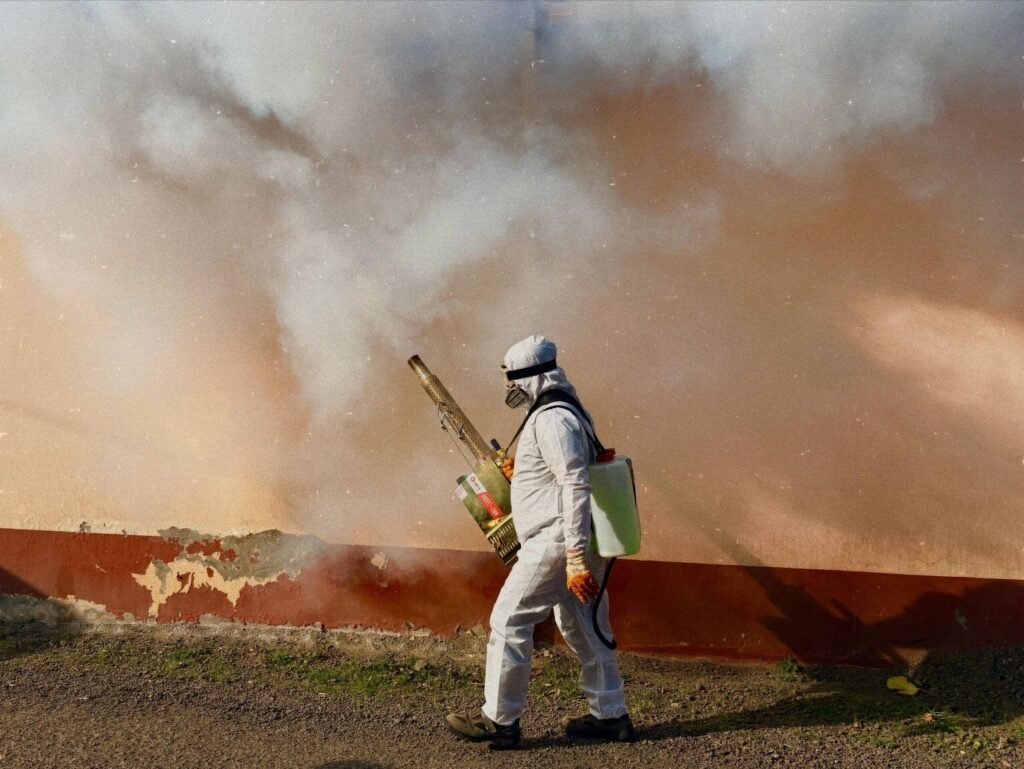
Early detection is the quiet hero of successful pest management. When you spot a problem sooner, you contain it faster, spend less, and avoid health or property risks that build over time.
Think of it like smoke before fire. Catching the first signs of activity gives you choices and control, instead of reacting under pressure after an infestation spreads.
What Early Detection Really Means
Early detection is more than seeing a bug on the counter. It means recognizing patterns and small clues that signal a population starting to build.
You’re looking for light but consistent activity. A few droppings, a pinhead hole in a food bag, or soft sounds in a wall can all mean a colony is nearby.
It also means confirming the species. Correct identification guides treatment options, safety steps, and follow-up timelines.
Finally, early detection builds a record. Notes and photos help you measure progress and decide whether to escalate.
How Pests Multiply And Why Time Matters
Most pests reproduce quickly, so a small pocket can become a large problem in weeks. What looks minor today may be the second or third generation in motion.
Populations often grow faster than budgets, which is why timely Pest Control can actually cost less. Early action reduces labor, product use, and the need for disruptive repairs.
Smaller populations are also easier to reach. You can target nests and pathways before pests spread across floors, attics, and crawl spaces.
Acting early protects sensitive spaces. Kitchens, bedrooms, and play areas stay safer when you shut down activity at the edges.
Signs To Watch For In Homes And Yards
Start in kitchens and bathrooms. Look for tiny droppings, gnaw marks, grease tracks along baseboards, or a faint earthy odor under sinks.
Check attics and basements for frass, discarded wings, or mud-like smears. A single window ledge sprinkled with wings after rain deserves attention.
Outdoors, walk the foundation. Look for soil tubes, wood that sounds hollow when tapped, and ant trails that vanish into cracks.
Listen at night. Light rustling in walls or ceilings can be the first clear sign that a nest has settled in.
Smarter Monitoring With IPM Principles
Early detection works best when it follows a structured plan. Integrated Pest Management uses monitoring, thresholds, and species ID to guide control steps.
One federal guidance document explains that IPM centers on routine monitoring and accurate identification so decisions match action thresholds. In practice, that means you do not treat by guesswork but by measured need.
Place simple monitors where pests travel. Sticky cards, bait stations, and pitfall traps reveal traffic before it becomes damage.
Set clear thresholds. For example, one capture per week near storage might trigger sanitation and exclusion, while sustained captures call for targeted treatment.
Termites And Structural Damage
Some pests hide well, which is why inspection routines matter. Termites often work out of sight behind drywall or within fallen branches.
A university extension update noted that checking storm-felled limbs and nearby wood can reveal termite activity early, allowing treatment before damage expands. That simple pass through the yard can save walls and joists later.
Indoors, watch for paint that bubbles or floors that feel springy. Termites thin the inside of wood so the surface looks normal until it sags.
Schedule a seasonal circuit. A slow walk each spring and fall can catch moisture problems and wood contact that invite colonies.
Bed Bugs And The Cost Of Waiting
Bed bugs do not signal poor hygiene, but they do spread through luggage, furniture, and shared spaces. Early signs include pepper-like stains on sheets and tiny bites in lines or clusters.
Public health guidance points out that catching bed bugs early makes control easier. Small, localized populations respond better to heat, encasements, and targeted treatments.
Check beds, sofas, and seams with a flashlight. Lift cushions and look along baseboards, headboards, and screw holes.
If you bring in secondhand items, isolate and inspect them. A short, careful check can prevent a long, expensive cleanup.

Practical Next Steps
Start with sanitation and exclusion. Seal gaps, fix screens, and reduce clutter so pests have fewer hiding and breeding sites.
- Document what you see.
- Dates, locations, and photos create a map that guides decisions and helps evaluate results.
- Match the response to the pest and the threshold.
- Baits, traps, and habitat changes often resolve light activity when used consistently.
If activity crosses your threshold, escalate methodically. Combine targeted treatments with follow-up checks so you can confirm that the population is trending down.
Catching activity early keeps problems small, affordable, and safer to resolve. It also protects food areas, personal items, and structural materials from avoidable damage.
With simple monitoring routines and clear thresholds, you can respond at the right moment, not the last minute. That steady attention turns pest management into a predictable, low-stress part of home care.


We create powerful, insightful content that fuels the minds of entrepreneurs and business owners, inspiring them to innovate, grow, and succeed.