


Introduction to UV-Lack
UV-Lack, or UV lacquer, represents a significant innovation in the world of coatings and finishes. Typically employed in various industrial applications, UV lacquer differs fundamentally from conventional lacquer due to its unique curing process and compositions. Unlike traditional lacquers that rely on evaporation, UV-lack cures swiftly when exposed to ultraviolet light, resulting in a hard, durable finish.
The composition of UV lacquer typically includes a blend of photoinitiators, oligomers, and monomers, which collectively respond to UV light, triggering a polymerization process. This reaction leads to a rapid formation of a protective layer, bypassing the drying phase that traditional finishes require. As a result, products treated with UV-lack can achieve a gloss and clarity that is often superior to that of their non-UV counterparts.
One of the key advantages of UV lacquer is its environmental impact. Since the curing process does not involve volatile organic compounds (VOCs) evaporating into the atmosphere, UV-lack is generally considered more eco-friendly. Manufacturers across various sectors, including woodworking, printing, automotive, and packaging, have begun to adopt UV lacquer for its efficiency and sustainability.
The application of UV-lack extends to numerous industries, where it is utilized not only for its aesthetic qualities but also for its functional attributes. For instance, in the furniture industry, UV lacquer provides a resistance to scratches and chemicals, making it an ideal choice for surfaces that undergo daily use. In the realm of packaging, its quick-drying properties allow for accelerated production timelines, ultimately benefiting the end-user.
Understanding the Mechanism of UV-Lack
UV-Lack operates through a sophisticated process known as photopolymerization, which is a chemical reaction that occurs when ultraviolet light interacts with specific compounds in the lacquer. At its core, this process involves a series of reactions that convert the liquid form of the lacquer into a solid state almost instantaneously upon UV exposure. This transformation is primarily facilitated by photoinitiators, which are essential components that absorb UV radiation and initiate the polymerization process.
When the UV-Lack is applied to a surface, it typically consists of a mixture of oligomers, monomers, and photoinitiators. Upon exposure to UV light, the photoinitiators generate free radicals. These free radicals then react with the unsaturated bonds present in the oligomers and monomers, leading to their cross-linking and polymerization. The rapid hardening of the lacquer is a result of this extensive network formation, which effectively locks the molecules in place, creating a durable and resistant finish.
The time efficiency and effectiveness of UV-Lack are among its most pronounced benefits. Unlike conventional coatings that can take hours or even days to fully cure, UV-Lack typically hardens within seconds. This rapid curing process not only enhances productivity in manufacturing environments but also allows for quick turnaround times in applications such as woodworking, automotive refinishing, and graphic arts.
In addition to its speed, the properties of UV-Lack make it an attractive choice for various applications. The resultant coating exhibits excellent adhesion, chemical resistance, and durability, making it suitable for both indoor and outdoor uses. Furthermore, as the industry continues to evolve, innovations in UV-Lack formulations have led to even greater versatility and performance, ensuring its status as a favored choice in coatings technology.
Benefits of Using UV-Lack
UV-Lack, or ultraviolet lacquer, presents numerous advantages that make it a favored choice among professionals in various industries. One of the most significant benefits is its exceptional durability. Unlike traditional coatings, UV-Lack forms a hard, tough surface that is highly resistant to wear and tear. This durability translates to a longer lifespan for the finish, reducing the frequency of reapplication and maintenance.
Another noteworthy advantage of UV-Lack is its quick curing time. When exposed to ultraviolet light, the lacquer rapidly solidifies, allowing for faster production times compared to conventional lacquers that require longer drying periods. This efficiency can significantly enhance productivity in manufacturing processes, making UV-Lack an ideal choice for businesses looking to optimize their workflow.
In addition to its durability and rapid curing capabilities, UV-Lack is known for its resistance to scratches and chemical substances. This protective feature makes it suitable for a variety of applications, from high-traffic areas like tabletops and floors to delicate items that require careful handling. The scratch-resistant surface ensures that the underlying material remains intact, thereby extending the life of the product.
When compared with other finishing types, such as conventional varnishes or polyurethanes, UV-Lack demonstrates superior performance under challenging conditions. While traditional coatings may dull over time or become yellowed from exposure to UV rays, UV-Lack maintains its clarity and sheen, providing a consistent appearance throughout its lifespan.
In summary, the unique set of benefits offered by UV-Lack makes it a compelling option for those seeking a high-quality finish. From its durability and quick curing time to its resistance to scratches and longevity, UV-Lack stands out in the competitive landscape of surface finishes, appealing to a wide range of applications across various industries.
Applications in Various Industries
UV-Lack, or ultraviolet lacquer, is increasingly gaining prominence across numerous industries due to its unique properties and versatile applications. This clear or colored coating is applied and cured using UV light, providing a hard, durable finish that is resistant to scratches and environmental factors. One of the most well-known applications of UV-Lack is in the beauty sector, particularly in nail products. UV nail lacquers are popular for their long-lasting formulas and high-gloss finishes, allowing for vibrant colors and designs that can withstand everyday wear.
Beyond the beauty industry, UV-Lack is extensively utilized in electronics manufacturing. It is used as a protective coating for various electronic components, such as circuit boards and connectors, providing insulation and safeguarding against moisture and corrosion. The rapid curing process of UV-Lack ensures that electronic products can be manufactured quickly, enhancing productivity in the sector.
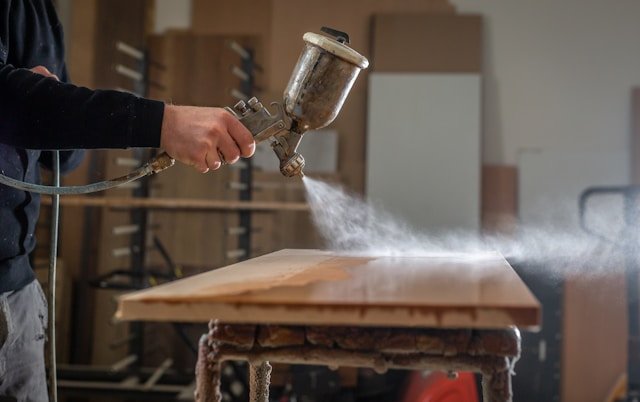
In woodworking, UV-Lack serves a similar purpose, offering both protection and aesthetic enhancement to furniture and cabinetry. Its application results in a smooth finish that highlights the natural beauty of the wood grain, while providing durability against spills and scratches. Moreover, the quick drying time of UV-Lack allows for faster production cycles, making it a preferred choice among manufacturers.
The printing industry also benefits from the use of UV-Lack, particularly in packaging and labeling applications. UV-cured inks and coatings are favored for their ability to produce vivid colors and sharp details on various substrates. These coatings improve the overall appearance of printed materials while providing additional protection against fading and wear.
In conclusion, the versatility of UV-Lack across different sectors highlights its effectiveness as a protective and aesthetic solution, making it a vital component in modern manufacturing and artistry.
UV-Lack in the Beauty Industry
In recent years, UV-lack has emerged as a preferred choice in the beauty industry, especially in the formulation of nail varnishes and gels. This versatile UV lacquer offers numerous benefits that appeal to both beauty professionals and consumers alike. One of its primary advantages is its durability; UV-lack dries quickly and provides a long-lasting finish, making it an excellent option for those seeking extended wear without chipping.
The application process of UV-lack is relatively straightforward yet requires precision to achieve the best results. Initially, a base coat is applied to prepare the natural nail, ensuring better adhesion and protection. Once the base coat is cured under a UV lamp, the desired shade of UV-lack can be applied. This lacquer not only comes in a wide array of colors but also provides a high-gloss finish that enhances the visual appeal of the nails. After the UV-lack color is applied, a top coat is usually added, which serves to seal the color and enhance its longevity further.
The curing process involves exposing the coated nails to a UV light source, solidifying the lacquer and imparting an attractive sheen. This method is not only efficient but also significantly reduces drying time compared to traditional nail polish. As a result, consumers can enjoy a much quicker grooming experience without compromising on quality.
Furthermore, the versatility of UV-lack extends beyond mere aesthetics. Many formulations now include additional components such as vitamins and strengthening agents to improve the health of the nails. This has led to a surge in demand for UV-lack products that not only beautify but also care for the nails. Overall, the incorporation of UV-lack in beauty products signifies a shift towards innovative solutions that cater to the modern consumer’s needs for quality, efficiency, and nail care.
Environmental Considerations
As industries increasingly turn to sustainable alternatives, the environmental implications of products like UV lacquer or uvlack come into focus. UV-lack offers several advantages, including quick curing times and minimal volatile organic compound (VOC) emissions when compared to traditional lacquers. However, like all materials utilized in manufacturing, it is essential to analyze the complete lifecycle of uvlack to understand its environmental impact fully.
One significant advantage of UV lacquers is their ability to enhance production efficiency. The rapid drying process allows manufacturers to reduce energy consumption, ultimately leading to lower operational costs. Additionally, the use of uvlack minimizes waste, as the material adheres more effectively, reducing the need for multiple coats associated with traditional lacquers—further contributing to a lower environmental footprint.
Moreover, legislative and regulatory frameworks increasingly dictate the need for manufacturers to adopt eco-friendly practices. For instance, many countries have established stringent regulations regarding VOC emissions, pushing the industry towards safe and sustainable alternatives such as uvlack. In response, many manufacturers have made committed strides in the development and production of low or zero VOC UV lacquers. These advancements reflect a growing awareness within the industry regarding the significance of environmental responsibility.
Furthermore, innovations in the formulation of UV lacquers are leading to biodegradable options, which can significantly ameliorate long-term environmental impacts. The industry is also emphasizing recycling and circular economy practices to ensure that products can be reused or repurposed rather than simply discarded. By prioritizing these approaches, manufacturers can contribute to a more sustainable future, addressing both production efficiency and ecological concerns.
Safety Measures and Precautions
When working with UV-lack, it is essential to adhere to strict safety measures and precautions to ensure the well-being of everyone involved in the application process. The nature of UV lacquer necessitates the use of appropriate protective equipment. Workers should wear gloves, safety goggles, and face masks to mitigate the risk of skin and eye irritation caused by direct contact with the material. In addition, suitable clothing should be worn to avoid exposure to UV-lack splashes.
Proper ventilation is another critical aspect of maintaining a safe working environment. UV lacquers can emit volatile organic compounds (VOCs), which can be harmful when inhaled in high concentrations. Therefore, ensuring adequate airflow by using exhaust systems or working in open areas is vital. If possible, leveraging enclosed spaces equipped with air filtration systems will significantly reduce potential inhalation risks.
Handling procedures should also be meticulously followed to avoid accidents. It is advisable to read and understand the Material Safety Data Sheet (MSDS) associated with the specific UV-lack product being utilized. This document provides essential information regarding the chemical properties of the lacquer and the necessary first aid measures in case of exposure. Before commencing work, all employees must be trained in recognizing potential hazards linked to UV-lack and the proper remediation techniques if an incident occurs.
Lastly, proper storage of UV lacquer is crucial to prevent spills and accidents in the workplace. Containers should be tightly sealed and stored in designated areas away from heat sources and direct sunlight. By implementing these comprehensive safety measures and precautions, industry professionals can create a safer working environment while maximizing the benefits of UV-lack applications.
Future Trends in UV-Lack Technology
As the market for environmentally friendly and high-performance coatings continues to grow, the future of UV-lack technology is poised for significant advancement. Manufacturers are increasingly focusing on developing formulations that are not only effective but also sustainable. With the rising demand for eco-friendly solutions, we can expect innovations that utilize bio-based materials and low-VOC (volatile organic compounds) components. Such advancements will certainly align with global trends toward reducing harmful emissions and enhancing overall sustainability.
Another area ripe for improvement is the durability and scratch resistance of UV-lacks. Current formulations offer commendable protection; however, ongoing research is likely to lead to even tougher and more resilient finishes. This potential transformation could expand the application range of UV-lacks, making them suitable for more demanding environments, such as industrial settings or high-traffic areas in residential spaces.
The application of UV-lack in industries beyond traditional uses is also a promising avenue. For example, technologies utilizing UV-lack could emerge in areas such as automotive finishes or electronics protection, where the need for lightweight yet sturdy coatings is paramount. These innovations may further drive the demand for UV-lack solutions and could stimulate more research and development within the field.
Furthermore, technological advancements, such as the integration of smart coatings, could enhance UV-lack applications. These coatings might be equipped with self-healing capabilities or sensors that respond to environmental changes, increasing the value and functionality of UV-lacks across various industries.
In conclusion, the future of UV-lack technology is bright, with numerous prospects for innovation and improvement. As market demands evolve, so too will the formulations and applications of UV-lack, making it an exciting area to watch in the coming years.
Conclusion
In this blog post, we have explored the multifaceted nature of UV-Lack, a type of ultraviolet lacquer that is increasingly gaining traction across various sectors. The unique properties of UV-Lack, such as its quick curing time, ability to provide a durable finish, and environmentally-friendly characteristics, make it a preferred choice for industries like printing, woodworking, and automotive applications.
We have highlighted how UV-Lack not only enhances the aesthetic appeal of surfaces but also offers protection against environmental factors and wear. Moreover, its versatility allows for seamless integration into different manufacturing processes. The ability of UV-Lack to be used on numerous substrates, ranging from paper to metal, emphasizes its role as a significant player in modern coating solutions.
As we have seen, the benefits of utilizing UV-Lack extend beyond just efficiency; it also contributes positively to sustainability efforts by reducing solvent emissions and energy consumption during production. Consequently, businesses aiming for greener practices can find a fitting solution in UV-Lack.
In light of the points discussed, it is worth considering how UV-Lack can be beneficial for your own projects. Whether you are a manufacturer looking to improve product longevity and appearance or an artisan seeking to elevate your craftsmanship, incorporating UV-Lack may offer the needed advantages. The adaptability and performance of UV-Lack can ultimately transform the way you approach finishing and protecting your products.


We create powerful, insightful content that fuels the minds of entrepreneurs and business owners, inspiring them to innovate, grow, and succeed.