


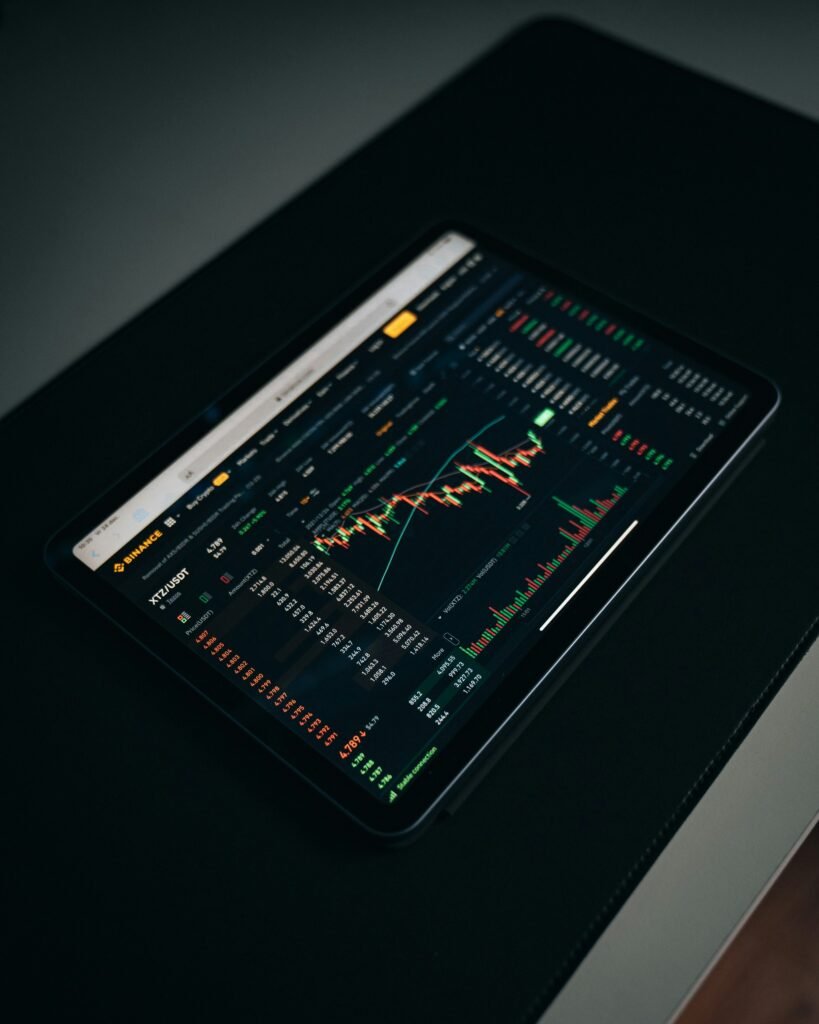
Introduction to TradingView
TradingView is a powerful platform that serves as a comprehensive solution for trading and financial analysis. Initially launched in 2011, it was created with the goal of providing an accessible and user-friendly interface where traders and investors could analyze financial markets in real-time. The founders of TradingView recognized the need for a platform that combined advanced charting capabilities with social networking features, thus allowing users to share insights and strategies with one another.
Over the years, TradingView has grown significantly, attracting millions of users globally who appreciate its array of tools tailored for both novice and experienced traders. The platform has evolved beyond basic charting capabilities, integrating complex technical analysis tools, customizable indicators, and a wide variety of asset classes including stocks, cryptocurrencies, commodities, and forex. These features have positioned TradingView as a go-to resource for anyone engaged in market tracking and analysis.
One of the standout elements of TradingView is its community aspect, which allows users to engage with one another through shared ideas, public scripts, and an active forum. This unique feature differentiates TradingView from other analytics platforms, enabling a collaborative environment where knowledge and strategies can be exchanged freely. The platform’s real-time data feeds and user-friendly charting tools have made it a desirable choice for traders at all experience levels.
Additionally, TradingView incorporates social trading elements, enabling users to follow and replicate the trades of successful investors. As technological advancements continue to shape the way investors approach the financial markets, TradingView remains committed to enhancing user experience and adaptability, ensuring it meets the needs of its growing user base.
Key Features of TradingView
TradingView boasts a wide array of features that cater to both novice and experienced traders, making it an essential platform for market tracking and analysis. One of the platform’s most compelling features is access to real-time market data. This capability allows users to stay informed about price movements and trends across various assets, including stocks, cryptocurrencies, and forex. Market data is not only timely but also comprehensive, which enhances decision-making processes for traders.
Another standout attribute of TradingView is its customizable charting tools. Users can create charts that fit their trading strategies by utilizing different types of visualizations, including line, bar, and candlestick charts. Customization options allow for the addition of various studies and indicators, such as moving averages and oscillators, which help in conducting sophisticated technical analyses. This ensures that traders can tailor their analytical setups in a way that suits their preferences and strategies.
The platform also emphasizes social networking, allowing users to share insights, trading ideas, and market analyses with a community of traders. Users can publish their chart setups and analysis, as well as comment on the work of others. This collaborative environment promotes learning and sharing, helping both experienced traders and newcomers to improve their skills. The ability to engage with like-minded individuals can provide additional perspectives on market trends.
Furthermore, TradingView supports alerts and notifications on price movements, which is crucial for traders looking to make timely decisions. Users can set alerts based on specific price thresholds or technical indicators, ensuring they never miss a trading opportunity. This combination of features makes TradingView a comprehensive tool that serves various trading needs in today’s fast-paced market environment.
Understanding Market Tracking with TradingView
TradingView has emerged as an essential tool for both novice and experienced traders due to its comprehensive market tracking capabilities. The platform facilitates the monitoring of various financial markets, ensuring users can stay updated with real-time data. Among the diverse markets accessible within TradingView are stocks, forex, cryptocurrencies, and indices. Each market offers unique insights and trading opportunities, which can be customized according to user preference.
In the stock market category, TradingView provides users with a vast array of stocks from major exchanges globally. This allows users to build watchlists tailored to their investment strategies, helping them to efficiently monitor stock performance. The inclusion of forex markets enables traders to track currency pairs, which is vital for those engaged in forex trading. Users can benefit from the integration of advanced charting tools that TradingView offers, making it easier to analyze trends and make informed decisions.
Furthermore, the cryptocurrency market is rapidly gaining traction, and TradingView provides a platform to track various digital assets. Users can access data for popular cryptocurrencies like Bitcoin, Ethereum, and many altcoins, gaining insights into price movements and market trends. Additionally, TradingView supports tracking of market indices, providing users with the ability to view overall market performance through various indices like S&P 500 and NASDAQ.
Customizing watchlists within TradingView enhances user experience by allowing individuals to prioritize and monitor specific assets that align with their trading strategies. The platform’s flexibility encourages traders to adapt their watchlists as market conditions change, ensuring they remain aligned with their goals. Overall, TradingView stands out as a versatile platform for market tracking, enabling traders to efficiently analyze and execute their trading strategies.
Creating and Customizing Charts
TradingView is a robust platform that provides a variety of tools for market analysis, and one of its key features is the ability to create and customize charts. Users begin by selecting the type of chart that best fits their analysis needs. TradingView supports several chart types including line charts, candlestick charts, and bar charts, each offering distinct visualization benefits for various trading styles.
After selecting a chart type, traders can further refine their analysis by choosing appropriate timeframes. TradingView allows users to select from multiple timeframes, ranging from one minute to monthly view, which can be crucial for both short-term traders and long-term investors. The ability to switch timeframes easily enhances its usability, catering to different trading strategies.
The next step in creating customized charts involves integrating technical indicators. TradingView offers an extensive library of indicators, from moving averages to the Relative Strength Index (RSI), allowing traders to market analyze trends and explore potential entry and exit points. Users can add multiple indicators simultaneously, providing a comprehensive view of the market dynamics.
Customization extends beyond indicators; users can personalize their charts with various colors, styles, and layouts to enhance visual clarity and align with personal preferences. This ensures that the trading charts are not only functional but also aesthetically pleasing, facilitating better analysis.
To streamline future analysis, TradingView offers the ability to save chart templates. After customizing a chart with preferred indicators and settings, users can save this configuration for easy access in subsequent sessions. This feature not only saves time but also ensures consistency in analysis efforts.
In conclusion, TradingView’s charting capabilities are extensive and can be tailored to meet the unique requirements of each trader. By understanding how to create and customize charts, traders can better navigate the complexities of financial markets and improve their decision-making process.
Technical Analysis Made Easy
TradingView is a widely recognized platform that provides a range of tools designed for technical analysis, appealing to both novice and experienced traders. One of the primary strengths of TradingView lies in its user-friendly interface, which allows traders to easily navigate through various charting options and indicators essential for market analysis.
Among the tools provided on TradingView, indicators are crucial for understanding market behavior and price movements. The platform offers a plethora of built-in indicators, including moving averages, Bollinger Bands, and the Relative Strength Index (RSI). Traders can easily customize these indicators based on their specific trading styles and preferences, enabling them to gain deeper insights into market trends.
In addition to indicators, TradingView supports an array of oscillators that help traders identify potential market reversals and momentum shifts. These oscillators, such as the Stochastic Oscillator and MACD (Moving Average Convergence Divergence), allow users to analyze price conditions and make data-driven trading decisions. Furthermore, the ability to visualize these oscillators directly on charts enhances the overall analysis experience.
Drawing tools on TradingView are another valuable asset. Traders can annotate charts using trend lines, channels, and Fibonacci retracement levels to highlight significant price levels and chart patterns. These visual elements not only facilitate a better understanding of market dynamics but also assist traders in identifying potential entry and exit points effectively.
By leveraging the combination of these analytical tools, TradingView empowers traders to conduct comprehensive technical analyses with ease. The seamless integration of indicators, oscillators, and drawing tools, coupled with the capacity to share charts and strategies with a vibrant community, fosters an environment where traders can enhance their skills and strategies. Through diligent application of these tools, users can make informed trading decisions backed by robust market analysis.
Social Trading Network: Engaging with the Community
TradingView is not only a powerful charting tool but also a dynamic social trading network where users can actively engage with one another. This platform fosters a community atmosphere, allowing traders to share insights, strategies, and market analyses. One of the standout features of TradingView is the ability to publish trading ideas, which provides a space for users to document and share their analytical thoughts regarding various assets.
By publishing ideas, users contribute to a vast collection of shared knowledge, making TradingView an invaluable resource for both novice and experienced traders. Each published idea can be commented on, enabling direct interaction between the author and readers. This feature encourages constructive feedback and collaborative learning, allowing users to refine their trading strategies based on peer insights. In addition to comments, users can also react to ideas through likes, further promoting content that resonates with the community.
Furthermore, the follow feature enhances the social connectivity within TradingView. Traders can follow individuals whose strategies and insights they find appealing, ensuring that they stay updated with the latest ideas and analyses from these expert users. This personalized feed not only provides ongoing education but also nurtures a sense of belonging, as traders interact with others in their pursuit of market expertise.
In summary, the social trading network aspect of TradingView significantly enriches the user experience. By engaging with the community through idea publishing, comments, and following fellow traders, users can cultivate their trading skills while also benefiting from a rich pool of knowledge available on the platform. This collaborative environment is what makes TradingView a go-to platform for market tracking and analysis.
Using TradingView on Mobile Devices
In today’s fast-paced financial environment, having access to real-time market data is crucial for traders and investors alike. TradingView’s mobile app provides a robust solution for market tracking and analysis, ensuring that users are connected wherever they are. With the ability to access all the features that the web platform offers, the app serves as a powerful tool to stay informed and engaged with market movements on the go.
The TradingView mobile application boasts an intuitive user interface that is designed for ease of navigation. Users can easily search for stocks, indices, forex pairs, and cryptocurrency charts, allowing them to instantly access the information they need. The app’s compatibility with numerous technical analysis tools makes it easier to conduct in-depth evaluations of market trends and price movements right from your smartphone.
One of the most significant advantages of the TradingView mobile platform is the ability to set up alerts and notifications. Traders can customize alerts for specific price levels or technical indicators, ensuring that they never miss critical market events. This feature enables users to react promptly to market changes without constantly checking their screens. Furthermore, the app allows for seamless social sharing and communication with other traders, fostering a collaborative trading experience.
Overall, the mobile version of TradingView is a versatile resource for traders seeking flexibility and convenience. It empowers them to monitor performance, adjust strategies, and execute trades with confidence. Whether you are a seasoned professional or a novice to the trading space, the TradingView mobile application can enhance your trading journey by providing essential insights and tools at your fingertips.
Pros and Cons of TradingView
TradingView has rapidly gained popularity among traders and investors due to its intuitive platform and comprehensive features. One of the primary advantages is its user-friendly interface, which allows both beginners and experienced traders to navigate the various tools with ease. Additionally, TradingView supports a broad range of financial instruments, including stocks, forex, cryptocurrencies, and commodities, making it a versatile option for market tracking.
Another significant benefit of TradingView is its extensive community and social networking capabilities. Users can share their analyses, trading ideas, and strategies, fostering an environment of collaboration and learning. The platform also offers numerous customizable charting tools, technical indicators, and drawing tools, which are essential for in-depth market analysis. Moreover, TradingView provides real-time market data, enhancing users’ ability to make informed decisions.
On the downside, TradingView’s pricing structure can be a potential drawback for some users. While there is a free tier available, it comes with limited functionalities, such as fewer technical indicators and ads. To unlock advanced features and additional data, users must opt for premium subscriptions, which may not be cost-effective for casual traders. Furthermore, some users have reported that the platform can experience slow loading times during periods of high market activity, affecting overall performance.
Another consideration is the learning curve associated with the extensive array of features. While the platform is generally regarded as user-friendly, newcomers may still require time to become proficient in using advanced tools effectively. This may pose challenges for those who expect immediate usability without prior trading experience.
In conclusion, while TradingView offers numerous advantages that enhance traders’ and investors’ experiences, potential users should weigh these benefits against the platform’s limitations, particularly concerning pricing and learning requirements, to determine if it aligns with their trading goals.
Conclusion: Is TradingView Right for You?
As our exploration of TradingView has revealed, this platform stands out as a versatile tool for both novice and experienced traders alike. It offers a comprehensive suite of features, including advanced charting tools, a vast array of technical indicators, and a user-friendly interface, making it an attractive option for those engaging in market analysis. The accessibility of TradingView through web and mobile applications allows traders to stay connected to the markets, enabling real-time data analysis and timely trading decisions.
Additionally, the strong community aspect of TradingView fosters collaboration among users, allowing them to share trading ideas and insights. The platform’s social trading features, such as the ability to follow experienced traders and replicate their strategies, can greatly benefit those who are still learning the intricacies of market behaviors. Furthermore, the integration of multiple brokerage services within TradingView enhances its utility as a centralized hub for trading activities.
However, whether TradingView is the right choice for you ultimately depends on your individual trading goals and preferences. For those who prioritize customizable charts and an expansive array of indicators, TradingView provides an exceptional environment. On the other hand, users with specific needs concerning automation or advanced algorithmic trading may want to evaluate other platforms that offer a greater emphasis on those functionalities.
Ultimately, it encourages careful consideration of how the features of TradingView align with your trading strategies and requirements. By doing so, you can make an informed choice about whether TradingView can fulfill your market tracking and analysis needs effectively.


We create powerful, insightful content that fuels the minds of entrepreneurs and business owners, inspiring them to innovate, grow, and succeed.