


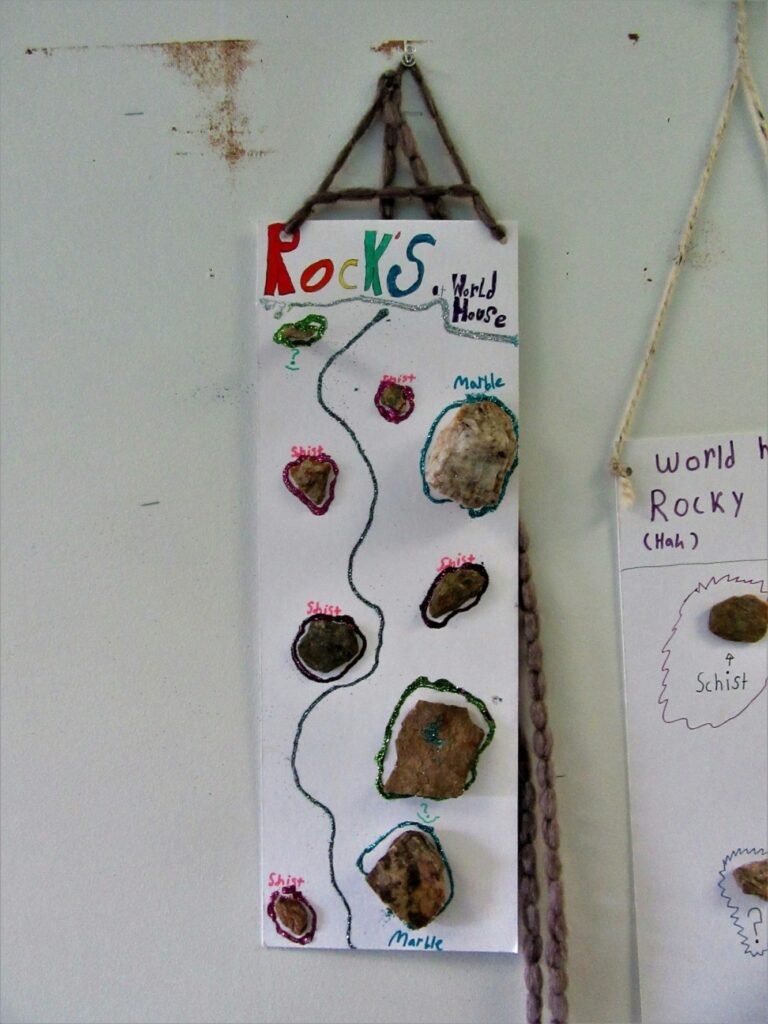
Introduction to the Rock Cycle
The rock cycle is a fundamental concept in geology that illustrates the dynamic nature of rocks and the processes that alter them over time. It emphasizes that rocks are not static entities, but rather, they undergo continuous transformation through a series of geological processes. These processes include weathering, erosion, sedimentation, and metamorphism, each contributing to the life cycle of rocks and the formation of different rock types.
At its core, the rock cycle highlights the interconnectedness of the various geological processes and the role they play in shaping the Earth’s crust. The primary rock types involved in the cycle are igneous, sedimentary, and metamorphic rocks. Igneous rocks form from the cooling and solidification of molten magma, while sedimentary rocks arise from the accumulation of mineral and organic particles over time. Metamorphic rocks, on the other hand, are created when existing rocks are subjected to intense heat and pressure, resulting in changes to their mineral composition and structure.
The significance of the rock cycle extends beyond the mere classification of rocks; it helps geologists understand Earth’s history, the formation of its landscapes, and the natural resources available. Through the study of this cycle, scientists can deduce information about past environments, identify potential locations for mineral extraction, and even predict geological hazards. By appreciating the continuous transformation of rocks, one gains insight into the broader processes that shape our planet.
In essence, the rock cycle serves as a reminder of the Earth’s ever-changing nature. Its processes operate over various timescales, from the rapid erosion of mountains to the slow metamorphism over millions of years. Understanding the rock cycle is crucial for anyone interested in geology, as it provides a framework for comprehending the complexity and fluidity of the Earth’s solid materials.
The Three Main Types of Rocks
The rock cycle is a continuous process that involves the formation, breakdown, and reformation of rocks. Understanding the three primary types of rocks—igneous, sedimentary, and metamorphic—is essential in grasping how each contributes to this cycle.
Igneous rocks are formed from the cooling and solidification of magma or lava. When magma cools beneath the Earth’s surface, intrusive igneous rocks, such as granite, are formed. In contrast, volcanic rocks like basalt result from the rapid cooling of lava that erupts on the surface. Ignous rocks are characterized by their crystalline texture and mineral content, which contains silica and various other compounds, making them fundamental in the formation of the Earth’s crust.
Sedimentary rocks, on the other hand, arise from the accumulation and compaction of mineral and organic particles. These rocks, such as sandstone and limestone, often form in layers and can contain fossils, offering valuable insights into Earth’s history. Through processes such as weathering and erosion, existing rocks are broken down into smaller particles, which are then transported and deposited in various environments, such as riverbeds or ocean floors. This aspect of sedimentary rocks highlights their role in nutrient cycling and their impact on ecosystems.
Metamorphic rocks emerge when existing rocks undergo transformations due to extreme heat and pressure. This alteration process can change the rock’s mineral composition and structure, resulting in rocks like schist and marble. The characteristics of metamorphic rocks vary widely, depending on the original rock and the conditions under which they were formed. Their formation typically occurs deep within the Earth where tectonic activity is prevalent, showcasing the dynamic nature of the rock cycle.
In summary, understanding these three types of rocks—igneous, sedimentary, and metamorphic—provides a foundation for comprehending their roles within the rock cycle and the broader geological processes at play on our planet.
Step 1: Formation of Igneous Rocks
Igneous rocks form through the cooling and solidification of molten rock material, which includes magma beneath the Earth’s surface and lava that erupts onto the surface during volcanic activity. This process is a critical initial step in the rock cycle, reflecting the dynamic nature of Earth’s geology.
Magma, located in the Earth’s mantle, is generated by the melting of pre-existing rocks due to high temperatures and pressures. As magma rises towards the surface, it experiences a decrease in pressure, which can lead to its partial crystallization. This crystallization process is influenced by cooling rates; slower cooling typically results in larger crystals, while rapid cooling leads to finer-grained textures in the resultant rock.
Once magma reaches the Earth’s surface and erupts as lava, it quickly cools when exposed to the atmosphere or ocean water, creating igneous rocks with distinct features. The most common types of igneous rocks include basalt, formed from rapid cooling of low-viscosity lava, and granite, which forms from the slower cooling of magma deep underground. Understanding these processes is essential for comprehending the behavior of various geological features.
Volcanic activity significantly contributes to the formation of igneous rocks as well. Eruptions can vary in intensity and material ejected, influencing the texture and composition of the igneous rocks produced. The rapid solidification of lava can create volcanic glass, such as obsidian, characterized by its smooth texture and unique appearance. This variety in formation processes highlights the diversity of igneous rocks found in nature.
In conclusion, the formation of igneous rocks is a fundamental aspect of the rock cycle, intricately connected to the processes of crystallization and volcanic activity. Through the solidification of magma and lava, these rocks emerge, reflecting the complex history of Earth’s geological evolution.
Step 2: Weathering and Erosion
Weathering and erosion are pivotal processes in the rock cycle, playing a crucial role in breaking down rocks into smaller particles. Weathering refers to the process by which rocks are broken down into sediment through physical, chemical, or biological means, while erosion is the act of transporting those weathered materials across the Earth’s surface. Together, they shape our landscapes, revealing the dynamic nature of Earth’s lithosphere.
There are two main types of weathering: mechanical and chemical. Mechanical weathering involves the physical breakdown of rocks without changing their chemical composition. This can occur through processes such as thermal expansion and contraction, freeze-thaw cycles, and abrasion. For instance, water entering cracks in rocks can freeze, expand, and fracture the rock. Conversely, chemical weathering alters the minerals within the rock composition, often through reactions with water or atmospheric gases. This can lead to the formation of new minerals or soluble compounds, further contributing to the sedimentary material available for erosion.
Erosion, on the other hand, is driven by several agents, the most significant of which include water, wind, and ice. Water, particularly in the form of rivers and rainfall, is perhaps the most influential agent of erosion. It can transport sediments over long distances, reshaping valleys and contributing to habitats like deltas. Wind, especially in arid regions, lifts and carries fine particles, leading to significant landscape changes over time through processes like deflation and abrasion. Lastly, glaciers represent a unique erosive force, where massive ice bodies scrape across bedrock, carrying away sediment and carving out unique landforms.
The interaction of weathering and erosion facilitates the continuous recycling of materials within the rock cycle, highlighting the interconnectedness of Earth’s systems. Understanding these processes provides insight into how landscapes evolve and the intricate balance within Earth’s geological framework.
Step 3: Formation of Sedimentary Rocks
The formation of sedimentary rocks is a crucial phase in the rock cycle, characterized primarily by the processes of compaction and cementation of sediments. Over thousands of years, various sediments, such as sand, silt, and clay, accumulate in layers due to sedimentary environments, which include rivers, lakes, deserts, and ocean floors. Each layer represents a distinct period in geological history, capturing different types of materials that have been eroded from pre-existing rocks, transported, and deposited in these environments.
As sediments are buried under additional layers, the weight of the overlying material exerts pressure on the sediments below, leading to compaction. This process decreases the volume of the sediment and expels water and air trapped between the particles. Subsequently, cementation occurs as minerals precipitate from groundwater and fill the spaces between the compacted particles, effectively binding them together. Common cementing agents include silica, calcite, and iron oxides, each contributing to the characteristics of the resulting rock.
The environments in which sedimentary rocks form play a vital role in determining their composition and texture. For instance, sediment deposited in a river environment may contain rounded grains due to the constant erosion and transport, while sediments in a lake can be finer and more uniform. Additionally, the biological activity in some environments, such as coral reefs, leads to the formation of specific types of sedimentary rocks, like limestone, which is composed mainly of calcite from marine organisms.
Understanding the processes of compaction and cementation, as well as the significance of sedimentary environments, provides insights into the geological history of an area. These processes indicate past climatic conditions, ecological environments, and even ancient life forms, making the study of sedimentary rocks a fascinating aspect of geology. Overall, sedimentary rocks serve as a record of Earth’s history, offering valuable information regarding the formation processes that have shaped our planet over millions of years.
Step 4: Metamorphism of Rocks
The metamorphic process plays a crucial role in the rock cycle, as it transforms existing rocks into metamorphic rocks through the application of high heat and pressure. This transformation alters the mineral composition and texture of the original rock, leading to a dramatic change in physical and chemical properties. Metamorphism can occur due to various factors, including tectonic pressure, geothermal heat, and the presence of hydrothermal fluids.
There are two primary types of metamorphism: regional metamorphism and contact metamorphism. Regional metamorphism typically occurs over large areas under immense pressure and temperature, often associated with mountain building events and tectonic plate collisions. The rocks exposed to such conditions can develop foliation, characterized by the alignment of mineral grains along parallel planes. Common examples of rocks formed through regional metamorphism include schist and gneiss.
In contrast, contact metamorphism happens when rocks are heated by an intruding molten body, such as magma. This type of metamorphism affects a smaller area and typically results in non-foliated rocks. The intense heat alters the minerals in the surrounding rock, which often leads to the formation of new minerals. For instance, limestone can change into marble through contact metamorphism, showcasing a noticeable change in texture and appearance.
The resulting metamorphic rocks exhibit distinctive characteristics that reflect the conditions they underwent during the transformation process. These characteristics include increased density, hardness, and the development of new minerals. The study of these metamorphic rocks not only provides insight into the history of the Earth but also offers valuable information for various geological applications.
Step 5: The Recycling of Rocks
The rock cycle is a continuous process that illustrates the transformation of rocks from one type to another. An essential aspect of this cycle is the recycling of rocks, demonstrating how natural processes can change rocks across different categories. This cyclical nature implies that no rock type is permanent, and over time, rocks may undergo significant changes due to various geological factors.
To understand how recycling occurs, it is vital to recognize the three main types of rocks: igneous, sedimentary, and metamorphic. Igneous rocks form from the solidification of molten magma or lava. These rocks can be broken down into smaller particles through weathering and erosion, contributing to the formation of sedimentary rocks. Consequently, sedimentary rocks, which are composed of these particles, may also undergo further transformations under heat and pressure, leading to the creation of metamorphic rocks.
Metamorphic rocks can then return to their original form or transition into other rock types through various processes. For instance, if subjected to extreme temperatures or additional pressure, metamorphic rocks may melt and become magma again, continuing the cycle. This recycling illustrates the dynamic nature of the Earth’s crust and its ability to adapt over time.
Moreover, the recycling of rocks highlights the interconnectedness of geological processes. Each transition contributes to the ongoing transformation within the rock cycle. The ability of rocks to shift between types emphasizes that nothing remains static in nature. Geologic activity, such as subduction and tectonic movements, significantly influences these transitions, resulting in an ever-changing landscape.
In conclusion, the recycling of rocks is a fundamental component of the rock cycle, showcasing the continuous transformation of materials within the Earth’s crust. Understanding these processes not only provides insights into geology but also reinforces the notion that the natural world is ever-evolving, with each rock type contributing to the future cycle.
Human Impact on the Rock Cycle
The rock cycle, a fundamental geological process, is intrinsically linked to natural occurrences such as erosion, sedimentation, and metamorphism. However, human activities have introduced various modifications to these natural processes, significantly influencing the rock cycle. One of the primary ways through which humans impact the rock cycle is through mining. Mining operations extract valuable minerals and rocks from the earth’s crust, subsequently altering the geological landscape. This disruption does not only remove materials but also leads to sedimentation changes, as excavated dirt and debris are often left displaced, changing local fauna and flora habitats and affecting overall erosion patterns.
Construction activities further enhance these changes. As urbanization grows, vast amounts of land are modified or cleared for development projects, which can disrupt existing geological formations. The removal of vegetation during construction leads to increased erosion, since plant roots play a crucial role in holding the soil together. Consequently, the process of sediment transport is altered, which can affect river courses and sediment deposition patterns, leading to consequential effects downstream.
Moreover, pollution presents another significant human impact on the rock cycle. Industrial waste, chemicals, and heavy metals can leach into the soil, affecting its quality and ultimately influencing the formation of certain rocks through geological processes. Groundwater contamination can disrupt the natural chemistry involved in the formation of sedimentary rocks, thereby affecting their characteristics. Furthermore, acid rain, a byproduct of atmospheric pollution, accelerates the weathering of rocks, which alters the cycle’s duration and can lead to the preferential breakdown of certain types of rocks.
In conclusion, human activities such as mining, construction, and pollution significantly influence the rock cycle. These actions have far-reaching consequences, altering natural processes, changing landforms, and affecting ecosystems. Understanding these impacts is essential for promoting sustainable practices that protect geological resources and ensure the balance within the rock cycle remains intact.
Conclusion and Implications for Earth Sciences
The rock cycle is a fundamental concept in Earth sciences that elucidates the dynamic processes shaping our planet’s geology over time. Through the continuous transformation of rocks from one type to another—igneous, sedimentary, and metamorphic—the cycle not only demonstrates the interconnectedness of various geological processes but also reveals the historical narrative of Earth’s formation and evolution. Understanding the rock cycle is essential for comprehending the larger geological context of the Earth, as it encompasses not just the rocks themselves, but also the processes that lead to their formation, erosion, and reformation.
This cycle plays a pivotal role in various environmental studies, as it influences landscape changes, soil formation, and mineral availability. The interaction between the different rock types and the environment shows how geological processes, such as weathering and plate tectonics, can affect ecosystems and biodiversity. Thus, a thorough knowledge of the rock cycle aids in predicting natural events like landslides and volcanic eruptions, which can have significant consequences for human activities and safety.
Additionally, the rock cycle is intertwined with topics concerning resource management and environmental sustainability. As we strive to balance human needs with the preservation of natural resources, understanding the cycle’s implications can guide us in responsible mining practices, land use planning, and the conservation of natural habitats. Overall, the significance of the rock cycle extends beyond geology and has far-reaching implications for environmental science, highlighting its importance in fostering a sustainable future.


We create powerful, insightful content that fuels the minds of entrepreneurs and business owners, inspiring them to innovate, grow, and succeed.