


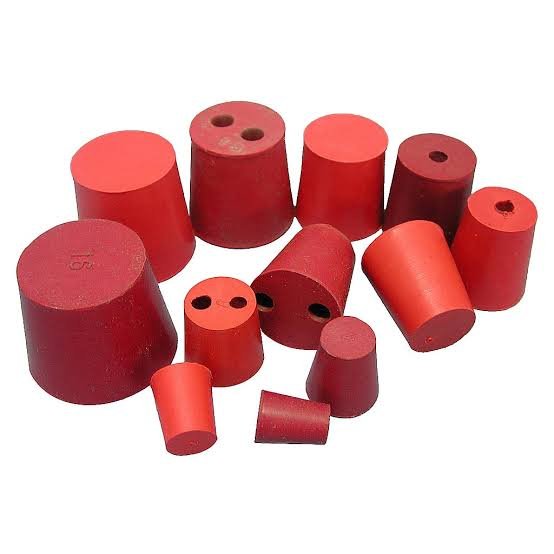
Defining Stoppers and Their Purposes
Stoppers are versatile devices employed in various contexts to seal openings, block passages, or prevent unwanted movement. Primarily, they function as barriers, effectively controlling the flow of substances or the movement of objects. Stoppers come in numerous forms and materials, customized to serve specific purposes based on their applications.
In the context of household items, stoppers are commonly used in bottles and jars to prevent spillage and preserve contents. For example, a cork stopper is often found in wine bottles, serving not only as a seal to maintain the beverage’s quality but also to provide an aesthetic appeal. Similarly, rubber stoppers are utilized in laboratory settings to cover test tubes and flasks, ensuring that chemicals do not evaporate or spill, thereby maintaining safety and integrity during scientific experiments.
Beyond residential and laboratory uses, stoppers play a crucial role in automotive applications, where they can prevent leaks in engine components and pipelines. In such cases, they serve to block passageways, ensuring that fluids remain contained and preventing potential damages. Furthermore, mechanical stoppers are utilized in machinery to restrict movement, thus allowing for more precise controls in various manufacturing processes.
The design of stoppers is an essential element that contributes to their effectiveness. Certain stoppers are engineered to create airtight seals, while others may be designed for easy removal and reapplication. This adaptability is key, as it allows stoppers to cater to a wide range of industry needs.
In conclusion, stoppers are fundamental components used across diverse sectors, from everyday household items to complex industrial machinery. Their primary purpose of sealing and blocking plays a significant role in safety and functionality, making them integral in many applications.
Types of Stoppers: From Plugs to Seals
The term stopper encompasses a wide array of devices designed to close openings in containers, thus preventing the escape of air or liquid. In this section, we will delve into the various types of stoppers, particularly highlighting plugs and seals crafted from materials such as cork, rubber, or plastic. Each of these materials plays a crucial role in ensuring that liquids and gases are securely contained.
Cork stoppers are a traditional choice, widely used in the wine industry due to their natural elasticity and impermeability. They provide an effective barrier that allows for minimal air exchange, which is crucial for the aging process of wine. In addition, cork’s renewable nature makes it an environmentally friendly option. However, its ability to allow some air in can also be seen as a drawback for certain applications, necessitating alternatives in situations where a complete seal is essential.
Rubber stoppers are particularly popular in laboratory settings and in applications involving test tubes and flasks. Their flexibility and durability provide an excellent seal against spills or contamination. These stoppers can be manufactured in various sizes and shapes, making them versatile for different types of laboratory equipment. Furthermore, rubber stoppers can be designed to accommodate syringes or other instruments for easy sampling and withdrawal of contents.
Plastic stoppers, meanwhile, offer an affordable and lightweight option for everyday use, particularly in food and beverage packaging. They are available in various forms, including screw caps and flip tops, and are designed to ensure a tight seal, thus enhancing the shelf life of products. Plastic stoppers are also resistant to many chemicals, making them suitable for various industrial applications.
In addition to these common types of stoppers, it is important to mention specific applications, such as sink and bathtub plugs. These plugs are designed to create a watertight seal to prevent water from draining away, offering convenience and efficiency in daily tasks. Understanding the varied uses of different stopper types is essential for selecting the right one for a given application, ensuring optimal functionality and safety.
Door Stops: Keeping Your Spaces Functional
Door stops, commonly referred to simply as stoppers, are essential components in both residential and commercial spaces. Their primary function is to prevent doors from causing damage to walls and to keep them ajar when needed. By effectively utilizing a door stop, one can not only protect the integrity of their walls but also enhance the accessibility and usability of various areas within a building.
There are two main categories of door stops: wedge and mechanical. Wedge door stops function simply by being placed beneath a door, creating a barrier that holds the door in place. They are typically made from materials such as rubber or wood, which provide adequate friction to prevent movement. These types of stoppers are favored for their simplicity and low cost, making them a popular choice for home and office use.
On the other hand, mechanical door stops utilize more sophisticated mechanisms and can be mounted on either the door or the wall. These options include spring-loaded varieties that retract when not in use or those that can be permanently fixed to a specific location. Mechanical door stops cater to various needs, such as those in high-traffic areas where the convenience of hands-free operation is beneficial. Furthermore, their adjustable settings afford users greater control over the door’s position.
When selecting the right door stop for your space, consider factors such as the door material, the frequency of use, and the specific requirements of the environment. Overall, door stops are vital tools that play a significant role in maintaining a functional and damage-free living or working environment. By understanding the various types available, individuals can make informed choices that best suit their needs, enhancing both safety and convenience.
Sports and Games: The Role of Stoppers
In the realm of sports and games, the term stopper is frequently associated with pivotal roles across various disciplines, notably in soccer and baseball. Each sport employs stoppers in distinct capacities to enhance team performance and defensive capability.
In soccer, a stopper is typically a defensive player tasked with the critical job of halting opposing forwards from scoring. This position requires a combination of tactical awareness, physical strength, and agility. Often positioned centrally in the defense, the stopper plays a key role in intercepting passes, challenging opponents, and clearing the ball from dangerous areas. Their responsibilities are not solely limited to stopping attacks; they also contribute to initiating counter-attacks by transitioning play quickly, thus playing a crucial part in both defensive strategies and overall game dynamics.
In baseball, the term takes on a slightly different meaning. Here, a stopper may refer to a relief pitcher, often called upon during high-pressure situations to prevent runs and maintain the team’s lead. The effectiveness of a stopper in baseball is measured by their ability to deliver critical pitches while keeping opposing batters at bay. This role necessitates nerves of steel, strategic pitch selection, and a deep understanding of the hitters’ tendencies. A successful stopper can change the momentum of a game, effectively shielding the team’s lead from the opposition.
Both definitions highlight the importance of stoppers in their respective sports. Whether they are tasked with blocking goals or preventing runs, stoppers are essential for the defensive integrity of their teams. The roles they play significantly influence the strategies employed by coaches and ultimately the outcomes of matches or games. Understanding their responsibilities sheds light on the broader implications of sports strategy and the critical nature of defensive roles.
The Science Behind Stopper Kinks: Nautical Uses
In nautical settings, the term stopper is commonly associated with specific knots, particularly the stopper knot, which plays a critical role in ropework. Stopper knots are specially designed to prevent the rope from slipping back through a block or fairlead, offering stability in various marine applications. These knots provide secure anchoring for larger ropes, ensuring they remain taut while at sea.
One of the most frequently used stopper knots is the figure-eight knot, renowned for its simplicity and effectiveness. When tied correctly, the figure-eight knot creates a fixed loop at the end of a rope, effectively acting as a barrier that stops the rope from slipping. This mechanism is crucial when managing the sails of a ship, as it allows sailors to control the tension in lines without the risk of accidental release. The reliability of stopper knots ensures that lines remain under control, especially in harsher weather conditions.
In addition to its essential role in sailing, the stopper knot can also be deployed in various marine activities, such as climbing, fishing, and securing loads. The mechanics of stopper kinks ensure that they provide enough friction to hold securely against significant forces, making them indispensable tools in any sailor’s repertoire. Furthermore, different types of stopper knots may be employed depending on specific needs and the type of rope being used, showcasing the adaptability of these knots in diverse situations.
It is also important to note that while the stopper knot is beneficial, its effectiveness hinges on proper tying techniques. A poorly executed knot can lead to catastrophic failure, particularly in high-stakes environments typical of maritime operations. Therefore, understanding the nuances of knot tying and the science behind stoppers is essential for anyone engaged in sailing or marine-related activities.
Stopper Knots: Techniques and Applications
Stopper knots are essential tools in various recreational and occupational activities, serving a critical purpose in enhancing safety and efficacy. These knots are primarily designed to prevent a line from slipping through any fitting or to act as a block within a system. Different types of stopper knots are better suited for various applications, and understanding how to tie them securely can enhance their effectiveness.
One of the most commonly used stopper knots is the figure-eight knot. This knot is favored in many climbing and sailing activities due to its simplicity and strength. To tie a figure-eight knot, begin by creating a loop with the rope that goes over itself, then run the working end back through the loop, forming a figure-eight shape. This structure not only prevents the rope from slipping but is also easy to untie after bearing load.
Another popular knot is the double fisherman’s knot, which is particularly effective when tying two ends of rope together, for instance in climbing scenarios. To execute this knot, lay the two ends parallel, then wrap one end around the other and pass it through its own loop, followed by repeating the process with the other end. This creates a robust connection that maintains integrity, especially under tension.
In boating, a simple but effective stopper knot often used is the overhand knot. This knot can easily be tied at the end of a line to keep it from slipping through a block or cleat. By tying an overhand knot, sailors ensure that the line remains secured at critical moments, thus enhancing safety on the water.
In conclusion, mastering various stopper knots like the figure-eight, double fisherman’s, and overhand knots can greatly improve safety and functionality in boating, climbing, and other outdoor activities. Understanding the techniques to tie these knots securely is foundational for anyone involved in these pursuits, as it ensures reliability when utilizing ropes under potential strain.
Stopper Techniques in Crafts and DIY Projects
Stoppers are often viewed simply as functional items, yet their potential in the realm of crafts and DIY projects is immense. Utilizing stoppers in creative ways can elevate ordinary items into unique works of art. This section explores various techniques and ideas that highlight the versatility of stoppers in crafting.
One popular technique involves repurposing wine bottle stoppers. These can be transformed into decorative knobs for cabinets or drawers, providing an innovative touch to furniture. By painting or staining the stoppers and attaching them with screws, creators can easily customize their projects to match any theme or design style.
Moreover, stoppers can serve as bases for lamp designs. By inserting a light socket into a wooden or decorative stopper, individuals can create one-of-a-kind lighting fixtures. This not only promotes recycling but also encourages the incorporation of a personal touch into home decor.
In addition to home decor, stoppers can be effectively utilized in the world of garden crafts. Garden planners can attach stoppers to the ends of stakes to create colorful plant markers. By labeling each marker with the name of the corresponding plant, gardeners can enhance both functionality and aesthetics in their gardens.
Another niche application of stoppers in art projects is utilizing them in mixed media art. Artists can glue various sizes of stoppers onto canvases, adding dimension and texture to their work. Embedding stoppers into sculptures can also provide unique forms that pique interest and inspire dialogue.
Finally, stoppers can be used in children’s craft projects. Kids can enjoy painting and decorating stoppers, which can then be used in board games or educational games. Such activities not only stimulate creativity but also enhance fine motor skills.
In conclusion, the potential uses of stoppers in crafts and DIY projects are limited only by one’s imagination. From home decor to artistic installations, these often-overlooked items can play a significant role in creative endeavors, encouraging makers to explore and take pride in their handiwork.
Stopper Innovations: Modern Developments
In recent years, the field of stopper technology has witnessed significant innovations, particularly in materials and design. Traditional stoppers, often made from rubber or plastic, are now being overshadowed by a variety of advanced materials that promise enhanced functionality and sustainability. Companies are exploring alternatives such as bioplastics, cork, and silicone which are not only effective but also eco-friendly. This trend towards sustainable materials is driven by growing environmental concerns, prompting manufacturers to rethink their product lines.
One notable advancement is the introduction of biodegradable stoppers, which break down under natural conditions, significantly reducing environmental impact. These eco-conscious options appeal to consumers seeking sustainable products that align with their values. Furthermore, the integration of technology into stopper designs has led to more efficient and user-friendly applications. For instance, smart stoppers equipped with sensors can detect the freshness of contents and signal when a product is nearing expiration. This innovation adds a layer of convenience and ensures maximum freshness, thus enhancing user experience.
Additionally, advancements in design have allowed stoppers to become more versatile. Many modern stoppers now feature interchangeable components, allowing consumers to customize their use based on specific needs. This flexibility is particularly appealing in industries like food and beverage, where different types of products require tailored sealing solutions. The introduction of colors and more aesthetic designs also enhances product appeal, catering to consumer preferences not only for functionality but also for style.
Moreover, collaborations between designers and engineers are leading to the creation of stoppers that are not only practical but also visually appealing. This holistic approach ensures that stoppers meet the practical needs of users while also satisfying modern consumer’s aesthetic demands. As innovations continue to emerge, the future of stoppers promises to encompass a blend of functionality, sustainability, and design creativity.
Conclusion: The Versatility of Stoppers
Throughout this blog post, we have explored the multifaceted applications of stoppers and their significance in various contexts. These simple devices serve as crucial components in numerous industries, ranging from household use to complex scientific applications. The overarching theme that has emerged is the versatility of stoppers; they perform functions that go beyond merely sealing a container.
In domestic environments, stoppers help preserve food and beverages by preventing exposure to air, which can lead to spoilage. This is particularly evident in products such as wine and oil, where stoppers play a pivotal role in maintaining quality over time. Furthermore, stoppers can be found in daily items like tubes of toothpaste and personal care products, indicating their ubiquitous presence in our lives.
In industrial settings, the utility of stoppers extends to managing fluid dynamics and preventing leaks in various equipment. They ensure that systems operate efficiently while minimizing waste and environmental impact. The adaptability of stoppers is also illustrated in scientific and medical fields where specialized stoppers are designed for use in laboratory settings, safeguarding the integrity of samples and experiments.
As we have seen, the numerous functions of stoppers are often overlooked, yet they are integral to both everyday tasks and specialized procedures. Their design, functionality, and importance highlight how such small devices can have a significant impact in diverse areas. Therefore, recognizing the different types of stoppers and their respective roles allows us to appreciate their contribution to both convenience and safety. It is essential to acknowledge that stoppers represent much more than simple closures; they facilitate a range of activities that enhance efficiency and usability in numerous scenarios.
In conclusion, the diverse uses of stoppers remind us of their important role in our daily lives, encouraging an awareness of how such unassuming items are markedly influential across various sectors.


We create powerful, insightful content that fuels the minds of entrepreneurs and business owners, inspiring them to innovate, grow, and succeed.