


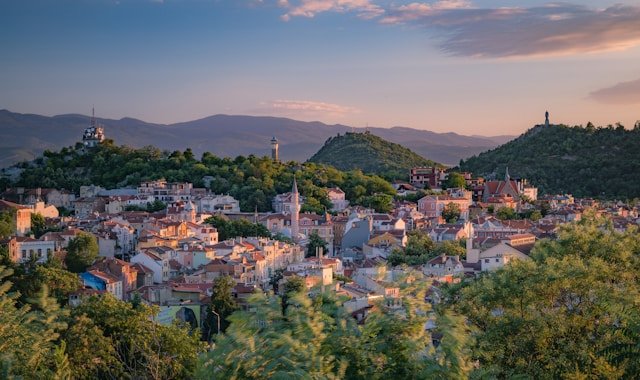
Introduction to Stojer
Stojer, pronounced as ‘stozher’ or often simplified in pronunciation, is a notable village located in the northeastern region of Bulgaria. This small yet significant locality boasts a rich history and plays a crucial role in the agricultural landscape of the area. Known for its fertile lands and favorable climate, Stojer has long been a hub for farming activities, contributing to the overall agricultural productivity of the region.
The village is characterized by its picturesque rural scenery, comprising rolling hills and expansive fields that support a variety of crops. Agriculture is not merely an economic activity here; it forms the very foundation of the village’s culture and community life. The residents of Stojer have historically engaged in farming, which has deeply influenced their way of life, traditions, and social structure.
Stojer’s historical significance extends beyond its agricultural relevance. The village reflects the architectural and cultural heritage of northeastern Bulgaria, showcasing traditional Bulgarian houses, community centers, and local landmarks that narrate the stories of its past. As visitors traverse through Stojer, they can observe remnants of bygone eras, including ancient agricultural practices that are still in use today.
As the village continues to evolve while preserving its historical roots, Stojer serves as a vivid example of how rural areas can maintain their agricultural practices while embracing modernity. It represents a connection between the past and present, and its importance is widely recognized among those who appreciate Bulgarian history and culture.
Geographic Location of Stojer
Stojer, a small village located in the Dobrichka municipality, occupies a noteworthy position in northeastern Bulgaria. The village is situated approximately 15 kilometers southwest of the regional center, Dobrich, and about 45 kilometers from the Black Sea coast and the city of Varna, which is known for its vibrant tourism and cultural attractions. Stojer’s location within the Dobrich province allows it to benefit from both the tranquil countryside and the proximity to urban conveniences.
The surrounding landscape of Stojer is predominantly characterized by agricultural land, which is typical of the Dobrich district, a region known for its fertile soils and farming heritage. This geographic placement not only fosters an agricultural economy but also presents picturesque views of rolling fields and traditional Bulgarian rural scenery. The village is easily accessible via well-maintained road networks leading to both Dobrich and Varna, thus serving as a convenient point for travelers wishing to explore the historical gems of the region.
Additionally, the geographical coordinates of Stojer allow it to enjoy a temperate climate, contributing to its agricultural productivity. This climatic condition has historically favored crop cultivation and livestock farming, enriching the local economy and lifestyle. As a result, the village is not just a residential area but also a hub that connects the rural essence of northeastern Bulgaria with the bustling activity found in the nearby towns. Overall, Stojer’s strategic location makes it a significant area for both residents and visitors alike, offering a blend of serene country living and easy accessibility to the more extensive urban environments of Dobrich and Varna.
The Historical Significance of Stojer
Stojer, a quaint village nestled in the northeastern part of Bulgaria, holds a remarkable historical significance, particularly in relation to its contributions to the agricultural development of the region. One of the most pivotal moments in Stojer’s history occurred in 1898 when it hosted an influential agricultural conference. This event attracted a multitude of farmers, scholars, and agricultural experts, all of whom came together to discuss pressing issues facing the Bulgarian peasantry and the nation’s agriculture sector.
The conference in Stojer acted as a catalyst for change, promoting progressive farming techniques and advocating for better policies to support the rural population. The discussions centered around enhancing crop yields, improving the quality of produce, and developing sustainable agricultural practices. As a result, a plethora of innovative farming methods were introduced, fostering a much-needed transformation in agricultural practices in Bulgaria. This initiative not only empowered local farmers but also strengthened their economic viability, contributing to the overall growth of the agrarian economy.
Moreover, the agricultural conference in Stojer can be seen as a critical juncture for the Bulgarian peasantry as it provided a platform for collective dialogue. Farmers exchanged ideas and experiences, which often led to the dissemination of knowledge about drought resistance and soil preservation. The outcomes of this event had significant implications, leading to increased awareness of the agriculture sector’s importance in national development and encouraging further investment in research and innovative practices.
In essence, the historical significance of Stojer lies not only in its picturesque views but also in its role as a site for intellectual and agricultural advancement. The 1898 conference marked a turning point for the local farming community, helping to shape the agricultural landscape of Bulgaria for years to come.
Agriculture in Stojer: Past and Present
The agricultural landscape of Stojer, a small village in northeastern Bulgaria, provides a fascinating glimpse into the region’s history and cultural evolution. Traditionally, agriculture has been the cornerstone of life in Stojer, with local farmers relying on time-honored methods to cultivate the land. Historically, the villagers implemented techniques inherited from their predecessors, focusing primarily on small-scale farming.
The primary crops cultivated in this area included grains such as wheat and barley, alongside vegetables like potatoes, cabbage, and beans. The natural climate and soil conditions have traditionally supported these crops, enabling local farmers to sustain their families and trade with neighboring communities. Livestock rearing played a significant role as well, with sheep, goats, and cattle being common, contributing to both agricultural diversity and additional sources of income.
As time progressed, the methods employed in Stojer’s agriculture began to undergo notable changes, particularly in the 20th century. The introduction of modern agricultural techniques, such as mechanization and the use of synthetic fertilizers, transformed traditional practices. These advancements have allowed for larger scale farming and higher yields, which in turn have influenced the region’s economy. However, this shift towards modernization also raised concerns regarding the environmental impact and sustainability of these practices.
In contemporary Stojer, a blend of traditional and modern methods coexists. Some farmers still adhere to age-old practices, focusing on organic farming and preserving local plant varieties, while others embrace more modern technologies. This dual approach aims to balance productivity with sustainability, highlighting the ongoing evolution of agriculture in Stojer. The dedication to their agricultural roots remains strong among the villagers, as they continue to nurture both the land and their cultural heritage.
Cultural Heritage of Stojer
The cultural heritage of Stojer, a picturesque village in northeastern Bulgaria, is deeply rooted in its traditions and communal practices. The local population has preserved a rich tapestry of customs that reflect the village’s agrarian history, significantly contributing to its cultural identity. Community festivals play a vital role in the social fabric of Stojer, offering residents and visitors alike a glimpse into the village’s vibrant way of life.
One of the prominent events in Stojer is the annual harvest festival, which celebrates the end of the agricultural season. This festival not only showcases the local produce, such as fruits and vegetables, but also features traditional folk music and dance performances. Such events foster a sense of unity among residents, as families come together to participate in various activities, from cooking traditional dishes to showcasing their crafts. This active engagement in cultural festivities underlines the significant role the community plays in sustaining and promoting their heritage.
Moreover, the agricultural practices in Stojer reflect a harmonious relationship between the community and the surrounding environment. Many residents continue to use traditional methods of farming, which have been passed down through generations. This commitment to preserving traditional agricultural techniques not only preserves historical knowledge but also enhances local biodiversity, thereby enriching the cultural landscape. Elderly members of the community often share stories and practices with younger generations, ensuring that the cultural legacy of Stojer remains alive.
In essence, Stojer’s cultural heritage encompasses a blend of vibrant festivals, traditional agricultural practices, and an active community. These aspects collectively reflect the identity of Stojer, solidifying its place in the broader tapestry of Bulgaria’s rural heritage. The ongoing dedication to preserving these cultural elements demonstrates a deep respect for the past and a commitment to future generations, making Stojer a true cultural gem in northeastern Bulgaria.
Notable Figures from Stojer
Stojer, a quaint village situated in northeastern Bulgaria, has been shaped significantly by various individuals whose contributions have left an indelible mark on its history and agricultural practices. Among the prominent figures from this area is Ivan Stoyanov, a pioneering agriculturalist in the early 20th century. Stoyanov was instrumental in introducing innovative farming techniques that uplifted the local agricultural output. His commitment to fostering sustainable agriculture practices helped transform the region into a hub of productivity.
Another noteworthy personality is Maria Danailova, known for her role in the cultural preservation of Stojer. As a local historian and educator, Danailova dedicated her life to documenting the village’s heritage. Through her efforts, she established a community archive that serves as a valuable resource for understanding Stojer’s past. Her work has ensured that the heritage of this small village is recognized, preserving stories from previous generations and passing them down to future ones.
Additionally, Stojer has produced its share of political figures, such as Aleksei Mihaylov, who served in the early governmental structures of Bulgaria after the liberation from Ottoman rule. His contributions to the political landscape were pivotal in establishing democratic practices in the region, thereby impacting not just Stojer but the broader context of Bulgarian governance during a transformative period in the nation’s history. These individuals exemplify the spirit of innovation, cultural enrichment, and civic engagement that has defined Stojer throughout its history.
Current Status and Economic Development of Stojer
Stojer, a quaint village situated in northeastern Bulgaria, showcases a dynamic economic landscape that has evolved over the years. Traditionally reliant on agriculture, the local economy is beginning to diversify, highlighting innovations that are shaping the future of the community. The fertile soil of the region supports various crops, allowing farmers to engage in both traditional and modern farming practices. Recent advancements in agricultural technology have introduced more sustainable farming methods, promoting eco-friendly practices while ensuring productivity.
In addition to agriculture, Stojer is witnessing a shift towards economic activities beyond the farming sector. Small enterprises and local businesses have started to emerge, catering to both residents and visitors. These include artisanal shops, food production facilities, and eco-tourism ventures aimed at capitalizing on the village’s historical charm and natural beauty. Such diversification not only enhances the local economy but also creates job opportunities, thereby reducing outmigration and retaining the population.
The commitment to sustainability is evident in Stojer’s recent initiatives aimed at promoting environmentally responsible practices. The local government, in partnership with various organizations, has launched programs encouraging organic farming and renewable energy use among residents. These initiatives are crucial for both enhancing the economic viability of Stojer while preserving the ecological integrity of the region.
In summary, the current status of Stojer portrays a community in transition. While agriculture remains a cornerstone of its economy, the village is embracing new opportunities that foster innovation and sustainability. As these developments continue, Stojer is poised to become a model for rural economic growth in Bulgaria and beyond.
Challenges Facing Stojer Today
Stojer, a small village in Northeastern Bulgaria, is encountering a range of contemporary challenges that threaten its sustainability and growth. One of the primary concerns is economic pressure. The village, with its limited resources, faces difficulties in attracting investments and creating job opportunities. The decline of traditional industries, coupled with global economic shifts, has made it increasingly challenging for residents to sustain a livelihood. Many locals have moved to urban areas in search of better employment prospects, leading to a demographic crisis in Stojer.
Moreover, climate change poses significant threats to the agricultural practices that many residents depend on. The region has experienced altered weather patterns, resulting in unpredictable rainfall and shifting seasonal temperatures. These changes jeopardize crop yields and the overall agricultural output, which is a key economic driver for the community. Farmers in Stojer are finding it increasingly difficult to adapt to these environmental shifts while maintaining their livelihoods.
Urbanization is another pressing issue. The trend of migration from rural to urban centers has left Stojer with a dwindling population, primarily as younger generations seek better opportunities in larger cities. This movement not only impacts the labor force but also results in an aging demographic, further straining local resources and infrastructure. Schools face declining enrollments, and essential services may become less viable, leading to a potential decline in the overall quality of life for the remaining residents.
In addition to these economic and social challenges, Stojer is grappling with the need for modernization. Infrastructure improvements are crucial for attracting visitors and new residents, yet funding for such projects is often limited. Ongoing investments in basic services, environmental sustainability, and local business support are necessary to counteract the negative impacts of these challenges and enhance the village’s viability in the modern landscape.
Conclusion and Future Prospects
Stojer, a quaint village nestled in Northeastern Bulgaria, serves as a vital piece of the historical tapestry that shapes the narrative of Bulgarian agriculture. This location not only boasts a rich cultural heritage but also embodies the agricultural advancements and practices that have been cultivated over generations. The significance of Stojer extends beyond its tranquil landscapes and historical architecture; it symbolizes the resilience and adaptability of rural communities in Bulgaria amidst changing economic conditions.
The village has been instrumental in sustaining traditional farming techniques that continue to influence practices within the region. Stojer’s farmers, with their deep-rooted knowledge, have contributed to the preservation of indigenous crops and livestock, which enhances both the agricultural biodiversity of Bulgaria and the local economy. This commitment to sustainable agriculture is crucial in today’s context of increasing global challenges such as climate change and food security. As Stojer continues to evolve, there is immense potential for integrating modern agricultural technologies that can enhance productivity while ensuring the preservation of its historical practices.
Looking ahead, the future prospects for Stojer encompass opportunities for agricultural tourism, which could attract visitors interested in experiencing authentic Bulgarian farming lifestyles. Initiatives to promote farm stays, culinary workshops, and local produce markets could not only provide an economic boost but also foster a greater appreciation for the region’s agricultural heritage. Moreover, collaborations with organizations dedicated to sustainable farming could assist in developing educational programs, ensuring that the knowledge and skills of local farmers are preserved for future generations.
In conclusion, Stojer stands as a testament to Bulgaria’s agricultural history and offers promising avenues for future development. Its role in the larger narrative of Bulgarian agriculture is significant, and with conscious efforts, it has the potential to thrive as both a historical gem and an active participant in the modern agricultural landscape.


We create powerful, insightful content that fuels the minds of entrepreneurs and business owners, inspiring them to innovate, grow, and succeed.