


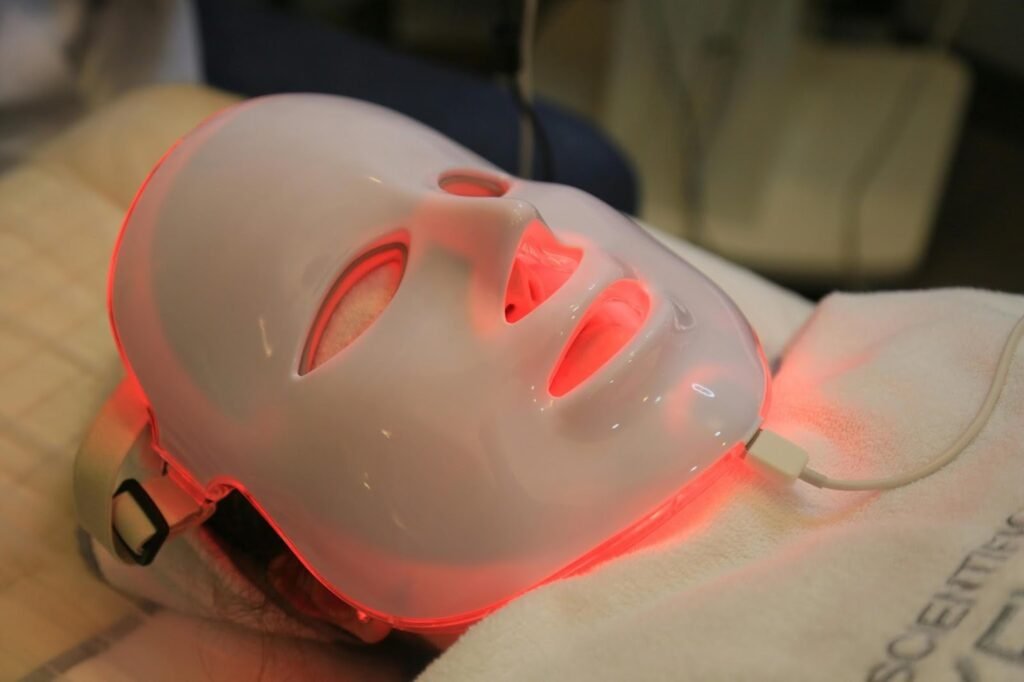
Light therapy has moved from labs to living rooms, easing pain. Certain wavelengths boost cellular energy, calm inflammation, and reset nerve signaling. Relief feels subtle, aches lessen, and mobility improves.
Results hinge on wavelength, dose, and routine. Treat light like cellular exercise: consistent, correctly dosed sessions, daily.
How Light Interacts With Pain Pathways
Light between roughly 600 and 1,000 nm is absorbed by mitochondrial chromophores, boosting ATP production that powers repair and modulates inflammatory messengers. With inflammation eased, pressure on nearby nerves declines, so pain signaling often quiets.
Nerves respond in other ways, too. Ion channels shift their behavior, changing how easily a nerve fires and dampening hyperexcitability. This helps explain the soothing, almost warming relief some feel after a session.
When the skin barely heats up, it is a biochemical nudge rather than simple heat. Because light is noninvasive, combine sessions with therapy, gentle strengthening, and good sleep habits.
From Clinic To Home
Before you shop, define your goals. Are you targeting a small joint or a broad area like the lower back? Do you want shorter sessions with higher irradiance, or longer sessions at a gentler dose? These choices determine form factor and output.
Many devices use visible red and near-infrared LEDs. If you are comparing options, consider beam spread, distance to skin, and session time, and note that red light therapy
has become a catch-all term that covers several wavelengths and power levels. The best device is the one that reliably delivers a dose to the actual target.
Plan where the device will live and when you will use it. A panel near a favorite chair makes consistent sessions easier than a unit that stays boxed in a closet. Ease of use keeps habits alive.
Evidence For Nerve-Related Pain
Light’s effects on small-fiber nerves are compelling. Calculating irradiance at the nerve, not the skin, separates effective from ineffective doses. Simply put, energy that reaches the nerve predicts pain modulation. A neuromodulation study strengthened this dose-at-target view, identifying protocols that achieved small-fiber nerve block.
This shift matters when superficial dosing fails. Deep or entangled nerves may need positioning and a session length that accounts for tissue depth. The aim is simple: deliver adequate energy where biology happens, not just where the beam begins.
For users, set up mindfully. Keep distance consistent, angle to reduce reflection, and allow time for tissues to receive energy.
Big-Picture Evidence Across Conditions
Zooming out, a review gathered work on light for neuropathic pain and pointed to a favorable safety profile with promising benefits. The authors concluded that photobiomodulation is a safe option that may help manage nerve pain, while noting variability across protocols. That balance, potential benefit with careful application, is exactly what most people need to hear.
Why the variability? Studies differ in wavelength, pulse patterns, treatment schedules, and where the light is aimed. Small changes add up, making some trials look stronger than others. The takeaway is customization.
If you have a mixed pain picture, part inflammatory, part neuropathic, keep records. Track which locations you treat, how long, and what you feel 24 hours later. Patterns emerge quickly when you write them down.
Setting Up A Practical Routine
Start with shorter sessions to gauge skin response and comfort. Many people use 5 to 10 minutes per spot, several times per week, then step up gradually. Relief often comes in layers, better movement, then reduced baseline pain.
Make light part of an evening wind-down if pain flares at night. Calmer nerves can support better sleep, which in turn supports recovery. Morning sessions can prime stiff joints before activity.
Quick Start Tips
- Place the device close enough to maintain a steady dose across the whole target.
- Treat fewer areas thoroughly rather than many areas briefly.
- Log session time, distance, and next-day pain so you can tweak with data.
Safety, Contraindications, And Expectations
Most people tolerate these wavelengths well, but expectations should stay realistic. A 2024 meta-analysis in a rehabilitation journal found that light reduced pain at rest compared with a placebo, but the certainty of evidence was low. The authors did not recommend using light alone, but they implied it works best inside a broader program.
That perspective aligns with day-to-day experience. When light is paired with gentle loading, mobility work, and sleep improvements, progress tends to stick. If pain is complex or rapidly worsening, see a clinician to rule out red flags.
Eyes deserve protection. Do not stare directly into bright LEDs, and avoid treating over active malignancy or areas your clinician specifically excludes. If you are photosensitive or on photosensitizing medication, get medical guidance first.

Light-based pain relief is simple and nuanced. Simple because sessions are easy to perform at home, nuanced because dose and placement shape outcomes. Start conservatively, track what you do, and adjust based on your notes.
As the research grows, the picture sharpens. Evidence suggests these methods can reduce pain for some people when combined with movement, recovery, and clinical guidance. Your plan needs to be consistent.


We create powerful, insightful content that fuels the minds of entrepreneurs and business owners, inspiring them to innovate, grow, and succeed.