


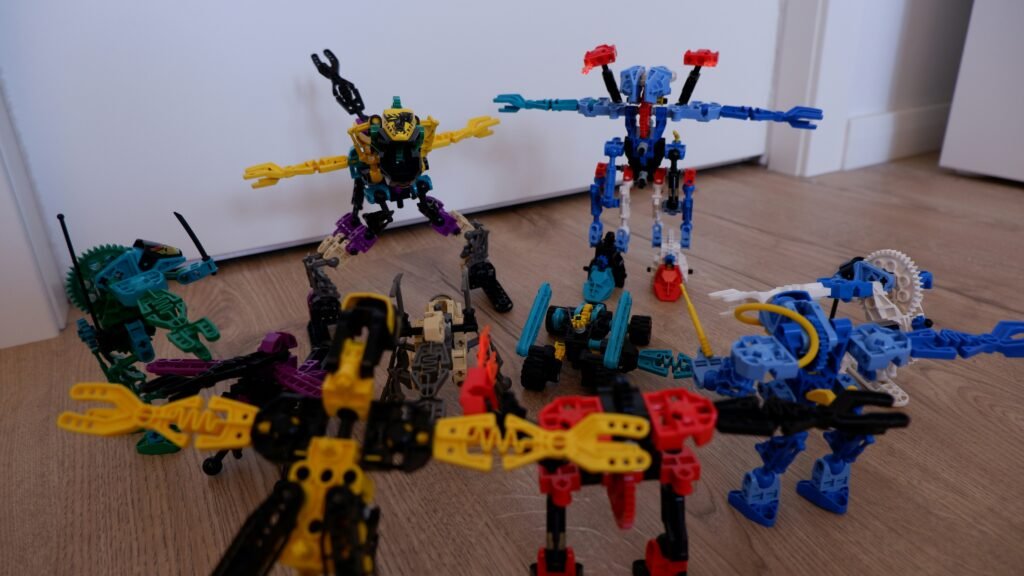
The Importance of STEM Education for Kids
STEM education, encompassing science, technology, engineering, and mathematics, plays a crucial role in the early development of children. By engaging young learners in STEM-related activities, we foster critical thinking and problem-solving skills that are vital in the ever-evolving modern world. This foundational knowledge not only cultivates inquisitive minds but also prepares children for future academic pursuits and career opportunities.
Integrating robotics for kids into STEM curriculums serves as a dynamic approach to teaching complex concepts. The hands-on experience gained through building and programming robots enables children to understand abstract ideas in a tangible way. For instance, when kids design a robot, they learn basic engineering principles and the significance of structure and function in technology. Such practical applications make learning exciting and relevant, sparking a genuine interest in scientific exploration.
Moreover, robotics challenges children to work collaboratively, enhancing communication and teamwork skills. These social competencies are essential in fostering a cooperative spirit in educational settings and in future work environments. As children face challenges in robotics projects, they learn perseverance and resilience, equipping them with the ability to tackle difficulties head-on.
An additional benefit of integrating robotics into STEM education is the development of computational thinking. As children engage in coding and debugging their robotic creations, they acquire skills in logical reasoning and algorithmic thinking. These skills are increasingly important, as various industries are relying on technology and automation. Ultimately, the significance of STEM education combined with robotics for kids cannot be overstated, as it lays the groundwork for creating the innovators of tomorrow.
Understanding Robotics: What is It?
Robotics is an interdisciplinary field that encompasses the design, construction, operation, and use of robots. At its core, robotics integrates principles from various domains, including mechanical engineering, electrical engineering, computer science, and even cognitive psychology. The application of these fields allows for the creation of machines capable of performing tasks traditionally done by humans, often in environments that are too dangerous or complex for people to navigate.
For beginners, robotics for kids can seem daunting due to its diverse components and technical language. However, at its fundamental level, robotics involves some critical elements: sensors, actuators, and control systems. Sensors collect data from the robot’s surroundings, enabling it to perceive its environment—whether this be through cameras, microphones, or specialized sensing devices. Actuators, on the other hand, are the components that perform the robot’s physical actions. They can be motors that move joints, wheels, or any other mechanisms that allow the robot to interact with the world.
Control systems play a vital role as well, acting as the brain of the robot. These systems process the data received from the sensors and determine the appropriate actions the robot should take. By writing programs or employing algorithms, learners interested in robotics for kids can dictate how robots respond to their environment, enhancing the learning experience and sparking creativity.
Ultimately, the field of robotics for kids lays a robust foundation for understanding technology and engineering concepts. Through hands-on activities that blend creativity with technical skills, children can explore how various components interact within a robotic system, preparing them for future advancements in technology and engineering disciplines.
Benefits of Introducing Robotics to Children
Incorporating robotics for kids into educational settings offers a multitude of benefits that significantly enhance children’s learning experiences. One of the primary advantages involves the development of problem-solving skills. When children engage with robotics, they are confronted with various challenges that require critical thinking and innovative solutions. As they design, build, and program their robots, they learn to analyze situations, identify problems, and devise systematic approaches to tackle them. This hands-on experience translates to improved analytical skills applicable across diverse subjects.
Enhanced creativity is another significant benefit associated with robotics for kids. Participation in robotics programs encourages children to think outside the box and explore different ways to create functional robots. This process allows them to express their ideas visually and functionally, fostering an environment where creativity flourishes. Through trial and error, they learn to embrace failure as a learning opportunity, a valuable mindset that nurtures innovation.
Furthermore, robotics captivates children’s interest, leading to increased engagement in learning. The interactive nature of robotics stimulates curiosity, as children often find technology appealing. When they see their robots come to life, their enthusiasm for learning can surge, encouraging them to delve deeper into related subjects such as science, technology, engineering, and mathematics (STEM). This heightened engagement not only enriches their understanding of concepts but also encourages persistent exploration and inquiry.
In summary, the introduction of robotics for kids yields numerous benefits, including enhanced problem-solving abilities, boosted creativity, and increased engagement in learning. By participating in robotics education, children are better equipped to navigate the challenges of the future while fostering a love for learning.
Age-Appropriate Robotics Options
When considering robotics for kids, it’s essential to select kits and tools that align with their age and skill level. This tailored approach enhances the learning experience, making it both enjoyable and educational. Various robotic kits cater to different developmental stages, interests, and abilities.
For younger children, typically aged 4 to 8, simple robotic kits such as Bee-Bot or Osmo are excellent entry points. These kits frequently use basic programming principles through engaging, hands-on activities. They promote problem-solving and critical thinking, laying a foundation for more advanced concepts in robotics.
As children progress to ages 8 to 12, they can venture into more complex robotics kits like LEGO Education SPIKE or Snap Circuits. These kits allow children to build and program their robots, fostering creativity while also introducing them to engineering principles. The integration of coding languages, such as Scratch, enhances their understanding of technology and encourages logical reasoning.
For older kids and teens, aged 12 and above, advanced robotics kits such as VEX Robotics or Arduino provide in-depth learning experiences. These kits often involve more sophisticated components and require a fundamental understanding of coding and electronics. Young innovators can tackle exciting challenges that integrate science, technology, engineering, and math (STEM) concepts, preparing them for future endeavors in technology and engineering fields.
Overall, choosing the right robotics kits based on age and skill level enhances the learning experience in robotics for kids. With each stage, children can explore their interests while developing essential skills, ultimately fostering a deeper understanding of robotics and its applications in real-world scenarios.
Hands-On Learning: Building and Programming Robots
The process of building and programming robots serves as a captivating entry point into the world of robotics for kids. At the heart of this journey lies the engagement of tactile and cognitive skills, which are essential for comprehensive learning. Children begin by assembling the various components of a robot, which often includes a chassis, motors, sensors, and a microcontroller. This assembly process fosters a hands-on learning experience, allowing young minds to translate abstract concepts into tangible creations.
While constructing their robots, children enhance their fine motor skills through the manipulation of small parts. This practice requires a level of dexterity and coordination, promoting physical development and encouraging problem-solving. For instance, when a child faces difficulty in connecting a sensor correctly, they learn to troubleshoot and adapt, solidifying their understanding of cause and effect.
Once the construction phase is completed, the next step involves programming the robot to perform specific tasks. Programming introduces children to the foundational principles of coding, an essential skill for the future. By utilizing user-friendly programming languages or block-based coding platforms, children can dictate the robot’s movements and reactions. This aspect of robotics for kids not only enhances logical thinking but also cultivates creativity, as children can experiment with different algorithms to achieve desired outcomes.
Additionally, through the programming process, children develop computational thinking, a critical skill in today’s technology-driven world. As they learn to break down complex tasks into manageable steps, they foster an analytical mindset that can be applied in various disciplines. The combination of building and programming reinforces the idea that failure is part of the learning process; if a robot does not operate as expected, children are encouraged to iterate their designs and codes, further deepening their understanding.
In conclusion, the hands-on experience of building and programming robots provides children with a unique opportunity to enhance not only their technical skills but also their cognitive and problem-solving capabilities. Through this engaging process, robotics for kids becomes not just an educational activity but a gateway to a future of possibilities in science and technology.
Critical Thinking and Logic Development through Robotics
Engaging in robotics for kids provides a dynamic platform for fostering critical thinking and logical reasoning skills. As children work on building and programming robots, they are presented with complex problems that require analytical skills to devise effective solutions. This hands-on experience not only stimulates curiosity but also encourages a deeper understanding of how technology can solve real-world challenges.
One exemplary activity in this space is the construction of a simple robot using a robotics kit. Children must plan the robot’s design, considering aspects such as balance, stability, and functionality. This activity encourages them to think critically about the challenges they may face. For instance, while affixing wheels for mobility, they must reason through why certain wheel sizes will affect the robot’s ability to navigate specific terrains, thereby honing their problem-solving skills.
Programming the robot introduces another layer of logical reasoning. Kids learn to use coding languages that dictate their robot’s behavior, necessitating a structured thought process. An excellent exercise involves programming the robot to follow a maze. Children must logically determine the correct sequence of moves to enable their robot to reach the end, requiring them to think ahead and assess the consequences of each action taken.
Additionally, group activities, such as robotic challenges or competitions, foster teamwork and collaborative critical thinking. While working together, children must negotiate ideas, strategize their approach, and incorporate feedback from peers, which further strengthens their logical reasoning skills.
These engaging activities clearly demonstrate how robotics for kids can seamlessly integrate critical thinking and logic development into a fun learning experience. It opens avenues for creativity while ensuring that children are equipped with essential life skills that will benefit them in future endeavors.
Screen-Free Robotics Activities for Kids
When it comes to robotics for kids, engaging children in screen-free activities can inspire creativity and hands-on learning. There are a multitude of options that allow kids to explore the world of robotics without the use of screens, fostering both their problem-solving skills and their ability to work collaboratively.
One effective way to introduce robotics concepts is through building kits that utilize tangible parts. For instance, kits that allow children to construct simple machines or robotic models out of LEGO bricks or other building materials can be particularly beneficial. These kits not only encourage physical interaction but also enhance spatial awareness and engineering skills as children plan and execute their designs.
Another exciting screen-free activity is organizing scavenger hunts that involve simple robotics tasks. Children can work in teams to search for specific materials needed for a project, such as gears, pulleys, or even recyclable items that can be transformed into robotic components. This activity not only promotes creativity but also helps in developing critical thinking as they strategize on how to use their found items.
Hands-on workshops focused on simple circuitry or programmable robots can be organized without reliance on screens. By utilizing conductive materials, such as copper tape, batteries, and LED lights, children can create their own projects such as a light-up greeting card or a mini robot that moves when connected to a battery. These activities demonstrate foundational principles of robotics in an engaging manner.
Finally, fostering storytelling through robotics can lead to exciting group projects. Each child can be assigned a role in the creation of a robotic-themed puppet show or a performance that incorporates their invented robots. This method promotes teamwork, imaginative thinking, and the practical application of robotics concepts in a creative format. Engaging in such screen-free activities not only enhances the learning experience but reinforces the joy of creating fascinating robotic inventions.
Parent and Educator Roles in Robotics Education
As the interest in robotics for kids continues to grow, the involvement of parents and educators becomes increasingly important in nurturing this enthusiasm. Supporting children in their robotics journey can lead to significant educational benefits, enhancing problem-solving skills, creativity, and teamwork abilities. To effectively contribute to this development, both parents and educators can adopt various strategies that foster an enriching environment for learning robotics.
One of the primary roles of parents is to create a supportive atmosphere at home. This can be achieved by providing access to robotics kits, educational games, and online resources that encourage exploration. Parents can engage with their children by participating in robotics activities, such as building simple robots together or visiting exhibitions that highlight advances in robotics technology. These shared experiences can motivate children to delve deeper into the subject and spark their imagination.
Educators, on the other hand, can incorporate robotics for kids into the school curriculum. By integrating robotics into lessons, teachers can make subjects like science, technology, engineering, and mathematics (STEM) more engaging and applicable to real-world scenarios. Providing opportunities for hands-on learning through competitions and projects can also help solidify concepts while teaching essential collaboration and communication skills.
In addition to these roles, both parents and educators can emphasize the importance of a growth mindset. Encouraging children to view failures as learning opportunities rather than setbacks can significantly enhance their resilience and persistence in tackling challenges associated with robotics for kids. Parents and educators should celebrate achievements, no matter how small, and support the exploration of new ideas and solutions in robotics.
Ultimately, the combined efforts of parents and educators in supporting children’s interests in robotics can create a robust framework for learning. By fostering an environment that prioritizes exploration and creative thinking, children can develop a lasting passion for robotics that enriches their educational journey.
Future of Robotics in Education
The future of robotics for kids is poised for fascinating transformations as technology continues to advance rapidly. Educational robotics, a vital component in nurturing the next generation of thinkers and creators, is expected to evolve significantly in the coming years. The integration of artificial intelligence (AI) into educational programs will enhance the capacity for personalized learning experiences. This means educators can tailor robotics curricula to meet individual students’ strengths and interests, fostering deeper engagement in the subject matter.
Moreover, the advent of more sophisticated robotics kits will empower children to create even more complex projects. As manufacturers develop modular and more accessible robotics components, children from various backgrounds can engage in hands-on experience, working on collaborative projects that emphasize problem-solving and critical thinking skills. The potential of these kits lies not only in teaching basic programming but also in inspiring innovation, as students can experiment with newfound tools to bring their ideas to life.
In addition, the incorporation of augmented reality (AR) and virtual reality (VR) in robotics education is likely to revolutionize how children interact with learning materials. These technologies can provide immersive simulations that bridge the gap between physical robots and their digital counterparts. For instance, a student might use VR to explore the inner workings of a robot, which could enhance their understanding of programming and mechanics without the risks associated with physical assembly.
Furthermore, as online education continues to gain traction, virtual robotics competitions and workshops may become commonplace. This global approach would allow children from different parts of the world to collaborate on projects and compete, fostering a sense of community and collaboration among young roboticists. Industry partnerships may also play a crucial role in enabling access to cutting-edge technologies and resources, ensuring that students are prepared for careers in an increasingly automated world.
Overall, as technology makes strides, the future of robotics for kids promises a rich landscape of opportunities that will transform education and inspire creativity and innovation among children.


We create powerful, insightful content that fuels the minds of entrepreneurs and business owners, inspiring them to innovate, grow, and succeed.