
Project Management Skills That Make You an Effective Leader
Great project leaders mix structure with empathy: they set a clear destination, build simple plans, and help people do their best work without extra noise. This guide breaks down the skills that matter most, from crisp communication to visual mapping and steady risk habits.
You will find practical moves you can try with your team this week. Keep it simple, keep it human, and let the work speak for itself.
Clarity of Vision and Scope
Leaders set the destination and keep it visible. Before plans and tools, write a simple problem statement, a definition of done, and the boundaries of the work. Keep that scope short and share it frequently so the team can recall it without checking a deck.
Good scope discipline reduces churn. When new ideas arrive, note them, then decide if they belong now or later. Use a small change log to store out-of-scope work so people feel heard and you protect the plan.
Visual Thinking and Process Mapping
Pictures move people faster than paragraphs. When a process stalls, sketch the steps and handoffs so blockers become visible. Teams find wasted loops and missing owners once they see the flow.
In many cases, you can speed up the process. Use a UML diagram tool online to capture systems and behaviors in a shared canvas, and the diagram becomes a living reference that the team can update together. Keep the shapes simple and the labels short so anyone can read them.
Use just enough notation for the job. If a swimlane or sequence diagram explains the story, stop there. A diagram that people use is better than one that is complete but ignored.
Planning That Stays Flexible
Make a plan that is easy to understand and easy to change. A roadmap with 3 to 5 milestones and rough timing is often enough to start. Add details only when you are close to execution.
Flex planning does not mean guessing. Timebox decisions, set review points, and tune the plan based on outcomes. If a milestone slips, adjust future scope or resources instead of pushing everything to the right.
Communication That Reduces Noise
Your job is to remove confusion. Set a short update rhythm for the core team and a slower rhythm for stakeholders. Use the same sections every time: goals, status, risks, decisions, and asks.
Strong leaders choose the right channel for the message. Use chat for quick answers, docs for decisions, and meetings for tricky topics. At the end of each meeting, restate decisions and owners so no one leaves guessing.
Prioritization and Ruthless Focus
You will always have more work than time. Choose what matters, explain why, and say no to the rest. Tie every task to an outcome, not a feeling of progress.
A simple scoring list can help the team align:
- Impact on the goal
- Effort to deliver
- Risk is reduced if done now
- Time sensitivity or deadlines
- Owner capacity this week
Recheck priorities weekly. When something drops in rank, say it aloud. Clear tradeoffs build trust and keep the team focused on results.
Data Sense and Metrics That Matter
Measure what helps you steer. A small set of leading and lagging indicators keeps attention on outcomes. Examples include cycle time, on-time milestone rate, defect escape rate, and value delivered per sprint.
One industry study of modern project work found an average performance rate of 73.8% across respondents, reminding leaders that consistent, visible measures matter to keep execution on track. Use that lesson to pick a short dashboard and make it part of your weekly narrative. When a number moves, explain why and what you will try next.
Leading People Through Change
Projects are changing, and people need context, safety, and repetition to move with you. Share the why, say what will not change, and give clear first steps. Repeat the message in writing and in voice.
Modern guidance for PPM leaders recommends leaning into new technologies like AI to boost efficiency and decision speed, but pairing them with strong communication and guardrails so teams do not feel replaced. Offer small pilots, invite feedback, and highlight wins from early adopters. Change lands well when people see benefits in their day-to-day work.
Treat 1:1s as your most important meeting. Ask what is in their way, what they are proud of, and where they need help. Coaching builds confidence and grows leaders who can run without you. Close with clear action items and a quick energy check so you know how to support them next week.
Stakeholder Management Without the Drama
Stakeholders need the right signal at the right time. Map them by interest and influence, and tailor how often and how deeply you update them. Busy sponsors want a crisp dashboard and the 3 things you need from them.
When tough news arrives, be direct, own the impact, and bring options. A clear path forward beats a long explanation of causes. Keep a record of decisions and expectations so later debates focus on outcomes.
A quick RACI clarifies who decides, who is consulted, and who just needs awareness. Share the escalation path and response times so issues move without friction. Invite key stakeholders to demos, ask for feedback in writing, and confirm what you heard. When you adjust scope or timing, restate what changes, what stays, and what you need from them next.
Building a Culture of Learning
Retros are a place to thank people, note what worked, and pick 1 or 2 improvements to test next cycle. Keep notes in a shared doc and follow up on the chosen actions.
Make learning visible. Share short write-ups of experiments the team tried, even when they did not pan out. A culture that learns in small steps avoids big failures later.

Leadership shows up in the rhythm of everyday choices. When you keep scope tight, share progress openly, and decide fast, teams feel safe to execute. Use visuals to align, metrics to steer, and coaching to grow new leaders. Do these small things with care, and your projects will run smoother, faster, and with less stress.
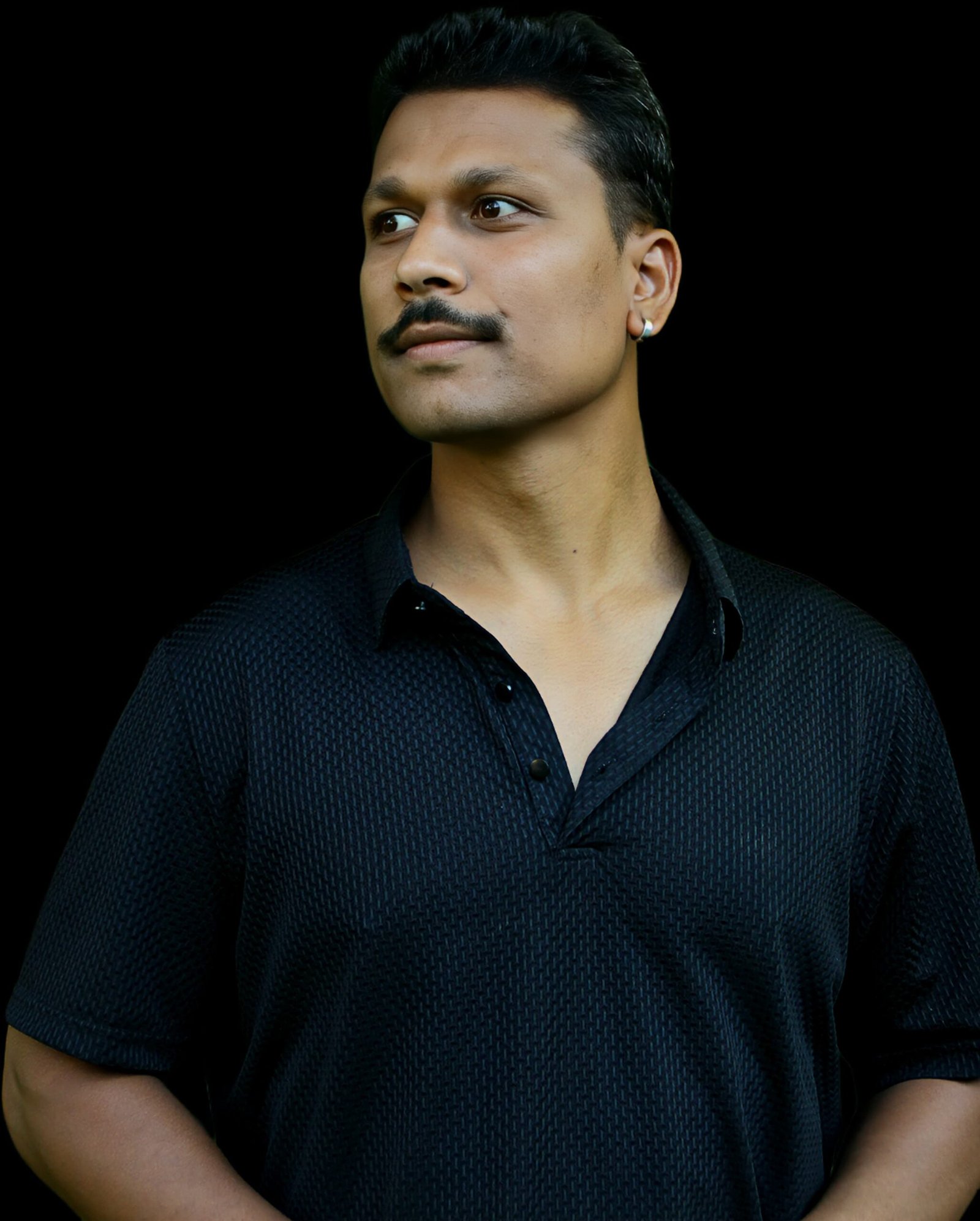
Sujan Pariyar is a passionate travel writer and digital nomad expert based in Kathmandu, Nepal. Having lived and traveled extensively while balancing remote work and volunteering projects, he brings firsthand experience to topics like work exchange programs (Worldpackers and Workaway), digital nomad visas for 2026, budget destinations, and building a location-independent lifestyle.
In addition to travel content, Sujan creates in-depth articles on business strategies, digital marketing, and entrepreneurship — helping readers turn their wanderlust into sustainable income streams. His writing style blends honest reviews, detailed comparisons, and actionable tips drawn from real trips, community interactions, and ongoing research into evolving travel policies.
Sujan has contributed to various platforms over the years and is committed to creating trustworthy, up-to-date guides that empower travelers to make informed decisions. Follow his adventures and insights as he continues to explore the world while documenting practical ways to travel smarter in 2026 and beyond.