


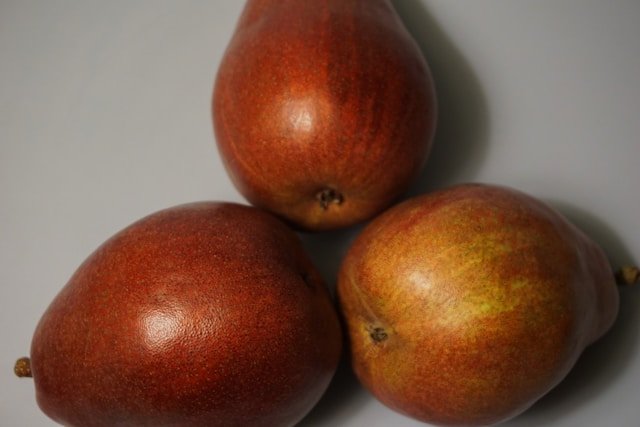
Introduction to the Navigator Pear
The Navigator Pear, scientifically known as Pyrus x ‘durpsn303’, has gained recognition for its unique combination of aesthetic appeal and hardiness. This ornamental deciduous tree showcases a rounded canopy and provides an attractive focal point in various landscapes. Its ability to thrive in challenging urban environments makes the Navigator Pear particularly sought after in city settings, especially where space is at a premium.
One of the key features that sets the Navigator Pear apart is its impressive adaptability. It can flourish in a wide range of soil types, making it an ideal choice for urban planners and homeowners alike. This resilience, combined with its moderate growth rate and manageable size, allows it to fit seamlessly into smaller gardens and streets, catering to the demands of modern urban living.
Moreover, the ornamental attributes of the Navigator Pear enhance its appeal. In spring, the tree erupts with clusters of white blossoms, followed by lush green foliage throughout the summer months. These characteristics not only add beauty to the landscape but also provide a habitat for local wildlife. The vibrant fall color, often presenting shades of yellow and orange, further solidifies its status as a landscape favorite.
As cities continue to grow and evolve, the importance of incorporating plants like the Navigator Pear becomes increasingly significant. Urban areas benefit from the environmental advantages offered by trees, including improved air quality and reduced heat islands. Consequently, the Navigator Pear emerges as a practical and visually appealing choice for urban greening initiatives, solidifying its role as a valuable asset in contemporary horticulture.
Physical Characteristics of the Navigator Pear
The Navigator Pear, scientifically known as Pyrus x ‘durpsn303’, is distinguished by its elegant and narrow pyramidal shape that contributes to its aesthetic appeal in landscaping. Typically, this tree reaches a height ranging from 6 to 8 meters, making it a suitable choice for those looking to add height without overwhelming their garden or yard space. Its well-formed structure allows it to stand out among other species, creating a focal point in its surroundings.
One of the remarkable features of the Navigator Pear is its spring blossoms, which herald the arrival of warmer months. The flowers, often white and star-shaped, emerge in abundant clusters, attracting pollinators and enhancing the beauty of the tree. These blossoms not only signify the change in seasons but also provide a stunning visual display that can brighten any landscape during the spring.
As summer progresses, the Navigator Pear showcases robust foliage characterized by glossy green leaves that provide a lush backdrop. This dense canopy is not only aesthetically pleasing but also serves practical purposes, such as shade provision and air quality improvement. As fall approaches, the tree transitions to a vibrant display of colors, with foliage that can turn to hues of orange and yellow, creating a rich tapestry of autumn colors. This seasonal transformation further emphasizes the versatility and beauty of the Navigator Pear throughout the year.
In conclusion, the Navigator Pear stands out with its unique physical characteristics, offering an impressive height, beautiful spring blossoms, lush summer foliage, and captivating fall colors, making it a valuable addition to any garden or landscape design.
Ideal Growing Conditions for the Navigator Pear
The Navigator Pear (Pyrus x ‘durpsn303’) is a premium cultivar known for its exceptional fruit quality and resilience. To achieve successful cultivation, it is essential to provide the ideal growing conditions tailored to its specific needs. The sunlight requirement for the Navigator Pear is significant; it thrives in full sunlight, necessitating at least six to eight hours of direct sunlight each day. Sufficient sunlight enhances fruit production and flavor, contributing to the pear’s appeal.
In terms of soil types, the Navigator Pear prefers well-drained, loamy soil that is rich in organic matter. A pH level between 6.0 and 7.5 is optimal, allowing for the necessary nutrient availability. Heavy clay soils should be avoided as they tend to retain excess moisture, which can lead to root rot and other physiological disorders. Incorporating compost or well-rotted manure can significantly improve soil structure, aeration, and fertility, encouraging healthier growth and an abundant yield.
When it comes to climate preferences, the Navigator Pear is ideally suited for temperate regions with defined seasons. It typically requires a chilling period to produce fruit successfully, which is provided by cooler temperatures during winter months. However, a warm growing season is also crucial for fruit development. It is advisable to plant the Navigator Pear in USDA hardiness zones 5 through 8, where it can flourish with the right balance of warmth and winter chill. Careful attention to these environmental factors will ultimately result in a robust growth cycle, leading to a fruitful harvest from this outstanding pear variety.
Planting and Care Instructions
Planting the Navigator Pear, scientifically known as Pyrus x ‘durpsn303’, requires careful attention to detail for optimal growth and productivity. The first step is to select an appropriate site. Choose a location that receives full sun for at least six to eight hours a day, as this encourages healthy fruit production. Ideally, the soil should be well-drained, rich in organic matter, and slightly acidic to neutral in pH.
Once the site is selected, you should prepare the planting hole. Dig a hole that is twice as wide and the same depth as the root ball of the Navigator Pear. Amend the soil with compost or well-rotted manure to enhance nutrient content. Gently loosen the roots and position the tree in the center of the hole, ensuring that the graft union is above soil level.
After positioning the Navigator Pear, backfill the hole with soil, pressing down gently to eliminate air pockets. It is crucial to water the tree thoroughly after planting to facilitate root establishment. Apply a 2-3 inch layer of mulch around the base to retain moisture and regulate soil temperature, being careful to keep mulch away from the trunk.
Ongoing care for the Navigator Pear includes regular watering, particularly during dry periods. A deep watering once a week is generally recommended in the absence of rain. Fertilization should occur in early spring; a balanced fertilizer, such as 10-10-10, can help promote healthy growth. Pruning is essential for shaping the tree and encouraging strong branch development. This should ideally be done during the dormant season to minimize stress on the tree.
In conclusion, by following these detailed planting and care instructions, you can cultivate a healthy and productive Navigator Pear tree in your garden. Attention to sunlight, soil quality, watering routines, and pruning will foster its growth and enhance fruit yield in the coming seasons.
Benefits of the Navigator Pear in Urban Landscapes
The Navigator Pear (Pyrus x ‘durpsn303’) has gained significant recognition for its robust performance in urban environments. One of the primary advantages of this tree is its exceptional aesthetic appeal. With its glossy green leaves that turn vibrant shades of yellow in fall, along with clusters of white flowers in the spring, the Navigator Pear enhances the visual landscape of city streets, parks, and residential areas. This seasonal transformation not only adds beauty but can also uplift the urban atmosphere, making the tree a favored choice among landscape architects and city planners.
Another key benefit of the Navigator Pear is its ability to provide substantial shade. Given that urban areas often suffer from heat island effects, the strategic planting of Navigator Pear trees creates enjoyable, cooler spaces for residents. The broad canopy formed by this tree provides respite from the sun, making it a perfect addition to sidewalks, patios, and recreation areas. This shading capability can also contribute positively to energy conservation, reducing the need for air conditioning in nearby buildings.
Moreover, the Navigator Pear exhibits remarkable adaptability to challenging urban conditions. It can thrive in various soil types, exhibit resistance to pests and diseases, and tolerate air pollution, making it a highly resilient urban tree. Furthermore, its moderate size makes it suitable for smaller spaces without overwhelming surrounding structures. Collectively, these advantages make Navigator Pear an ideal candidate for enhancing urban landscapes, fostering remarkable aesthetic appeal, and contributing to the ecological health of city environments.
Common Pests and Diseases
The Navigator Pear, a variety of Pyrus x ‘durpsn303’, is susceptible to a range of pests and diseases that can hinder its growth and fruit production. Recognizing these threats early is crucial for effective management and maintaining a healthy tree.
One of the most common pests is the pear psylla (Cacopsylla pyricola), which feeds on the sap of young leaves and can significantly weaken the tree. An infestation can lead to leaf curling and reduced fruit quality. Management strategies include regular monitoring, ensuring good air circulation around the tree, and using insecticidal soap as a control measure.
Another pest to watch for is the codling moth (Cydia pomonella), which targets the fruit. The larvae burrow into the pears, causing blemishes and internal damage. To combat this pest, farmers and gardeners should implement a combination of sanitation practices, such as removing fallen fruit, and using pheromone traps to monitor and reduce the moth population.
In terms of diseases, fire blight is a particularly damaging bacterial infection that can affect the Navigator Pear. Symptoms include wilting and blackening of blossoms and leaves, resembling a scorched appearance. Prevention includes selecting resistant varieties, avoiding excessive nitrogen fertilization, and proper pruning techniques to enhance air flow.
Another disease of concern is powdery mildew (Podosphaera clandestina), which presents as a white powdery coating on leaves. This can lead to stunted growth and reduced fruiting if left untreated. Management often involves maintaining proper watering practices, spacing trees adequately, and applying fungicides when necessary.
In conclusion, the Navigator Pear can thrive despite potential pest and disease challenges. By implementing proactive monitoring and management strategies, growers can greatly enhance the health and productivity of this unique pear variety.
Seasonal Interest and Visual Appeal
The Navigator pear (Pyrus x ‘durpsn303’) is a striking addition to any landscape design, boasting a dynamic appearance that evolves with the changing seasons. In spring, this tree captivates observers with its profuse white blossoms, which emerge amid delicate green leaves. This floral display not only provides aesthetic pleasure but also serves as an important early nectar source for pollinators, making it an environmentally beneficial choice for gardens.
As spring transitions into summer, the Navigator pear showcases lush green foliage that lends a refreshing ambiance to the landscape. The leaves retain a vibrant hue throughout the summer months, contributing to a cool and inviting outdoor environment. This rich summer green creates a perfect backdrop for other blooming plants and hardscape features, enhancing the overall garden aesthetic.
Upon the arrival of autumn, the Navigator pear exhibits its most dramatic transformation. The leaves take on captivating hues of yellow, orange, and red, offering a stunning display that can rival any fall foliage. This seasonal shift not only adds visual excitement but also complements the changing landscape, creating a warm and inviting atmosphere as the weather cools. The tree’s sculptural form remains attractive even as the leaves fall, allowing the distinct shape and structure to stand out in winter.
In essence, the Navigator pear enhances exterior design all year round, adapting visually to the seasons while consistently serving functional purposes. Its ability to provide blooms in spring, dense foliage in summer, and vibrant colors in fall makes it an exemplary choice for those wishing to incorporate dynamic and seasonal interest into their gardens. By selecting such a tree, landscape designers can create a diverse and engaging setting that delights throughout the year.
Landscape Design Ideas Featuring the Navigator Pear
The Navigator pear (Pyrus x ‘durpsn303’) stands out as a stunning addition to various landscape designs, thanks to its attractive foliage, vibrant fruit, and adaptable growing conditions. When integrating this remarkable tree into both gardens and urban settings, certain creative strategies can enhance its aesthetic appeal while fostering a harmonious environment.
One popular approach is to use the Navigator pear as a focal point in a mixed border. This can be achieved by planting it alongside perennials such as daylilies, coneflowers, or ornamental grasses, which thrive in similar conditions. Their complementary colors and textures will draw attention to the pear tree while creating an inviting garden atmosphere. Additionally, consider incorporating seasonal flowering plants that bloom at varying times, providing year-round interest.
Another effective landscaping idea is to group several Navigator pears to create an eye-catching installation within a larger park or garden space. Spacing these trees appropriately—generally 15 to 20 feet apart—ensures they have room to grow and develop their characteristic canopies. This arrangement not only creates a visually appealing character but also promotes biodiversity, providing habitats for various wildlife.
In urban settings, the Navigator pear can serve as an excellent street tree. Its dense canopy provides shade, while its moderate size allows for easy navigation of sidewalks. Partnering the pear with low-growing shrubs or ground cover plants like creeping thyme or sedum can enhance the streetscape and reduce maintenance needs. Additionally, urban planners can use this variety to soften hardscapes and help mitigate urban heat island effects.
Incorporating the Navigator pear into your landscape design not only beautifies the space but also enhances biodiversity and functionality. With thoughtful planning and companion planting, this versatile tree can thrive in various settings, from residential gardens to bustling city environments.
Conclusion and Final Thoughts
In conclusion, the Navigator Pear, scientifically known as Pyrus x ‘durpsn303’, presents a multitude of features that make it an admirable choice for both avid gardeners and landscape enthusiasts. This hybrid pear tree not only boasts a striking aesthetic appeal with its attractive foliage and abundant white blossoms in spring, but it also yields an impressive harvest of small yet delicious fruit. The Navigator Pear’s fruit is known for its sweet flavor, making it a delightful addition to various culinary dishes, from desserts to salads.
Another noteworthy characteristic of the Navigator Pear is its adaptability to a range of soil types and climatic conditions. This resilience ensures that it can thrive in diverse garden environments, making it an ideal selection for homeowners and landscapers alike. Additionally, its relatively low maintenance requirements make it accessible for individuals at varying levels of gardening experience. With proper care, the Navigator Pear is capable of creating not only visual interest but also contributing to local biodiversity.
Furthermore, the Navigator Pear tree showcases impressive resistance to common diseases and pests, further enhancing its reputation as a sustainable and practical choice for any garden. Alongside its ornamental and practical benefits, planting a Navigator Pear can contribute positively to local ecosystems, attracting beneficial pollinators and enriching soil health.
For all these reasons, the Navigator Pear is recommended for anyone seeking to elevate their landscapes with a fruit tree that is both ornamental and functional. Whether you are looking to add culinary delights to your kitchen or simply beautify your outdoor space, the Navigator Pear offers a perfect solution. Embrace the potential of this exceptional tree and consider adding it to your garden for a fruitful and enjoyable experience.


We create powerful, insightful content that fuels the minds of entrepreneurs and business owners, inspiring them to innovate, grow, and succeed.