



Insulation plays a critical role in maintaining a comfortable indoor environment, regardless of the weather outside. Whether during sweltering summers or icy winters, effective insulation works tirelessly to keep your home pleasant.
Understanding the basics of insulation, from its types to its installation, empowers homeowners to make informed decisions that enhance both comfort and energy efficiency. This guide will cover various aspects of insulation, providing insights into how you can achieve optimal climate control in your home.
What is Insulation and Why is it Important?
At its core, insulation is a material designed to resist the flow of heat. It works by reducing heat transfer between the inside of your home and the outside environment, thus helping to maintain a consistent temperature.
Insulation is crucial for several reasons. It improves energy efficiency, lowers heating and cooling costs, and enhances indoor comfort by ensuring that temperatures remain steady year-round.
Well-insulated homes are less likely to suffer from cold drafts and temperature fluctuations. According to the U.S. Department of Energy, homeowners can save an average of 15% on their energy bills by properly insulating their homes. This reduces expenses and has a positive impact on the environment by lowering energy consumption.
By maintaining better thermal control, insulation helps create a more livable space that can accommodate your family’s needs more comfortably.
Types of Insulation
There are several types of insulation materials available, each serving unique purposes based on where they are installed in a home. Here’s a breakdown of the most common types:
- Fiberglass Insulation
- Cellulose Insulation
- Spray Foam Insulation
- Mineral Wool Insulation
Fiberglass insulation is widely used for its cost efficiency and effectiveness, available in batts or loose-fill forms that provide excellent thermal resistance and long-lasting, non-combustible protection.
Cellulose insulation, made from recycled paper treated with fire retardants, offers an eco-friendly option with a higher R-value than fiberglass and can be blown into irregular spaces.
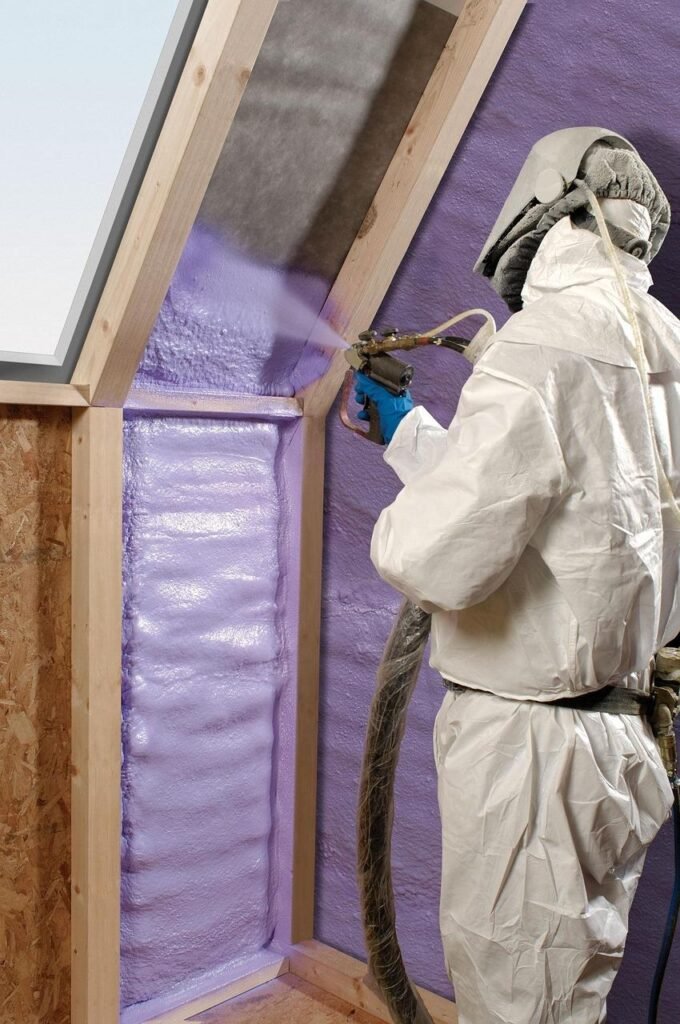
Spray foam insulation expands upon application to seal gaps and cavities, acting as both an insulator and air barrier for maximum energy efficiency.
Mineral wool (rock wool or stone wool) provides fire-resistant insulation with excellent soundproofing properties, making it ideal for areas requiring noise reduction.
How to Insulate Your Home
When it comes to insulation installation, there are a few different approaches homeowners can take. For those with DIY skills, certain types of insulation, such as fiberglass batts or cellulose, can be installed with relative ease.
For spray foam or hard-to-reach areas, hiring a professional might be the better choice. Consideration of local building codes, safety regulations, and experience with insulation installation are key factors in the decision-making process.
If you decide to go the professional route, reach out to specialists who understand your specific needs and offer tailored solutions on how to insulate roofing effectively for optimal energy efficiency. Working with qualified insulation experts ensures proper installation techniques, compliance with building codes, and long-term performance that protects your investment and maximizes energy savings.
Energy Efficiency and Insulation
The relationship between insulation and energy efficiency is straightforward. Effective insulation reduces the energy required for heating and cooling. The EPA recognizes that adequate insulation can save homeowners hundreds of dollars annually in energy costs.
To achieve the best results, it’s crucial to assess your home’s insulation effectiveness, including performing a home energy audit. Professional energy auditors can identify problem areas and recommend improvements that can lead to significant savings.
Regular maintenance, such as checking for gaps or wear, ensures your insulation continues to perform at its best. In colder climates, this may involve managing moisture barriers to prevent mold and condensation, which can negatively impact insulation performance.
Common Insulation Myths
Misconceptions about insulation are widespread, which can lead to unnecessary spending or poor insulation choices. One common myth is that thicker insulation always equals better insulation. This is not always true.
The type of material and its R-value are critical factors in determining effectiveness. Another myth is that insulation is only necessary in cold climates. In warmer regions, insulation helps keep homes cool in summer, reducing the burden on air conditioning systems.
Understanding these myths can help homeowners make informed decisions that will lead to better outcomes for comfort and savings.

Maintaining Your Insulation
Once insulation is installed, it’s important to perform regular inspections to ensure its effectiveness. Look for signs such as drafts, cold spots, or moisture issues, which can indicate that your insulation may not be performing as needed.
Insulation can settle, sag, or become compressed, diminishing its performance. Proper maintenance includes addressing any leaks in air ducts, fixing structural issues that could allow drafts, replacing damaged insulation, and verifying that air barriers remain intact. Keeping up with these tasks ensures long-lasting performance from your installed insulation.
Investing in quality insulation is a crucial step in maintaining a comfortable home environment. From understanding the types of insulation available to recognizing the best places to insulate, homeowners can make choices that lead to enhanced comfort and energy efficiency.
Whether opting for a DIY approach or enlisting the help of experts, the benefits of effective insulation far exceed initial costs. By taking control of your home’s insulation, you’ll create a more pleasant living space and achieve remarkable savings on your energy bills.


We create powerful, insightful content that fuels the minds of entrepreneurs and business owners, inspiring them to innovate, grow, and succeed.