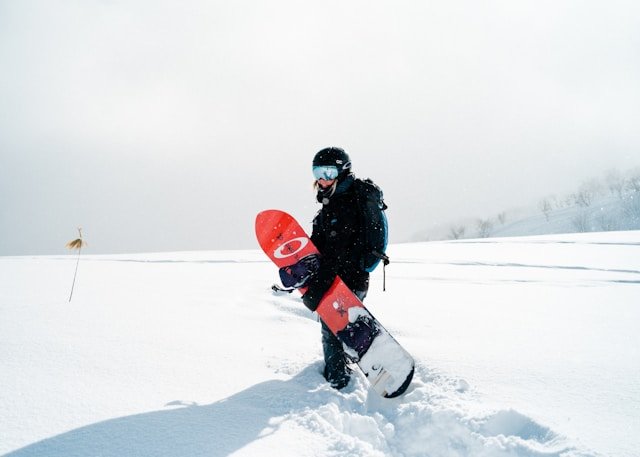
How to Snowboard A Beginner's Guide to Mastering the Slopes
Introduction to Snowboarding
Snowboarding is a thrilling winter sport that has gained immense popularity over the years, attracting both adventurous enthusiasts and those looking to enjoy the great outdoors. With its roots in surfing and skateboarding, snowboarding offers a unique blend of freedom, excitement, and challenge, making it a preferred choice for many winter sports lovers. The sport involves descending snow-covered slopes while standing on a board that is attached to the rider’s feet, allowing for dynamic turns and jumps.
At the heart of this exhilarating experience is the essential snowboarding equipment, which includes the snowboard itself, boots, bindings, and protective gear. The snowboard varies in size and shape, tailored to different styles and skill levels. Beginners typically use a softer board, which is more forgiving and easier to maneuver, while seasoned riders may opt for stiffer boards that allow for greater control and speed. Selecting the right snowboard is crucial for newcomers aiming to learn how to snowboard effectively.
Additionally, snowboarding boots provide stability and comfort, ensuring that the rider has the necessary support while navigating the slopes. Bindings serve as the connection between the boots and the board, allowing for optimal control during turns and stops. It is advisable for beginners to invest in quality gear that fits well, as this significantly enhances their learning experience and overall safety.
As you embark on your journey to master this sport, understanding the different aspects of snowboarding and having the right equipment will play a pivotal role in developing your skills. By equipping yourself with the appropriate knowledge and gear, you will be better prepared to embrace the thrill and excitement that snowboarding has to offer.
Essential Gear for Snowboarding
When embarking on your journey on how to snowboard, having the right equipment is crucial for both performance and safety. The primary components of your snowboarding gear include the snowboard, boots, bindings, and essential safety equipment.
The snowboard itself is a central piece of equipment. Snowboards come in various sizes, shapes, and flex ratings. Selecting the right size typically depends on your height and weight; a general guideline is that the board should reach somewhere between your chin and nose when stood upright. Additionally, consider the type of riding you plan to do: freestyle, all-mountain, or powder, as each style demands different board specifications.
Next, snowboarding boots play an equally critical role in your experience on the slopes. Boots should provide both comfort and support. They come in two primary types: soft and hard boots. Beginners may prefer soft boots since they offer easier mobility and flexibility. Ensure that the boots fit snugly without causing discomfort, as this can affect your overall control and balance.
Binders connect your boots to the snowboard and play a significant role in your performance. Properly fitted bindings allow for a seamless transfer of energy from your feet to the board, enhancing your ability to maneuver. Look for bindings that are comfortable and adjustable, as this enables fine-tuning to your personal preference.
Safety gear should never be overlooked when learning how to snowboard. Helmets are essential in protecting your head from falls, while wrist guards can prevent injuries during spills. Additionally, consider wearing knee pads and padded jackets designed for snowboarding, especially for beginners who are still getting accustomed to balancing on the board.
By carefully selecting the right equipment tailored to your skill level and the snow conditions, you set yourself up for a safe and enjoyable snowboarding experience. Investing in quality gear not only enhances your performance but also increases your confidence on the slopes.
Understanding Snowboarding Basics
For those interested in learning how to snowboard, understanding basic concepts is crucial for a successful experience on the slopes. The first aspect to consider is stance, which can be categorized as either regular or goofy. A regular stance means having your left foot forward, while a goofy stance means the right foot is in front. Determining your natural stance is essential, as it influences your balance and control when navigating the board.
Weight distribution plays a pivotal role in how to snowboard effectively. Beginners should practice shifting their weight between their back foot and front foot, as this control aids in steering and maneuvering. When turning, shifting your weight towards your toes or heels is necessary for executing smooth transitions. Balancing your weight evenly on the board can help in maintaining stability, especially during descents or when navigating uneven terrain.
Balance is another critical component of snowboarding that beginners must master. Good balance allows snowboarders to maintain control over their movements, whether going downhill or attempting to carve turns. To develop balance, novices can practice standing on the board on flat surfaces before heading to the slopes. Engaging in exercises that enhance core strength and overall body coordination can also prove beneficial in improving balance while snowboarding.
By understanding the foundations of bowling down the slopes—such as stance, weight distribution, and balance—beginners will set themselves up for success as they embark on their snowboarding journey. These fundamental principles lay the groundwork for more advanced techniques and help build confidence, ultimately leading to a more enjoyable snowboarding experience.
Mastering One-Footed Skating
One-footed skating is an essential skill for any beginner looking to become proficient at snowboarding. It provides the necessary mobility to navigate the slopes and assists in building confidence while on the board. To effectively practice this technique, you should begin by strapping in only your lead foot. The rear foot will remain free, allowing for better balance and control as you experiment with your movements.
The initial step involves finding a gradual slope or a flat area where you can practice without the concern of falling. Once you have determined your practice spot, begin by gliding forward with your front foot while ensuring that your weight is evenly distributed. It is crucial to keep your knees slightly bent to maintain balance. As you gain momentum, utilize your free foot to push off the ground, propelling yourself forward and practicing controlled turns.
As you become more comfortable in this one-footed stance, focus on incorporating gentle shifts in your weight and exploring different movements. These may include simple lateral slides, gentle turns, and even occasional stops. It is important to recognize how shifting your weight affects your direction and speed, as these small adjustments can significantly impact your overall control while snowboarding.
Another effective way to enhance your one-footed skating ability is to observe other snowboarders. This observation can provide valuable insights into different techniques and styles, helping beginners understand how to snowboard more effectively. Incorporating these elements into your skill set will ultimately contribute to your versatility on the slopes. Mastering one-footed skating is not only a foundational skill, but it also prepares you for more advanced techniques as you progress in your snowboarding journey.
Heel-Side Edge Control
Mastering heel-side edge control is crucial for beginners learning how to snowboard effectively. This technique allows snowboarders to slow down, stop, and navigate turns with confidence. To begin, ensure that your weight is evenly distributed over your board while maintaining a slight lean into your heels. Proper body positioning is essential; your knees should be slightly bent, and your upper body should remain facing downhill, which helps in maintaining balance.
When initiating a heel-side turn, shift your weight gently towards your heels while pressing down with your heels into the board. This action engages your heel edge, enabling the board to carve effectively into the snow. It is important to keep your head up and eyes focused on where you want to turn. This visual cue not only helps with maintaining balance but also ensures you remain oriented in the direction of your movement.
As you practice this technique, you’ll want to experiment with varying degrees of pressure on your heel edge. Applying too much force can lead to catching an edge and falling, while too little pressure can cause loss of control. Finding a sweet spot will enhance your overall ability on the slopes. To develop your skills further, consider practicing heel-side slides on gentle terrain where you can focus on controlling your speed and direction without the pressure of steeper slopes.
Additionally, practicing with a friend or an instructor can provide valuable feedback, helping you refine your technique. Over time, you will gain the confidence necessary to integrate heel-side edge control into your overall snowboarding repertoire, facilitating a smoother transition to more complex maneuvers. By mastering this key skill, you will be better equipped to navigate various terrains and enjoy your snowboarding experience thoroughly.
Toe-Side Edge Control
Mastering toe-side edge control is an essential skill for anyone learning how to snowboard. This technique involves shifting your weight onto the toes of your feet, allowing for smooth and controlled turns on the slope. To begin, it is crucial to practice standing on your snowboard in a comfortable stance, ensuring your knees are slightly bent, and your body is positioned with your weight centered over the board.
Once you feel balanced, start practicing by gradually leaning forward to shift your weight onto your toes. This shift will engage the toe-side edge of the board, allowing it to grip the snow effectively. Start on a gentle slope where you feel safe and can focus on maintaining control. As you lean into the turn, remember to keep your body aligned with the board—your head should be looking in the direction of your turn, while your shoulders and hips should follow suit.
Confidence is key when learning how to snowboard efficiently. Practice makes perfect, and the more you understand and implement toe-side edge control, the more comfortable you will become. Additionally, incorporating drills such as side-slips and gradual toe-side turns will help build your edge control and speed management. Gradually increase the difficulty by practicing on steeper slopes as you become more confident with the technique.
Learning to effectively transition onto your toe-side edge is a rewarding aspect of snowboarding. Take your time, remain patient with your progress, and continuously reflect on your body movements and balance. This attention to detail will enhance your overall ability on the board. As you become proficient in toe-side edge control, you will experience increased confidence, making your time on the slopes more enjoyable and fulfilling.
Learning Controlled Turns on Gentle Slopes
For beginners venturing into the world of snowboarding, mastering controlled turns is a crucial skill that greatly enhances the overall snowboarding experience. Starting on gentle slopes provides an ideal environment to practice and refine these techniques without overwhelming yourself. Controlled turns are essential for navigating safely down the mountain while maintaining balance and speed.
To perform a turn, there are two primary techniques to focus on: heel-side turns and toe-side turns. The heel-side turn is executed by leaning back slightly on your heels, engaging the board’s edge into the snow. This action allows you to pivot smoothly, shifting your direction with controlled speed. Conversely, the toe-side turn requires shifting your weight forward, pressing down onto the front of the board to initiate the turn. Both techniques require practice to achieve fluidity, but learning how to snowboard effectively means incorporating these moves into your routine.
In addition to mastering these turning techniques, it is paramount to maintain a low center of gravity during your runs. By bending your knees and slightly lowering your stance, you enhance your stability on the board, which further aids in performing controlled turns. A lower center of gravity helps absorb any changes in terrain and allows for quicker reactions to shifts in balance. As you become more comfortable on gentle slopes, focus on transitioning between heel-side and toe-side turns seamlessly.
Consistent practice on gentle slopes will greatly enhance your confidence and skill level before progressing to steeper terrains. Remember, the key to learning how to snowboard lies in patience, practice, and a strong commitment to mastering the basics, such as controlled turns.
Effective Practice Strategies for Snowboarding
Snowboarding can be an exhilarating yet challenging activity, especially for beginners. To truly grasp how to snowboard, effective practice is essential. One key aspect of improving your skills on the slopes is consistency. Frequent sessions allow you to build muscle memory, making movements feel more natural over time. Aim to practice regularly, even if it is for shorter durations. This consistency will enable you to absorb techniques and understand body positioning better.
Another important factor is setting specific goals for each session. Instead of merely going down the slope, focus on one aspect of your technique at a time, such as carving, stopping, or jumping. By dedicating time to refine these skills, you will notice gradual improvement, which can be incredibly motivating. Document your progress, as seeing how far you’ve come can encourage you to continue pushing your limits.
Repetition plays a crucial role when learning how to snowboard. It helps solidify the techniques you have learned. For instance, practicing a particular turn repeatedly can enhance your control and balance. However, it is vital to avoid burnout. Break up practice with fun activities that allow you to enjoy your time on the slopes, such as riding with friends or tackling new routes. This balance between focused practice and enjoyment is paramount. Snowboarding should ultimately be fun, and this positive mindset can enhance your ability to learn.
In conclusion, becoming proficient in snowboarding requires both dedication and enjoyment. By prioritizing consistent practice, setting specific goals, and incorporating fun into your learning experience, you will be well on your way to mastering how to snowboard. Embrace the journey, remain patient, and celebrate each success along the way.
The Importance of Snowboarding Lessons
When embarking on the exciting journey of learning how to snowboard, the significance of taking lessons from certified instructors cannot be overstated. For beginners, the learning curve can be steep, and having a professional guide can facilitate a smoother introduction to the sport. First and foremost, certified instructors provide a structured learning environment that emphasizes safety, which is crucial for novice snowboarders. These instructors are trained to assess individual abilities and can identify potential hazards that a beginner might overlook.
Moreover, snowboarding lessons accelerate the learning process by employing proven teaching techniques tailored to the student’s skill level. Professionals have the experience necessary to break down complex maneuvers into manageable components, allowing learners to progress swiftly through foundational skills. This is particularly important for understanding balance, turning, and stopping — all essential skills for mastering how to snowboard effectively.
Another key advantage of embarking on lessons is the opportunity to receive constructive feedback. Instructors can observe students’ techniques closely, offering personalized advice to improve posture and maneuverability. This feedback fosters better learning and helps prevent the development of bad habits that can hinder progress in the long run. Furthermore, working with an instructor reduces the risk of accidents, ensuring that beginners are equipped with the necessary knowledge to navigate the slopes safely.
Lastly, the social aspect of snowboarding lessons can enhance the overall experience. Engaging with fellow learners fosters camaraderie and provides an encouraging environment that can motivate individuals to push their limits. In conclusion, enrolling in snowboarding lessons not only improves safety and skill acquisition, but also enriches the overall enjoyment of the sport.

We create powerful, insightful content that fuels the minds of entrepreneurs and business owners, inspiring them to innovate, grow, and succeed.