


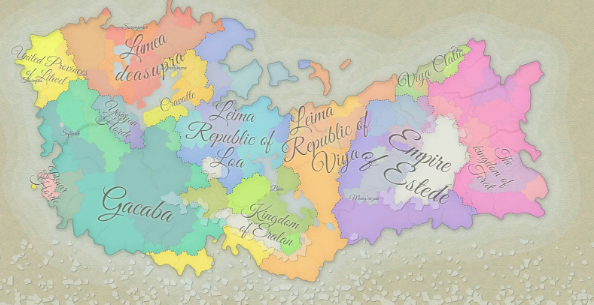
Fun projects thrive on curiosity. Picking a global region at random can turn a simple idea into something playful, surprising, and memorable. Whether the goal is a classroom activity, a creative writing prompt, or a game night challenge, choosing places outside your usual orbit adds energy to the process.
Selecting arbitrary regions does not need deep planning or heavy research. With the right approach, the choice itself becomes part of the fun. The sections below break down practical ways to select regions across the globe and turn those picks into enjoyable projects.
Define the Purpose Before Picking a Region
Every fun project benefits from a clear sense of purpose, even if it’s just for entertainment or creative exploration. Knowing the reason behind selecting a region helps shape the entire activity and makes the process feel intentional rather than arbitrary. For example, if the goal is to create a geography quiz, you might prioritize countries with interesting facts or diverse landmarks. If it’s a cooking challenge, you could focus on regions with unique cuisines. Even a simple art or writing project gains depth when you have an idea of what you want participants to explore or achieve.
Thinking about the purpose also influences how broad or narrow your selection can be. A short, casual project might work best with one country or a single city, keeping it simple and manageable. A more ambitious effort, like a multi-week creative challenge or educational series, could involve multiple regions across different continents, encouraging participants to compare cultures and ideas. Considering the purpose upfront ensures that the regions chosen will inspire creativity, maintain interest, and fit the project’s overall tone. It also helps prevent selections that feel random in a way that could frustrate participants, turning what might seem like a fun activity into a confusing or overwhelming experience.
Set Simple Boundaries to Guide Selection
Boundaries keep random choices interesting instead of overwhelming. These limits can focus on continents, population size, climate, or cultural traits. A project about food might limit choices to coastal regions or island nations.
Clear boundaries help avoid decision fatigue. They turn a massive globe into a manageable set of options, making the random selection feel intentional rather than scattered.
Let Random Choice Tools Do the Heavy Lifting
Random selection removes bias and adds surprise. In a project built around discovery, that surprise is often the highlight. Tools that automate selection save time and keep things fair, particularly in group settings. Using a random country generator inside a creative workflow adds structure without killing spontaneity. The tool can spark ideas that would never surface through manual picking. Once a country appears, the project can adapt around that result and move forward with momentum.
Balance Familiar Regions With New Discoveries
Familiar places offer comfort. New regions bring excitement. Mixing both keeps projects approachable while pushing creative limits. A writing challenge might pair a well-known country with one rarely discussed.
This balance works well in educational settings. Learners connect faster with known regions, then stretch their understanding by exploring unfamiliar ones. The contrast builds interest and keeps attention high.
Turn Regions Into Prompts, Not Just Locations

A region works best as a starting point, not the entire project. The location can inspire prompts tied to history, daily life, or natural features. A randomly chosen desert nation could lead to a design challenge focused on heat management.
Thinking in prompts keeps the activity flexible. The same region can support many different project types without feeling repetitive.
- Cultural prompt based on traditions or holidays
- Visual prompt inspired by landscapes or architecture
- Story prompt centered on local myths or modern life
- Game challenge using regional facts or symbols
Rotate Regions to Keep Projects Fresh
Repeating the same regions in multiple projects can quickly make the experience feel predictable and stale. To keep things exciting, it helps to actively rotate your focus between continents, countries, or even smaller regions like states or provinces. This rotation introduces a natural variety, giving each project a unique flavor and sparking new ideas that wouldn’t appear if you stick to familiar areas. For instance, if one project explores Western Europe, the next could jump to Southeast Asia or South America, opening doors to new cultural insights, historical contexts, and creative challenges. Over time, this approach also builds a more comprehensive understanding of the world, since participants are exposed to a wider array of customs, landscapes, and languages.
Selecting arbitrary global regions can be playful, purposeful, and surprisingly effective. With light boundaries, a clear goal, and smart use of random selection, fun projects gain energy and originality. Each new region becomes an invitation to explore ideas that might otherwise stay hidden, keeping creative efforts fresh and enjoyable.


We create powerful, insightful content that fuels the minds of entrepreneurs and business owners, inspiring them to innovate, grow, and succeed.