


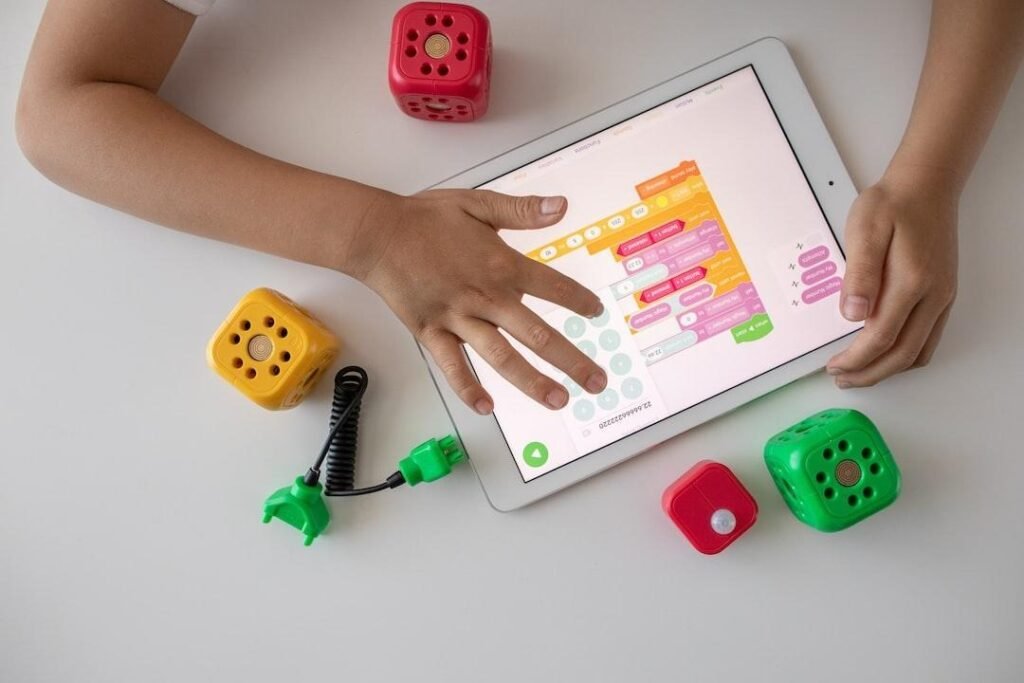
Great visuals don’t win a trial by themselves, but they do influence how people perceive the evidence. When your exhibits make the story obvious, jurors stop guessing and start tracking with you. The goal is to help fact finders see what you see, exactly when you need them to see it.
Build a Story Spine Before Graphics
Stories stick because they follow a spine. Map yours as situation, spark, struggle, and shift. Each beat should link to at least one piece of admissible proof.
Keep the spine human. Replace jargon with everyday words. If a term is technical, add a short parenthetical in plain language. Two simple sentences often beat one long clause that tries to do everything.
Turn Facts Into Frames
Translate your spine into frames the way filmmakers do. Each frame should show one action, one actor, and one result. Label it with the exact exhibit or testimony you will use to support it.
Your storyboard is a checklist for collaboration. Bring in forensic visualization experts to pressure-test the sequence with you. They will spot missing transitions, propose clearer angles, and flag anything that risks confusing the finder of fact.
When a frame is crowded, split it. If the juror must read a paragraph to understand a diagram, it’s not a diagram yet. Aim for a clean focal point per frame, with supporting elements that can appear step by step.
Choose the Right Medium For the Moment
Not every idea deserves an animation. Some facts sing as a still image, a labeled photo, or a clean timeline. Reserve motion for change, invisible processes, or causal chains that are hard to grasp in a single view.
Think about your audience mix. Trial graphics land best when tuned to what today’s jurors already consume: short, clear visuals that mirror the way people learn on screens. That means minimal clutter, predictable sequencing, and typography that they can parse at a glance.
Quick medium picker:
- Still graphic – when one snapshot tells the story without extra steps.
- Step-through build – when you need control over attention in small jumps.
- Animation – when movement or mechanism is the evidence.
- Interactive model – when scale, rotation, or perspective changes matter.
Make Complexity Legible
Complex evidence becomes fair when you make it legible. Turn dense records into layered timelines with consistent scales. Keep time on the horizontal axis and avoid decorative tricks that bend or break scale.
Visual aids simplify the path from data to meaning while staying faithful to the record. Treat that as a design rule: simplify presentation, not substance. If a simplification risks changing the substance, it’s the wrong one.
Use progressive disclosure. Start with the bare timeline, add actors, key events, and quantitative ranges. Each pass should add clarity, not noise. If a layer does not earn its place, remove it.
Design For Memory Under Stress
Trials are noisy environments. Jurors juggle new terms, long days, and social dynamics. Your visuals must carry through fatigue and distraction. That is where memory-focused design becomes your ally.
Participants exposed to well-structured visuals showed stronger knowledge retention than those who received text alone. Build for that effect with consistent icon sets, repeated color coding for roles, and predictable slide structures. Repetition is not boring when it removes friction.
- Use short captions that state the point in 12 words or fewer.
- Keep typography simple and large enough to read from the back row.
- Align elements to a grid so eyes know where to land next.
- Repeat layouts for similar ideas so only the content changes.
Pressure-Test For Accuracy and Admissibility
Beauty is worthless if it is not accurate. Tie every visual element to a citation in your work file. If the label says “2.4 seconds,” the source document and page number should be one click away. Build a habit of versioning so you can show what changed, when, and why.
Admissibility starts early. Ask whether the visual fairly represents the evidence and whether its probative value beats any risk of prejudice. When in doubt, prepare a still-image backup that can stand on its own if animation is limited. Keep a record of sources, assumptions, and scale choices so you can explain them cleanly.
Coach the Narrative and Deliver the Evidence Right
Even the best visual falls flat if the narration meanders. Rehearse with your deck until you can present each frame in one crisp sentence, then add a second sentence that ties it back to the verdict. Keep your pointer work slow and steady so the audience can follow your hand.
Control pacing with silence. After a key reveal, stop talking for two beats. Let the room absorb the picture, and ask a short, focused question that invites the witness to fill in the critical link. This rhythm keeps attention high without feeling rushed.


Clear visuals turn dense records into stories that people can follow, test, and remember. When every frame ties to evidence, and every step serves the verdict, your narrative builds trust instead of friction.
Pair disciplined design with careful coaching, iterate with real feedback, and keep ethics front and center. Do that, and your exhibits won’t just look sharp: they will help jurors see causation, understand stakes, and reach a decision with confidence.

Sujan Pariyar is a Senior Editor at Silicon Valley Times. He has extensive experience in business, technology, and entrepreneurship journalism, with previous contributions to HuffPost, Thrive Global, Matador Network, and other international publications.
Sujan specializes in interviewing industry leaders and creating insightful, well-researched content that helps entrepreneurs and business professionals navigate innovation, growth, and strategic challenges. His writing focuses on delivering clear, substantive perspectives that inform and support decision-making in today’s dynamic business environment.