


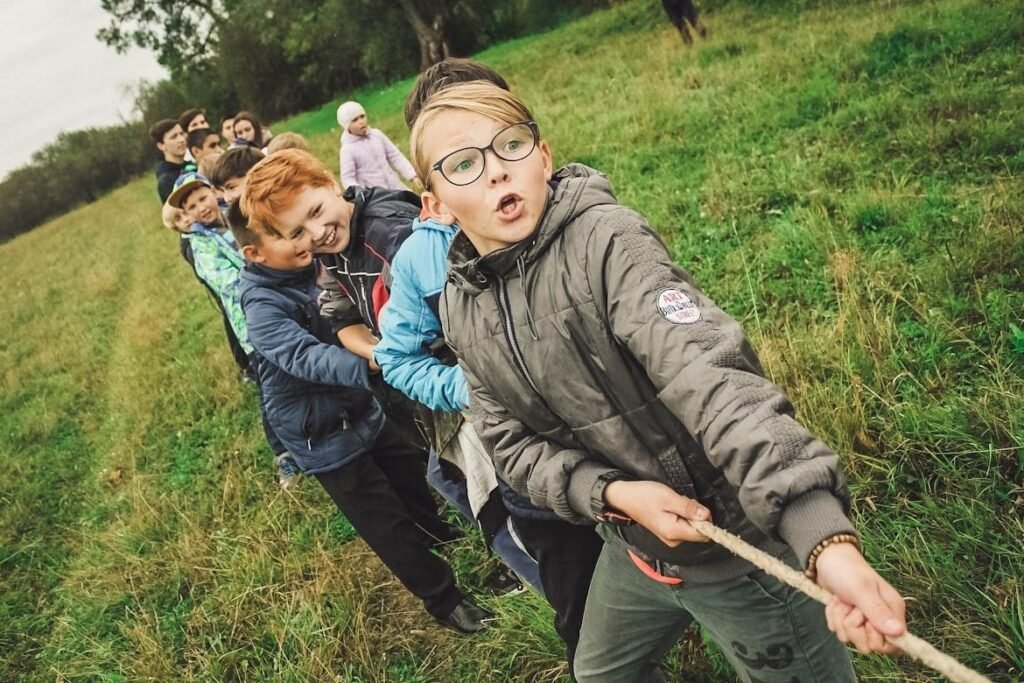
Summer camp can be more than crafts and campfires. When a program is built around growth, kids and teens practice the same habits that push them forward in school, sports, and life. They get room to try, fail, adjust, and try again – all while feeling supported and safe.
What Development-Focused Camps Do
These camps set clear goals, create time to practice, and end the day with short reflections. Families often compare choices, and overnight camps in CT, with their mix of structure and freedom, can make that balance feel doable. Counselors guide progress without over-rescuing, so campers start solving problems on their own.
Schedules blend skill blocks with free play. Kids get daily chances to plan, decide, and live with the results – then adjust. That cycle builds ownership.
Small wins stack up fast. A camper who masters a knot today tackles a harder climb tomorrow. Confidence grows because effort is visible and tracked.
Social-Emotional Skills That Stick
Group living is a built-in lab for teamwork, empathy, and conflict skills. Shared chores and cabin decisions turn abstract ideas into daily habits. Campers also learn to ask for help and to offer it.
A national study from the American Camp Association reported positive links between camp experiences and social-emotional learning, as well as college and career readiness for both campers and staff. Those findings echo what many families notice back home. Kids return more willing to collaborate, take feedback, and try again.
Mentorship matters too. Older campers or junior staff model patience and clear communication. Younger campers copy what they see.
Nature As A Teacher
Outdoor settings multiply the impact of good program design. Woods and water ask kids to read environments, manage risk, and stay present. Even simple hikes become lessons in pacing and awareness.
A perspective from the American Psychiatric Association highlighted how regular time in nature may support physical markers like blood pressure and immune function while also boosting mood and focus. Camp days often weave quiet green time between challenges. That reset helps kids bring attention back when it counts.
Nature invites curiosity. Tracks on a trail lead to questions, sketches, and quick research. Wonder makes learning stick.
Future-Ready Habits In Daily Routines
Reps build confidence. Morning jobs, sign-ups, and evening debriefs create a rhythm of plan-do-reflect. Kids start anticipating needs before an adult steps in.
- Planning: choose activities, set goals, and map steps.
- Collaboration: share roles so the cabin runs smoothly.
- Adaptability: handle weather shifts and schedule changes.
- Communication: practice clear asks and active listening.
- Leadership: mentor younger campers with patience and care.
These habits transfer because they are practiced in real contexts. A missed chore has quick feedback. A well-run mealtime gets noticed by peers.
From Projects To Real-World Transfer
Skill transfer shows up in projects that feel real and carry small stakes. Cooking for a group links fractions to timing, budgeting, and teamwork, while a trail cleanup connects ecology to planning and safety checks. When campers see a purpose beyond a grade, their focus shifts to solving the problem in front of them.
Counselors keep the focus on process, not perfection, so mistakes become data. Campers review what worked, note what did not, and set a small next step like adjusting a recipe or reassigning roles. The loop is short, which means they can test changes the very next day and feel progress quickly.
Reflection tools make learning stick. One page a night is enough to capture choices, outcomes, and a quick plan for tomorrow, and some camps add peer shout-outs to highlight teamwork. Over a week, those notes become a simple playbook kids can carry into school projects and after-school activities.
Choosing A Camp That Fits
Match the program to your child’s interests and temperament, then dig into structure. Ask how staff teach goal-setting, feedback, and reflection, and request a sample daily schedule. Look for clear plans for inclusion, sensory supports, and communication with families.
Review activity depth so skills build across days, not as one-offs. Check if arts, nature, STEM, or athletics have progress markers and chances to revisit skills at higher challenge levels. Depth signals intentional design and helps campers see growth they can name.
Safety and training matter, so get specific. Ask about staff preparation in youth development and behavior supports, ratios by age group, and how medical needs are handled. Accreditation status, emergency drills, and supervision policies show whether the systems that protect growth are truly in place.

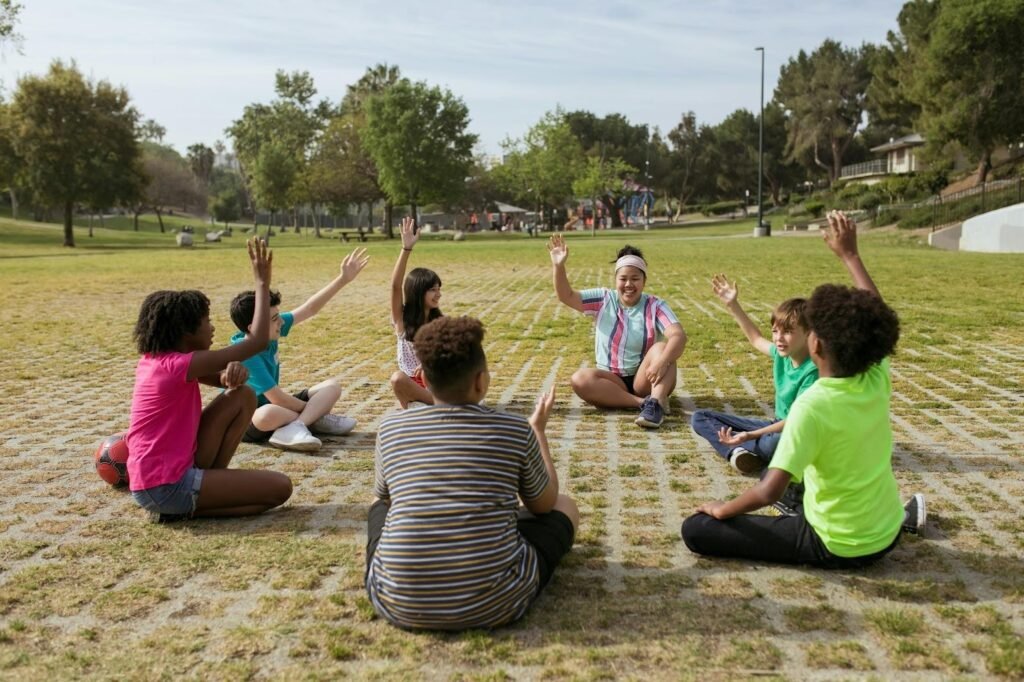
Camps are powerful because they compress experience into focused days and weeks. With intentional design, those days teach kids how to learn, not just what to do. The result is confidence that travels home in their backpack – along with friendships, resilience, and a clearer sense of who they are becoming.


We create powerful, insightful content that fuels the minds of entrepreneurs and business owners, inspiring them to innovate, grow, and succeed.