


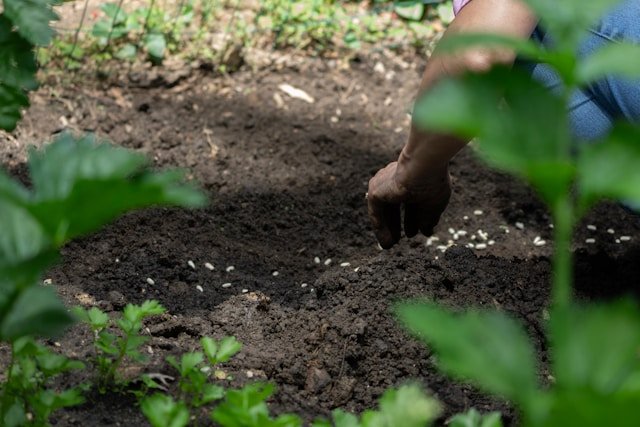
Introduction to Food Plot Seeds
Food plot seeds are specially formulated crops designed for cultivation in areas that attract and nurture various wildlife species. These plots serve an essential role in wildlife management by providing nutritious food sources that support the health and well-being of game animals such as deer, turkey, and quail. By strategically planting food plot seeds, wildlife managers can create rich habitats that naturally sustain animal populations and facilitate better hunting experiences by encouraging wildlife to frequent certain locations.
The principal goal of food plot seeds is to enhance the nutritional diversity available to wildlife in their natural habitats. Different species have unique dietary needs, and food plot seeds are selected based on the specific requirements of these animals. For instance, some food plot mixtures may include clover, brassicas, and legumes, providing a range of essential nutrients that promote growth, reproduction, and overall vitality in game populations. These mixes are often tailored to regional growing conditions, helping ensure high yields and effective wildlife attraction at various times of the year.
Furthermore, the importance of food plot seeds extends beyond mere nutrition; they contribute to the preservation of local ecosystems. As these crops flourish, they create habitats that support not only the target game species but also non-game animals and beneficial insects. Additionally, growing food plots can enhance soil health and promote biodiversity through crop rotation and companion planting practices. Therefore, selecting the right food plot seeds and understanding their impact on the surrounding environment is crucial for successful wildlife management practices.
The Importance of Nutritional Value
The nutritional value of food plot seeds plays a crucial role in supporting wildlife populations and fostering sustainable ecosystems. Different game species have distinct dietary needs, which must be considered when selecting and formulating food plot seeds. For instance, deer require high levels of protein and energy sources to support their natural growth and reproductive cycles. Properly formulated food plot seeds can provide essential nutrients these animals need to thrive.
Moreover, the nutritional composition of food plot seeds significantly influences animal health. Adequate nutrition helps improve body condition, enhances immune responses, and increases reproductive success among wildlife. By incorporating a variety of food plot seed types, land managers can create diverse habitats that cater to the varied diets of different game species. For example, legumes such as clover and soybeans are great protein sources for herbivores, while grains like corn and millet can provide high-energy food options.
Additionally, the timing and availability of food plot seeds are crucial. Early-spring planted crops can provide essential forage during the critical periods of pregnancy and lactation for herbivores. Conversely, late-summer plantings can supply food sources during the winter months when natural forage is scarce. By understanding the seasonal dietary needs of wildlife, landowners can strategically plan their food plots to optimize nutritional value throughout the year.
In summary, the proper selection and management of food plot seeds ensure that wildlife receives the necessary nutrients to thrive. By focusing on the specific dietary requirements of various game species, professionals can enhance animal health and contribute to sustainable wildlife populations in their habitats.
How Food Plot Seeds Have Evolved
The evolution of food plot seeds has been shaped significantly by advancements in agricultural science and environmental considerations. Historically, the concept of using specific seeds to nourish and attract wildlife for hunting purposes has been practiced for centuries. However, it was not until the mid-20th century that dedicated research into food plot seeds gained momentum, leading to revolutionary changes in seed selection and management practices.
Initially, seeds were chosen based on their availability and traditional usage without a deep understanding of their specific nutritional profiles or growth requirements. Early food plots often consisted of random assortments of wildflowers and native grasses. However, as wildlife management became more sophisticated, a need arose for specialized seeds that would not only promote better yields but also cater to the nutritional needs of various species. This need catalyzed the development of hybrid and genetically improved food plot seeds.
In recent decades, significant innovations have emerged within the agricultural sector, incorporating genetic research and agronomic techniques to create food plot seeds that perform exceptionally well under specific conditions. Improved breeding practices have resulted in varieties that are more resistant to pests, diseases, and environmental stresses such as drought or flooding. This focus on resilience ensures that food plots can thrive even in challenging conditions, ultimately leading to more sustainable wildlife habitats.
Additionally, enhanced seed coatings and pre-germination treatments have also been introduced, which improve seed viability and promote faster establishment. These developments help maximize the effectiveness of food plots by ensuring that food sources are available when wildlife needs them the most. The advancement of precision agriculture tools further assists land managers in selecting the ideal food plot seeds tailored to their specific environmental conditions.
Types of Evolved Food Plot Seeds
The diversity of food plot seeds available today has evolved significantly, catering to the dietary needs of game animals while enhancing their habitats. Among the various types, legumes, grains, and brassicas stand out as particularly beneficial options.
Legumes, such as clover and alfalfa, are especially popular for their rich protein content and ability to fix nitrogen in the soil, thereby improving soil fertility. Incorporating legumes in a food plot not only nourishes game animals but also promotes healthy growth for subsequent crops. Their lush foliage provides excellent forage, making them a preferred choice for deer and other herbivores.
Grains, including oats, wheat, and corn, are another category of food plot seeds that play a vital role in providing energy and sustenance for game animals. These crops are especially valuable during the colder months when other food sources are scarce. Grains can support a healthy wildlife population by offering high-energy content, which is essential for maintaining body condition during demanding seasons.
Lastly, brassicas, such as turnips and radishes, are increasingly recognized for their ability to provide nutritious forage well into the winter months. These crops have deep taproots that access minerals and nutrients from deeper soil layers, thus enriching the soil while offering game animals a steady food source through harsh climates. Brassicas are particularly appealing to deer, making them a strategic choice for enhancing wildlife habitats.
In summary, utilizing a blend of legumes, grains, and brassicas as food plot seeds helps create a balanced diet for game animals, ensuring their health and sustainability in the ecosystem. By understanding the distinct benefits of each type, landowners can make informed decisions in selecting the most suitable seeds for their food plots.
The Role of Genetics in Seed Development
Genetics plays a crucial role in the development of food plot seeds, particularly when it comes to tailoring them for enhanced performance and resilience. Selective breeding and hybridization are two prominent techniques utilized by agricultural scientists and seed producers to create superior seed varieties that cater to the needs of wildlife habitats.
Selective breeding involves choosing parent plants with desirable traits to produce offspring that exhibit these characteristics. This process not only aims to enhance the yield of food plot seeds but also focuses on improving their nutritional profiles and overall robustness. For instance, plants may be selectively bred for drought resistance, disease resistance, or increased nutrient content, all of which are vital for attracting and sustaining game populations.
Hybridization, on the other hand, combines the genetic material from two distinct plant varieties to create a hybrid with the best traits of both parents. The resulting seeds can potentially exhibit hybrid vigor, which often leads to enhanced growth rates, increased resilience to pests, and improved forage quality. Such advancements in seed technology ensure that food plots can provide an optimal food source for wildlife throughout various seasons, thereby improving feeding patterns and habitat utilization.
A well-planned food plot featuring genetically enhanced seeds can significantly increase the nutritional intake of local fauna. This strategy not only supports the immediate ecosystem but also contributes to long-term conservation efforts by ensuring that game species thrive in their natural environments. As knowledge in the field of genetics continues to evolve, the advancements in food plot seed development will play an instrumental role in maximizing game habitat and enriching biodiversity.
Strategies for Planting and Maintaining Food Plots
Establishing effective food plot seeds means understanding the essential strategies for planting and maintenance. First, selecting the right time to plant is crucial. For most food plot seeds, planting should coincide with seasonal changes, ensuring optimal growth. For example, spring is ideal for cool-season plantings, while warm-season species should be planted after the last frost. It’s important to monitor local weather patterns to determine the exact timing.
Soil preparation is the next step in effective food plot management. Testing the soil pH and nutrient levels will provide insights into necessary amendments, such as lime or fertilizer. Generally, food plot seeds thrive in well-draining, fertile soils, so consider adding organic matter or using soil enhancers to improve conditions. Tilling the soil also ensures a proper seedbed to enhance seed-to-soil contact, which increases germination rates.
Once the seeds are sown, maintaining the plot’s health is essential. Regular monitoring for weeds, pests, and diseases can prevent damage to the crops. Employing appropriate management strategies like crop rotation or intercropping can enhance biodiversity and soil health. Irrigation may also be crucial during dry spells to sustain growth, particularly for food plot seeds that require ample moisture during germination.
In addition to monitoring the plot’s health, timely fertilization and weed control should be part of the ongoing maintenance schedule. Utilizing slow-release fertilizers can support plant growth throughout the development stages. Recognizing the specific needs of different food plot seeds is essential, as some may require more nutrients than others for optimal yield. Regular updates on soil and plant health can ensure that adjustments are made promptly, resulting in a successful food plot that attracts and nourishes wildlife effectively.
Impact on Wildlife Dynamics
Food plots have become essential tools for enhancing wildlife habitats and promoting healthier game populations. The introduction of food plot seeds into an ecosystem can significantly alter food availability, thus impacting the dynamics of various wildlife species. By diversifying the nutrient sources provided, these plots cater to a range of animals, attracting different species to a single location. This increased concentration of wildlife can lead to improved health among populations, as animals gain access to richer, more balanced diets.
When food plot seeds are carefully selected to suit local wildlife preferences, they provide essential nutrients that may be lacking in the wild. For instance, the addition of legumes and high-carb plants can boost protein and energy levels in herbivores, which in turn enhances their reproductive success and overall survival. As these populations flourish, it creates a ripple effect throughout the food chain, impacting predator species and the ecosystem as a whole. A robust population of herbivores supports a stable environment for carnivores, promoting biodiversity and ecological balance.
Moreover, food plots can contribute to habitat connectivity. When strategically placed within a landscape, these plots serve as stepping stones or corridors that facilitate movement among isolated wildlife populations. This encourages genetic diversity, as animals from different areas can intermingle and breed, which is critical for long-term population viability. Enhanced nutrition, combined with improved habitat connectivity, allows for more resilient wildlife populations, ultimately benefiting the entire ecosystem.
Thus, the implementation of food plots represents a proactive approach to wildlife management. Managers and landowners can tailor food plot seeds to meet specific ecological needs, promoting healthier animal populations and fostering a more vibrant and balanced ecosystem.
Case Studies: Successful Food Plots
In the realm of wildlife management and habitat enhancement, the implementation of food plot seeds has demonstrated remarkable efficacy across various environments. One notable example is a project conducted in the rolling hills of Pennsylvania, where landowners collaborated with wildlife experts to establish food plots that catered to the local deer population. By utilizing improved seed varieties rich in nutrients, these plots not only attracted an increased number of deer but also contributed to better overall health and growth rates among the animals. Observations showed that deer utilizing these areas exhibited improved body weight and healthier antler development, showcasing how diverse food plot seeds can significantly impact local wildlife.
Another compelling case took place in the midwestern United States, where agricultural fields were transformed into thriving wildlife habitats. Here, a combination of clover and brassicas was sown to create food plots that served as a reliable food source during the winter months. The results were evident within a year, as local wildlife populations swelled, with hunters reporting higher encounters with not only deer but also turkeys, which thrived in the richer ecosystem afforded by the food plot seeds. This case emphasizes the importance of selecting appropriate seed mixes that align with the specific seasonality and dietary needs of the wildlife in question.
In the southeastern part of the country, food plots have become integral to managing declining quail populations. Landowners utilized specialized forage blends tailored to quail, composed of grains and legumes that provide necessary cover and nourishment. This initiative not only bolstered the quail numbers but also improved biodiversity in the area, demonstrating that thoughtful integration of food plot seeds can rejuvenate populations of various wildlife species. These real-life examples underline the transformative power of evolved food plot seeds in creating sustainable habitats that benefit both the land and its inhabitants.
Conclusion and Future of Food Plot Seeds
As we reflect on the evolution of food plot seeds, it is evident that their development has significantly impacted wildlife management practices. The advancements in seed technology and selection have led to the creation of hybrid varieties and specific strains designed to thrive in various environmental conditions, thereby maximizing the nutritional offerings available to wildlife. The strategic use of food plot seeds has enabled land managers to create sustainable habitats that not only support local fauna but also enhance biodiversity.
Currently, trends show a growing interest in using native plant species in food plots, as they tend to provide better nutrition and habitat for wildlife. This shift towards ecologically-friendly practices has led to increased research and development focused on optimizing food plot seeds for enhanced disease resistance, drought tolerance, and higher yield potential. Additionally, the integration of technology, such as satellite imagery and precision agriculture, may further refine how food plot seeds are utilized, allowing managers to assess and adjust their strategies in real-time.
Looking towards the future, we can expect continued innovation in this field. The incorporation of genetic advancements could lead to even more resilient food plot seeds, which can adapt to changing climates and pest pressures. Furthermore, the potential for crossbreeding between domesticated and wild species may also open new avenues for developing highly specialized seeds that cater specifically to the needs of targeted wildlife populations.
In conclusion, the future of food plot seeds appears promising with the ongoing commitment to research and innovation. By embracing these advancements, wildlife managers can design and implement effective food plots that not only enhance game habitats but also contribute to broader ecological goals. The responsible use of food plot seeds will remain an integral part of wildlife conservation efforts, fostering a sustainable balance between the needs of game species and the health of their environments.


We create powerful, insightful content that fuels the minds of entrepreneurs and business owners, inspiring them to innovate, grow, and succeed.