


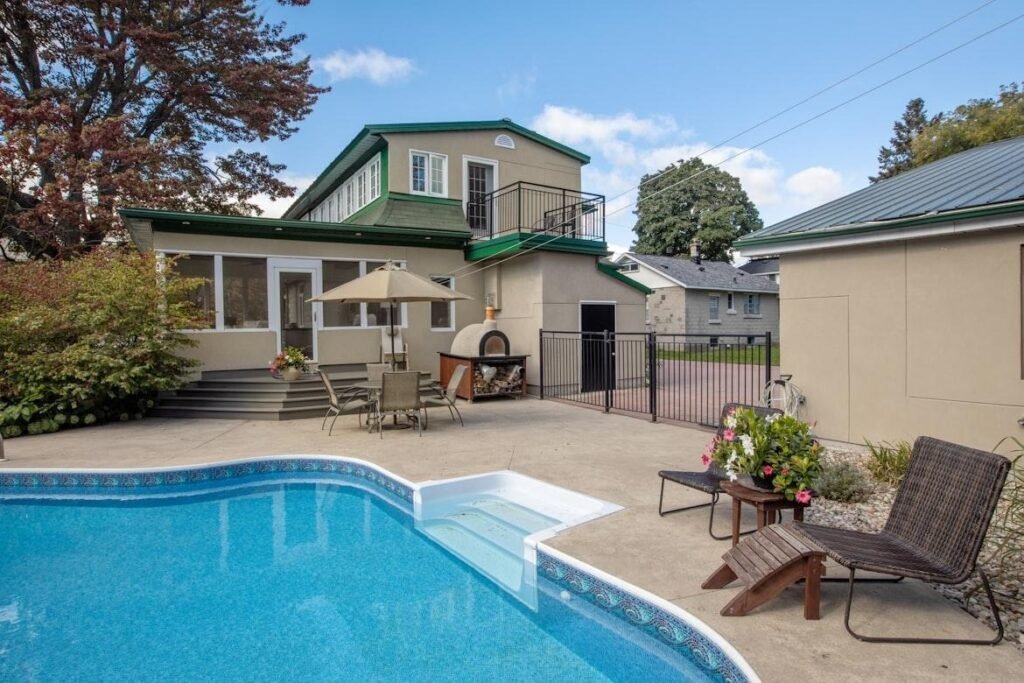
Renovating the exterior of your home can significantly enhance its curb appeal, increase its value, and improve its functionality. Whether you’re planning to update your siding, add a new deck, or replace windows, exterior renovations require careful financial planning to ensure the project stays within budget and meets your goals. Without proper planning, costs can quickly escalate, leading to stress and potential delays.
In this article, we’ll guide you through the key steps involved in financially planning for an exterior renovation project. From estimating costs to choosing the right professionals, we’ll cover everything you need to know to make your exterior renovation a success without breaking the bank.
Assessing Your Needs and Setting a Budget
Before embarking on an exterior renovation project, it’s crucial to clearly define your goals and assess your needs. Are you looking to enhance the appearance of your home, improve energy efficiency, or increase its resale value? Each objective may require a different approach and budget.
Once you understand your priorities, it’s time to set a realistic budget. Begin by estimating the costs of materials, labor, and any unforeseen expenses that might arise during the renovation. If you’re working with professionals such as KV Construction, ask for a detailed quote that includes both labor and materials. Having a clear budget helps you avoid overspending and ensures you’re financially prepared for the entire project.
Researching Materials and Their Costs
One of the most significant factors affecting the cost of exterior renovations is the choice of materials. Different materials come with varying price points, and selecting the right one can greatly impact both the aesthetic and long-term maintenance costs of your renovation. For example, vinyl siding is often more affordable than cedar or fiber cement but may require more maintenance.
Take the time to research and compare materials based on your budget and the desired look of your home. Consider the upfront cost and factors such as durability, energy efficiency, and maintenance requirements. If you’re unsure about which materials will suit your needs best, consulting with contractors or home improvement specialists can provide valuable guidance.
Getting Multiple Quotes from Contractors
Hiring the right contractor is critical to the success of your exterior renovation project. When selecting a contractor, be sure to get multiple quotes to ensure you’re getting a fair price for the work. Quotes should include details about labor, materials, timelines, and any potential additional fees. It’s important to compare quotes from at least three contractors to get a sense of the market rate.
While cost is important, it’s crucial to evaluate contractors based on their reputation, experience, and past work. Read reviews, ask for references, and check whether the contractor has the necessary licenses and insurance. Opting for the cheapest option may not always be the best choice if it compromises quality or reliability.
Understanding Permits and Regulations
Many exterior renovation projects require permits, especially if you’re making structural changes or altering the appearance of your home. These permits are typically issued by your local government, and failing to obtain the proper permits can result in fines or the need to undo the work. Before beginning your renovation, research the permit requirements for your area.
The cost of permits can vary depending on the scope of your project and the location of your home. Be sure to factor these costs into your renovation budget. Check if your project meets any zoning regulations or HOA (Homeowners Association) requirements, as these could affect your plans.
Accounting for Unexpected Costs
Even with careful planning, unexpected costs can arise during an exterior renovation project. For example, when replacing siding, contractors may uncover issues such as water damage or structural problems that need to be addressed before proceeding. It’s important to have a contingency fund set aside to cover these unforeseen expenses.
As a rule of thumb, allocate about 10-15% of your total renovation budget for unexpected costs. This will give you a financial cushion to handle any surprises that may come up during the project. If no surprises arise, the extra funds can be used to enhance other areas of the renovation.
Financing Your Exterior Renovation
Once you’ve set your budget and researched costs, it’s time to consider how you will finance your exterior renovation. There are several options available, depending on your financial situation and the size of your project.
If you have enough savings, paying upfront may be the most straightforward approach. However, if your renovation exceeds your savings, consider financing options like home equity loans, personal loans, or credit lines. Home equity loans can be particularly useful for large projects, as they often come with lower interest rates than personal loans.

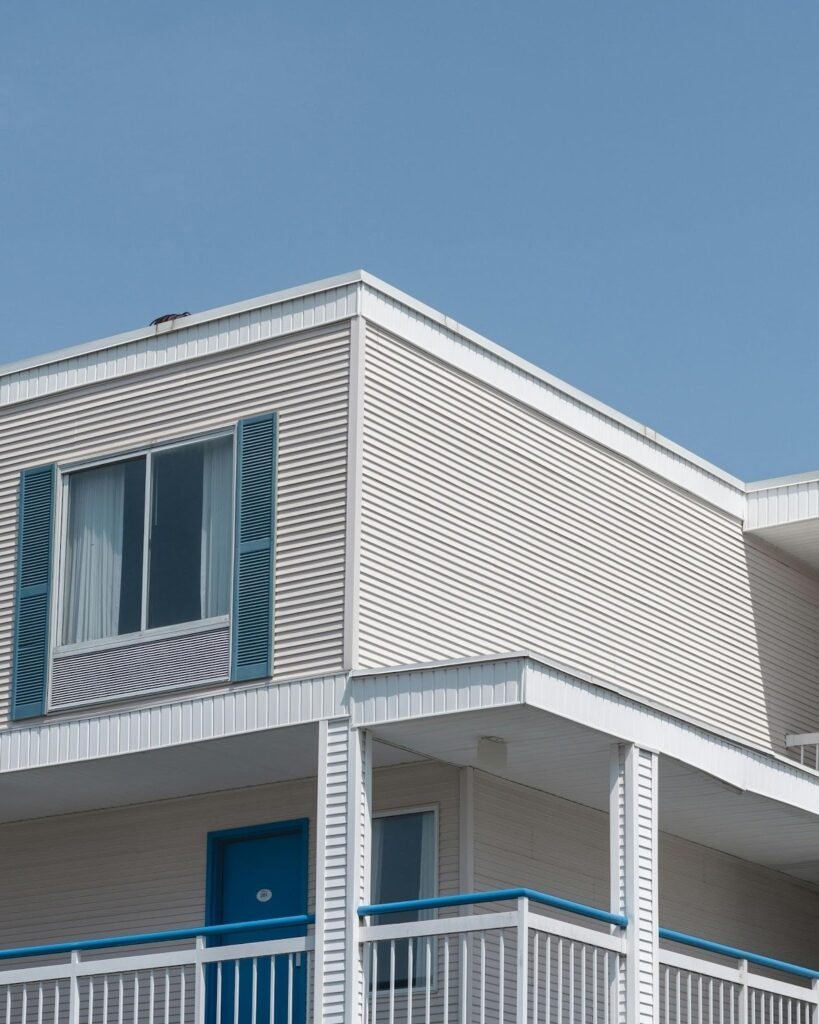
Financial planning is key to a successful exterior renovation project. From budgeting and researching materials to obtaining quotes and considering financing options, taking a strategic approach ensures that your project stays within budget and meets your expectations.


We create powerful, insightful content that fuels the minds of entrepreneurs and business owners, inspiring them to innovate, grow, and succeed.