


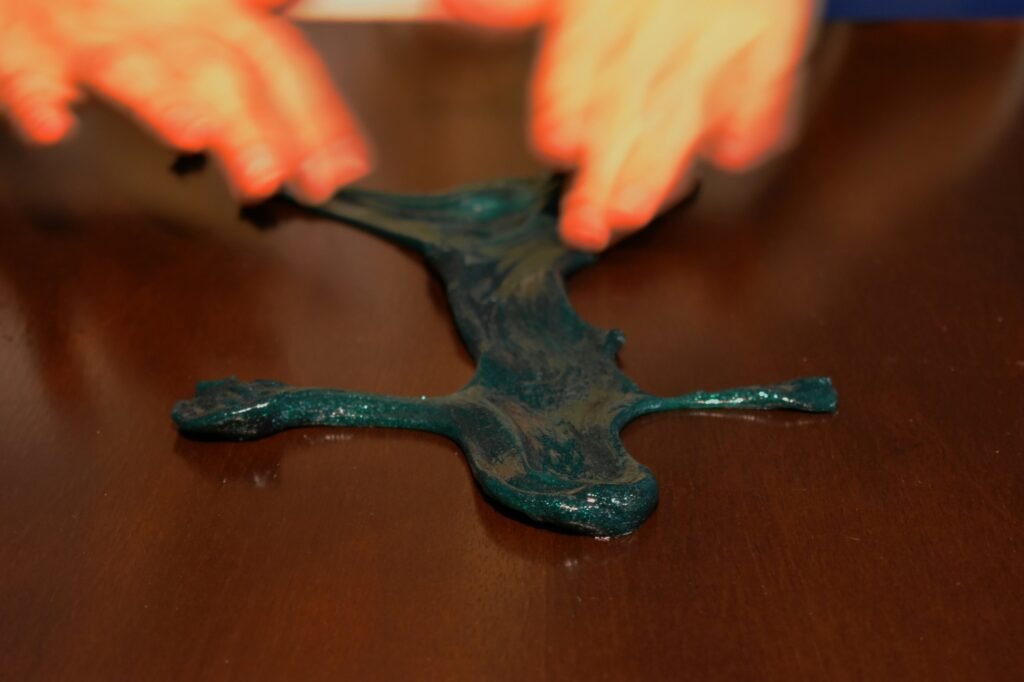
Introduction to Slime Activator
Slime activator plays a pivotal role in the art of slime-making, transforming simple ingredients into a fun, stretchy substance that captivates both children and adults alike. Essentially, a slime activator is a chemical agent that interacts with glue to facilitate the creation of slime. It initiates the process of gelling, allowing the slime to attain its characteristic texture. Without this crucial component, glue alone would not achieve the desired consistency required for effective slime.
When working with glue, the addition of a slime activator encourages the molecules within the glue to bond in a different manner, resulting in the formation of a more elastic and cohesive material. As the activator bonds with the glue, it thickens and provides the requisite viscosity, which is essential for producing high-quality slime.
There are various types of slime activators available, each offering unique properties and outcomes. The most common activators are borax solution, contact lens solution, liquid starch, and baking soda mixed with vinegar. Each of these agents works by altering the glue’s composition, leading to different textures and slime behaviors. For instance, borax is frequently used due to its effectiveness at creating a stretchy and durable slime, while contact lens solution is popular among those seeking a simpler process with readily available materials.
Other methods involve natural alternatives, appealing to those preferring non-toxic options. With the multitude of choices, the application of a slime activator can be easily tailored to meet personal preferences, ensuring a satisfying slime-making experience. Overall, understanding slime activators and their diverse types is essential for anyone keen on creating homemade slime successfully.
Common Slime Activators You Can Make at Home
Making slime at home can be an enjoyable and educational activity. Among the essentials is the slime activator, which transforms a simple mixture of glue and water into a stretchy, gooey substance. Several everyday household items can serve as effective activators for your slime creations.
One of the most popular activators is laundry detergent. It is widely available and can be used to create fluffy slime. To produce slime using laundry detergent, combine equal parts of glue and water in a bowl. Gradually add the detergent while stirring continuously until the mixture reaches the desired consistency. Adjust the amount of detergent based on how thick or stretchy you want the slime to be.
Baking soda is another common household item that excels as a slime activator. To use baking soda, first, create a glue and water mixture in a bowl. Once combined, sprinkle in a small amount of baking soda and mix thoroughly. Following this, add contact lens solution, which contains boric acid, to activate the baking soda. This combination allows for a stretchy, less sticky slime that can be easily manipulated.
The third option is contact lens solution, which works particularly well with a glue-and-water base. Begin by mixing glue and water in a container, then slowly introduce contact lens solution while stirring. The solution typically contains boric acid, which effectively interacts with the glue to create the desired slime texture. Experiment with varying amounts to achieve your preferred thickness and elasticity.
In summary, making slime at home can be a simple and fun process with readily available ingredients. By using laundry detergent, baking soda, or contact lens solution as activators, you can create an array of different slime textures, perfect for various creative endeavors.
Alternatives to Traditional Slime Activators
When it comes to making slime at home, many crafters often rely on traditional activators like borax or contact lens solution. However, there exists a variety of alternative methods that can effectively activate slime using common household products. These alternatives can be particularly useful for individuals looking to create slime without the need for specific activators, thus broadening the possibilities for experimentation.
One popular alternative is shampoo. Certain types of shampoo, especially those that are thick and contain conditioning agents, can serve as an activator. By mixing shampoo with cornstarch or flour, a slime-like texture can be achieved. The combination not only provides the necessary stretchiness but also imparts a pleasant fragrance to the final product.
Another option is using liquid soap. Many types of liquid soap contain surfactants that can trigger the slime formation process. When combined with water and other ingredients like baking soda or cornstarch, liquid soap can create a satisfactory slime consistency. This method is particularly appealing due to the wide variety of liquid soaps available, enabling users to select scents and textures to enhance their slime-making experience.
In addition, some users have reported success with lotion as a slime activator. The emollients found in lotions can contribute to a soft, pliable texture, especially when mixed with glue. This method can yield a stretchy and fun slime while also enriching the final product with moisturizing properties.
Overall, while traditional slime activators are quite effective, exploring alternative substances such as shampoo, liquid soap, and lotion can lead to new and interesting slime experiences. Each of these alternatives provides a unique quality to the slime, allowing for creative exploration and personal preference in slime crafting.
Can Hand Sanitizer Activate Slime?
When it comes to creating slime, the choice of activator can significantly influence the texture and properties of the final product. One unconventional option that has drawn interest is hand sanitizer. Composed mainly of alcohol, water, and thickening agents, hand sanitizer may serve as a potential slime activator. The effectiveness hinges on its ingredients, particularly the alcohol concentration.
To incorporate hand sanitizer into your slime recipe, start with a basic glue mixture. Combine white school glue with a small amount of water to aid in blending. Gradually add hand sanitizer to the mixture, stirring continuously, to observe how it reacts. A typical recommended ratio could be one part hand sanitizer to two parts glue mixture, but experimentation may yield different results depending on the specific brand of sanitizer used.
There are both advantages and disadvantages to using hand sanitizer as a slime activator. One major pro is that it tends to create a stretchier texture, which many slime enthusiasts favor. Additionally, its antibacterial properties can provide a sense of hygiene, a plus for parents concerned about cleanliness. However, it’s important to consider the downsides; using a hand sanitizer with a high alcohol content may lead to a slimy consistency that could fail to hold shape if not balanced with sufficient glue. Moreover, some formulas may include fragrances or additives that can interfere with the slime’s performance.
Ultimately, while hand sanitizer can activate slime, it is essential to approach this method with caution. Testing different quantities and formulations can lead to optimal results and a better understanding of how various ingredients work together to create the desired slime experience. Further experimentation could reveal whether hand sanitizer has a permanent place in the slime-making toolkit.
How to Make a 3-Ingredient Slime
Creating slime at home can be a fun and engaging experience, especially when using a simple recipe that requires just three main ingredients: glue, water, and a slime activator. This easy-to-follow guide will help you achieve a smooth and stretchy slime that can bring hours of enjoyment.
To begin, you will need a bottle of white school glue, which serves as the base for the slime. Measure about 1 cup of glue and pour it into a mixing bowl. It is essential to use a good quality glue to ensure that your slime holds together well and achieves the desired texture.
Next, add half a cup of water to the glue in the bowl. This addition helps to create a smoother and more workable mixture. Stir the glue and water together thoroughly until they are fully combined. The resulting mixture should be consistent and free of lumps.
Once your glue and water mixture is ready, it is time to incorporate your chosen slime activator. A popular choice is borax solution, which can be prepared by dissolving 1 teaspoon of borax powder in 1 cup of warm water. Alternatively, you can use baking soda mixed with contact lens solution as an activator. Regardless of the choice, introduce the activator gradually, adding one tablespoon at a time while stirring continuously.
Continue mixing until the slime begins to pull away from the sides of the bowl and forms a cohesive mass. If the slime is still too sticky, add more activator as needed. Aim for a texture that is stretchy and pliable but not overly sticky while ensuring it holds together well.
Finally, once you achieve your desired consistency, knead the slime with your hands for a few minutes. This helps enhance its elasticity and overall feel. After kneading, your homemade slime is ready for play and can be stored in an airtight container to keep it fresh.
Troubleshooting Common Slime Issues
Creating slime can be a delightful experience, but it can also present challenges that may frustrate some slime makers. Common issues include slime that is either too sticky or too runny. The solution often lies in the correct use of a slime activator, which is essential for achieving the desired consistency.
One of the most prevalent problems is when your slime turns out too sticky. This often happens when not enough activator is added. To remedy this, gradually incorporate a small amount of your chosen slime activator into the mixture. Stir thoroughly, as this will help the glue molecules bond properly, reducing stickiness. It is recommended to add the activator incrementally, observing how the slime reacts with each addition until the desired texture is achieved.
On the other hand, if your slime is too runny, it may suggest an excess of activator or inadequately mixed ingredients. If this occurs, consider adding more glue to the mixture, along with additional activator to balance the consistency. It’s advisable to mix well to ensure all components are thoroughly combined, as uneven mixing can lead to unexpected textures.
Color and texture inconsistencies can also arise, typically due to varying activator types or incorrect measurement ratios. Be precise with your slime activator to ensure optimal results. Keeping a log of your slime-making processes can provide valuable insights and assist you in refining your technique over time.
By understanding these troubleshooting tips and maintaining a careful approach to using slime activators, you can enjoy a smoother slime-making experience and create the perfect slime every time.
Creative Uses for Your Homemade Slime
Once you have successfully created your homemade slime using a suitable slime activator, the possibilities for its utilization are plentiful and can provide both enjoyment and benefits. One of the most common ways to enjoy your slime is through play. Children, in particular, find joy in the tactile experience of stretching, squishing, and molding the slime into various shapes. This sensory play can enhance their motor skills and imaginative play, making it an engaging activity for hours.
Furthermore, homemade slime serves as an excellent stress reliever for both children and adults alike. The act of manipulating the slime can be soothing, as the squishy texture promotes a relaxing experience. It allows individuals to focus their energy on a calming activity, which can be particularly beneficial during stressful times. Incorporating this slime into your daily leisure routine can help alleviate anxiety and provide a refreshing break from a hectic day.
In addition to these recreational uses, your homemade slime can also be integrated into craft projects. For instance, you can use the slime as a medium for creating various crafts—mixing it with glitter, beads, or other embellishments can lead to beautiful art pieces. Moreover, adding food coloring can transform your slime into a vibrant craft tool that enhances creativity. Using slime in arts and crafts not only makes the creation process fun but also encourages fine motor skills development.
Lastly, homemade slime can be an educational tool. Engaging children in discussions about the science behind slime, such as the reactions involved in using a slime activator, can foster curiosity and learning. Overall, the usage of homemade slime goes beyond simple play; it serves as a multifunctional resource in stress relief, creativity, and learning.
Safety Considerations When Making Slime at Home
Creating DIY slime can be an enjoyable activity, but it is essential to prioritize safety during the process. Many slime recipes involve ingredients that, while commonly found, can pose certain risks if not handled correctly. Therefore, it is advisable to familiarize yourself with best practices to ensure a safe and fun slime-making experience.
Firstly, when gathering materials, be conscious of any allergies among participants, particularly to products like borax, which is frequently used as a slime activator. Alternatives such as glue and contact lens solution can also serve as effective activators, but one must check for any sensitivities to these substances. Always read the labels of all ingredients before use, ensuring they are non-toxic and safe for children if they will be involved in the slime-making process.
Proper containment and storage of slime is another safety concern. Store your finished slime in airtight containers to prevent it from drying out and also to reduce the risk of contamination. Teach children to clean their hands thoroughly before and after playing with slime to prevent any cross-contamination or ingestion of materials. If slime is left out unattended, it can gather dust or bacteria, making it inappropriate for continued use. Ensuring the slime is stored in a cool, dry place will also help maintain its quality.
Lastly, supervise children closely during the slime-making process. This oversight is particularly vital when using tools such as scissors or other small items that could pose a safety hazard. By providing guidance and maintaining an organized workspace, you can create a secure environment for this creative activity. These safety considerations will enhance the fun while keeping everyone safe during the slime-making adventure.
Conclusion: The Joy of DIY Slime
Creating slime at home offers numerous benefits that extend far beyond the enjoyment of playing with this tactile substance. One of the most significant advantages is the ease and accessibility of making a slime activator using common household items. By utilizing ingredients such as baking soda, contact lens solution, or laundry detergent, anyone can successfully create a slime activator that is effective, safe, and economical.
The process of making slime is not only straightforward but also fosters creativity and experimentation. When individuals engage in this DIY activity, they have the opportunity to fine-tune their recipes, mixing different colors and textures to discover new possibilities. This hands-on approach encourages children and adults alike to embrace their artistic side, fostering a sense of accomplishment when they produce their unique slime concoctions.
Furthermore, making slime can serve as an excellent educational opportunity. It can help explain basic scientific principles, such as viscosity and reactions, making it a fun and engaging way to learn. Parents and educators can use this activity to teach children about measurements, changes in states of matter, and even incorporate lessons related to chemistry in a joyful and memorable manner.
Encouraging readers to experiment with their slime creations can also enhance their problem-solving skills. When things do not go as planned, learning to troubleshoot issues with slime consistency or stickiness can promote critical thinking and resilience. As users explore various activators and ingredients, they embark on a journey of trial and error that often leads to surprising and delightful results.


We create powerful, insightful content that fuels the minds of entrepreneurs and business owners, inspiring them to innovate, grow, and succeed.